
Juicy Buttermilk Chicken Breast with a Tangy Pan Sauce

This buttermilk chicken breast turns out tender and full of flavor every time, and it comes together in under half an hour. A quick marinade and a hot skillet are all you need.
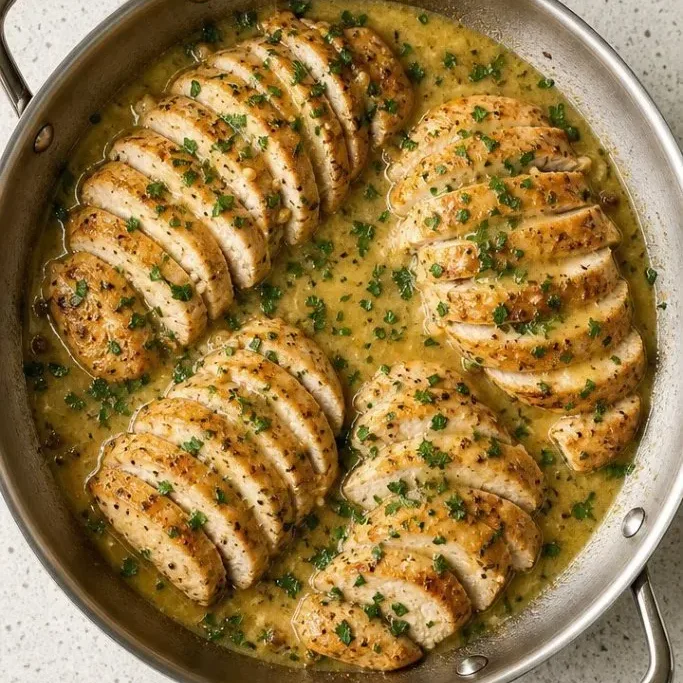
You get a golden crust on the outside and a tangy pan sauce that soaks into every slice. It’s weeknight cooking that feels a little more thoughtful, without any complicated steps.
Why This Chicken Stays Juicy
The buttermilk marinade tenderizes the meat and leaves behind a gentle tang that lingers even after searing. A splash of it becomes the base for the pan sauce, so nothing goes to waste.
I like that the whole dish is done in about 25 minutes, with a sauce that tastes like it simmered much longer. Leftover slices stay moist and work beautifully on a salad the next day.
Ingredients
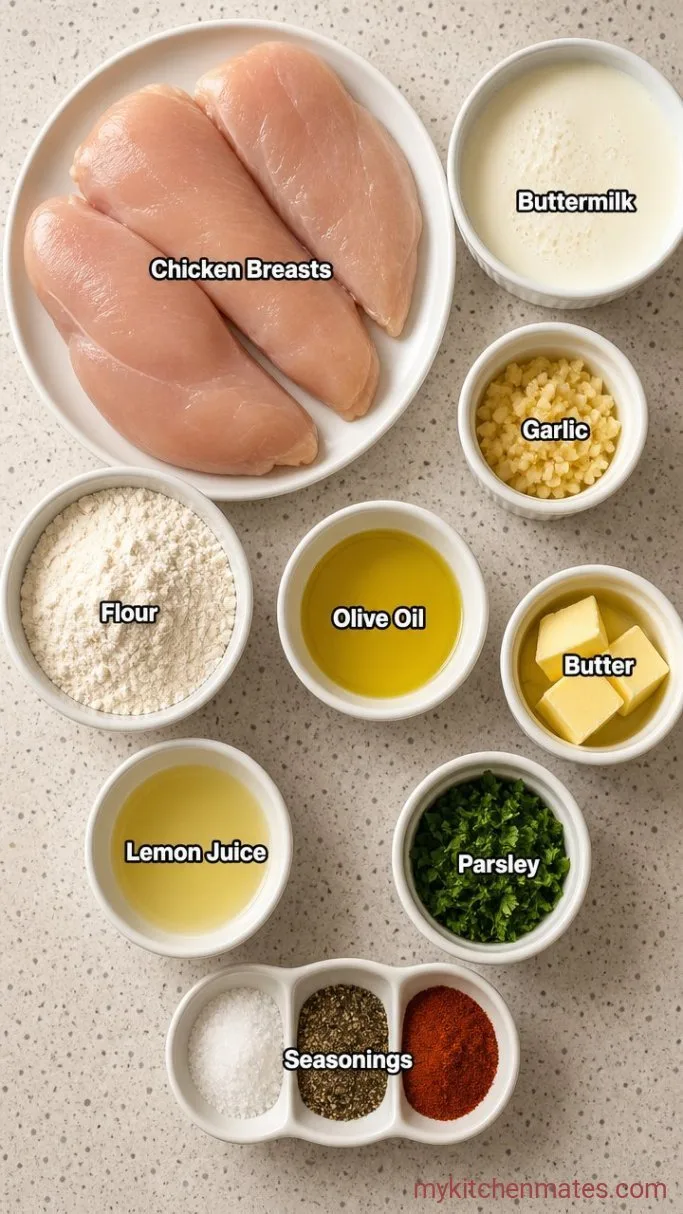
- 4 boneless, skinless chicken breasts: about 1 1/2 pounds total, trimmed of any fat
- 1 cup buttermilk: full-fat or low-fat both work; the acid is what matters
- 2 cloves garlic: minced
- 1 teaspoon fine sea salt: plus a pinch for the flour
- 1/2 teaspoon black pepper
- 1 teaspoon smoked paprika
- 1/4 cup all-purpose flour: for a light, crisp coating
- 2 tablespoons olive oil
- 2 tablespoons unsalted butter
- 2 tablespoons fresh lemon juice
- 2 tablespoons chopped fresh parsley: flat-leaf or curly
Sticky Beef and Broccoli Sauce makes this recipe even better, and it takes just minutes.
How to Make Buttermilk Chicken Breast
Step 1: Coat the Chicken in Buttermilk
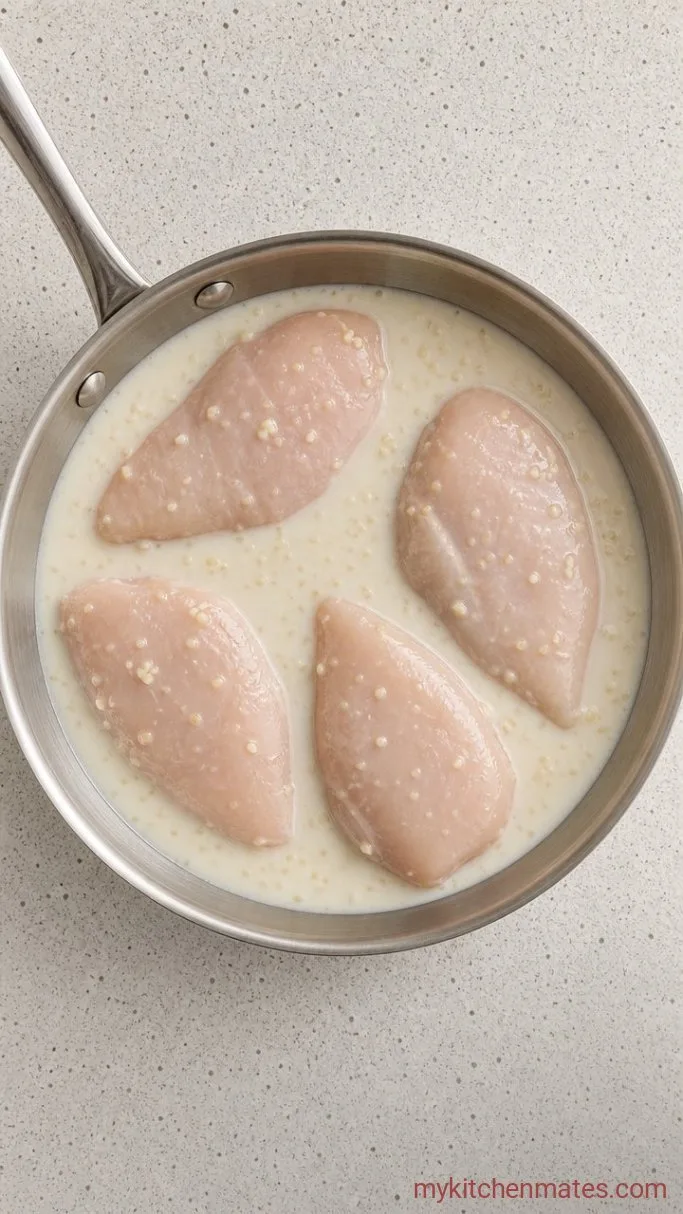
In a large bowl, whisk together the buttermilk, minced garlic, 1 teaspoon salt, pepper, and smoked paprika. Add the chicken breasts and turn them to coat. Cover and refrigerate for at least 30 minutes, or up to 4 hours.
The garlic and paprika will speckle the buttermilk, and the chicken will look pale and creamy. The longer it sits, the deeper the tang works into the meat.
Step 2: Dredge the Chicken
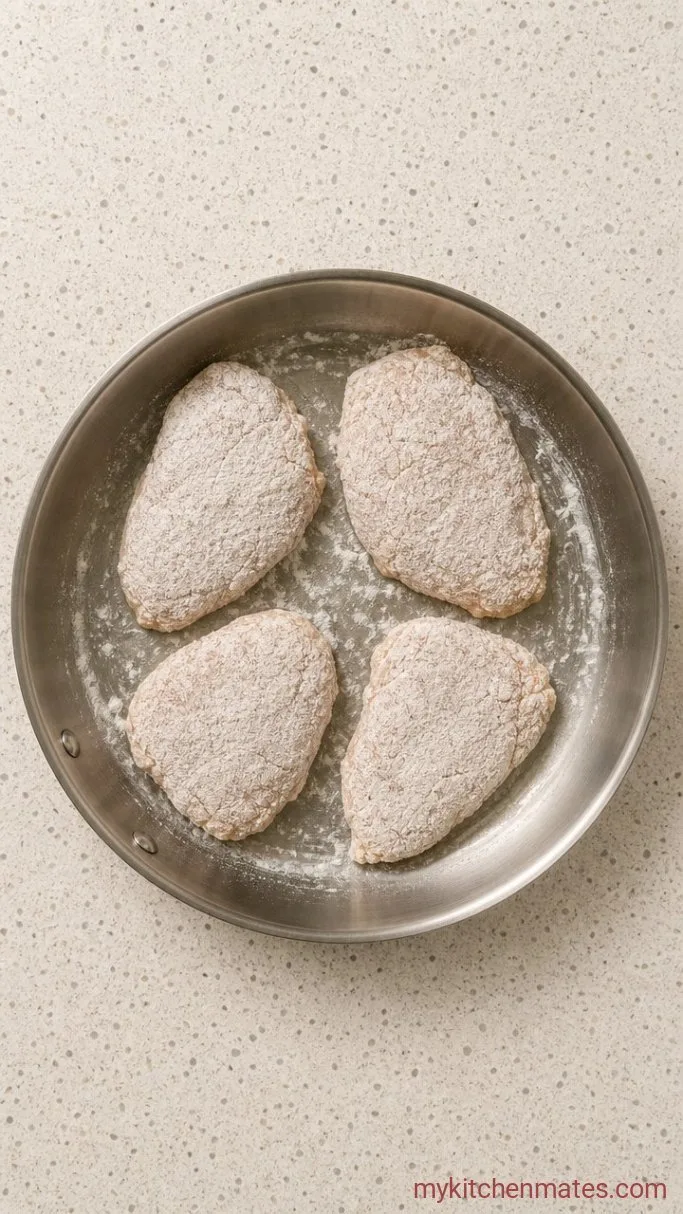
Remove the chicken from the marinade, letting the excess drip off. Reserve 1/4 cup of the used marinade for the pan sauce. Spread the flour on a plate and season it with a small pinch of salt and pepper. Press each breast into the flour, coating both sides lightly and shaking off any loose flour.
The flour creates a delicate, golden crust when seared, so the coating should be even but not thick. The chicken will look powdery and feel dry to the touch.
Step 3: Sear the Chicken
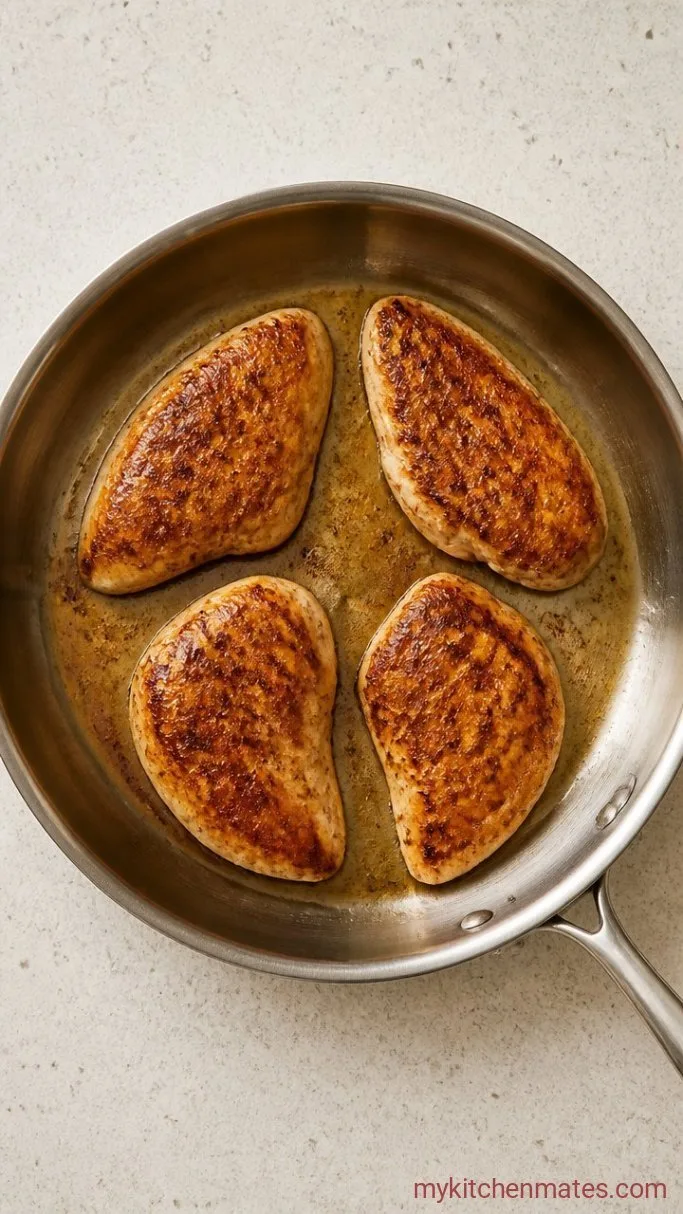
Heat the olive oil in a large skillet over medium-high heat until it shimmers. Lay the floured chicken breasts in the pan, leaving space between them. Cook for about 5 minutes per side, until deeply golden and the internal temperature reaches 165°F (74°C).
The crust will crackle and brown, and you’ll smell a toasty, savory aroma. If the pan starts to smoke too much, lower the heat slightly. Transfer the chicken to a plate and tent loosely with foil.
Step 4: Simmer the Pan Sauce
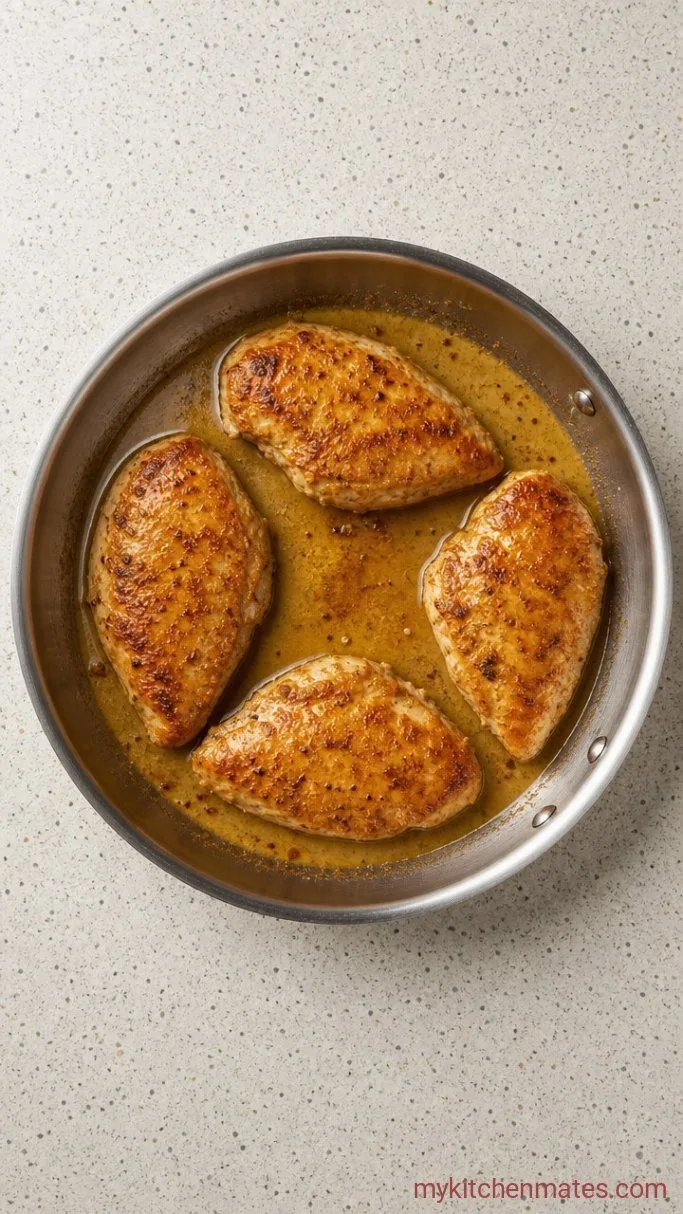
Reduce the heat to medium and melt the butter in the same skillet. Pour in the reserved 1/4 cup buttermilk mixture and the lemon juice, stirring and scraping up all the browned bits from the bottom of the pan. Let the sauce bubble gently for about 2 minutes, until it thickens just enough to coat a spoon.
The sauce will turn creamy with little brown specks and smell bright and buttery. Taste it and add a pinch more salt if needed.
Step 5: Slice and Spoon Over the Sauce
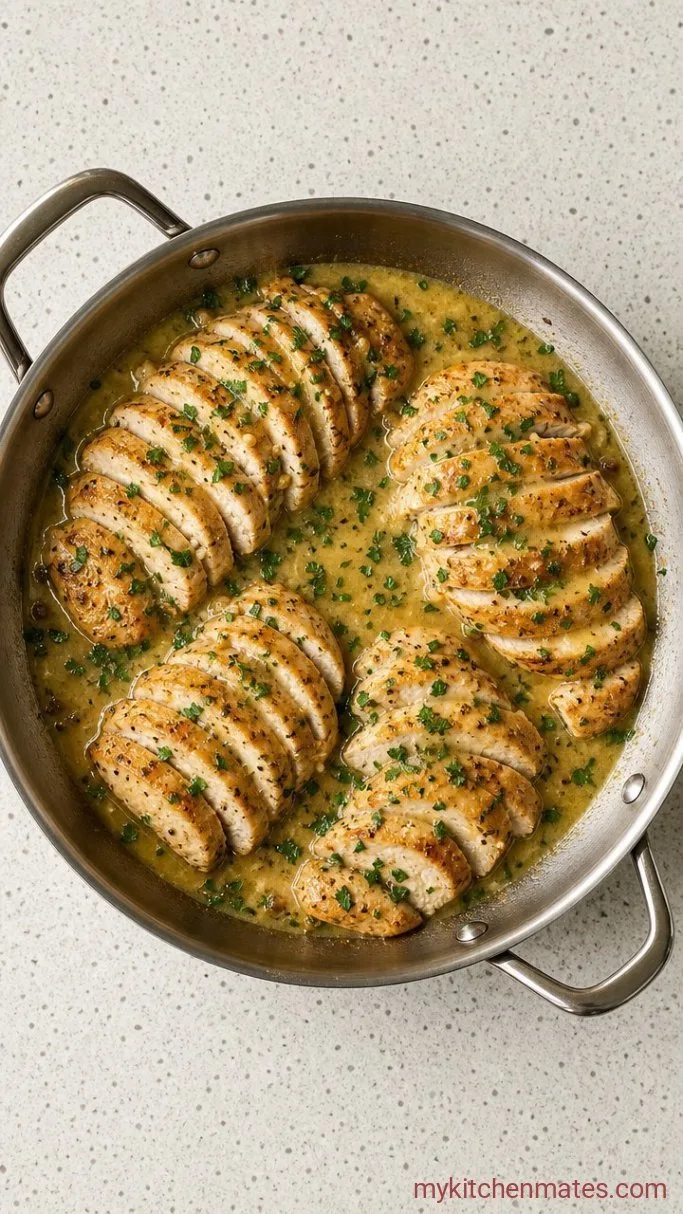
Arrange the sliced chicken breasts against the grain on plates. Spoon the warm pan sauce over the top and scatter the chopped parsley.
The sauce pools around the slices, catching the light and making everything look glossy. Serve right away while the crust is still crisp.
Tips for the Best Pan-Seared Chicken
- A heavy skillet, like cast iron or stainless steel, gives an even sear that won’t burn. Avoid nonstick if you want that deep brown crust.
- If you are concerned about using marinade that touched raw chicken, simply set aside 1/4 cup of fresh buttermilk when you measure it out and use that for the sauce instead.
- If the chicken breasts are very thick, pound them to an even 1/2‑inch thickness before marinating. They cook faster and more evenly that way.
Cook times by thickness:
| Thickness | Cook Time per Side |
|---|---|
| 1/2 inch | 3 to 4 minutes |
| 3/4 inch | 5 to 6 minutes |
| 1 inch | 7 to 8 minutes |
Storing Leftovers
- Refrigerate: Store cooked chicken and sauce together in a sealed container for up to 3 days.
- Reheating: Warm gently in a skillet over medium-low heat with a splash of water or broth to keep the meat moist. You can also slice it cold for salads.
What to Serve with Buttermilk Chicken Breast
A simple arugula salad with lemon vinaigrette cuts through the richness of the pan sauce. Creamy mashed potatoes or buttered egg noodles soak up every last drop. Steamed green beans with a little garlic finish the plate without competing.
Frequently Asked Questions
Can I use chicken thighs instead?
Yes, boneless skinless thighs work well. They may need a minute or two longer per side to reach 165°F.
Why did my flour coating fall off in the pan?
That usually happens if the chicken was too wet before dredging or if the pan wasn’t hot enough when the meat went in. Let excess marinade drip off and wait for the oil to shimmer.
Can I bake this instead of pan-searing?
You can. Arrange the floured chicken on a lined baking sheet, drizzle with a little oil, and bake at 400°F for about 20 to 25 minutes, flipping halfway. You won’t get the same crust, but the chicken stays juicy.
Buttermilk Chicken Breast Recipe
Ingredients
Method
- Whisk buttermilk, garlic, salt, pepper, and paprika in a bowl. Add chicken, coat well, and refrigerate 30 minutes to 4 hours.
- Remove chicken, reserving 1/4 cup marinade. Season flour with a pinch of salt and pepper, then lightly coat each breast.
- Heat olive oil in a skillet over medium-high heat. Sear chicken about 5 minutes per side until golden and 165°F internal. Rest on a plate.
- Melt butter in the same skillet over medium heat. Add reserved marinade and lemon juice, scrape up bits, and simmer 2 minutes until slightly thickened.
- Slice chicken against the grain, plate, spoon sauce over, and garnish with parsley.
Notes
