
Brenda Gantt’s Buttermilk Biscuits

A warm biscuit that pulls apart in soft, steamy layers is one of the best things to come out of a Southern kitchen. This is the biscuit Brenda Gantt has taught for years, and it works because of just a handful of honest ingredients and a light hand with the dough.
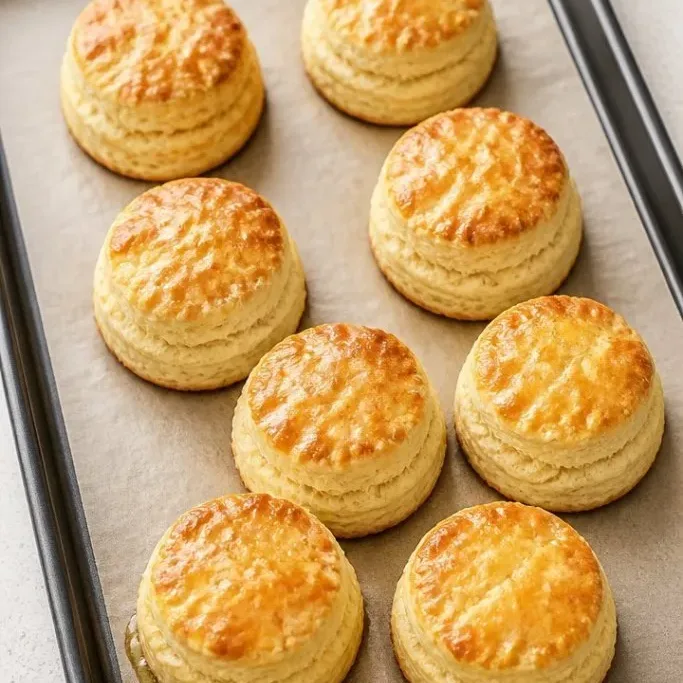
What Makes Brenda’s Biscuits So Good
The crumb is tender, not dry, with a faint tang from real buttermilk. There are no tricks, just the right flour and very cold fat.
That low-protein White Lily flour keeps the biscuits light instead of dense, and cutting the lard in by hand gives you control over the texture. You get flaky pockets and a butter-crisp bottom every time.
Ingredients
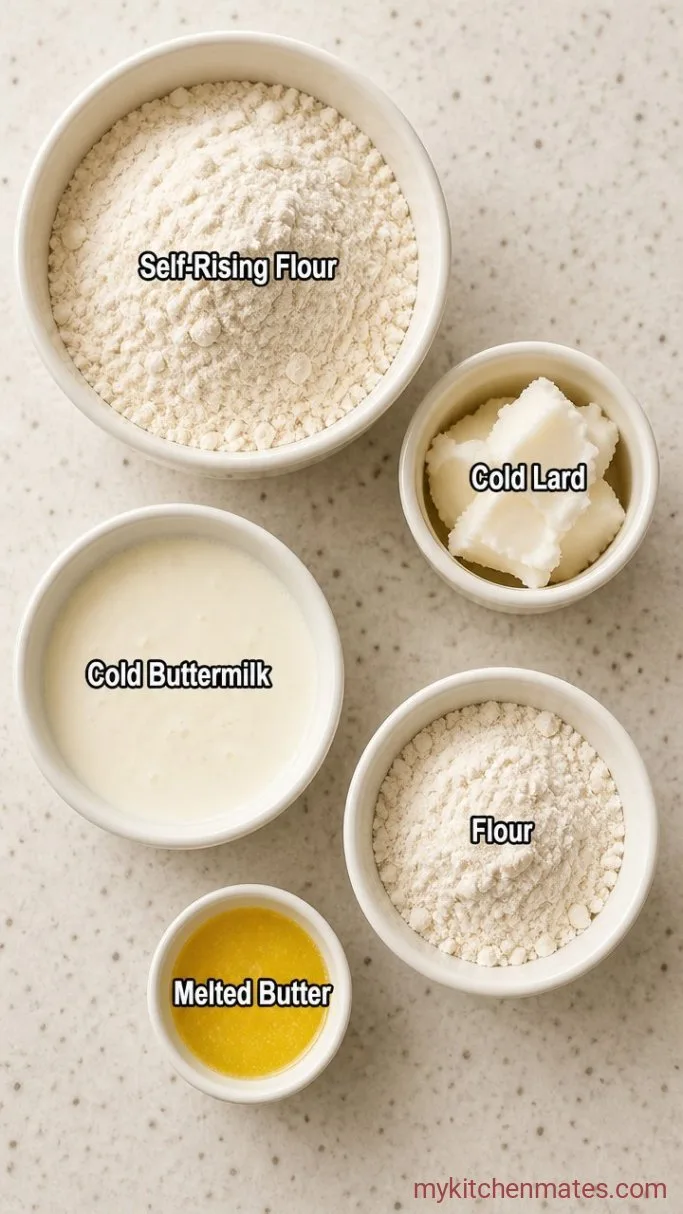
- 2 cups White Lily self-rising flour: this soft winter wheat flour makes the biscuits tender; you can use another brand of Southern-style self-rising flour or make your own with 2 cups all-purpose flour, 1 tbsp baking powder, and 1/2 tsp fine salt
- 1/4 cup cold lard or vegetable shortening: use solid fat straight from the fridge; butter works but the biscuits will spread a little more
- 3/4 to 1 cup cold buttermilk: whole buttermilk gives the best rise and flavor; add it a little at a time so you do not make the dough too wet
- Extra flour for dusting: just enough to keep the dough from sticking
- 2 tbsp melted butter: for brushing the tops right out of the oven
Variations / Substitutions
- Flour: if you cannot find White Lily, use a soft pastry flour or all-purpose flour with half cake flour. Standard all-purpose alone makes a heavier biscuit.
- Fat: cold unsalted butter yields a slightly crisper, more golden biscuit. You can also use half lard and half butter for a balance of flake and flavor.
- Buttermilk: you can clabber 1 cup whole milk with 1 tbsp lemon juice or white vinegar; let it sit 5 minutes before using. The biscuits will be a little less tangy but still tender.
- No self-rising flour?: Mix 2 cups all-purpose flour with 1 tbsp baking powder and 1/2 tsp salt. Sift it twice so the leavening is even.
Ina Garten Tomato Soup goes perfectly with these biscuits for a cozy meal.
How to Make Brenda Gantt’s Buttermilk Biscuits
Step 1: Cut the Fat into the Flour
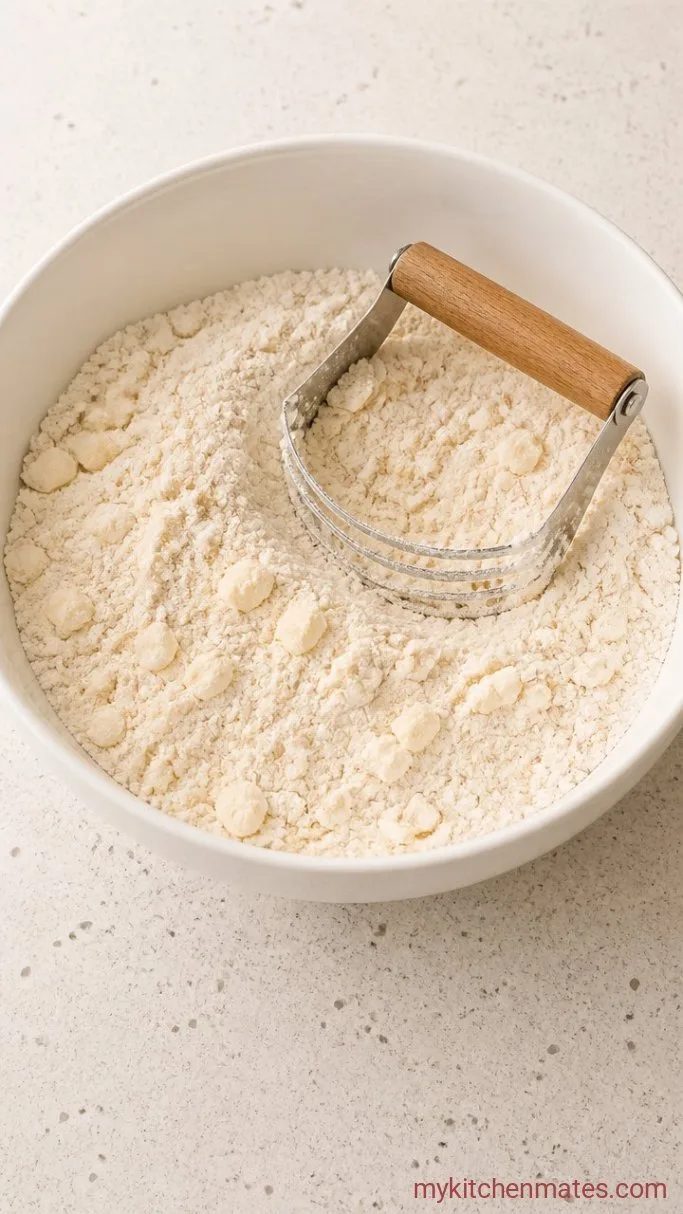
Preheat your oven to 500°F (260°C) and set a rack in the middle. Put the 2 cups of flour into a large mixing bowl. Drop the 1/4 cup of cold lard or shortening right in the center. Use your fingertips or a pastry blender to work it into the flour until the mixture looks like coarse meal with some pea-sized bits. That takes about a minute of quick, light rubbing.
You want visible pieces of fat left in the flour. Those little pockets are what steam up and create flaky layers when the biscuits hit the hot oven. If you overwork it into a fine sand, the crumb will be tight instead of tender.
Step 2: Stir in the Buttermilk
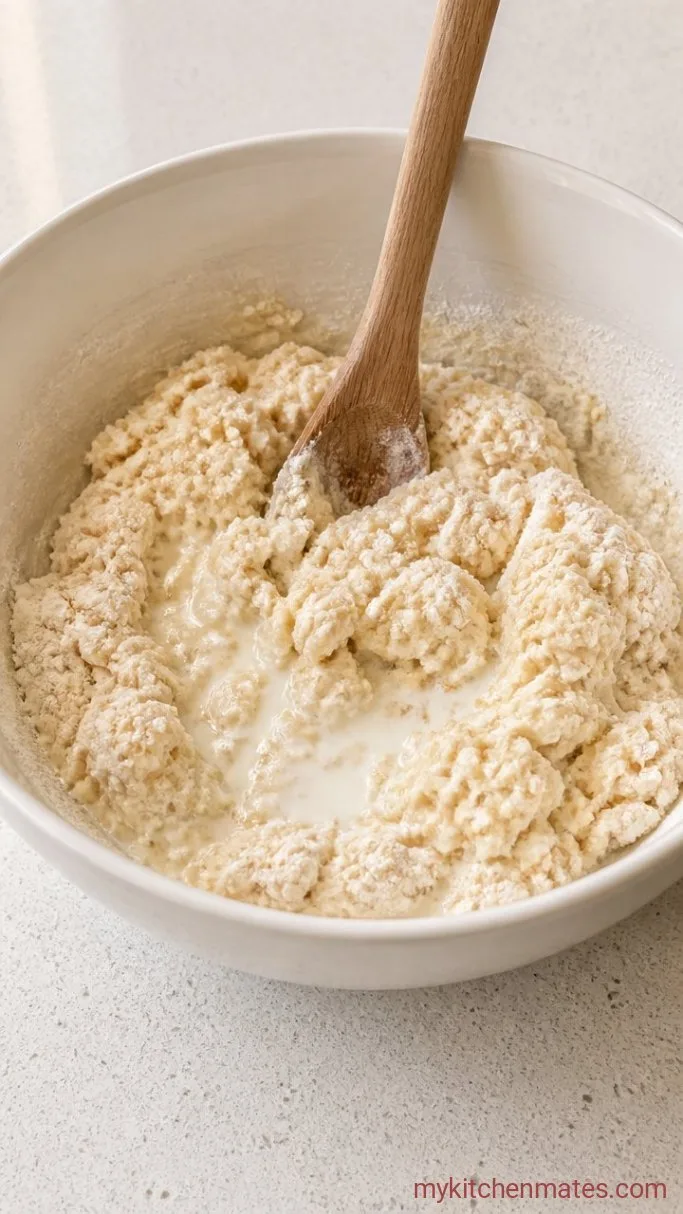
Pour in about 3/4 cup of cold buttermilk and stir with a fork just until the dough starts to come together. It will look shaggy and a little sticky. If there is still dry flour in the bottom of the bowl, add the remaining 1/4 cup buttermilk a tablespoon at a time until the dough holds together when pressed.
Stop as soon as the dough can be gathered into a soft mass. Too much stirring now means tough biscuits. The dough should feel damp but not so wet that it puddles. If you accidentally add too much buttermilk, dust in a spoonful of flour to bring it back.
Step 3: Fold and Pat the Dough
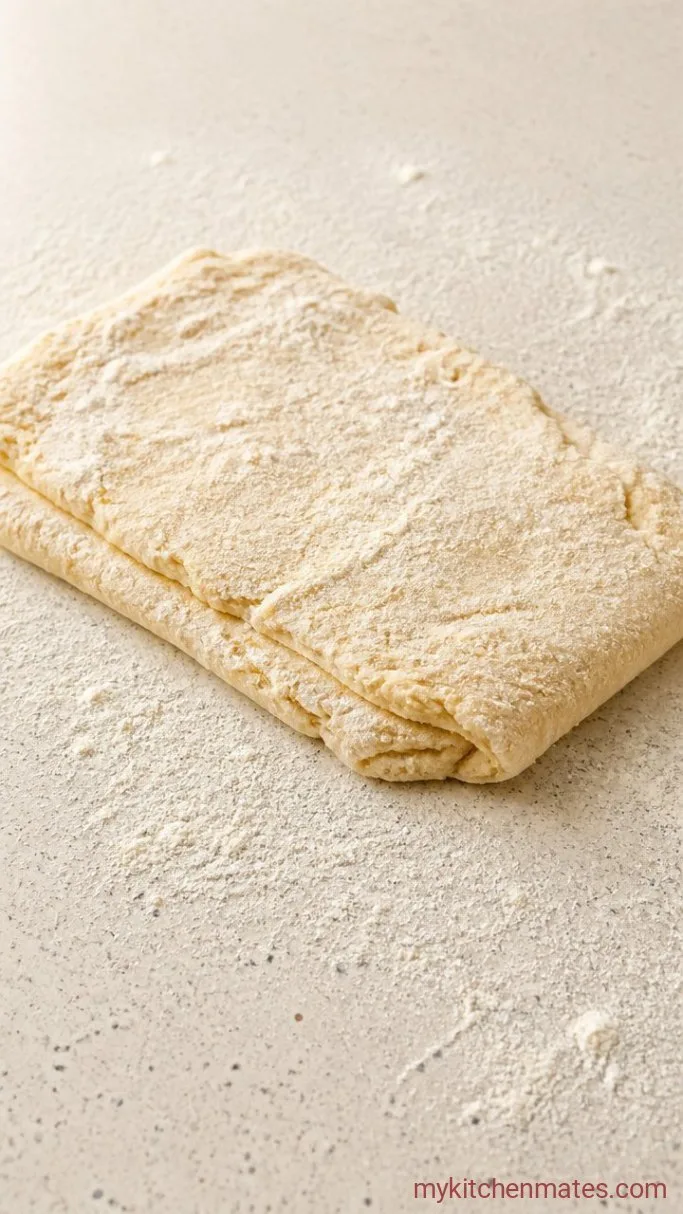
Turn the dough out onto a lightly floured surface. With floured hands, pat it into a rectangle about 1/2 inch thick. Fold it like a letter, bringing one third over the center and the other third on top. Gently pat it out again to about 1/2 inch thick.
That single fold creates the pull-apart layers Brenda is known for. Do not knead or work the dough more than you have to; you are just stacking and flattening. The dough should still feel a little shaggy at the edges.
Step 4: Cut and Bake the Biscuits
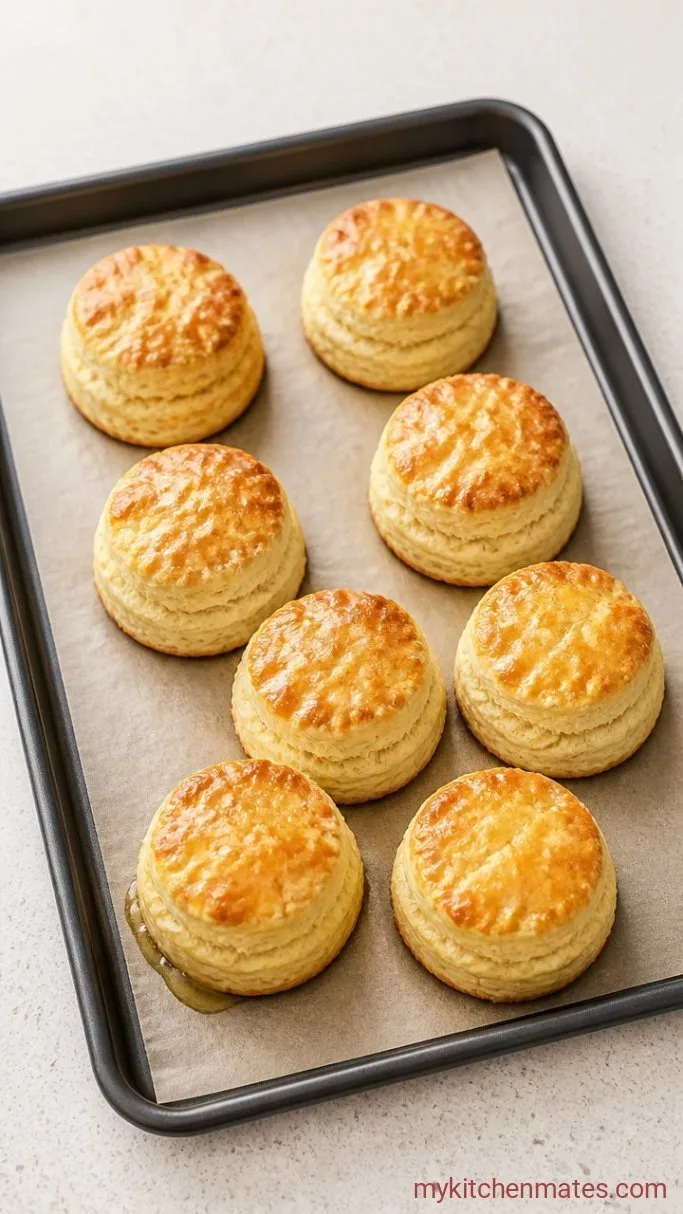
Flour a sharp 2 1/2-inch biscuit cutter and press it straight down through the dough without twisting. Twisting seals the edges and stops the rise. Place the biscuits touching each other on an ungreased baking sheet so they support one another and climb higher.
Bake at 500°F (260°C) for 10 to 12 minutes, until the tops are golden brown and a peek underneath shows a crisp, deeply browned bottom. While they are hot, brush the tops with the melted butter and serve right away.
Tips for the Tallest, Fluffiest Biscuits
- Keep everything cold.: Put the bowl and the flour in the fridge for 10 minutes if your kitchen is warm. Cold fat and cold buttermilk are what give the biscuits their loft.
- Do not twist the cutter.: Plunge it straight down and lift it straight up. The tiniest twist seals the edges and the biscuit will stay squat.
- Place them snug.: Letting the biscuits touch on the pan helps them rise higher because they push against each other instead of spreading outward.
- Use a light hand.: From cutting in the fat to patting the dough, treat it like you are barely handling it. Overworking develops gluten and makes biscuits tough.
- Hot oven, fast bake.: 500°F is high, but that blast of heat creates the steam that pushes the layers apart. Do not open the door until the time is up.
Storing Leftover Biscuits
- Refrigerate: leftover biscuits in a zip-top bag for up to 2 days. They will soften as they sit.
- Reheating: is best in a 350°F oven for 5 to 7 minutes, wrapped loosely in foil. A toaster oven works well too. The microwave makes them leathery, so avoid it.
What Goes Well With These Biscuits
A warm biscuit is a blank canvas. Split one open and spoon on sausage gravy for a classic breakfast, or tuck in a thick slice of country ham. For a quicker option, a smear of soft butter and a spoonful of peach preserves is hard to beat. The biscuit’s slight tang cuts through the sweetness just right.
Frequently Asked Questions
Can I use all-purpose flour instead of self-rising?
You can, but the result will be heavier. Use the substitution in the Variations section and sift the dry ingredients well. The biscuits will still taste good, just not as cloud-light.
Why did my biscuits not rise?
The two most common reasons are twisting the cutter and letting the fat get warm. Also, check that your baking powder is fresh if you are making your own self-rising flour.
Can I freeze unbaked biscuit dough?
Yes. Cut the biscuits, place them on a parchment-lined sheet, and freeze until solid. Transfer to a bag and freeze up to 1 month. Bake from frozen, adding 2 to 3 extra minutes.
Can I make these with butter?
Certainly. Use the same amount of cold butter, cut into small cubes. The biscuits will spread a touch more and the edges will be crispier, but the flavor is lovely.
Brenda Gantt’s Buttermilk Biscuits Recipe
Ingredients
Method
- Preheat oven to 500°F (260°C). Cut cold fat into flour with fingertips until pea-sized bits remain.
- Stir in 3/4 cup buttermilk, adding more gradually until a shaggy dough forms. Do not overmix.
- Turn out onto floured surface, pat into a 1/2-inch rectangle, fold like a letter, and pat again to 1/2-inch thick.
- Cut biscuits straight down without twisting, place touching on an ungreased pan, and bake 10 to 12 minutes until golden. Brush with melted butter and serve hot.
Notes
