
Soft and Gooey Bread Machine Cinnamon Rolls

These cinnamon rolls let your bread machine’s dough cycle do all the mixing, kneading, and first rise. You roll, fill, and bake. The result is the softest, stickiest pan of cinnamon rolls you’ll ever pull out of your oven with hardly any effort.
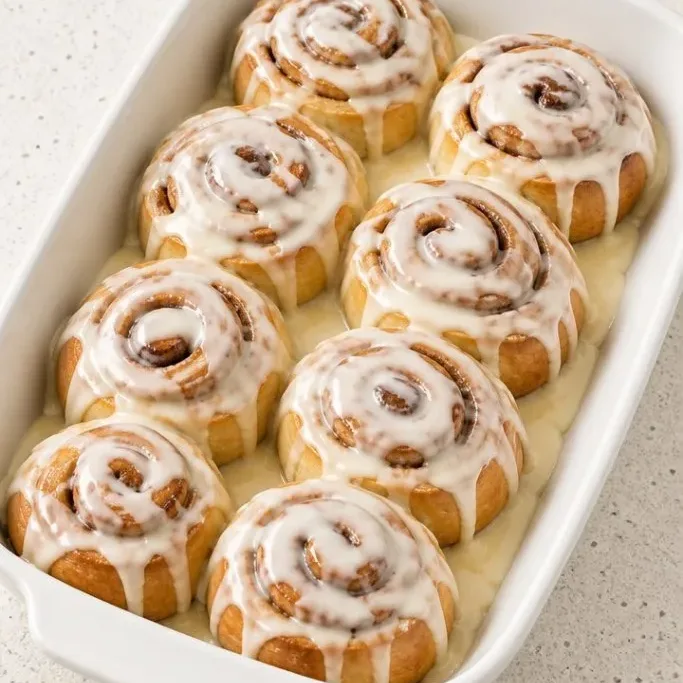
What Makes These Cinnamon Rolls So Good
The dough cycle gives you a perfectly risen, silky dough without overworking it. That means the rolls stay light and pillowy instead of dense.
A generous swirl of cinnamon and dark brown sugar melts into every layer as they bake. The cream cheese frosting is tangy and just sweet enough to cut through the richness, so each bite feels balanced instead of cloying.
Ingredients
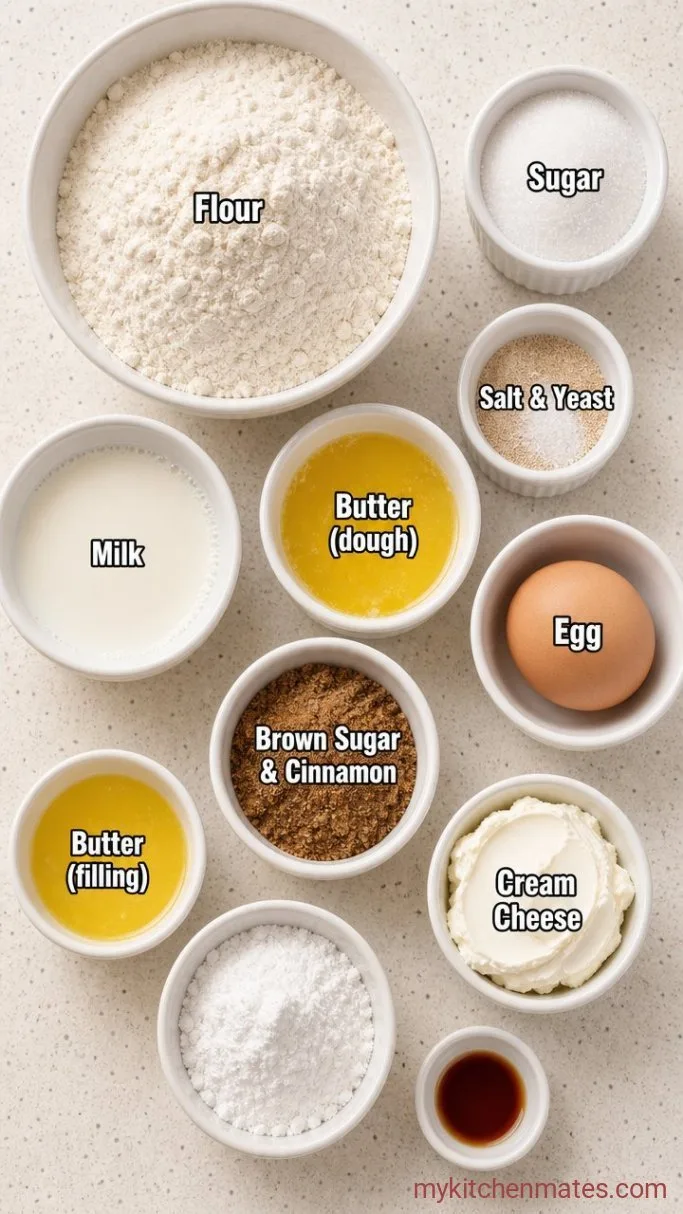
- 3 cups all-purpose flour: spooned and leveled, plus extra for rolling
- 1/4 cup granulated sugar
- 1 tsp salt
- 2 1/4 tsp instant or bread machine yeast: one standard packet
- 1/2 cup whole milk, warmed to about 110°F
- 1/4 cup unsalted butter, melted and cooled slightly
- 1 large egg, at room temperature
- 1/2 cup packed dark brown sugar: for the filling
- 2 tbsp ground cinnamon
- 3 tbsp unsalted butter, melted: for spreading on the dough
- 4 oz cream cheese, softened: for the frosting
- 1/4 cup unsalted butter, softened: for the frosting
- 1 cup powdered sugar
- 1/2 tsp vanilla extract
- 1-2 tbsp milk: as needed for spreading consistency
Variations / Substitutions
- Active dry yeast instead of instant: dissolve it in the warm milk with a pinch of sugar and let it foam for 5 minutes before adding to the machine.
- Maple frosting: swap the vanilla extract for 1 tsp maple syrup.
- Add nutmeg: stir 1/4 tsp into the cinnamon sugar blend for a little warmth.
- Dairy-free option: use oat milk, vegan butter sticks, and a vegan cream cheese alternative. The dough will still be soft.
Lemon Gooey Butter Cake goes perfectly with these cinnamon rolls when you want something sweet.
How to Make Bread Machine Cinnamon Rolls
Step 1: Load Your Bread Machine
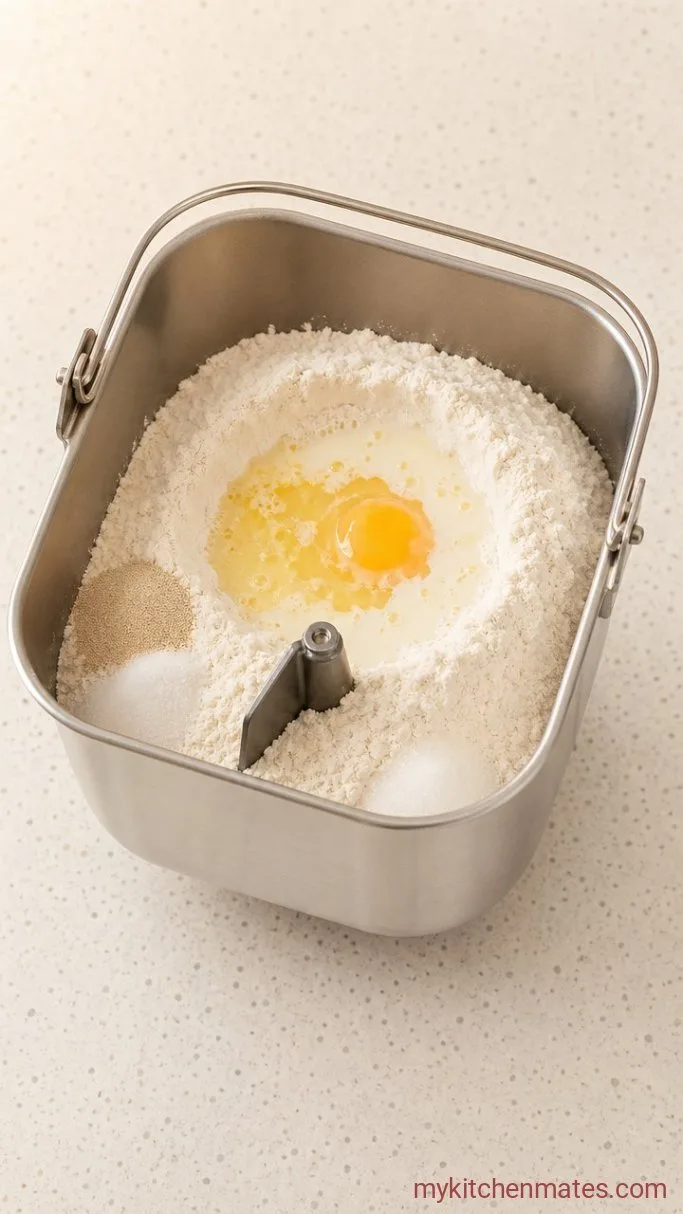
Pour the warm milk, melted butter, and egg into the bread machine pan. Add the sugar, salt, and flour on top, then make a small well in the center and spoon in the yeast. Lock the pan into the machine, select the dough cycle, and press start.
The dough will look shaggy during the first few minutes of kneading. By the end of the cycle, about 90 minutes later, it should be smooth, elastic, and doubled in size. A quick poke with a floured finger should leave an indent that springs back slowly.
Step 2: Roll and Fill the Dough
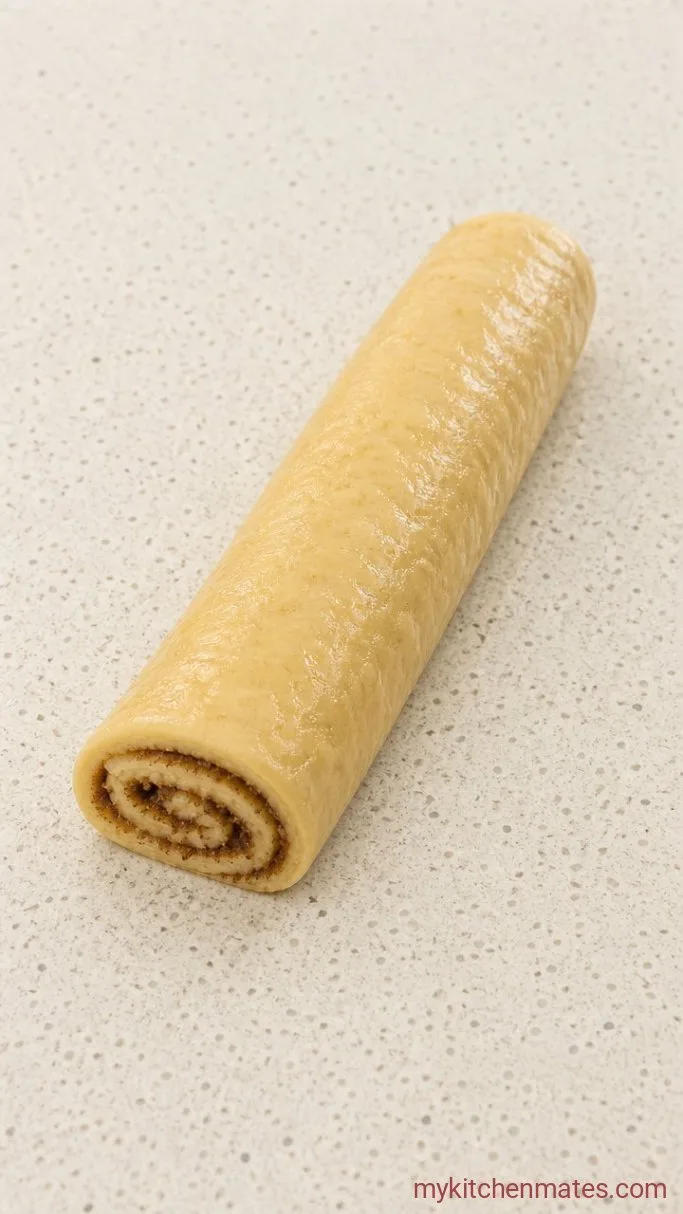
Turn the finished dough out onto a lightly floured surface. Use a rolling pin to stretch it into a rectangle about 12 inches long by 9 inches wide, roughly 1/4 inch thick. Spread the 3 tbsp melted butter all the way to the edges, then sprinkle the brown sugar and cinnamon evenly across the whole surface.
The cinnamon will absorb the butter and turn into a dark, fragrant paste. Work quickly while the dough is still slightly warm and easy to handle; cold dough can tear when you roll it.
Step 3: Cut and Let Them Rise
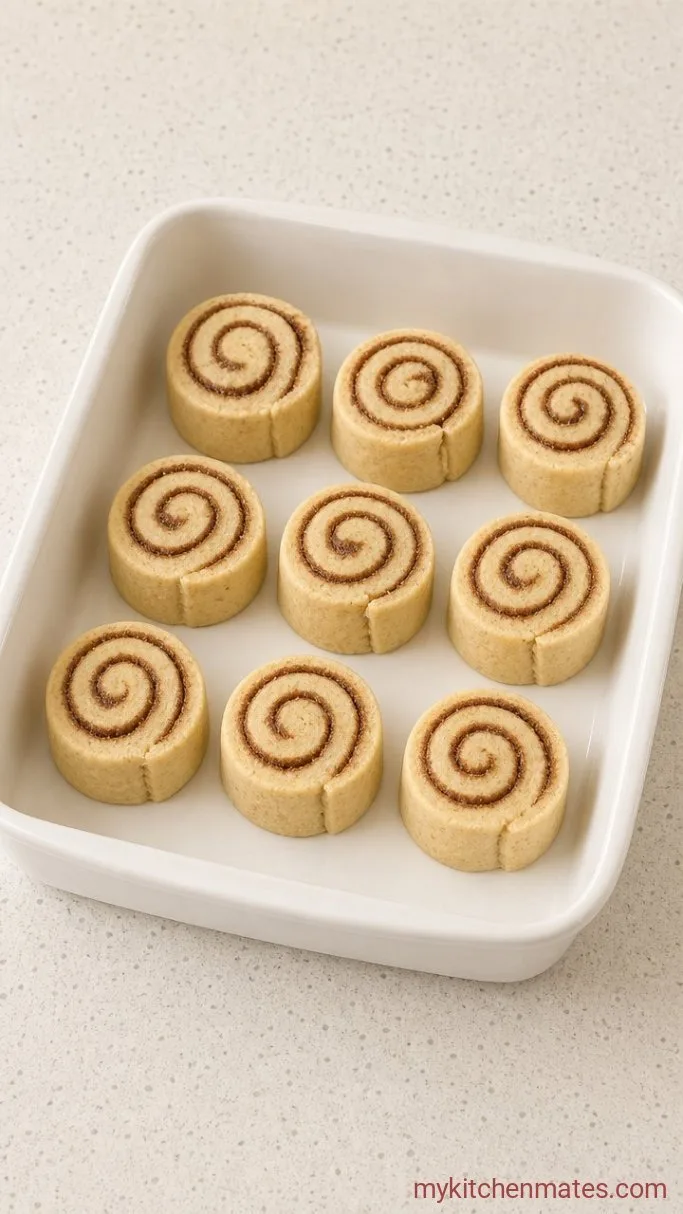
Starting from one long side, roll the dough up tightly into a log. Pinch the seam to seal it. Slide unflavored dental floss or a sharp serrated knife under the log and slice it into 12 even pieces. Arrange the rolls cut-side up in a greased 9×13-inch baking dish, tucking them so they just touch each other. Cover loosely with a clean kitchen towel and let them rise in a warm spot until puffy and almost doubled, 30 to 45 minutes.
Don’t rush this second rise; if you do, the centers will be dense. You’ll know they’re ready when the sides are touching and a gentle press leaves a slight indentation.
Step 4: Bake the Rolls
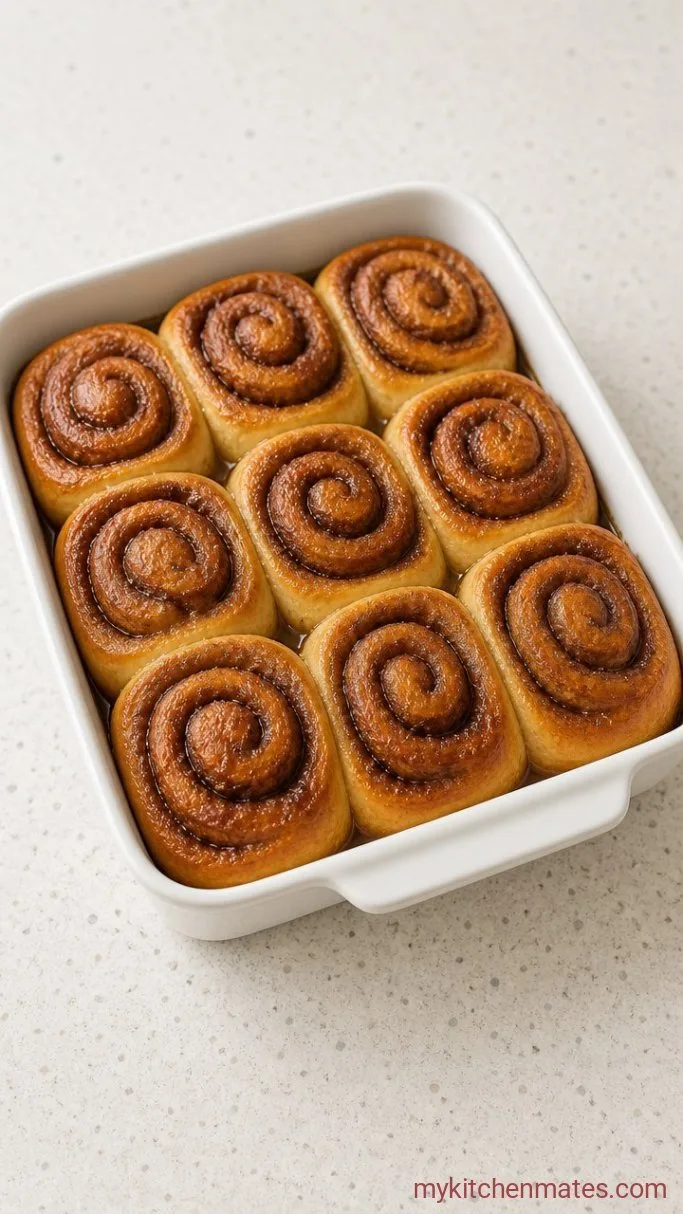
While the rolls rise, position a rack in the middle of your oven and preheat it to 350°F (175°C). Once they’re puffy, slide the dish into the hot oven. Bake for 20 to 22 minutes, until the tops are golden brown and the filling is bubbling around the edges.
Check at the 20-minute mark. Overbaking will dry them out, so pull the pan as soon as the centers look set and no longer doughy when you gently separate two rolls with a fork.
Step 5: Frost and Serve
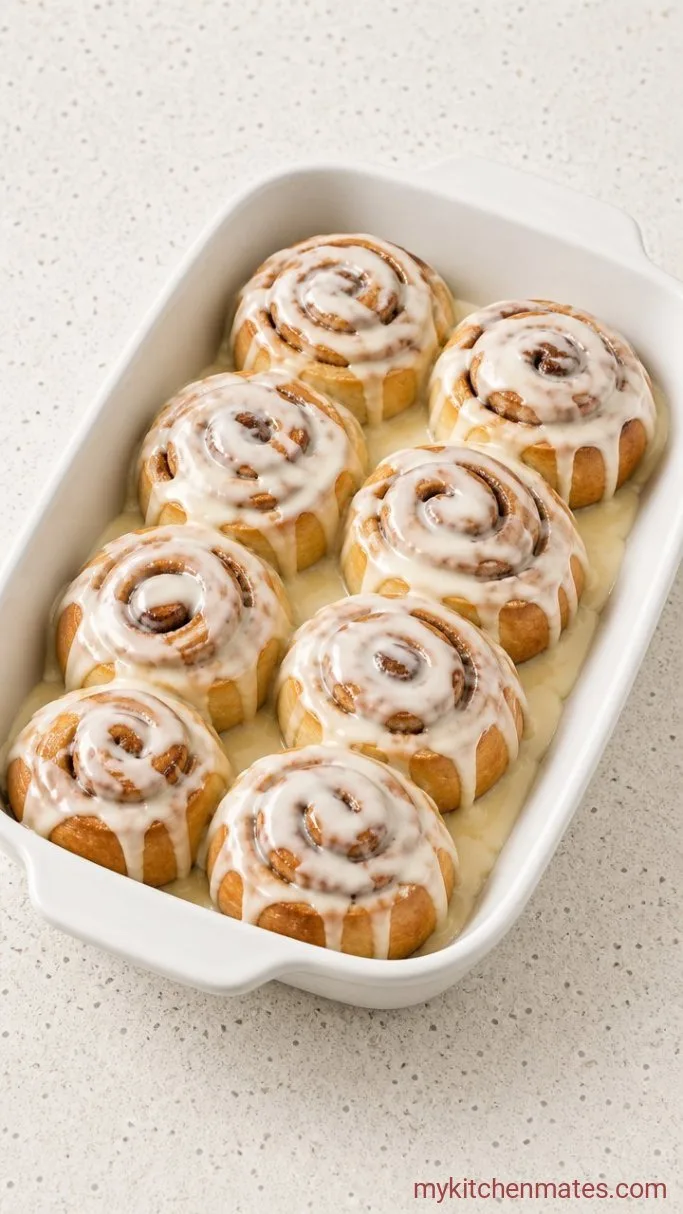
Beat the softened cream cheese and butter together until smooth, then mix in the powdered sugar, vanilla, and a tablespoon of milk. Add a little more milk if needed until the frosting is spreadable but not runny. Let the rolls cool in the pan for 5 minutes, then spread the frosting over the top while they’re still warm. Serve right away.
The frosting will melt into every crevice, giving you that glossy, gooey top that makes sticky cinnamon rolls irresistible.
A Few Notes Before You Start
- Flour matters: Don’t scoop flour directly with the cup; it compacts and will make the dough dry. Spoon it into the measuring cup and level it off with a knife.
- Proof active dry yeast first: If that’s all you have, dissolve it in the warm milk with a pinch of sugar and wait until foam appears before adding it to the machine.
- Make the frosting ahead: It keeps well in the fridge for a day. Just let it sit at room temperature for 20 minutes so it spreads easily.
Keeping Leftover Rolls Fresh
- Refrigerate: Store any leftover rolls in an airtight container in the fridge for up to 3 days.
- Reheating: Warm individual rolls in the microwave for 20 to 30 seconds, or reheat a whole pan in a 300°F oven for 10 minutes covered with foil.
- Freezing: Freeze unfrosted, completely cooled rolls in a single layer on a tray, then transfer them to a freezer bag for up to 2 months. Thaw at room temperature, warm, and frost.
What to Serve with These Cinnamon Rolls
A mug of hot coffee with a splash of cream balances the sweetness. A small bowl of fresh berries or a sliced crisp apple adds acidity and cuts through the richness. For a brunch spread, set out a pitcher of cold brew and a simple egg scramble.
Frequently Asked Questions
Can I make these without a bread machine?
Yes. Mix and knead the dough by hand or with a stand mixer until smooth, then let it rise in a covered bowl until doubled. The texture will be just as tender.
Can I let the dough rise overnight?
Yes. After the dough cycle finishes, punch the dough down, cover it tightly, and refrigerate for up to 12 hours. Let it come to room temperature before you roll it out.
Why didn’t my rolls rise during the second rise?
The most common culprit is expired yeast or liquid that was too hot and killed it. Keep the milk between 105°F and 110°F, and test your yeast if it’s been in the pantry for a while.
Can I freeze the unbaked rolls?
Yes. Freeze the cut rolls on a tray until solid, then transfer to a bag. To bake, thaw them in the baking dish overnight in the fridge, let them come to room temperature and rise for about an hour, then bake as directed.
Bread Machine Cinnamon Rolls Recipe
Ingredients
Method
- Load the bread machine with the milk, melted butter, egg, sugar, salt, flour, and yeast in the order your machine’s manual recommends. Run the dough cycle.
- Turn the finished dough onto a floured surface and roll it into a 12×9-inch rectangle. Spread the 3 tbsp melted butter over the dough and sprinkle with brown sugar and cinnamon.
- Roll up tightly from a long side, pinch the seam, and cut into 12 slices. Place them in a greased 9×13-inch dish, cover, and let rise until puffy, 30 to 45 minutes.
- Preheat the oven to 350°F (175°C). Bake for 20 to 22 minutes until golden.
- Let the rolls cool 5 minutes, then beat the cream cheese, butter, powdered sugar, vanilla, and milk until smooth and spreadable. Frost the warm rolls and serve.
Notes
