
11 Asian Sweet Potato Recipes That Keep Weeknights Interesting

Asian sweet potato recipes get their edge from one thing: the dense, honeyed root soaks up salty glazes, chile pastes, and coconut milk without going mushy. Roasting keeps the edges caramelized, stir frying gives you bite, and slow simmering turns the middle creamy. These eleven versions take that same foundation in eleven genuinely different directions.
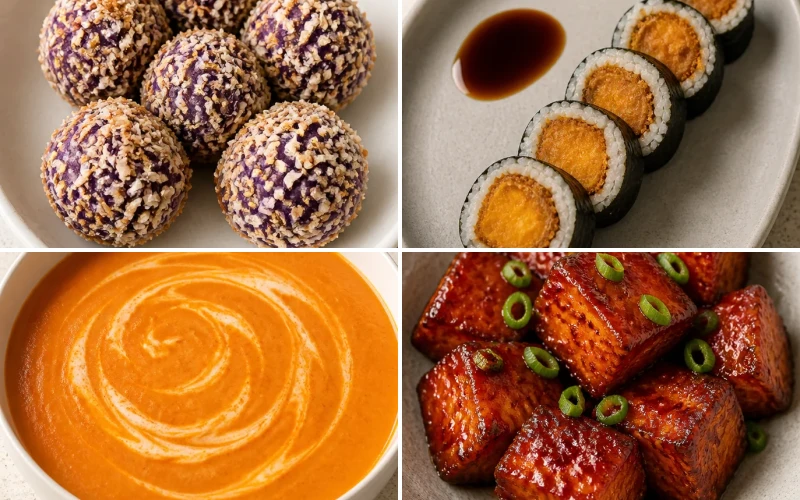
Start with Miso Maple Roasted Sweet Potatoes for a simple side, or go straight to Gochujang Glazed Sweet Potato Skillet if you wanted sticky heat. Thai Red Curry Sweet Potato Soup is the one to double for lunches, and Purple Sweet Potato Coconut Bites are there when you need something cool and sweet.
Which Asian Sweet Potato Recipe Should You Make?
| Recipe | Flavor profile | Best for |
|---|---|---|
| Miso Maple Roasted Sweet Potatoes | Sweet, savory, nutty | A classic make-ahead side |
| Gochujang Glazed Sweet Potato Skillet | Spicy, sticky, smoky | Weeknight heat seekers |
| Japanese Sweet Potato Korokke | Crisp, creamy, lightly sweet | Weekend frying project |
| Thai Red Curry Sweet Potato Soup | Coconut-rich, spicy, bright | A warm make-ahead dinner |
| Soy Garlic Sweet Potato Stir Fry | Salty, garlicky, green | Fast stir fry night |
| Korean Sweet Potato Noodle Japchae | Sesame-savory, chewy, mild | Gluten free noodles |
| Crispy Sweet Potato Sushi Rolls | Crunchy, umami, fresh | No raw fish lunch |
| Sweet Potato Chickpea Katsu Curry | Golden, spiced, hearty | A premium centerpiece dinner |
| Air Fryer Five Spice Sweet Potato Wedges | Warm-spiced, crisp, light | Quick air fryer snack |
| Lemongrass Caramelized Sweet Potatoes | Sticky, citrusy, peppery | A bold side or rice bowl |
| Purple Sweet Potato Coconut Bites | Creamy, floral, lightly sweet | A make ahead dessert |
Miso Maple Roasted Sweet Potatoes
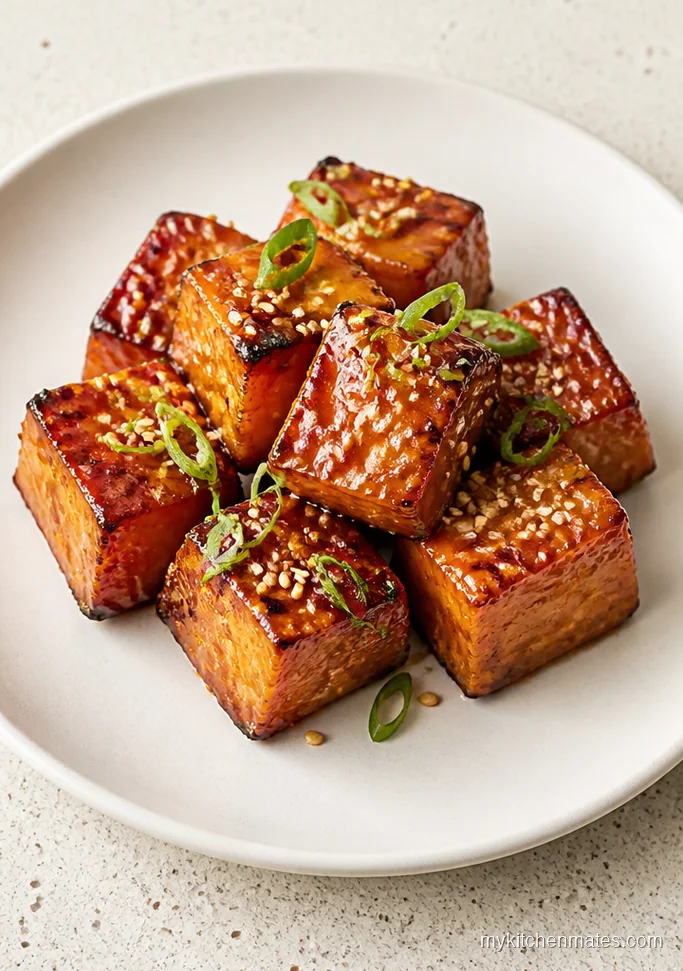
This is the one I make most often when I need a side that can hold its own next to rice and a simple protein. White miso and maple coat the wedges in a salty-sweet glaze that turns dark at the corners.
Ingredients (makes 6 servings)
- Sweet potatoes, any orange fleshed variety: 1.4 kg (3 lb)
- White miso: 60 g (1/4 cup)
- Maple syrup: 60 ml (1/4 cup)
- Neutral oil, such as sunflower: 30 ml (2 tbsp)
- Rice vinegar: 15 ml (1 tbsp)
- Garlic, grated: 3 cloves
- Toasted sesame seeds: 1 tbsp, for finishing
- Thinly sliced scallions: 2, for serving
Instructions
Step 1: Heat your oven to 220C (425F). Cut the 1.4 kg sweet potatoes into wedges about 1.5 cm (3/4 in) thick, leaving the skin on if you like crisp edges. Toss them in a large bowl with the 30 ml oil and a pinch of salt, then spread them on two parchment lined trays so they are not crowded.
Step 2: Whisk the 60 g miso, 60 ml maple syrup, 15 ml rice vinegar, and grated garlic in a small bowl. The mixture will be thick and glossy. You can add 1 tsp warm water if it clings too much to the spoon.
Step 3: Pull the trays out after 20 minutes and drizzle the miso mixture over the wedges, then use your spatula to turn them until every piece is coated. You’ll return the trays to the oven, rotate their positions, and roast 12 to 15 minutes more, and pull them when the thickest wedge goes soft in the middle and the edges look deeply caramelized.
Step 4: You’ll sprinkle with the 1 tbsp sesame seeds and the sliced scallions while the wedges are still hot. Serve them right away, scooping any sticky bits from the pan over your plates.
Gochujang Glazed Sweet Potato Skillet
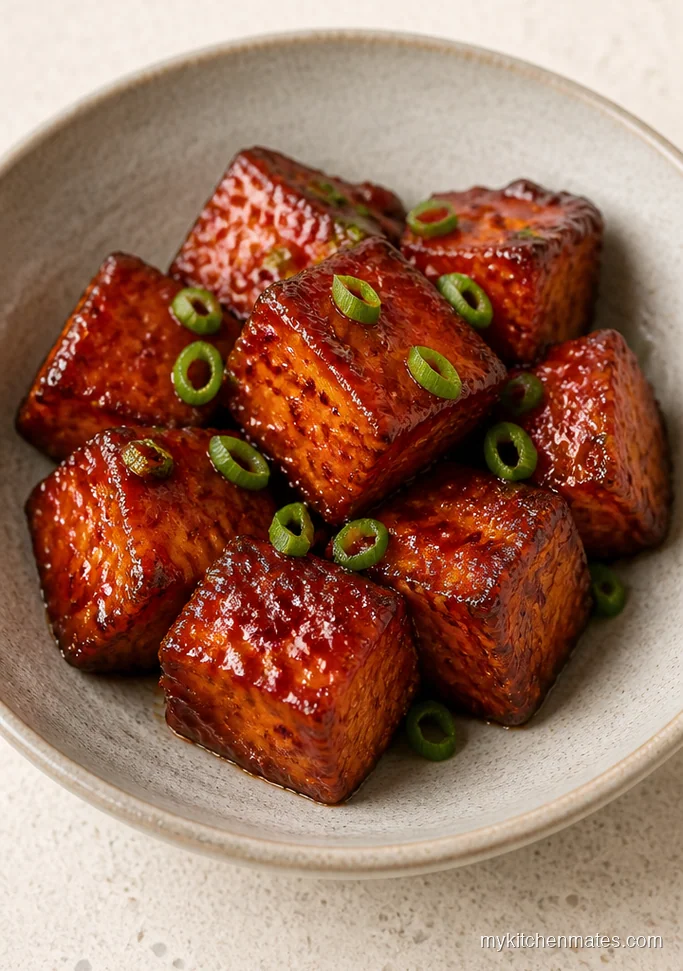
When I want a quick sweet potato dish with real backbone, this is where I go. The gochujang glaze sets in the pan, so every piece gets a sticky, crimson shell.
Ingredients (makes 4 servings)
- Sweet potatoes, cut into 2.5 cm chunks: 800 g (1.75 lb)
- Neutral oil: 45 ml (3 tbsp)
- Water: 120 ml (1/2 cup)
- Gochujang: 45 g (3 tbsp)
- Low sodium soy sauce: 30 ml (2 tbsp)
- Brown sugar: 1 tbsp
- Garlic, grated: 3 cloves
- Ginger, grated: 1 tsp
- Toasted sesame oil: 1 tsp
- Sliced scallions: 2, to serve
Instructions
Step 1: Warm the 45 ml neutral oil in a large nonstick skillet over medium high heat. Add the 800 g sweet potato chunks in a single layer, then cook, turning every 2 minutes, for 8 minutes total. The chunks should show browned edges while the centers stay firm.
Step 2: Pour in 120 ml water, cover the skillet, and lower your heat to medium. Let the chunks steam for 7 minutes, then test one, a fork should slide in with a little resistance. You can add a splash more water if the pan goes dry before that.
Step 3: You’ll whisk together the 45 g gochujang, 30 ml soy sauce, 1 tbsp brown sugar, grated garlic, and grated ginger in a small bowl. Uncover your skillet and pour this over the sweet potatoes, then fold everything with a spatula.
Step 4: Cook uncovered for 2 to 3 minutes, turning the chunks often, as the glaze thickens and coats every side. The pan will smell sweet and spicy right before the sauce starts to catch, so you will want to keep the chunks moving.
Step 5: Turn off the heat and drizzle the 1 tsp sesame oil over the top. Scatter the sliced scallions over your glazed sweet potatoes and serve them hot, straight from the skillet.
Japanese Sweet Potato Korokke
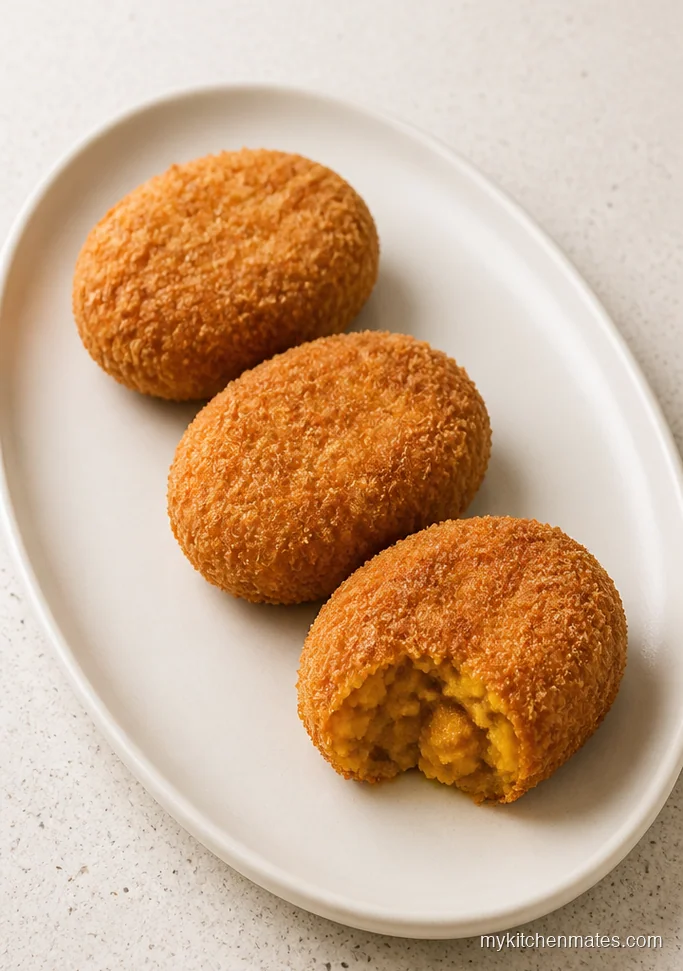
These croquettes take a little extra time, and they are worth every minute. The outside shatters, the inside stays creamy, and the curry powder gives the sweetness a warm, savory edge.
Ingredients (makes 12 korokke)
- Sweet potatoes, peeled and chopped: 900 g (2 lb)
- Yellow onion, finely diced: 1 large
- Butter: 30 g (2 tbsp)
- Curry powder: 2 tsp
- Fine salt: 1 tsp
- All-purpose flour: 40 g (1/3 cup)
- Eggs, beaten: 2
- Panko breadcrumbs: 80 g (1 cup)
- Neutral oil, for frying: 500 ml (2 cups)
Instructions
Step 1: Put your 900 g peeled and chopped sweet potatoes in a pot and cover them with cold water by about 2.5 cm. Bring to a boil, then lower the heat and simmer for 12 to 15 minutes, until the largest chunks break apart when you poke them with a fork.
Step 2: You’ll drain the potatoes well and let them sit in the colander for a minute. Melt the 30 g butter in a small skillet over medium heat, add the diced onion, and cook for 6 minutes, until the onion goes soft and golden. Stir in the 2 tsp curry powder and cook for 30 seconds.
Step 3: Mash the drained sweet potatoes in a large bowl with the onion mixture and 1 tsp salt until creamy but not gummy. Spread this filling on a plate and refrigerate for 20 minutes, so it firms up enough for your hands.
Step 4: You’ll set up three shallow dishes with the 40 g flour, the 2 beaten eggs, and the 80 g panko. Scoop 2 tbsp of the chilled filling per korokke and shape it into 12 oval patties with damp hands. Dip each patty first in the flour, shaking off the extra, then in the egg, then press it into the panko until fully coated.
Step 5: Heat your oil to 180C (350F) in a deep heavy pot. Fry the korokke in batches, 3 or 4 at a time, for about 3 minutes per batch, turning them once, until the outsides are deep golden and crisp. Let each batch drain on paper towels while you keep the oil temperature steady.
Step 6: Serve the korokke hot, maybe with a small bowl of tonkatsu sauce or a squeeze of lemon. The outside should shatter when you bite into it, and the middle stays soft and sweet.
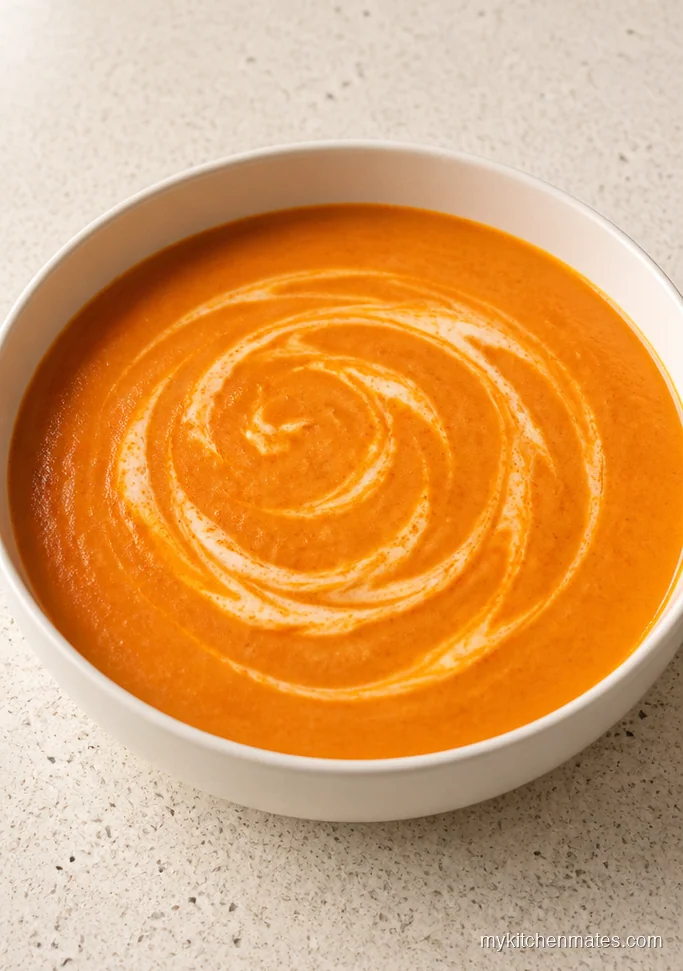
Thai Red Curry Sweet Potato Soup
This soup leans into the natural sweetness of the root and balances it with coconut and lime. I go heavy on the curry paste here, then soften it with a spoonful of brown sugar.
Ingredients (makes 5 servings)
- Sweet potatoes, peeled and cubed: 1.1 kg (2.4 lb)
- Neutral oil: 30 ml (2 tbsp)
- Yellow onion, diced: 1 large
- Garlic, minced: 4 cloves
- Fresh ginger, grated: 1 tbsp
- Thai red curry paste: 60 g (1/4 cup)
- Full fat coconut milk: 400 ml (1 can)
- Vegetable stock: 750 ml (3 cups)
- Lime juice: 2 tbsp
- Soft brown sugar: 1 tsp
Instructions
Step 1: Heat your 30 ml oil in a heavy pot over medium. Add the diced onion and cook for 6 minutes, stirring now and then, until the edges turn translucent. You can add a pinch of salt here to help the onion soften.
Step 2: Add the 4 minced garlic cloves and 1 tbsp ginger, and stir for 45 seconds until the smell rises up sharp. Spoon in the 60 g curry paste and cook it for 1 minute, breaking it apart with your spoon, until the oil starts to separate a little at the edges.
Step 3: You’ll add the 1.1 kg sweet potato cubes, the 400 ml coconut milk, and 750 ml stock. Raise the heat to bring your pot to a gentle boil, then lower it so the liquid barely bubbles. Cover and simmer for 18 to 20 minutes, then press a cube against the side of the pot, it should crush easily.
Step 4: You’ll use an immersion blender in the pot to blend the soup until silky. If you like a thinner soup, add a splash more stock and warm it through. Taste and add 1 tsp brown sugar and the 2 tbsp lime juice, then season with salt.
Step 5: You’ll ladle the soup into wide bowls and top each one with a spoonful of coconut milk from the can. Serve it hot with rice or flatbread on the side.
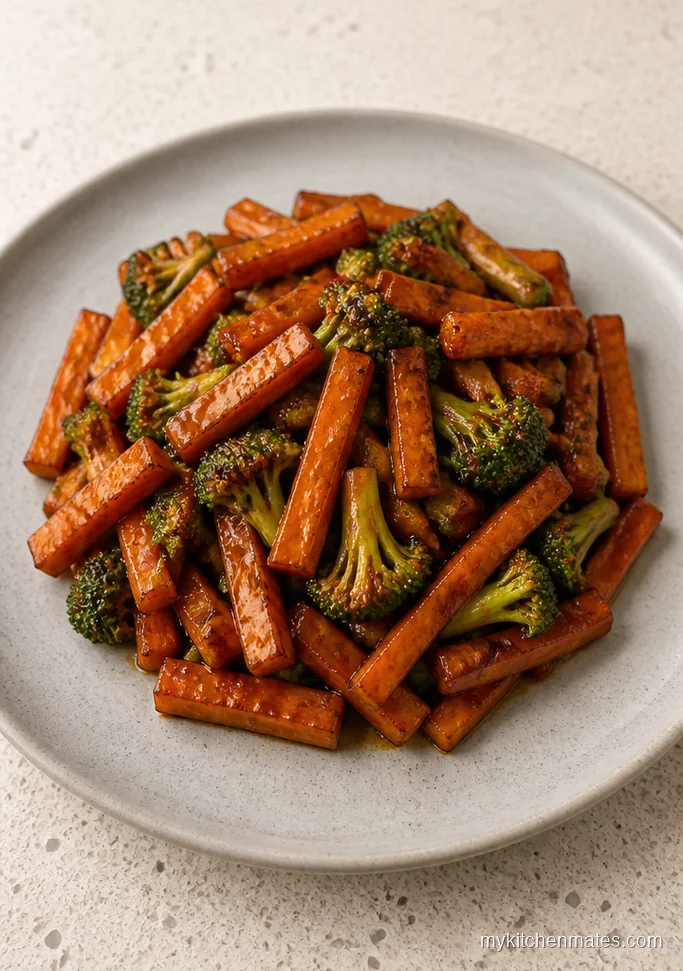
Soy Garlic Sweet Potato Stir Fry
This one is for the fastest night of the week. You’ll get the sweet potatoes crisp in a hot pan, then toss them with broccoli and a glossy soy garlic sauce.
Ingredients (makes 4 servings)
- Sweet potatoes, peeled and cut into matchsticks: 600 g (1.3 lb)
- Broccoli florets: 300 g (5 cups)
- Neutral oil: 45 ml (3 tbsp)
- Garlic, minced: 4 cloves
- Fresh ginger, finely diced: 1 tbsp
- Low sodium soy sauce: 45 ml (3 tbsp)
- Rice vinegar: 15 ml (1 tbsp)
- Brown sugar: 1 tbsp
- Cornstarch: 1 tsp
- Water: 60 ml (1/4 cup)
Instructions
Step 1: Slice your 600 g sweet potatoes into thin matchsticks no thicker than 5 mm. In a small bowl, stir the 45 ml soy sauce, 15 ml rice vinegar, 1 tbsp brown sugar, 1 tsp cornstarch, and 60 ml water until the cornstarch dissolves.
Step 2: Heat 30 ml of the oil in your largest skillet or wok over high heat until it shimmers. Add the sweet potatoes and spread them into a single layer, then cook for 3 minutes without moving them so the undersides brown.
Step 3: You’ll add the remaining 15 ml oil, the 300 g broccoli florets, 4 minced garlic cloves, and 1 tbsp ginger. Stir fry for 2 minutes, tossing constantly, then pour in the sauce. Keep tossing for 30 to 45 seconds more, until the sauce clings and the broccoli turns bright green.
Step 4: Pull your pan off the heat as soon as the sauce looks glossy and thick. Spoon the stir fry over rice or noodles right away, making sure every plate gets some of the sticky sweet potato pieces.
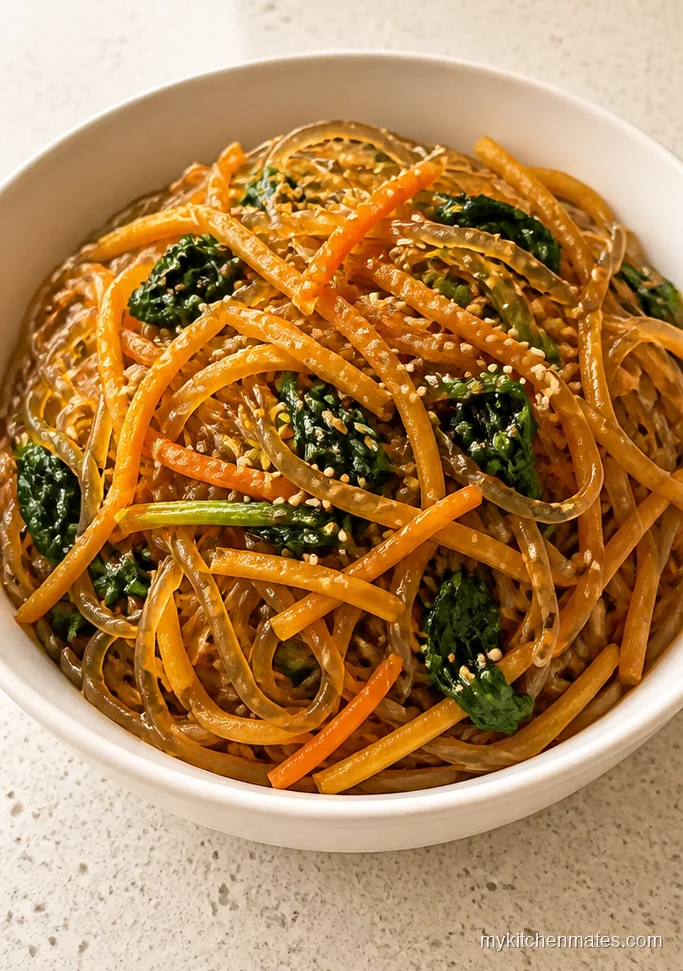
Korean Sweet Potato Noodle Japchae
Japchae is all about the noodles, but those chewy strands are made from sweet potato starch, and the dish hits its best version when you add roasted sweet potato strips.
Ingredients (makes 4 servings)
- Dried sweet potato starch noodles: 250 g (8.8 oz)
- Sweet potatoes, peeled and cut into thin strips: 350 g (12 oz)
- Baby spinach: 150 g (5 cups)
- Carrot, julienned: 1 large
- Neutral oil: 45 ml (3 tbsp)
- Garlic, minced: 3 cloves
- Low sodium soy sauce: 60 ml (1/4 cup)
- Sugar: 1 tbsp
- Toasted sesame oil: 1 tbsp
- Toasted sesame seeds: 1 tbsp
Instructions
Step 1: Bring a large pot of water to a boil. Add the 250 g sweet potato noodles and cook for 6 minutes, then drain and rinse them under cold water. Use your scissors to cut the noodles in a few places so they are easier to toss.
Step 2: You’ll heat 30 ml oil in a large skillet over medium high. Add the 350 g sweet potato strips and cook for 5 minutes, turning them once, until the edges turn golden and a strip bends without snapping.
Step 3: You’ll push the sweet potatoes to one side, add the remaining 15 ml oil, and toss in the carrot, 3 garlic cloves, and 150 g spinach. Stir fry for 2 minutes, until the spinach wilts and the carrot softens slightly.
Step 4: Lower your heat and add the drained noodles, 60 ml soy sauce, and 1 tbsp sugar. Use tongs to lift and fold everything for 2 minutes, until the noodles turn glassy and take on an even brown color.
Step 5: You’ll turn off the heat and drizzle the 1 tbsp sesame oil over the noodles, then scatter the 1 tbsp sesame seeds. Serve the japchae warm or at room temperature, with extra sesame seeds if you have them.
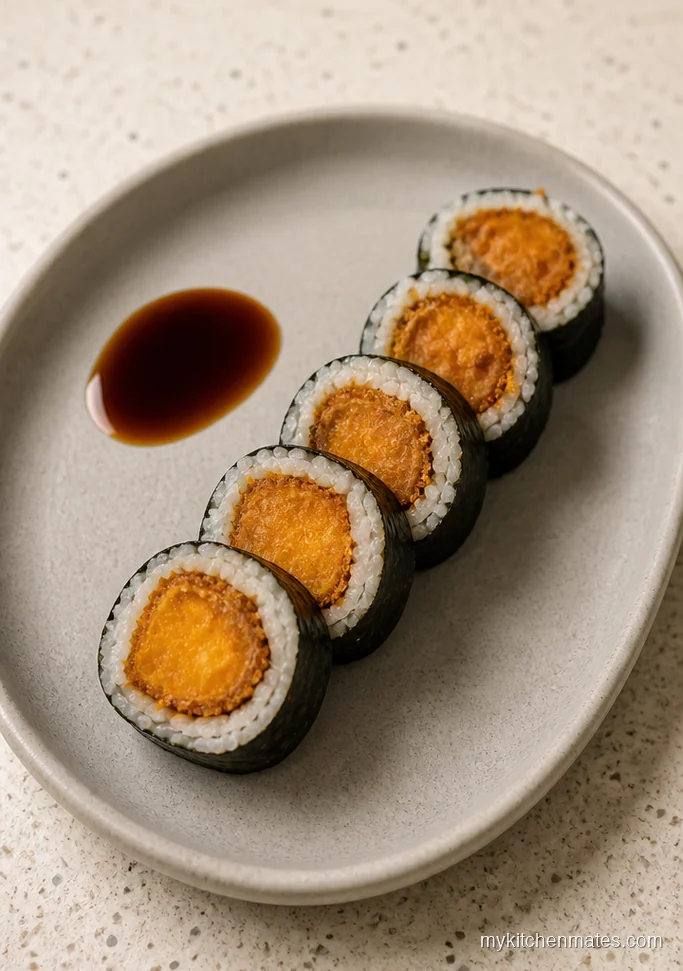
Crispy Sweet Potato Sushi Rolls
These rolls give you sushi night without the raw fish. The sweet potato batons are fried in panko, so they stay crisp against the sticky rice.
Ingredients (makes 3 rolls, about 24 pieces)
- Sushi rice: 300 g (1.5 cups)
- Water: 360 ml (1.5 cups)
- Rice vinegar: 45 ml (3 tbsp)
- White sugar: 1 tbsp
- Fine salt: 1 tsp
- Sweet potatoes, peeled and cut into batons: 450 g (1 lb)
- Panko breadcrumbs: 60 g (2/3 cup)
- Neutral oil, for frying: 240 ml (1 cup)
- Nori sheets: 3
- Low sodium soy sauce, for dipping: 30 ml (2 tbsp)
Instructions
Step 1: Rinse your 300 g sushi rice in cold water until the water runs clear. Put it in a pot with the 360 ml water, bring to a boil, then cover and lower the heat to the gentlest simmer for 12 minutes. Turn off the heat and let the rice sit covered for 10 more minutes.
Step 2: You’ll warm the 45 ml rice vinegar with 1 tbsp sugar and 1 tsp salt just until the sugar dissolves. Fold this into the warm rice with a wooden spoon, then spread the rice on a tray to cool to room temperature. You want it sticky but not hot when you roll.
Step 3: You’ll pat the 450 g sweet potato batons dry. Heat the 240 ml oil to 180C (350F) in a heavy pan. Toss the batons in the 60 g panko a few at a time, pressing so the crumbs stick, then fry them in batches for 3 minutes, until golden and crisp.
Step 4: Lay a nori sheet shiny side down on your bamboo mat, then press about one third of the cooled rice across the lower two thirds of the sheet in an even layer. Leave a bare strip of nori at the top edge.
Step 5: You’ll arrange a third of the crispy sweet potato in a line across the rice. Lift the mat edge closest to you and roll the sheet over the filling, tucking it tight, then keep rolling to seal with the bare nori.
Step 6: You’ll repeat with the remaining two sheets, then let the rolls rest for 2 minutes. Use a wet knife to cut each roll into 8 pieces and serve with the 30 ml soy sauce for dipping.
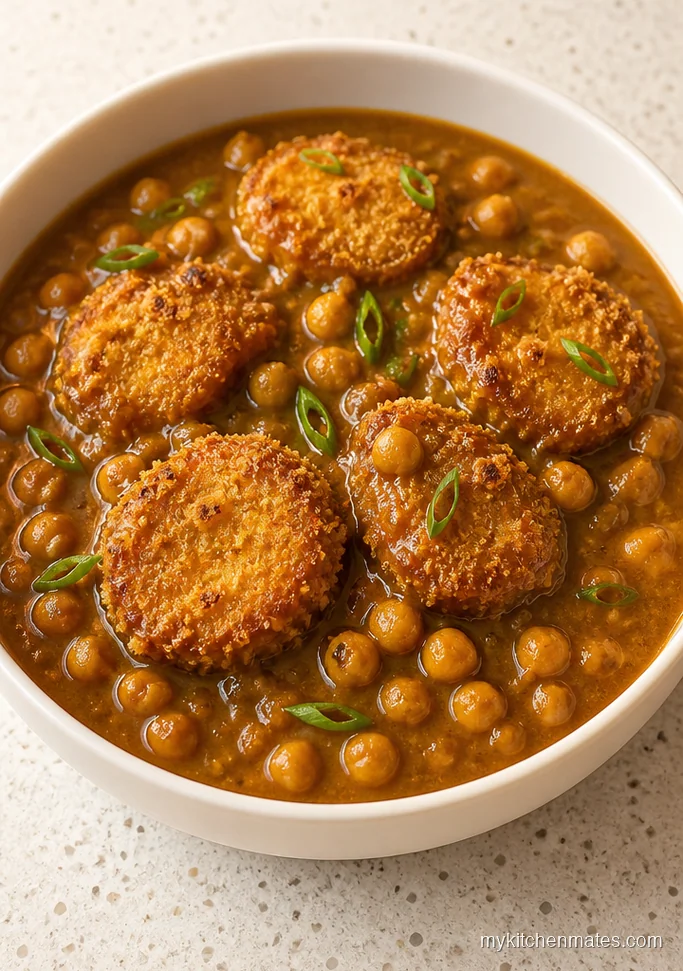
Sweet Potato Chickpea Katsu Curry
This is the most involved version in the list, the one to make when you felt like standing at the stove for the pleasure of it. A crisp panko shell over sweet potato, with chickpeas in a rich curry sauce, makes a full dinner.
Ingredients (makes 4 servings)
- Sweet potatoes, peeled and cut into 1 cm rounds: 900 g (2 lb)
- Cooked chickpeas: 400 g (1 can, drained)
- Yellow onion, sliced: 1 large
- Carrot, sliced: 2 medium
- Curry powder: 2 tbsp
- All-purpose flour: 40 g (1/3 cup)
- Panko breadcrumbs: 80 g (1 cup)
- Eggs, beaten: 2
- Vegetable stock: 600 ml (2.5 cups)
- Neutral oil: 255 ml (1 cup plus 1 tbsp)
Instructions
Step 1: Steam or simmer your 900 g sweet potato rounds in a lidded pan with a little water over medium heat. Give them 8 minutes, then test one, it should feel barely tender but not falling apart. Drain and let them cool on a plate while you start the sauce.
Step 2: You’ll heat 15 ml of the neutral oil in a pot over medium. Add the sliced onion and carrot, and cook for 8 minutes, stirring often, until the onion goes soft and the edges brown a little. Stir in the 2 tbsp curry powder and cook for 30 seconds more.
Step 3: Pour in the 600 ml stock and the drained 400 g chickpeas, then simmer for 12 minutes. You can mash a few chickpeas against the side of the pot to thicken the sauce. Season with salt and keep it warm over low heat.
Step 4: You’ll set up a breading station with the 40 g flour, the 2 beaten eggs, and the 80 g panko. Dip each cooled sweet potato round first in flour, then egg, then panko, pressing so the crumbs stay on.
Step 5: You’ll fry the breaded rounds in the remaining 240 ml oil heated to 170C (340F) in a wide heavy pan. Work in batches for 2 to 3 minutes, turning once, until deep golden and crisp. Drain them on paper towels while you finish the last batch.
Step 6: You’ll spoon the curry sauce into wide bowls, set 2 or 3 crispy rounds on top, and serve hot. The sauce soaks into the panko as you eat, but the middle stays creamy.
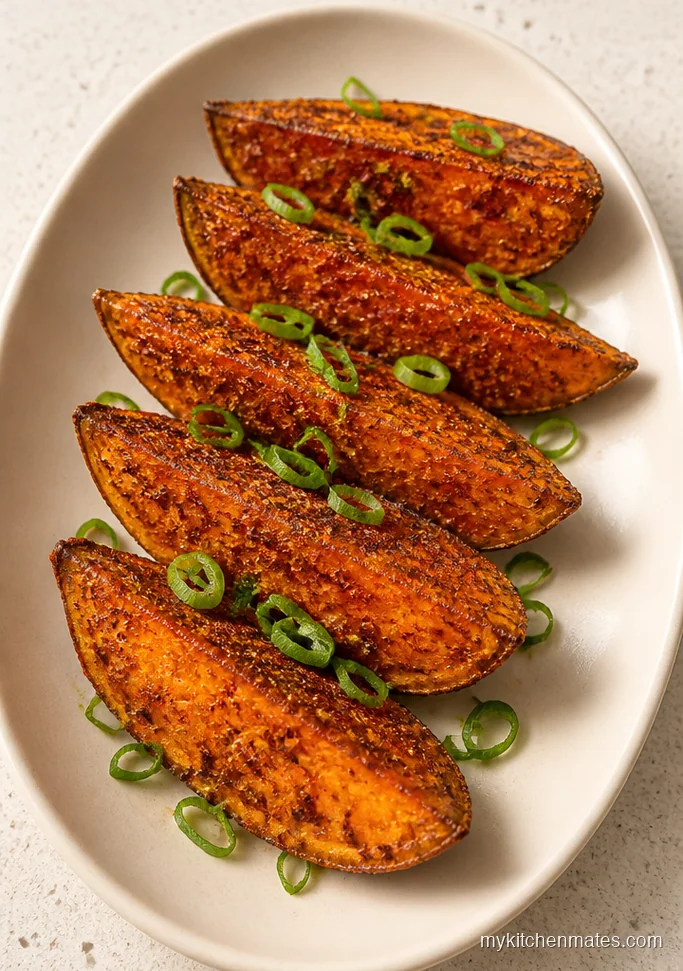
Air Fryer Five Spice Sweet Potato Wedges
These wedges get crisp in the air fryer while the five spice does a lot of the work for you. A dusting of cornstarch is the trick to edges that actually stay crisp.
Ingredients (makes 4 servings)
- Sweet potatoes, cut into wedges: 700 g (1.5 lb)
- Neutral oil: 30 ml (2 tbsp)
- Chinese five spice powder: 1 tsp
- Garlic powder: 1 tsp
- Smoked paprika: 1/2 tsp
- Cornstarch: 1 tbsp
- Fine salt: 1/2 tsp
- Black pepper: 1/4 tsp
- Sliced scallions, for serving: 2
Instructions
Step 1: Cut your 700 g sweet potatoes into 1.5 cm thick wedges and toss them in a bowl with the 30 ml oil. In a small bowl, stir the 1 tsp five spice, 1 tsp garlic powder, 1/2 tsp smoked paprika, 1 tbsp cornstarch, 1/2 tsp salt, and 1/4 tsp pepper.
Step 2: Sprinkle the spice mix over the wedges and toss with your hands until every wedge gets a thin dry coating. Arrange them in a single layer in your air fryer basket, leaving a little space between each one so the air can move.
Step 3: You’ll air fry at 200C (390F) for 12 minutes, then shake the basket or turn the wedges. Cook another 5 to 7 minutes. The thickest wedge should feel tender inside and the outside should be blistered and crisp.
Step 4: You’ll tip the wedges onto a plate, scatter the sliced scallions over the top, and serve right away. A little extra salt right at the end makes the spice pop.
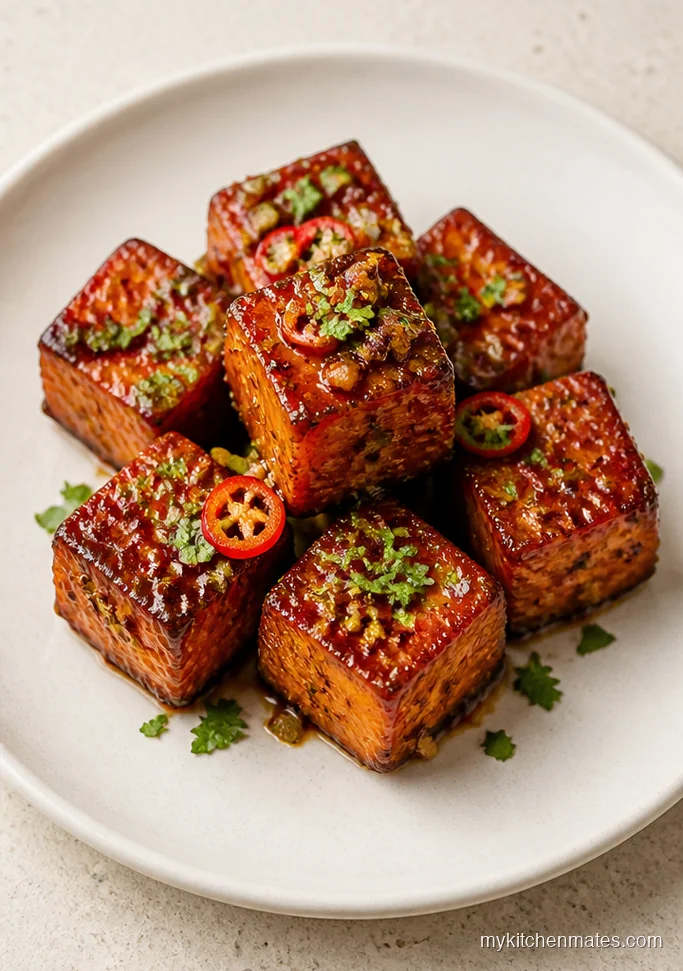
Lemongrass Caramelized Sweet Potatoes
This Vietnamese style version takes the root toward caramel, citrus, and fish sauce. It works as a loud side or spooned over rice with some greens.
Ingredients (makes 4 servings)
- Sweet potatoes, peeled and cubed: 800 g (1.75 lb)
- Lemongrass stalks, finely minced: 3
- Shallots, minced: 2
- Garlic, minced: 3 cloves
- Neutral oil: 45 ml (3 tbsp)
- Fish sauce: 30 ml (2 tbsp)
- Brown sugar: 2 tbsp
- Water: 120 ml (1/2 cup)
- Fresh chile, thinly sliced: 1, optional
- Fresh cilantro, chopped: 1/4 cup
Instructions
Step 1: Heat your 45 ml oil in a wide skillet over medium. Add the 800 g sweet potato cubes in a single layer and cook for 8 minutes, turning every couple of minutes, until the sides take on a deep brown color.
Step 2: Add the minced lemongrass, shallots, and garlic, and stir for 1 minute until the mixture smells bright and citrusy. You want the aromatics to soften without burning, so keep them moving.
Step 3: You’ll stir the 2 tbsp brown sugar, 30 ml fish sauce, and 120 ml water together, then pour this into the skillet. Let the liquid bubble and reduce for 10 to 12 minutes, turning the sweet potatoes once or twice. It is ready when the sauce turns syrupy and clings to every cube.
Step 4: For real heat, you can add half the sliced chile and let it cook for 30 seconds more. The pan will look glossy, and a spoon dragged through the sauce should leave a trail for a second before filling back in.
Step 5: You’ll spoon the caramelized sweet potatoes over rice or noodles, scatter the cilantro and remaining chile over the top, and serve hot. The sticky edges are the best part, so scrape the pan.
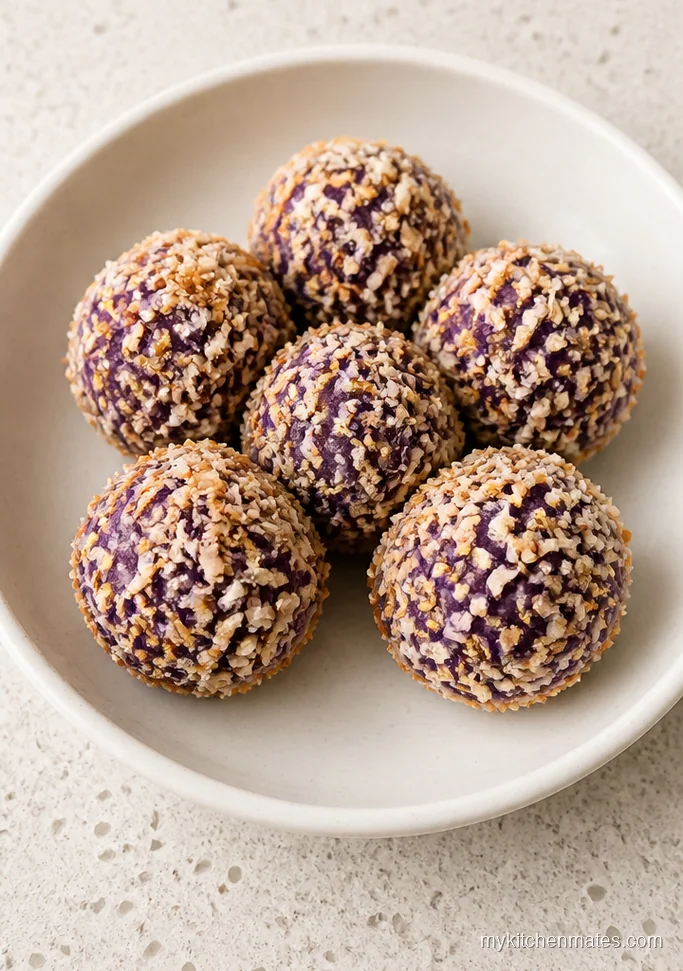
Purple Sweet Potato Coconut Bites
These little no-bake bites are the dessert version of an Asian sweet potato recipe. Purple sweet potato gives them a soft floral color and a dense, fudgy middle.
Ingredients (makes 16 bites)
- Purple sweet potatoes, peeled and cubed: 500 g (1.1 lb)
- Full fat coconut milk: 120 ml (1/2 cup)
- Sweetened condensed coconut milk: 80 ml (1/3 cup)
- Vanilla extract: 1 tsp
- Fine salt: 1/4 tsp
- Toasted coconut flakes, for rolling: 30 g (1/2 cup)
Instructions
Step 1: Steam your 500 g purple sweet potato cubes over simmering water for 15 to 18 minutes. A fork should go through the largest piece with no resistance. Let them cool just enough to handle, then mash them in a bowl until very smooth.
Step 2: You’ll stir in the 120 ml coconut milk, 80 ml condensed coconut milk, 1 tsp vanilla, and 1/4 tsp salt. Fold with a spatula until the mixture looks thick and creamy, with no streaks of purple left.
Step 3: You’ll chill the mixture in the fridge for at least 1 hour, or until it holds a shape when you scoop it. If you are in a hurry, 30 minutes in the freezer works, but stir it once so it firms evenly.
Step 4: You’ll scoop rounded tablespoons of the chilled mixture and roll them into 16 small balls with damp hands. Roll each one in the 30 g toasted coconut, pressing the flakes on lightly so they stick.
Step 5: You’ll arrange the bites on a plate and serve them cold. They keep well in an airtight container in the fridge for up to 3 days, but the coconut coating stays crunchiest on the first day.
The move that matters most across these recipes is getting the natural sugars to caramelize rather than steam. Roast or pan sear over high heat, keep the pieces in a single layer, and wait for the brown edges before you add any wet sauce.
Pick the version that sounds like dinner tonight, not the one you think you should make. The ingredients are forgiving, the leftovers reheat well, and the work is mostly stirring and watching edges brown.
