
40 High-Magnesium Foods That Support Heart Health, Nerve Function, and Total Wellness

Most Americans are not getting enough magnesium, and the crazy part is that so many delicious, everyday foods are packed with it. Magnesium is involved in over 300 processes in your body, from muscle function and sleep quality to blood sugar regulation and bone health. Here are 40 of the best food sources to start eating more of today.

1. Pumpkin Seeds
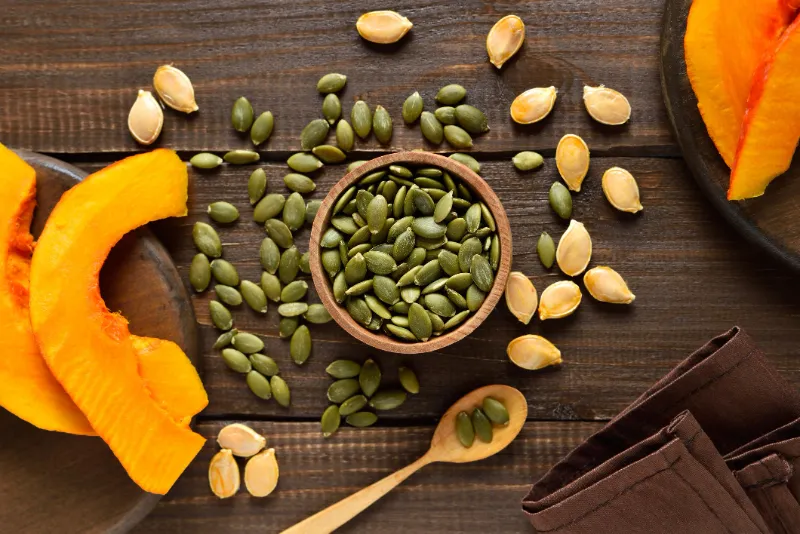
Pumpkin seeds sit at the very top of the magnesium food chain, and it is not even close. One ounce of roasted pumpkin seeds delivers about 156 mg of magnesium, which covers nearly 37 percent of the daily value for most adults. That is an extraordinary amount from such a small serving, and it makes pumpkin seeds one of the most efficient magnesium sources available anywhere.
They are also called pepitas when sold without the shell, and the shelled version is what you want for most cooking and snacking purposes. The flavor is rich, nutty, and slightly buttery. Eat them plain, toss them into salads, blend them into sauces, or roast them with spices for a snack that is genuinely hard to stop eating.
Beyond magnesium, pumpkin seeds deliver zinc, iron, manganese, and phosphorus in meaningful amounts. They are also one of the best plant-based sources of tryptophan, which your body uses to make serotonin and melatonin. A small handful before bed is one of the most sensible evening snack choices you can make.
Store pumpkin seeds in an airtight container in the refrigerator or freezer to keep the healthy fats from going rancid. They last for several months this way. Buy them in bulk from a natural food store for the best price and keep them accessible so you actually use them consistently every week.
Nutrition Info:
| Nutrient | Amount (per serving) |
| Magnesium | 156 mg (37% DV) |
| Calories | 163 kcal |
| Zinc | 2.2 mg |
| Iron | 2.5 mg |
| Protein | 8.5 g |
2. Dark Chocolate

Dark chocolate is genuinely one of the most enjoyable ways to increase your magnesium intake, and the research behind it is solid. A one-ounce serving of dark chocolate at 70 percent cacao or higher delivers about 64 mg of magnesium, which is around 15 percent of the daily value. The higher the cacao percentage, the more magnesium you are getting per bite.
The magnesium in dark chocolate is accompanied by iron, copper, manganese, and a rich concentration of flavanol antioxidants that have been linked to improved cardiovascular function, lower blood pressure, and better brain blood flow. Eating dark chocolate is not indulgence with a guilt trip attached. It is a legitimate food with real nutritional value.
Raw cacao powder is even more concentrated in magnesium than most chocolate bars. One tablespoon delivers about 27 mg of magnesium with minimal sugar. Stir it into smoothies, oatmeal, or warm milk with a little honey for a nutrient-dense drink that feels luxurious and nourishing at the same time.
Stick to 70 percent cacao or higher for meaningful magnesium content. Milk chocolate and white chocolate are so diluted with sugar and dairy solids that the mineral content essentially disappears. One or two squares of good dark chocolate daily is a sustainable habit that quietly contributes to your magnesium intake without any sacrifice.
Nutrition Info:
| Nutrient | Amount (per serving) |
| Magnesium | 64 mg (15% DV) |
| Calories | 170 kcal |
| Iron | 3.4 mg |
| Copper | 0.5 mg |
| Flavanols | high content |
3. Almonds
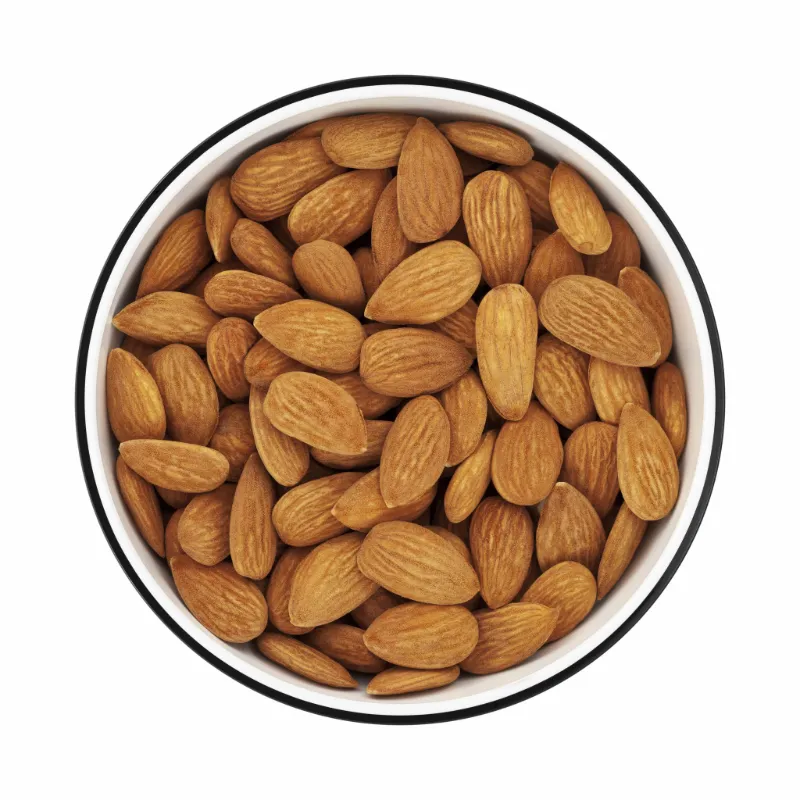
Almonds are one of the most popular snacks in America and one of the most consistent everyday magnesium sources available. One ounce of almonds delivers about 77 mg of magnesium, covering around 18 percent of the daily value from a small handful. That is before you factor in the Vitamin E, calcium, and healthy monounsaturated fats that come along for the ride.
The magnesium in almonds is found throughout the nut but is particularly concentrated in the flesh beneath the skin. Eating whole almonds with the skin intact gives you the full mineral benefit along with the antioxidant compounds in the brown outer layer. Blanched almonds with the skin removed deliver slightly less.
Almond butter is one of the most practical ways to get magnesium into your daily routine without any thought. Spread it on toast, blend it into smoothies, stir it into oatmeal, or eat it straight off a spoon. Two tablespoons of almond butter delivers a similar magnesium contribution to a handful of whole almonds.
A large study published in the New England Journal of Medicine found that regular nut consumption, including almonds, was associated with reduced mortality from heart disease. The magnesium content is part of that story since magnesium plays a direct role in maintaining healthy blood pressure and heart rhythm. A daily almond habit is one of the most evidence-backed snack choices you can make.
Nutrition Info:
| Nutrient | Amount (per serving) |
| Magnesium | 77 mg (18% DV) |
| Calories | 164 kcal |
| Vitamin E | 7.3 mg |
| Calcium | 76 mg |
| Protein | 6 g |
4. Spinach
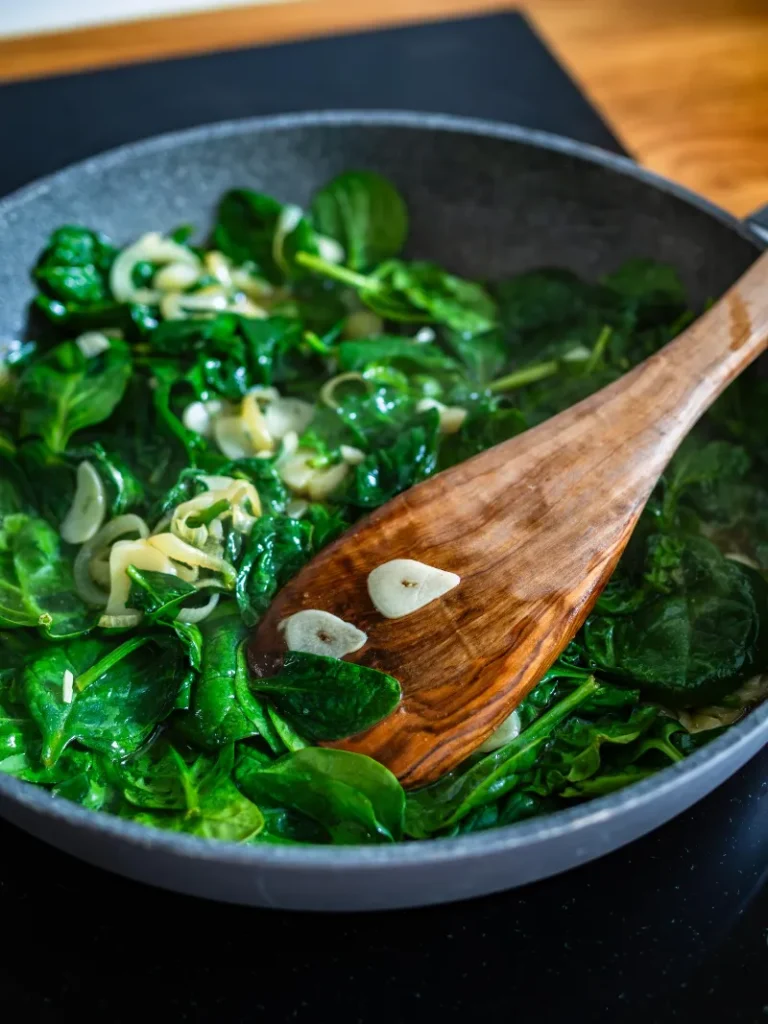
Spinach is one of the most magnesium-dense leafy greens you can eat, and the cooked version is dramatically more concentrated than raw because cooking collapses the volume significantly. Half a cup of cooked spinach packs about 78 mg of magnesium, which is nearly 19 percent of the daily value from a side dish that takes three minutes to prepare.
Raw spinach in salads still delivers magnesium but in smaller amounts per serving because you are not fitting as much into a cup measurement. Cooking spinach is genuinely the more efficient approach for the mineral content. A big handful of raw spinach wilts down to a very small amount of cooked spinach, which is where the concentration comes from.
Garlic sauteed in olive oil with a big handful of spinach thrown in at the end is one of the fastest and most nutritionally complete side dishes in existence. It takes about four minutes, tastes incredible, and delivers magnesium, iron, Vitamin K, and folate all at once. There is almost no reason not to make this regularly.
Frozen spinach is nutritionally equivalent to fresh and often more convenient for cooking. It is already washed, blanched, and ready to add to soups, pasta, eggs, and smoothies without any prep work. A bag of frozen spinach in the freezer is one of the most practical nutritional insurance policies you can keep on hand.
Nutrition Info:
| Nutrient | Amount (per serving) |
| Magnesium | 78 mg (19% DV) |
| Calories | 21 kcal |
| Vitamin K | 494 mcg |
| Folate | 131 mcg |
| Iron | 3.2 mg |
5. Cashews

Cashews are the creamiest, most approachable nut in the store, and they deliver a solid 83 mg of magnesium per ounce, which works out to about 20 percent of the daily value. That makes them one of the highest-magnesium nuts you can eat, slightly ahead of almonds and well ahead of most other tree nuts.
Raw cashews are technically slightly higher in magnesium than roasted ones, but the difference is small and both are excellent. Dry-roasted cashews without added oil are the most common form and work perfectly well for everyday snacking and cooking purposes. The creamy, buttery flavor makes them incredibly easy to eat regularly.
Cashew-based sauces and creams are a revelation in plant-based cooking. Soaked cashews blended with water, nutritional yeast, lemon, and garlic create a remarkably convincing cream sauce that carries all the magnesium of the whole nut. This technique works in pasta, soups, dips, and desserts and is one of the most versatile cooking tricks you can learn.
Cashews also pair exceptionally well with flavors that show up in everyday cooking, like ginger, garlic, lime, and soy sauce, which makes working them into meals feel completely natural. Keep a container of cashews in the pantry as a snack and a bag of raw cashews in the freezer for cooking, and you will have a consistent magnesium source always within reach.
Nutrition Info:
| Nutrient | Amount (per serving) |
| Magnesium | 83 mg (20% DV) |
| Calories | 157 kcal |
| Copper | 0.6 mg |
| Zinc | 1.6 mg |
| Healthy Fats | 12 g |
6. Black Beans
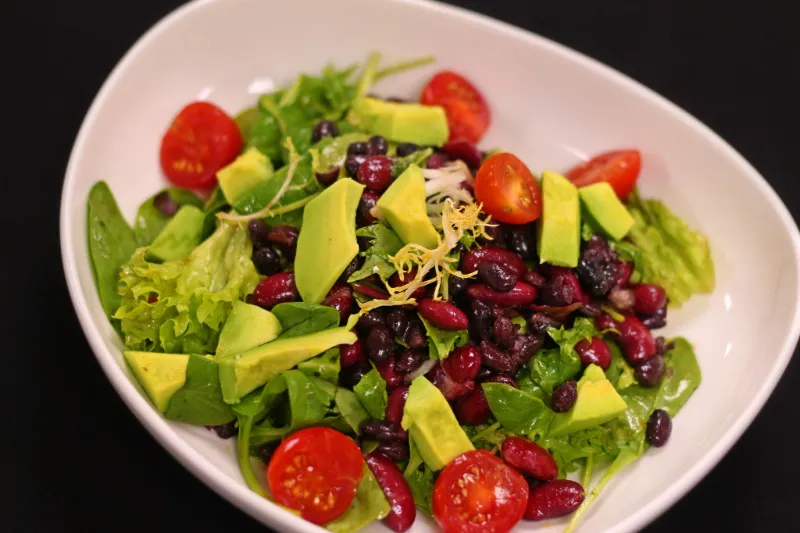
Black beans are one of the most affordable and accessible magnesium sources in any grocery store in America. One cup of cooked black beans delivers about 120 mg of magnesium, covering roughly 29 percent of the daily value. Paired with their impressive fiber and plant protein content, black beans are one of the most nutritionally complete legumes you can eat.
Canned black beans make this magnesium source incredibly convenient. Drain and rinse a can, heat them up with cumin, garlic powder, and a squeeze of lime, and you have a side dish that takes five minutes and delivers real mineral density. No soaking, no long cooking times, just open and go.
Dried black beans cooked from scratch have a noticeably better texture and flavor than canned, and they are cheaper per serving. If you have an Instant Pot or pressure cooker, dried black beans cook in about 25 minutes without any soaking. Make a big batch on Sunday and use them throughout the week in different meals.
Black beans also bring a remarkable amount of antioxidants from their dark color, specifically anthocyanins, alongside folate, iron, and potassium. They are one of the most nutritionally well-rounded foods in the legume family. Add them to grain bowls, breakfast burritos, soups, dips, or just eat them as a simple seasoned side dish.
Nutrition Info:
| Nutrient | Amount (per serving) |
| Magnesium | 120 mg (29% DV) |
| Calories | 227 kcal |
| Protein | 15 g |
| Fiber | 15 g |
| Iron | 3.6 mg |
7. Edamame
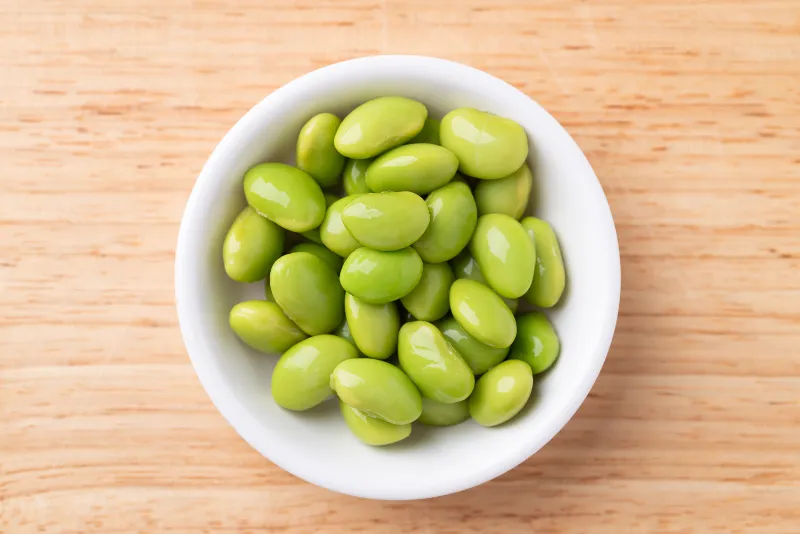
Edamame is young soybeans and one of the most enjoyable high-magnesium snacks you can eat. One cup of cooked edamame in the pod delivers about 99 mg of magnesium, or if you are measuring shelled edamame, you are getting even more per cup. It is a snack that genuinely feels satisfying and fun to eat while delivering serious nutritional value.
The slightly sweet, buttery flavor of edamame makes it one of the most naturally crowd-pleasing healthy snacks. A bowl of steamed edamame with a sprinkle of sea salt is the kind of snack that disappears fast at any gathering. It is approachable for people who do not usually gravitate toward high-nutrient foods.
Frozen edamame is one of the most practical pantry items you can keep on hand. Steam it in the microwave in five minutes or boil it for three minutes, and it is ready. Shelled frozen edamame can be added directly to stir fries, grain bowls, soups, and fried rice without any thawing needed.
Edamame also delivers a complete plant protein, meaning it contains all nine essential amino acids, which is rare in plant foods. Combined with the magnesium, fiber, and Vitamin K content, edamame stands out as one of the most nutritionally complete snack options in any grocery store freezer section.
Nutrition Info:
| Nutrient | Amount (per serving) |
| Magnesium | 99 mg (24% DV) |
| Calories | 189 kcal |
| Protein | 17 g |
| Fiber | 8 g |
| Vitamin K | 41 mcg |
8. Quinoa
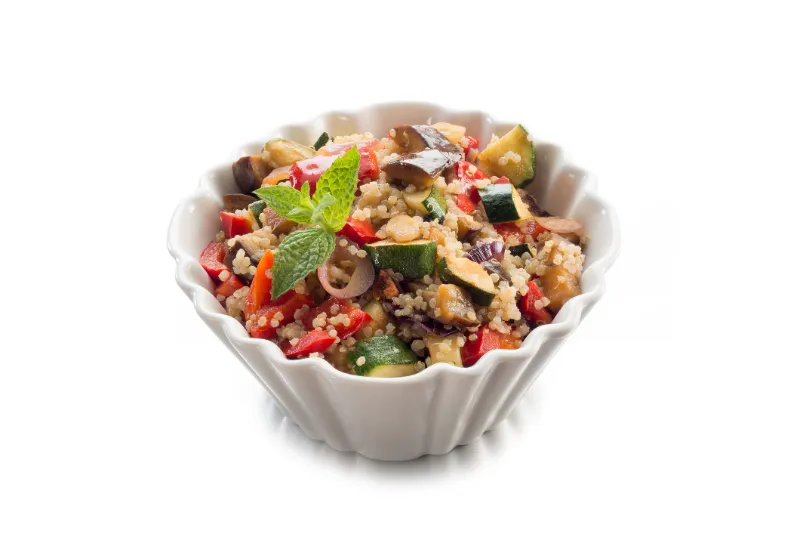
Quinoa has earned its superfood reputation in part because of its magnesium content. One cup of cooked quinoa delivers about 118 mg of magnesium, covering roughly 28 percent of the daily value. It is one of the most magnesium-rich grains available, especially impressive given that it is also a complete protein.
Quinoa cooks in about 15 minutes, absorbs flavors well, and works in virtually every cuisine. Use it as a base for grain bowls, serve it as a pilaf alongside protein, stir it into soups for added body, or cook it like porridge with milk and fruit for a nutrient-dense breakfast. The versatility is honestly one of its best qualities.
Rinsing quinoa before cooking is important because the outer coating contains saponins, naturally occurring compounds that taste bitter and soapy. Most packaged quinoa in the US is pre-rinsed, but a quick rinse under cold water takes 30 seconds and guarantees a clean, pleasant flavor every time.
Red and black quinoa varieties have slightly more antioxidants than white quinoa due to the additional pigments in the outer coating. All three deliver similar magnesium content. Tri-color quinoa blends are visually appealing and a nice way to get a mix of all three varieties in a single bag.
Nutrition Info:
| Nutrient | Amount (per serving) |
| Magnesium | 118 mg (28% DV) |
| Calories | 222 kcal |
| Protein | 8 g |
| Fiber | 5 g |
| Iron | 2.8 mg |
9. Halibut

Halibut is a mild, firm white fish that delivers about 91 mg of magnesium per 3-ounce serving, making it one of the most magnesium-rich fish available. It is a great option for people who want to increase magnesium intake through protein sources rather than plants alone, and the mild flavor makes it accessible even for people who are not big fish eaters.
The flesh of halibut is dense and meaty, which means it holds up beautifully to grilling, baking, pan-searing, and broiling. It does not fall apart the way more delicate fish do, which makes it more forgiving for home cooks. Season it simply with lemon, olive oil, garlic, and fresh herbs and it practically cooks itself.
Pacific halibut is a more sustainable choice than Atlantic halibut, which has been significantly overfished. Look for Pacific halibut certified by the Marine Stewardship Council when possible. Your fish market or the seafood counter at Whole Foods can usually point you toward the most sustainable options currently available.
Halibut also delivers a solid amount of selenium, Vitamin B6, and niacin alongside the magnesium. It is a lean protein with an excellent nutritional profile and a taste that pairs well with a huge range of flavors from Mediterranean herbs to Asian-inspired sauces. It is one of the most underrated fish in the American kitchen.
Nutrition Info:
| Nutrient | Amount (per serving) |
| Magnesium | 91 mg (22% DV) |
| Calories | 119 kcal |
| Protein | 23 g |
| Selenium | 47 mcg |
| Vitamin B6 | 0.3 mg |
10. Hemp Seeds
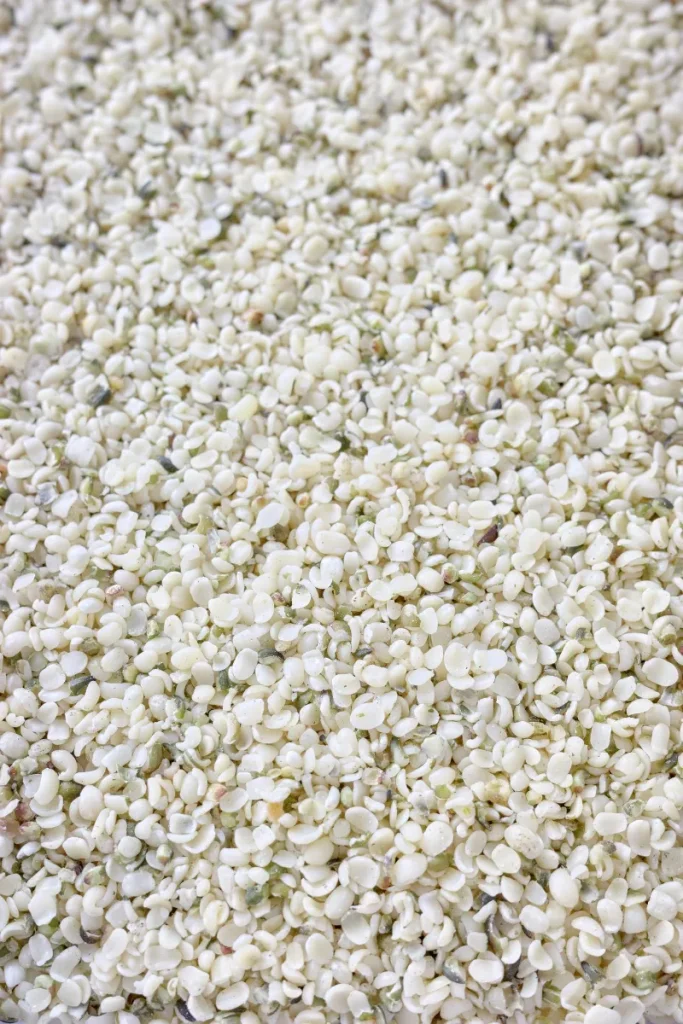
Hemp seeds are a nutritional powerhouse that most Americans are only just starting to discover, and their magnesium content is one of the best reasons to pay attention. Three tablespoons of hemp seeds delivers about 210 mg of magnesium, which is roughly 50 percent of the daily value. That number is genuinely remarkable for a food you can sprinkle onto anything.
The flavor is mild, nutty, and slightly grassy in a pleasant way that blends effortlessly into smoothies, yogurt, oatmeal, salad dressings, and grain dishes. Unlike flaxseeds, hemp seeds do not need to be ground to be absorbed. Your body can access the nutrients directly from the whole seed, which is a major convenience advantage.
Hemp seeds are also one of the rare plant foods that provide a complete protein with all nine essential amino acids, alongside an excellent ratio of omega-3 to omega-6 fatty acids. From a nutritional density standpoint per tablespoon, they are almost unbeatable as a daily supplement food.
Keep hemp seeds in the refrigerator after opening to preserve the delicate fatty acids. They are widely available at Whole Foods, Target, Walmart, and online in bulk quantities that offer much better value than buying small bags. Three tablespoons a day stirred into your morning routine covers half your daily magnesium needs before you have even eaten a real meal.
Nutrition Info:
| Nutrient | Amount (per serving) |
| Magnesium | 210 mg (50% DV) |
| Calories | 166 kcal |
| Protein | 9.5 g |
| Omega-3 (ALA) | 2.6 g |
| Zinc | 3 mg |
11. Oats
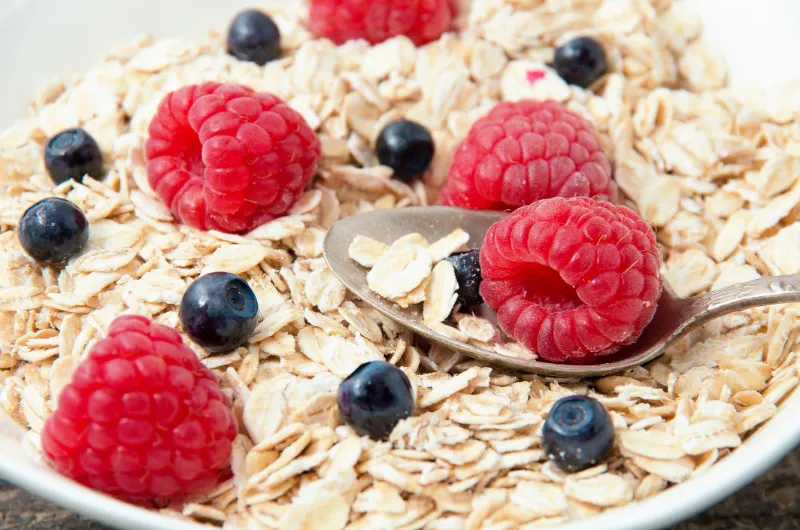
Oats are the most reliable everyday magnesium source for most Americans simply because so many people already eat them for breakfast. Half a cup of dry rolled oats delivers about 56 mg of magnesium, and over the course of a week of consistent oatmeal mornings, that contribution becomes genuinely significant. It is a quiet, consistent mineral habit that adds up.
Steel-cut oats are slightly higher in magnesium than rolled oats because they retain more of the original grain structure through less processing. The trade-off is that they take about 20 to 30 minutes to cook compared to five minutes for rolled oats. Overnight steel-cut oats cooked in a slow cooker or soaked in water overnight solve the time problem completely.
Adding magnesium-rich toppings to oatmeal creates a breakfast that is doing serious mineral work. Pumpkin seeds, hemp seeds, almonds, and dark chocolate chips on top of a bowl of oatmeal deliver multiple magnesium sources in a single meal. It tastes like a treat and functions like a supplement.
The beta-glucan fiber in oats also specifically feeds beneficial gut bacteria and has been shown to reduce LDL cholesterol in multiple clinical studies. Oats are not just a magnesium vehicle. They are one of the most well-studied health foods in existence, and the daily habit of eating them carries benefits that compound over time.
Nutrition Info:
| Nutrient | Amount (per serving) |
| Magnesium | 56 mg (13% DV) |
| Calories | 150 kcal |
| Fiber (Beta-glucan) | 2 g |
| Iron | 2 mg |
| Zinc | 1.3 mg |
12. Tofu
Tofu made with magnesium-based coagulants like nigari or magnesium chloride is one of the best plant-based sources of the mineral available. Half a cup of firm tofu can deliver anywhere from 37 to 73 mg of magnesium depending on the brand and the coagulant used. Check the ingredient label because tofu made with calcium sulfate will have less magnesium.
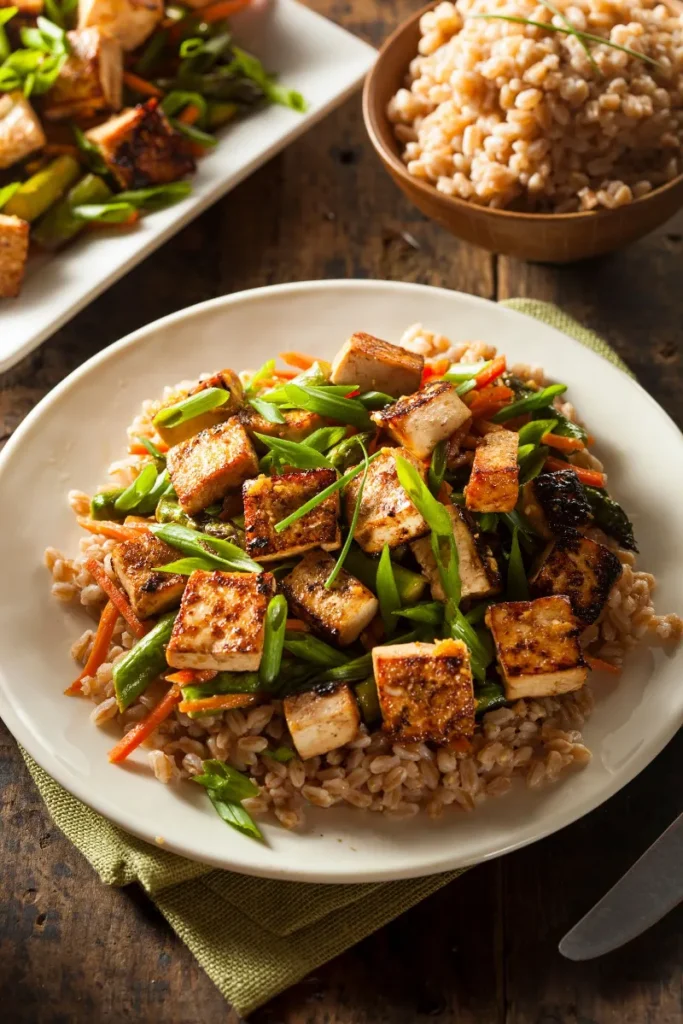
Firm and extra-firm tofu hold their shape during cooking and develop a satisfying crispy exterior when pressed dry and cooked at high heat. The key step most beginners skip is pressing. Wrap the tofu block in paper towels, place something heavy on top, and wait 20 to 30 minutes before slicing. That step transforms the texture completely.
Marinated and baked tofu is one of the most versatile protein preparations in any kitchen. Mix soy sauce, sesame oil, garlic, ginger, and a little cornstarch, coat the tofu cubes, and bake at 400 degrees for 25 minutes until crispy. The result is deeply flavorful and works in bowls, salads, stir fries, and wraps.
Silken tofu has a different texture that works for blending into smoothies, sauces, and desserts. It blends into a smooth, creamy consistency that adds protein and magnesium to dishes without any noticeable tofu flavor. Silken tofu chocolate mousse is one of those recipes that genuinely surprises people who are skeptical of plant-based cooking.
Nutrition Info:
| Nutrient | Amount (per serving) |
| Magnesium | 37–73 mg (9–17% DV) |
| Calories | 94 kcal |
| Protein | 10 g |
| Calcium | 350 mg (varies) |
| Iron | 1.4 mg |
13. Lentils
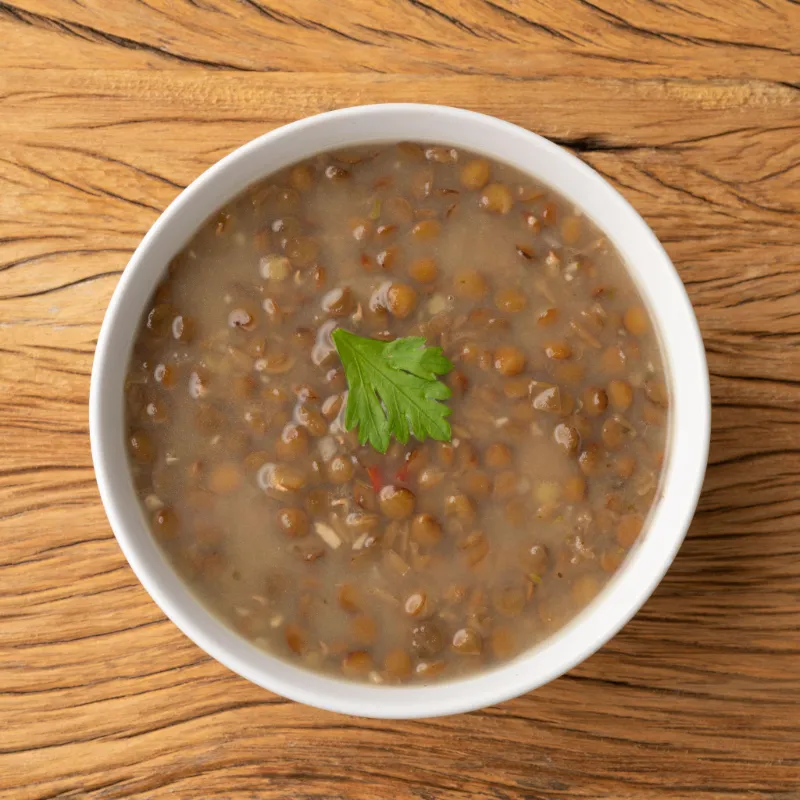
Lentils are a staple legume that delivers about 71 mg of magnesium per cooked cup alongside an impressive 18 grams of plant protein and one of the highest folate contents of any food available. They are inexpensive, widely available, and cook without soaking, which makes them one of the most practical magnesium sources for everyday cooking.
All lentil varieties deliver solid magnesium content. Red lentils dissolve into soups and sauces and are ideal for dal, stews, and pureed soups. Green and brown lentils hold their shape and work beautifully in salads, grain bowls, and stuffed vegetables. Black beluga lentils are firm and dramatic looking, excellent in composed dishes.
The antinutrient content in lentils, particularly phytic acid, reduces mineral absorption somewhat. Soaking dried lentils for a few hours before cooking reduces phytic acid levels and improves magnesium bioavailability. Since lentils cook quickly even without soaking, a brief soak is an easy step to add to the routine.
Lentil soup is genuinely one of the most comforting and nutritionally complete meals you can make in a single pot in under 30 minutes. Season aggressively with cumin, turmeric, smoked paprika, garlic, and lemon. A drizzle of good olive oil and a handful of fresh herbs on top finishes the bowl beautifully.
Nutrition Info:
| Nutrient | Amount (per serving) |
| Magnesium | 71 mg (17% DV) |
| Calories | 230 kcal |
| Protein | 18 g |
| Folate | 358 mcg |
| Fiber | 15.6 g |
14. Kidney Beans

Kidney beans are one of the most recognizable legumes in American cooking, showing up in chili, rice and beans, soups, and salads across the country. One cup of cooked kidney beans delivers about 74 mg of magnesium, covering roughly 18 percent of the daily value along with impressive amounts of plant protein and fiber.
The dark red color of kidney beans comes from anthocyanin antioxidants that have been linked to reduced inflammation and improved heart health. The nutritional package here goes well beyond just magnesium. You are also getting iron, potassium, and a substantial fiber hit that feeds beneficial gut bacteria.
Canned kidney beans are a pantry staple that makes getting more magnesium genuinely effortless. Rinse them well before using to reduce sodium content and remove some of the compounds that can cause digestive discomfort. A rinsed can of kidney beans added to a vegetable soup takes the nutritional profile to a completely different level.
One important note: raw kidney beans contain high levels of phytohaemagglutinin, a compound that causes severe digestive distress. Always cook dried kidney beans by boiling hard for at least 10 minutes before simmering. Canned kidney beans are already fully cooked and safe to eat straight from the can after rinsing.
Nutrition Info:
| Nutrient | Amount (per serving) |
| Magnesium | 74 mg (18% DV) |
| Calories | 225 kcal |
| Protein | 15 g |
| Fiber | 13.1 g |
| Iron | 3.9 mg |
15. Chickpeas
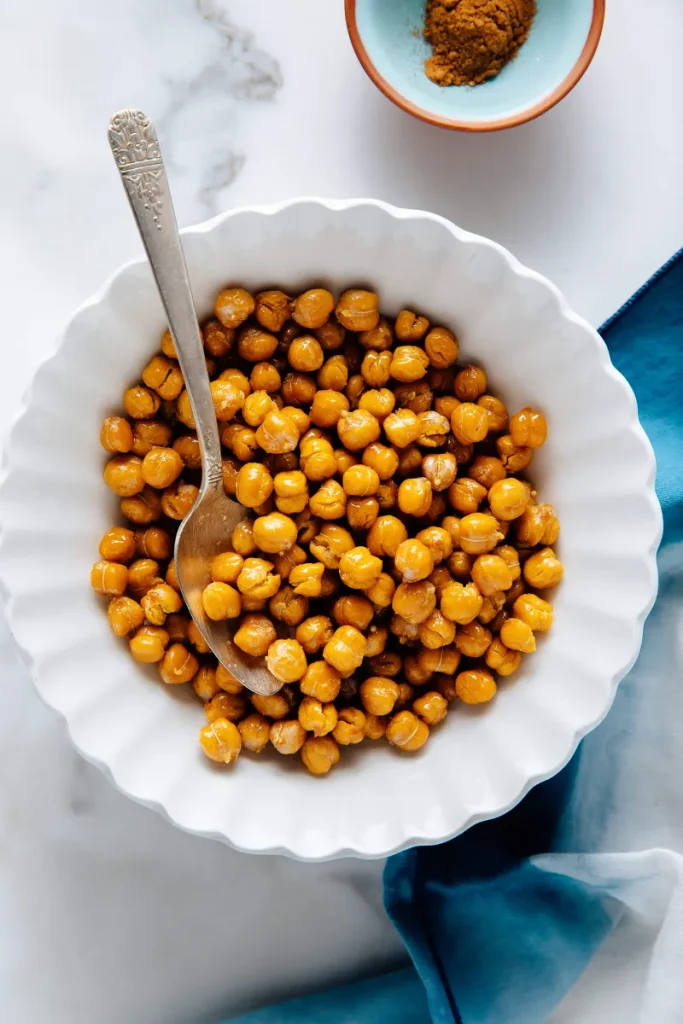
Chickpeas are one of the most versatile legumes in any kitchen and a solid everyday source of magnesium. One cup of cooked chickpeas delivers about 79 mg of magnesium, covering nearly 19 percent of the daily value. They are filling, protein-rich, and work in an enormous variety of dishes across essentially every cuisine.
Hummus, which is made primarily from cooked chickpeas and tahini, retains a significant portion of the magnesium from its ingredients. A few tablespoons of hummus with raw vegetables is a genuinely mineral-rich snack that requires zero preparation. Tahini itself is made from sesame seeds, which are also a solid magnesium source, so the combination is a double win.
Roasted chickpeas are one of the best chip replacements you can make at home. Toss a rinsed and dried can of chickpeas with olive oil, salt, and whatever spices you like and roast at 425 degrees for 25 to 30 minutes until crispy. They cool down crunchy, satisfy the snack craving, and deliver real magnesium with every handful.
Chickpea pasta is widely available now and has roughly the same magnesium content as cooked chickpeas with the added convenience of a pasta format. It holds up well to sauces and has a slightly denser texture than wheat pasta. For anyone trying to increase legume intake, chickpea pasta is one of the most seamless dietary swaps available.
Nutrition Info:
| Nutrient | Amount (per serving) |
| Magnesium | 79 mg (19% DV) |
| Calories | 269 kcal |
| Protein | 14.5 g |
| Fiber | 12.5 g |
| Iron | 4.7 mg |
16. Bananas

Bananas are one of the most convenient magnesium sources in any grocery store. One medium banana delivers about 32 mg of magnesium alongside potassium, Vitamin B6, and resistant starch that feeds beneficial gut bacteria. They are not the highest magnesium source on this list, but they make up for it in sheer accessibility and zero prep time.
Athletes have long relied on bananas for potassium to prevent muscle cramps, but the magnesium content plays an equally important role in muscle function and recovery. Magnesium is required for muscle relaxation after contraction, which is why low magnesium levels are a common culprit in nighttime leg cramps.
Slightly underripe bananas with a hint of green have more resistant starch and a lower glycemic impact than fully ripe yellow bananas. Both provide similar magnesium content. For blood sugar management, the firmer, less sweet banana is technically the better choice while still delivering all the mineral benefits.
A banana sliced onto oatmeal with a tablespoon of almond butter and a sprinkle of hemp seeds creates a breakfast that hits magnesium from three different sources simultaneously. This kind of stacking strategy, where multiple magnesium-containing foods share a single meal, is the most practical approach to consistently meeting your daily needs.
Nutrition Info:
| Nutrient | Amount (per serving) |
| Magnesium | 32 mg (8% DV) |
| Calories | 105 kcal |
| Potassium | 422 mg |
| Vitamin B6 | 0.4 mg |
| Fiber | 3.1 g |
17. Avocado

Avocado is already beloved in American kitchens for its healthy fat content and creamy texture, and the magnesium contribution is a bonus that most people never think about. One whole avocado delivers about 58 mg of magnesium, covering roughly 14 percent of the daily value. Half an avocado on toast or in a salad is quietly doing mineral work alongside all the other things people love about it.
The fat in avocado is predominantly monounsaturated oleic acid, the same type found in olive oil and associated with reduced inflammation and improved cardiovascular health. This fat also enhances the absorption of fat-soluble nutrients from other foods eaten in the same meal, which makes avocado a genuinely smart pairing with leafy greens.
Guacamole made fresh at home is one of the most effortless ways to eat more avocado and therefore more magnesium. Mash a ripe avocado with lime juice, salt, garlic, and diced tomato. Done. Eat it with vegetables instead of chips if you want to stack additional nutrients on top of the magnesium.
Avocados are high in calories, but the research consistently shows that regular avocado consumption is associated with better nutrient intake overall, lower body weight, and improved metabolic markers. The calorie density comes packaged with fiber, potassium, B vitamins, and magnesium, making each calorie genuinely earn its place.
Nutrition Info:
| Nutrient | Amount (per serving) |
| Magnesium | 58 mg (14% DV) |
| Calories | 322 kcal |
| Potassium | 975 mg |
| Healthy Fats | 29 g |
| Fiber | 13.5 g |
18. Brown Rice
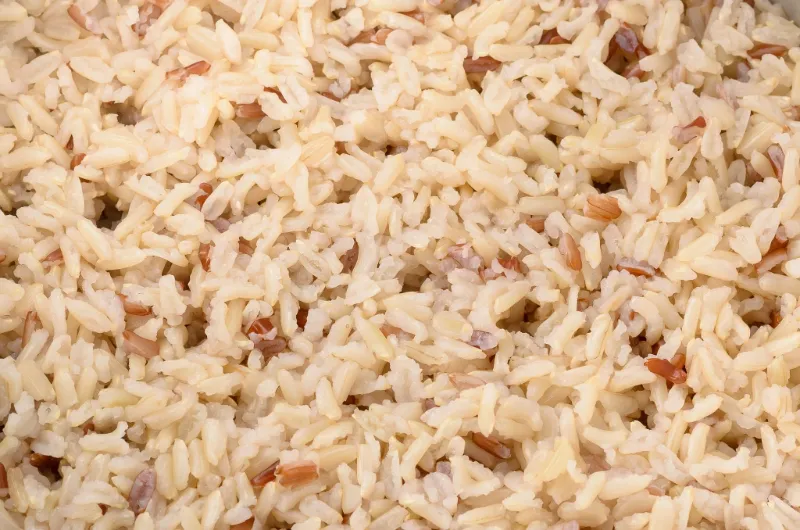
Brown rice is a whole grain staple that delivers about 84 mg of magnesium per cooked cup, covering roughly 20 percent of the daily value. The difference between brown and white rice in terms of magnesium is significant because the bran and germ layers that are removed during white rice processing are where most of the minerals live.
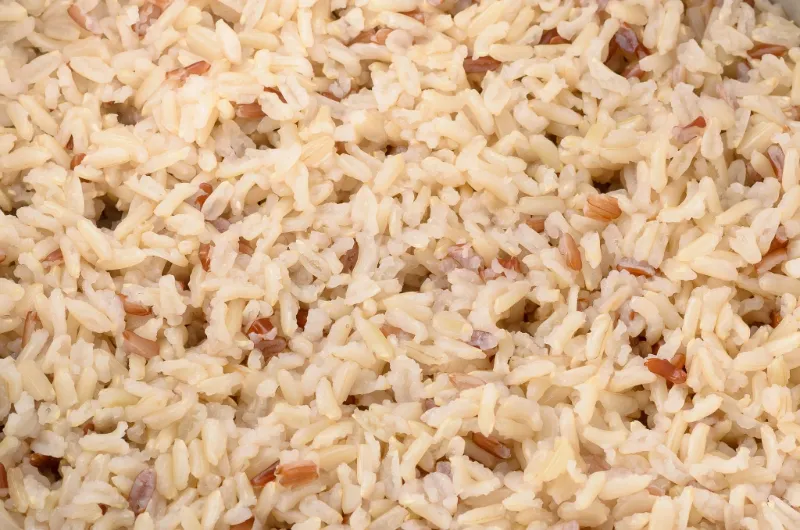
The switch from white rice to brown rice is one of the simplest dietary upgrades available for people who eat rice regularly. The flavor is nuttier and the texture is chewier, which takes some getting used to if you have eaten white rice your whole life. Brown rice takes about 45 minutes to cook compared to 20 minutes for white, so cooking a big batch at the start of the week and refrigerating it is the most practical approach.
Brown rice cooled and then reheated has more resistant starch than freshly cooked brown rice, which improves both its gut health benefits and its glycemic impact. This is another good argument for batch cooking rice and using it over several days rather than cooking it fresh each time.
Brown rice bowls built with vegetables, a protein source, and a flavorful sauce are one of the most customizable and satisfying meal formats for any diet. The magnesium in the rice combined with additional magnesium from beans, leafy greens, or seeds on top makes these bowls a genuinely mineral-dense way to eat.
Nutrition Info:
| Nutrient | Amount (per serving) |
| Magnesium | 84 mg (20% DV) |
| Calories | 216 kcal |
| Fiber | 3.5 g |
| Selenium | 19.1 mcg |
| Manganese | 1.8 mg |
19. Mackerel

Mackerel is an oily fish that is extraordinary from a nutritional standpoint but gets far less attention than salmon in the American market. A 3-ounce serving of cooked Atlantic mackerel delivers about 82 mg of magnesium alongside some of the highest omega-3 fatty acid content of any fish you can eat. It is genuinely one of the most nutritionally dense fish available.
The rich, bold flavor of mackerel is more intense than mild white fish like cod or tilapia, which is why it benefits from acidic components like lemon juice, vinegar, or tomatoes to balance the oiliness. Grilled mackerel with a simple lemon and herb preparation is a classic that works beautifully.
Canned mackerel is one of the most affordable and convenient sources of both magnesium and omega-3s available at any grocery store. It is similar in use to canned tuna but with more flavor and a significantly better nutritional profile. Mix it into pasta, spread it on toast, or add it to grain bowls for a quick mineral-rich meal.
Mackerel is also low in mercury compared to larger predatory fish because of its smaller size and shorter lifespan. The FDA specifically recommends mackerel as one of the best fish choices for regular consumption. Eating it two or three times a week is a safe and nutritionally exceptional habit.
Nutrition Info:
| Nutrient | Amount (per serving) |
| Magnesium | 82 mg (20% DV) |
| Calories | 223 kcal |
| Omega-3 (EPA/DHA) | 2.5 g |
| Protein | 20 g |
| Vitamin B12 | 16.2 mcg |
20. Chia Seeds

Chia seeds are a modern pantry staple with an ancient history and one of the most impressive nutrient profiles per tablespoon of any food available. One ounce of chia seeds delivers about 95 mg of magnesium, covering roughly 23 percent of the daily value. They are also loaded with omega-3 fatty acids, fiber, and calcium in amounts that are remarkable for such a tiny seed.
The unique property of chia seeds is their ability to absorb liquid and form a gel, which makes them incredibly versatile in cooking and baking. Chia pudding made overnight in the refrigerator with any milk and a little sweetener is one of the easiest, most nutrient-dense breakfasts you can prepare. Make it the night before and breakfast is done before you wake up.
Adding chia seeds to smoothies, oatmeal, yogurt, salad dressings, and baked goods requires no extra steps beyond spooning them in. They blend into the background of most recipes without changing the flavor and add a slight thickening effect that actually improves the texture of many dishes.
Chia seeds also contain all nine essential amino acids, making them one of the rare complete plant proteins. The combination of magnesium, omega-3s, fiber, and protein in one ingredient makes chia seeds one of the highest return daily habits you can build. A tablespoon or two a day costs pennies and delivers outsized nutritional value.
Nutrition Info:
| Nutrient | Amount (per serving) |
| Magnesium | 95 mg (23% DV) |
| Calories | 138 kcal |
| Omega-3 (ALA) | 5 g |
| Fiber | 9.8 g |
| Calcium | 179 mg |
21. Flaxseeds

Flaxseeds are a nutritional powerhouse that most people keep in the pantry but do not use nearly enough. One ounce of ground flaxseeds delivers about 110 mg of magnesium, which is a significant contribution from a food you typically eat just a tablespoon or two at a time. Used consistently, flaxseeds are one of the most effective ways to increase daily magnesium intake.
Ground flaxseeds are significantly more useful than whole flaxseeds because the outer hull of a whole flaxseed is difficult for the body to break down. Buying pre-ground flaxseed meal is the most convenient option, but grinding whole flaxseeds in a coffee grinder gives you a fresher product. Store ground flaxseed in the refrigerator to prevent the oils from going rancid.
The mild, nutty flavor of ground flaxseed blends into almost anything without being noticeable. Stir a tablespoon into oatmeal, smoothies, yogurt, or pancake batter. Mix it into meatballs or veggie burgers for binding and nutrition. It works in virtually every food context without drawing attention to itself.
Flaxseeds are also one of the richest dietary sources of lignans, plant compounds that act as phytoestrogens and have been studied for their potential role in reducing the risk of hormone-related cancers. Combined with the ALA omega-3 content and the magnesium, flaxseeds are one of the most nutritionally consequential additions you can make to a daily routine.
Nutrition Info:
| Nutrient | Amount (per serving) |
| Magnesium | 110 mg (26% DV) |
| Calories | 150 kcal |
| Omega-3 (ALA) | 6.4 g |
| Fiber | 7.7 g |
| Lignans | high content |
22. Sunflower Seeds

Sunflower seeds are a popular American snack with a solid magnesium profile that most people overlook entirely. One ounce of dry-roasted sunflower seeds delivers about 37 mg of magnesium alongside impressive amounts of Vitamin E, selenium, and healthy fats. They are crunchy, satisfying, and easy to incorporate into daily meals and snacks.
Shelled sunflower seeds are the most practical form for cooking and adding to dishes. They work beautifully in granola, trail mix, salads, grain bowls, and baked goods. Whole seeds in the shell are the classic baseball and road trip snack, and the act of cracking the shells actually slows down your eating pace in a way that supports better portion awareness.
Sunflower seed butter is a fantastic magnesium-rich spread for anyone with tree nut allergies. It has a slightly roasted, savory-sweet flavor that works well on toast, in smoothies, and as a dip for fruit. Most sunflower seed butters are available in natural food stores and increasingly in mainstream grocery stores nationwide.
Sprouted sunflower seeds are an interesting option for maximizing magnesium bioavailability. Sprouting reduces phytic acid content, which means more of the magnesium becomes available for absorption. Sprouted seeds can be found at specialty health food stores and are easy to grow at home with a few days and a mason jar.
Nutrition Info:
| Nutrient | Amount (per serving) |
| Magnesium | 37 mg (9% DV) |
| Calories | 165 kcal |
| Vitamin E | 7.4 mg |
| Selenium | 22.5 mcg |
| Healthy Fats | 14 g |
23. Swiss Chard
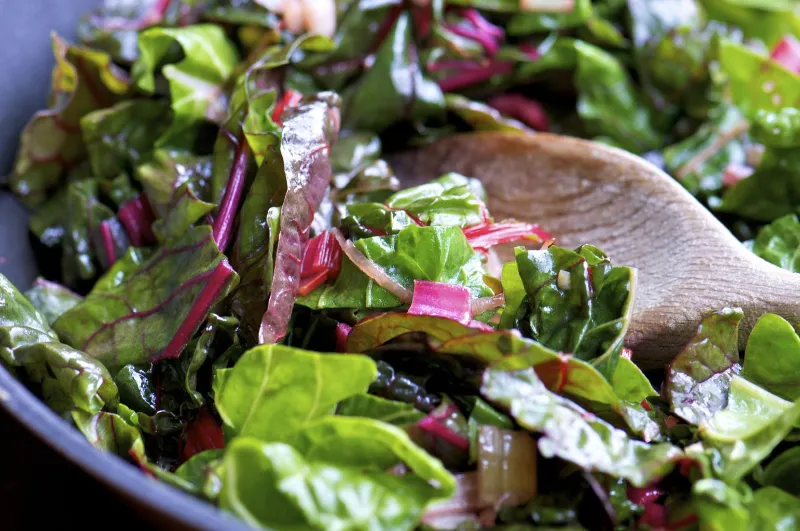
Swiss chard is one of the most magnesium-dense leafy greens available and one of the most underutilized vegetables in American home cooking. Half a cup of cooked Swiss chard delivers about 75 mg of magnesium, covering around 18 percent of the daily value from a vegetable that costs very little and cooks in under five minutes.
The rainbow varieties of Swiss chard with their brightly colored stems in red, yellow, orange, and white are visually stunning and taste exactly the same as the green variety. The stems take a few minutes longer to cook than the leaves, so add them to the pan first. The leaves wilt quickly and should go in at the very end.
Swiss chard has a slightly bitter, earthy flavor that pairs beautifully with garlic, lemon, olive oil, and red pepper flakes. A quick saute with those four ingredients is genuinely one of the best five-minute vegetable preparations in any kitchen. It works as a side dish, a pasta addition, a pizza topping, or a grain bowl base.
Beyond magnesium, Swiss chard delivers extraordinary amounts of Vitamin K and Vitamin A. One cup of cooked Swiss chard provides several times the daily value of Vitamin K, which is important for bone health and proper blood clotting. It is one of those vegetables that earns the description nutritionally dense in the most literal possible sense.
Nutrition Info:
| Nutrient | Amount (per serving) |
| Magnesium | 75 mg (18% DV) |
| Calories | 18 kcal |
| Vitamin K | 572 mcg |
| Vitamin A | 268 mcg RAE |
| Potassium | 480 mg |
24. Salmon
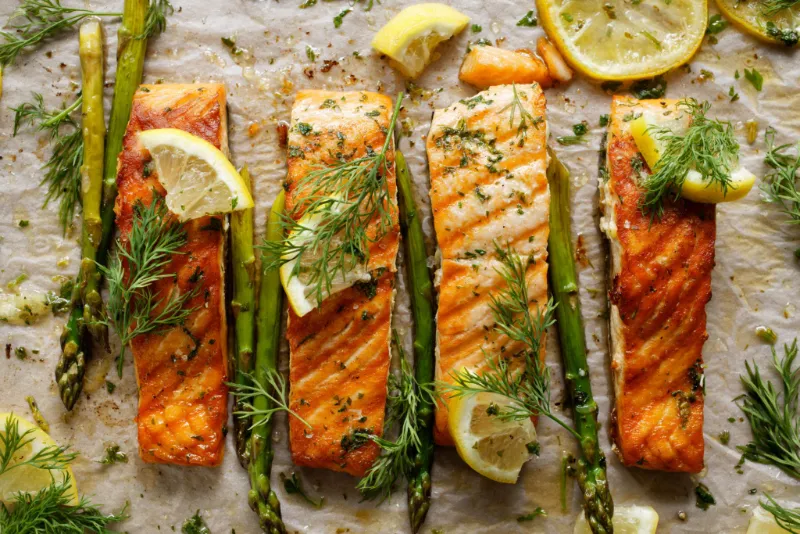
Salmon is celebrated for its omega-3 content and rightfully so, but the magnesium contribution is worth noting too. A 3-ounce serving of cooked salmon delivers about 26 mg of magnesium alongside an extraordinary fatty acid profile, complete protein, and Vitamin D in amounts that are hard to find elsewhere. It is one of the most nutritionally complete foods available.
Wild-caught salmon generally has a more favorable nutritional profile than farmed salmon, with higher omega-3 content and a cleaner fatty acid ratio. Sockeye and coho are excellent wild-caught options that are widely available in the US, either fresh during season or frozen year-round. Both deliver solid magnesium content.
Salmon is one of the most forgiving fish to cook at home. Bake it skin-side down at 400 degrees for 12 to 15 minutes and it comes out perfectly every time. The skin gets crispy and acts as a natural barrier that keeps the flesh moist. A squeeze of lemon and some fresh dill on top and you are done.
Canned wild salmon is a genuinely practical and affordable way to eat salmon multiple times a week. The bones in canned salmon are soft enough to eat and provide a remarkable amount of calcium alongside the magnesium and omega-3s. Salmon patties, pasta, and grain bowls built on canned salmon are weeknight meals worth adding to the regular rotation.
Nutrition Info:
| Nutrient | Amount (per serving) |
| Magnesium | 26 mg (6% DV) |
| Calories | 177 kcal |
| Omega-3 (EPA/DHA) | 1.8 g |
| Protein | 25 g |
| Vitamin D | 11 mcg |
25. Whole Wheat Bread
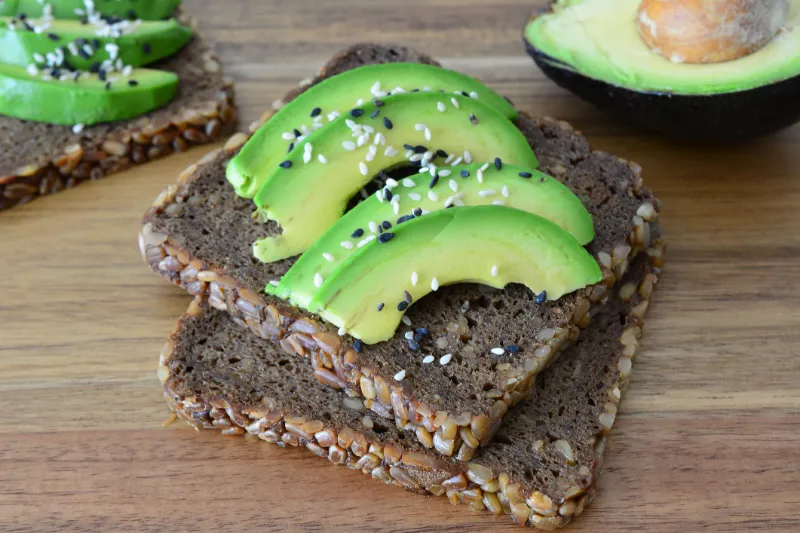
Whole wheat bread is one of the most accessible everyday magnesium sources for most Americans, and the difference between whole wheat and white bread in terms of magnesium is significant. Two slices of whole wheat bread deliver about 46 mg of magnesium, while two slices of white bread provide barely a quarter of that amount. The mineral lives in the bran and germ that refining removes.
Not all brown bread is actually whole wheat. Look for labels that list whole wheat flour as the first ingredient and confirm that the bread contains at least 2 grams of fiber per slice. Some commercial brown breads are just white bread with molasses added for color, which tells you nothing about the mineral content.
Whole wheat bread pairs naturally with other magnesium-rich foods in ways that make building a mineral-dense meal effortless. Almond butter on whole wheat toast. Avocado on whole wheat toast. Hummus and spinach in a whole wheat wrap. Each of these combinations stacks multiple magnesium sources without requiring any special effort.
Sourdough made from whole wheat flour is particularly interesting from a magnesium absorption standpoint. The fermentation process in sourdough reduces phytic acid content, which means more of the magnesium in the bread becomes bioavailable compared to regular whole wheat bread. A good whole wheat sourdough is both delicious and a more mineral-efficient choice.
Nutrition Info:
| Nutrient | Amount (per serving) |
| Magnesium | 46 mg (11% DV) |
| Calories | 138 kcal |
| Fiber | 3.8 g |
| Iron | 1.9 mg |
| Zinc | 1.5 mg |
26. Broccoli
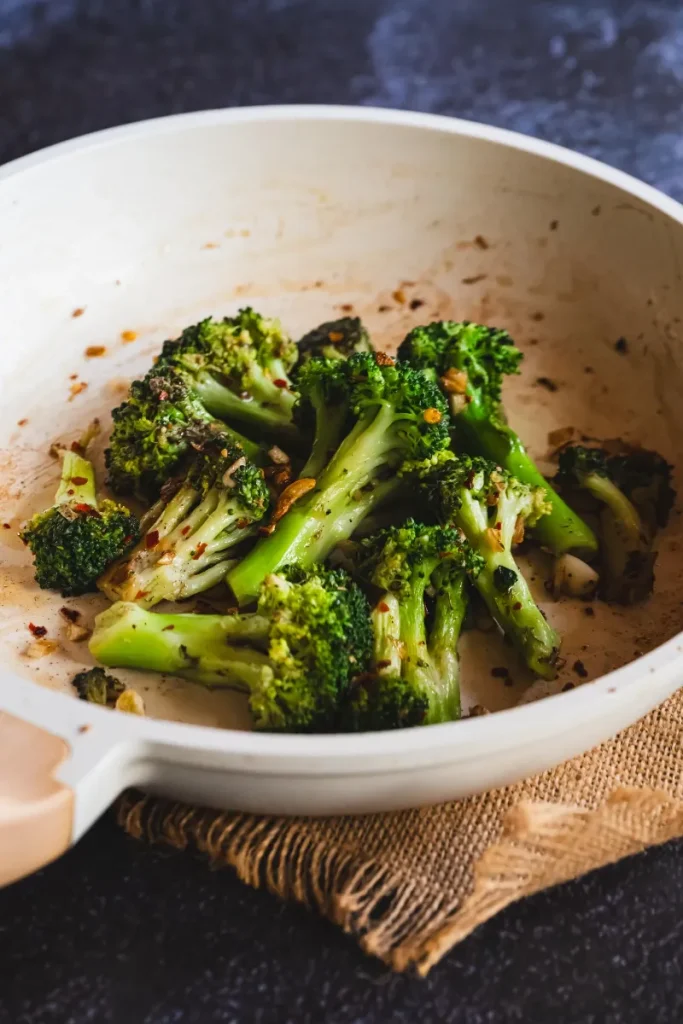
Broccoli is a kitchen staple that shows up on nearly every healthy eating list, and its magnesium content is one of the reasons why. One cup of cooked broccoli delivers about 33 mg of magnesium alongside Vitamin C, Vitamin K, folate, and fiber in quantities that make it one of the most nutritionally dense vegetables in any grocery store.
Lightly steaming broccoli preserves more of its nutrients than boiling, which leaches water-soluble vitamins and minerals into the cooking water. Roasting at high heat is the best flavor approach and preserves minerals well since no water is involved. A quick steam or high-heat roast for under 15 minutes is the ideal approach for both nutrition and taste.
The stems of broccoli are as nutritious as the florets and often get thrown away unnecessarily. Peel the tough outer layer of the stem and slice the tender inner portion into coins or sticks. They have a milder, sweeter flavor than the florets and cook beautifully when roasted or added to stir fries.
Broccoli also contains sulforaphane, a plant compound that forms when broccoli is cut or chewed and has been studied extensively for its potential cancer-preventive properties. The enzyme that produces sulforaphane is deactivated by heat, so eating some raw broccoli alongside cooked gives you both the mineral benefit and the sulforaphane activity.
Nutrition Info:
| Nutrient | Amount (per serving) |
| Magnesium | 33 mg (8% DV) |
| Calories | 55 kcal |
| Vitamin C | 101 mg |
| Vitamin K | 92 mcg |
| Folate | 168 mcg |
27. Buckwheat
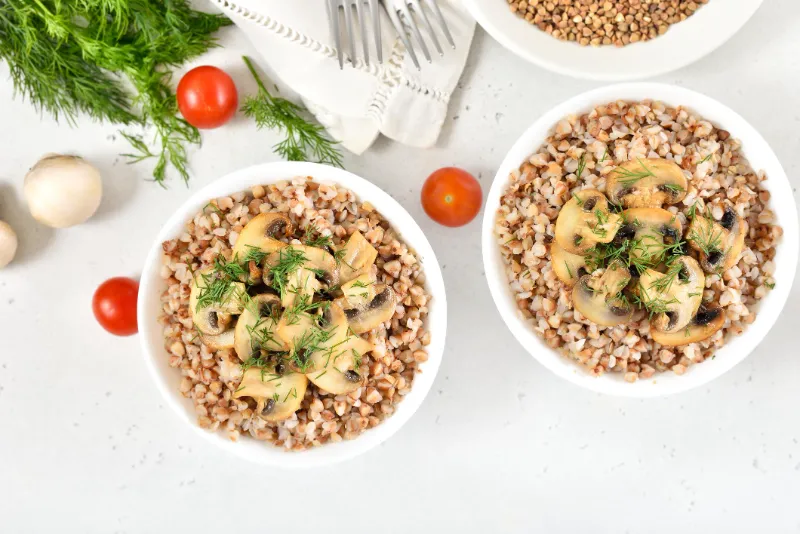
Buckwheat is a gluten-free seed that cooks and eats like a grain, and it is one of the most underrated magnesium sources in the American pantry. One cup of cooked buckwheat groats delivers about 86 mg of magnesium, covering around 20 percent of the daily value. It has a nutty, earthy flavor that is more interesting and satisfying than most neutral grains.
Kasha is toasted buckwheat groats with an even nuttier, more robust flavor that is popular in Eastern European cooking. It works beautifully in pilafs, soups, and side dishes. Raw buckwheat groats have a milder flavor that works well in porridge, granola, and overnight preparations.
Buckwheat pancakes are a classic American breakfast preparation that delivers significantly more magnesium than pancakes made from all-purpose flour. The dark color and rich flavor of buckwheat pancakes are genuinely superior to plain flour pancakes in both taste and nutrition. Buckwheat pancake mix is available at most grocery stores and is simple to use.
Soba noodles made from buckwheat flour are a popular Japanese noodle that brings magnesium into a pasta context. Check the label because some soba noodles blend buckwheat with wheat flour. Pure buckwheat soba has a stronger flavor and is gluten-free. Served cold with a sesame dipping sauce, soba noodles are one of the most refreshing and nutritious noodle dishes you can make.
Nutrition Info:
| Nutrient | Amount (per serving) |
| Magnesium | 86 mg (20% DV) |
| Calories | 155 kcal |
| Fiber | 4.5 g |
| Protein | 5.7 g |
| Manganese | 0.7 mg |
28. Brazil Nuts
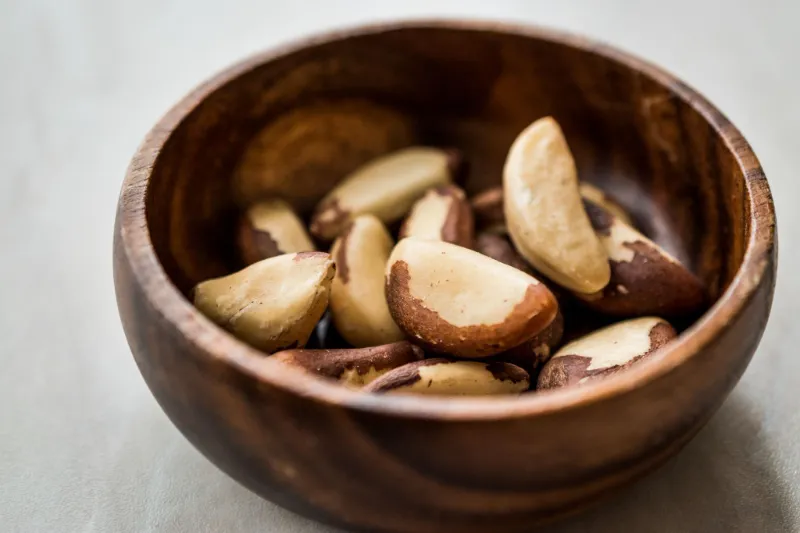
Brazil nuts are famous for their extraordinary selenium content, but the magnesium contribution is also worth celebrating. One ounce of Brazil nuts delivers about 107 mg of magnesium, covering roughly 25 percent of the daily value. That is one of the highest magnesium concentrations of any nut, paired with the most selenium of any food on earth.
The selenium content of Brazil nuts is so high that eating just one to three per day provides the entire daily recommended amount for most adults. The two-mineral combination of magnesium and selenium in a single nut makes Brazil nuts one of the most nutritionally efficient snack choices available if you can find them fresh.
Freshness is the main challenge with Brazil nuts. They are high in polyunsaturated fats that go rancid relatively quickly, and stale Brazil nuts have a distinctly unpleasant flavor that puts many people off. Buy them in small quantities from a store with high turnover, check the expiration date carefully, and store them in the refrigerator after opening.
One to three Brazil nuts per day as a selenium and magnesium supplement is a completely legitimate nutritional strategy. More than four to five per day risks selenium toxicity over time because the selenium content is so concentrated. They are one of the few foods where more is genuinely not better. One or two daily is the sweet spot.
Nutrition Info:
| Nutrient | Amount (per serving) |
| Magnesium | 107 mg (25% DV) |
| Calories | 186 kcal |
| Selenium | 544 mcg (989% DV) |
| Healthy Fats | 19 g |
| Protein | 4 g |
29. Tahini

Tahini is a paste made from ground sesame seeds, and it is one of the most magnesium-dense condiments you can keep in your kitchen. Two tablespoons of tahini deliver about 28 mg of magnesium alongside calcium, iron, and healthy fats in a rich, nutty paste that enhances almost everything it touches.
Tahini is the backbone of hummus and a key component in baba ganoush, but its uses extend far beyond Middle Eastern cooking. Drizzle it over roasted vegetables, swirl it into grain bowls, whisk it into salad dressings with lemon and garlic, spread it on toast with honey and banana, or thin it with water and soy sauce for one of the best noodle sauces you will ever make.
The quality of tahini varies significantly between brands. Good tahini should be pourable, slightly oily, and have a smooth, nutty flavor with a mild bitterness. Poor quality tahini is thick, pasty, and overwhelmingly bitter. Look for brands made from hulled sesame seeds, which are milder and creamier than unhulled sesame tahini.
Sesame seeds on their own are also an excellent magnesium source. One ounce of whole sesame seeds delivers about 101 mg of magnesium, which is higher per ounce than most nuts. Sprinkle sesame seeds onto stir fries, noodles, salads, and baked goods as an easy daily mineral boost.
Nutrition Info:
| Nutrient | Amount (per serving) |
| Magnesium | 28 mg (7% DV) per 2 tbsp |
| Calories | 178 kcal |
| Calcium | 128 mg |
| Iron | 2.7 mg |
| Protein | 5.1 g |
30. Yogurt (Plain)

Plain yogurt is a daily staple for millions of Americans, and the magnesium content is one of the overlooked reasons it is such a smart regular choice. One cup of plain whole milk yogurt delivers about 30 mg of magnesium alongside calcium, protein, and live probiotic cultures that support gut health. It is a food that earns its place in the daily rotation from multiple nutritional angles.
Greek yogurt has a higher protein content than regular yogurt because it is strained to remove excess whey, but regular yogurt generally retains slightly more magnesium because some minerals are lost in the straining process. Both are solid choices and both deliver live cultures that feed beneficial gut bacteria.
The most important distinction when buying yogurt is the added sugar content. Plain yogurt has essentially no added sugar while most flavored yogurts have 15 to 25 grams or more of added sugar per serving. Buy plain and sweeten it yourself with fruit, honey, or a drizzle of maple syrup. You control the sweetness and preserve all the nutritional value.
Using yogurt as a base for savory dishes is one of the most underutilized cooking strategies in American kitchens. Plain yogurt works as a marinade for chicken, a sauce base, a substitute for sour cream, and a dressing for grain salads. Every application delivers the magnesium and probiotic benefits while adding a pleasant tangy creaminess.
Nutrition Info:
| Nutrient | Amount (per serving) |
| Magnesium | 30 mg (7% DV) |
| Calories | 149 kcal |
| Calcium | 296 mg |
| Protein | 8.5 g |
| Probiotics | live cultures present |
31. Kale
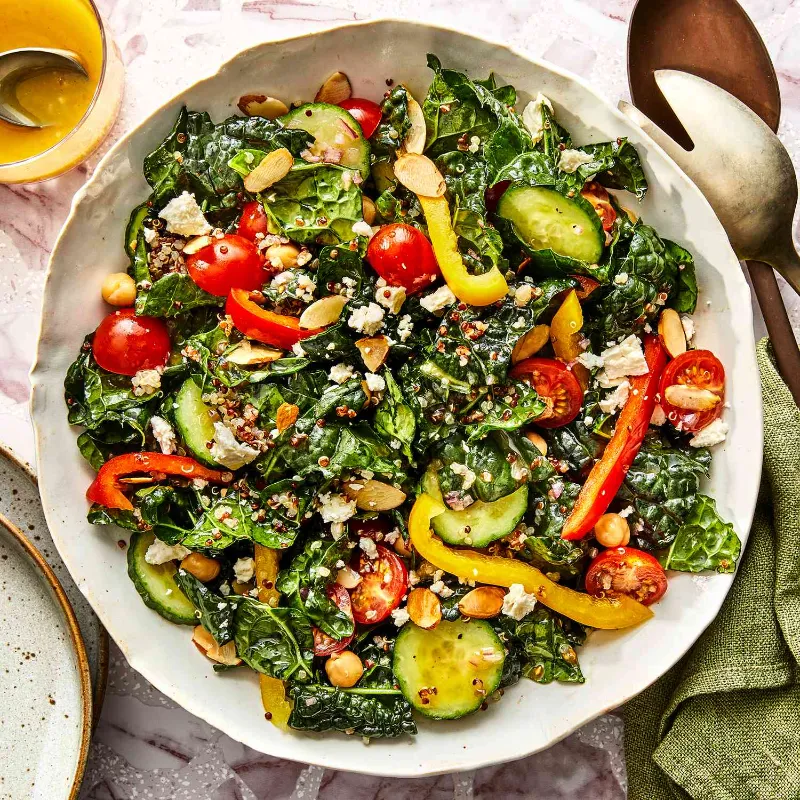
Kale has held its position as one of the most celebrated leafy greens in American food culture for years, and the magnesium content is part of what earns that reputation. One cup of cooked kale delivers about 23 mg of magnesium alongside truly extraordinary amounts of Vitamins K, A, and C. It is one of the most nutrient-dense vegetables you can find in any produce section.
Raw kale can feel tough and slightly bitter straight from the bunch. Massaging raw kale with olive oil and lemon juice for a minute or two softens the leaves, reduces the bitterness, and makes the texture genuinely pleasant for salads. That one technique transforms kale from something people eat out of obligation into something they actually enjoy.
Kale chips are one of the best healthy snack alternatives available. Tear the leaves off the stems, toss with olive oil and salt, and bake at 300 degrees for 20 minutes until crispy and papery. They are light, salty, and satisfying in a way that genuinely competes with potato chips if you eat them right out of the oven.
Baby kale is significantly more tender and mild than mature curly kale, making it an excellent entry point for anyone who finds regular kale off-putting. It works raw in salads straight from the bag and requires no massaging or special preparation. Adding a handful of baby kale to a smoothie is one of the most invisible ways to get more magnesium and vitamins into your day.
Nutrition Info:
| Nutrient | Amount (per serving) |
| Magnesium | 23 mg (5% DV) |
| Calories | 36 kcal |
| Vitamin K | 1062 mcg |
| Vitamin A | 885 mcg RAE |
| Vitamin C | 53 mg |
32. Millet

Millet is one of the oldest cultivated grains in human history and one that most Americans have barely encountered, which is a real shame given its nutritional profile. One cup of cooked millet delivers about 77 mg of magnesium alongside impressive amounts of manganese, phosphorus, and B vitamins. It is a gluten-free grain with a mild, slightly sweet flavor that works in both sweet and savory preparations.
Millet cooks in about 20 minutes in a 2 to 1 ratio of water to grain, similar to rice. It can be cooked fluffy like rice, creamy like polenta, or toasted in the pan before adding liquid for a nuttier flavor. The versatility is underrated by the American market even though it is a staple grain in much of Africa, Asia, and India.
Millet porridge for breakfast is a warm, filling alternative to oatmeal with a slightly different nutritional profile. Cook it with milk, cinnamon, and a little sweetener and top with fruit and nuts for a magnesium-rich morning meal. It has a naturally mild sweetness that makes it very pleasant without much added sugar.
Because millet is gluten-free, it is a great option for people with celiac disease or non-celiac gluten sensitivity who want to diversify their grain intake beyond rice and corn. Look for it in bulk bins at natural food stores or in the health food aisle at most mainstream grocery stores. It is considerably more affordable than many trendy alternative grains.
Nutrition Info:
| Nutrient | Amount (per serving) |
| Magnesium | 77 mg (18% DV) |
| Calories | 207 kcal |
| Fiber | 2.3 g |
| Manganese | 0.3 mg |
| Phosphorus | 174 mg |
33. Walnuts

Walnuts deliver about 45 mg of magnesium per ounce and stand apart from other nuts because of their extraordinary omega-3 alpha-linolenic acid content. No other tree nut comes close to walnuts for plant-based omega-3s, and combining that with the magnesium makes them one of the most heart-health-oriented nuts you can eat regularly.
The slightly bitter, tannic quality of walnut skins comes from tannin compounds that have their own antioxidant properties. Buying raw, unprocessed walnuts with the papery skin intact gives you the most complete nutritional package. Roasting walnuts lightly at 350 degrees for 8 minutes deepens the flavor and makes the tannin taste less pronounced without significantly affecting the nutrient content.
Walnuts work beautifully in both sweet and savory cooking. Toss them into salads with blue cheese and pears, press them onto crusted salmon, add them to oatmeal and grain bowls, or chop them into brownies and banana bread. They add a distinctive richness and texture that most other nuts cannot replicate.
Research specifically on walnuts and brain health is compelling. The omega-3 content combined with antioxidants and magnesium has been studied for its role in supporting cognitive function and reducing age-related cognitive decline. Eating a small handful of walnuts daily is one of the most evidence-backed dietary habits for long-term brain health.
Nutrition Info:
| Nutrient | Amount (per serving) |
| Magnesium | 45 mg (11% DV) |
| Calories | 185 kcal |
| Omega-3 (ALA) | 2.6 g |
| Protein | 4.3 g |
| Copper | 0.4 mg |
34. Seaweed
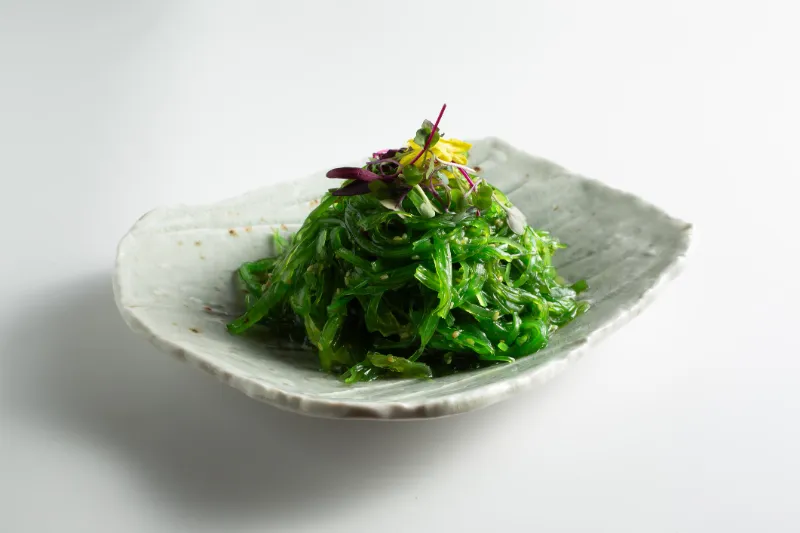
Seaweed is a mineral-dense food group that most Americans eat infrequently, if at all, despite the fact that it is one of the most concentrated natural sources of multiple minerals including magnesium. Dried wakame seaweed used in miso soup delivers about 107 mg of magnesium per 100 grams, and even the small amount used in a typical soup serving contributes meaningfully.
Nori sheets, the roasted seaweed used in sushi rolls, are now widely available as packaged snacks in most grocery stores and are one of the easiest ways to start eating more seaweed. They are light, crispy, salty, and genuinely enjoyable as a chip alternative. A package costs about a dollar and delivers iodine, magnesium, and unique marine minerals in every serving.
Kelp noodles are another interesting seaweed product that is essentially calorie-free and provides a mild, slightly briny flavor that works well in Asian-inspired noodle dishes. They are available at natural food stores and online and make a fun textural addition to cold noodle salads or soups.
Beyond magnesium, seaweed is one of the only reliable plant-based sources of iodine, which is essential for thyroid function and is genuinely difficult to get from a typical American diet that does not include seafood or iodized salt. Adding seaweed in any form to your diet a few times a week addresses both the magnesium and iodine gaps simultaneously.
Nutrition Info:
| Nutrient | Amount (per serving) |
| Magnesium | 107 mg per 100g dried wakame |
| Calories | 45 kcal per 100g |
| Iodine | high content (varies by type) |
| Calcium | 150 mg |
| Folate | 196 mcg |
35. Beet Greens
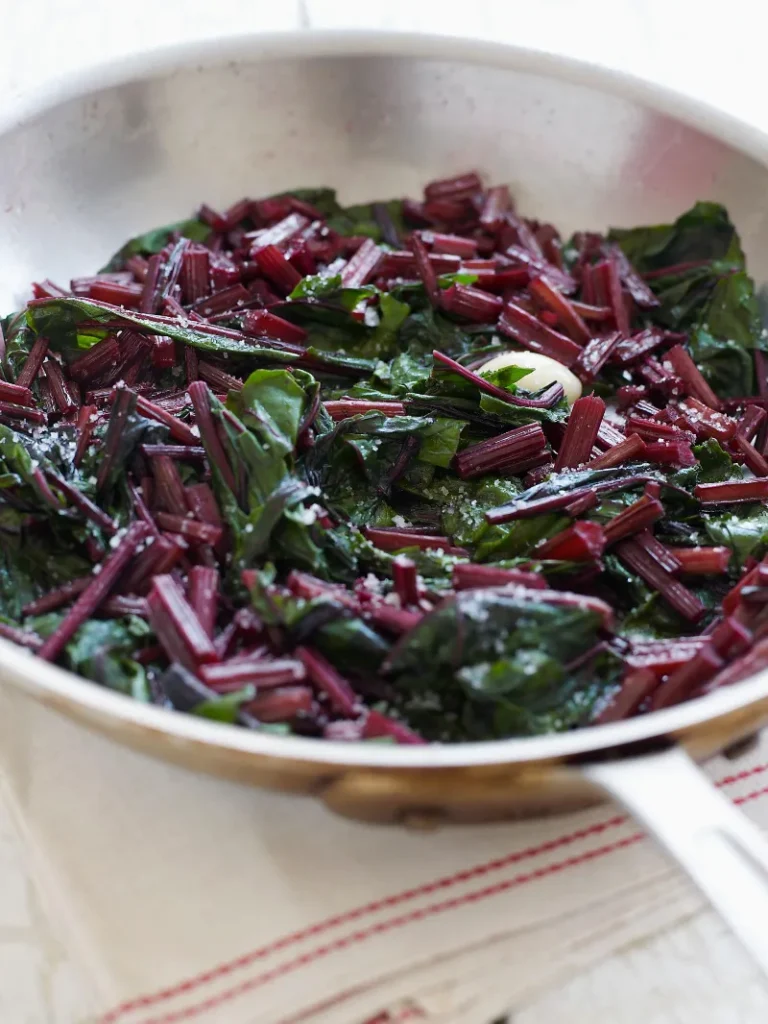
Beet greens are the leafy tops of the beet plant and they are one of the most magnesium-dense vegetables you can eat, yet they get discarded by most cooks who buy fresh beets. Half a cup of cooked beet greens delivers about 49 mg of magnesium alongside extraordinary amounts of Vitamin K and Vitamin A. Throwing them away is genuinely a nutritional mistake.
Beet greens taste similar to Swiss chard, which makes sense because beets and chard are actually the same plant species. They have a slightly earthy, mineral flavor that mellows beautifully when sauteed with garlic and olive oil. The stems are edible too and add a pleasant crunch to cooked dishes.
Next time you buy fresh beets with the tops still attached, separate the greens and store them separately in the refrigerator since they wilt faster than the roots. Use the greens within two to three days while the beet roots can keep for two weeks or more. A quick saute with garlic is the fastest and most delicious preparation.
Younger, smaller beet greens have a more tender texture and milder flavor that works well in raw salads mixed with other greens. They look beautiful with their red-veined leaves and add visual interest to any salad bowl. If your farmers market sells beets with especially full, lush tops, you are getting bonus magnesium for free.
Nutrition Info:
| Nutrient | Amount (per serving) |
| Magnesium | 49 mg (12% DV) |
| Calories | 19 kcal |
| Vitamin K | 697 mcg |
| Vitamin A | 276 mcg RAE |
| Potassium | 654 mg |
36. Soybeans
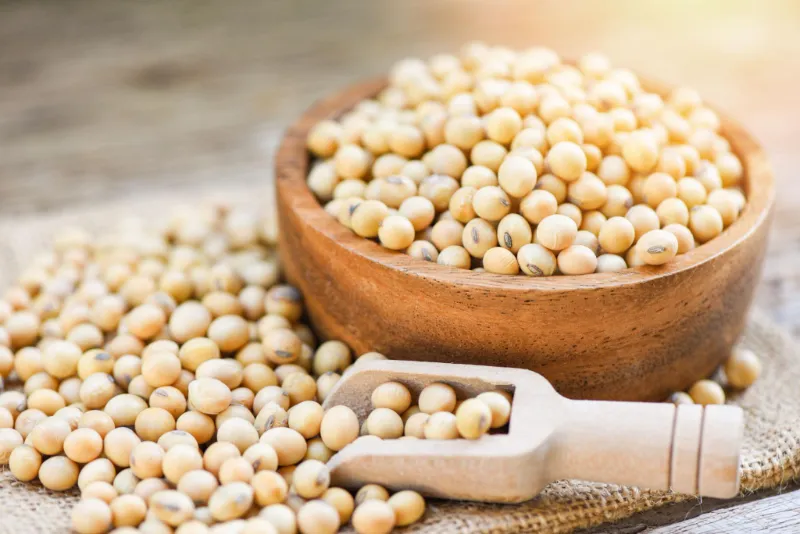
Whole soybeans are one of the most magnesium-rich legumes available, with one cup of cooked soybeans delivering about 148 mg of magnesium, which covers roughly 35 percent of the daily value. They are also a complete plant protein, meaning they provide all nine essential amino acids, which is rare in plant foods.
Cooked whole soybeans can be harder to find than edamame or tofu, but they are available canned or dried at Asian grocery stores and some natural food retailers. Cooked soybeans have a firm, slightly chewy texture and a mild flavor that absorbs seasonings well. They work in soups, stews, grain bowls, and salads.
Soy-based products like tempeh and tofu carry much of the magnesium from the original soybeans and are far more widely available. Tempeh in particular is made from fermented whole soybeans and has a nutty, slightly tangy flavor with a firm, sliceable texture. It delivers more magnesium per serving than regular tofu because the whole bean is used.
The debate around soy and health has been ongoing for years, but the consensus from major nutrition and medical organizations is that whole soy foods consumed in moderate amounts are safe and nutritionally beneficial for most people. The isoflavones in soy behave quite differently from human estrogen and the research does not support concerns about hormonal effects in typical dietary amounts.
Nutrition Info:
| Nutrient | Amount (per serving) |
| Magnesium | 148 mg (35% DV) |
| Calories | 298 kcal |
| Protein | 28.6 g |
| Iron | 8.8 mg |
| Fiber | 10 g |
37. Figs (Dried)

Dried figs are a sweet, chewy snack that delivers a meaningful amount of magnesium in a concentrated package. Half a cup of dried figs provides about 50 mg of magnesium alongside calcium, potassium, and an impressive fiber content. They are one of the most mineral-rich dried fruits available and work beautifully in both sweet and savory applications.
The natural sugar concentration in dried figs is high, so moderation matters. A small handful of three to four dried figs as a snack or incorporated into a dish is a reasonable serving that gives you the magnesium benefits without an excessive sugar hit. Pairing them with a protein source like cheese or nuts slows down the sugar absorption.
Dried figs in savory dishes is a combination that American cooking does not use enough. Add them to grain salads with arugula, walnuts, and goat cheese. Slice them onto a cheese board alongside aged cheddar and prosciutto. Incorporate them into braised meats for a subtle sweetness that rounds out rich savory flavors beautifully.
Fresh figs when in season in late summer and early fall are lower in sugar and equally delicious, though they have a shorter shelf life. They deliver slightly less magnesium per serving than dried figs because of the higher water content, but the flavor of a perfectly ripe fresh fig is extraordinary and worth seeking out when available.
Nutrition Info:
| Nutrient | Amount (per serving) |
| Magnesium | 50 mg (12% DV) |
| Calories | 185 kcal |
| Calcium | 120 mg |
| Potassium | 506 mg |
| Fiber | 7.3 g |
38. Tempeh

Tempeh is fermented whole soybeans pressed into a firm cake, and it is one of the most magnesium-rich plant proteins available. A 3-ounce serving of tempeh delivers about 65 mg of magnesium alongside 16 grams of complete protein and a range of B vitamins. The fermentation process also reduces the phytic acid content, which means the magnesium in tempeh is more bioavailable than in many other plant sources.
The flavor of tempeh is nutty, slightly earthy, and has a satisfying savory depth that cooked tofu does not always match. Sliced and pan-fried until golden and crispy, tempeh develops a texture and flavor that works beautifully in sandwiches, tacos, grain bowls, and stir fries. Marinating it before cooking dramatically improves the flavor by giving it time to absorb seasonings.
Tempeh is widely available at Whole Foods, Trader Joe’s, and most natural food stores. Many conventional grocery stores have started carrying it in the refrigerated natural foods section. It keeps for two weeks in the refrigerator and freezes well, so stocking up when you find it is a smart move.
For anyone transitioning toward more plant-based meals, tempeh is one of the most practically satisfying meat alternatives available. It is not trying to mimic meat. It is its own thing with a great texture and genuine flavor. Crumbled and cooked with taco seasoning, it is genuinely excellent in tacos and burritos with zero apology needed.
Nutrition Info:
| Nutrient | Amount (per serving) |
| Magnesium | 65 mg (15% DV) |
| Calories | 160 kcal |
| Protein | 16 g |
| Iron | 2.1 mg |
| Fiber | 3 g |
39. Prunes

Prunes have a reputation primarily as a digestive remedy, but they are also a solid source of magnesium that deserves recognition in a broader nutritional context. Half a cup of prunes delivers about 34 mg of magnesium alongside impressive amounts of Vitamin K, potassium, and the sorbitol that gives them their well-known digestive effects.
The high fiber content in prunes combined with the sorbitol makes them genuinely effective for supporting regular bowel movements. For anyone dealing with occasional constipation, four to five prunes daily is a dietary approach that has been studied and consistently shown to be effective. The magnesium also plays a role in digestive regularity since it helps relax intestinal muscles.
Prunes in cooking are an underappreciated ingredient in American cuisine. They work beautifully in Moroccan-inspired stews with lamb and chickpeas, in braised beef dishes, in compotes served with cheese, and in baked goods where they add moisture and a rich, deep sweetness. Do not limit them to snacking.
Prune juice is a convenient way to get the benefits in liquid form, though eating whole prunes preserves the fiber content better. The fiber in whole prunes slows sugar absorption and feeds gut bacteria, which are benefits you lose when the juice is separated from the pulp. Whole prunes are always the more complete option.
Nutrition Info:
| Nutrient | Amount (per serving) |
| Magnesium | 34 mg (8% DV) |
| Calories | 209 kcal |
| Vitamin K | 52 mcg |
| Potassium | 637 mg |
| Fiber | 6.2 g |
40. Molasses (Blackstrap)

Blackstrap molasses is one of the most magnesium-dense sweeteners available and one of the least used in American kitchens, which is a genuine oversight. One tablespoon of blackstrap molasses delivers about 48 mg of magnesium alongside extraordinary amounts of iron, calcium, and potassium. It is essentially the concentrated mineral extract left over from the sugar refining process.
The taste is intensely rich, slightly bitter, and deeply caramel-like in a way that is quite different from regular molasses. It is too strong to use as a table sweetener but works beautifully in baking, marinades, and savory-sweet preparations. Gingerbread, baked beans, BBQ sauce, and dark rye bread are classic applications that showcase its deep flavor.
Blackstrap molasses is one of the best plant-based sources of iron available, with about 3.5 mg per tablespoon. For vegetarians and vegans who struggle to meet iron needs, blackstrap molasses stirred into warm milk or oatmeal is a traditional remedy that works. The combination of iron and magnesium in a single teaspoon is remarkable.
Regular molasses and light molasses have a milder flavor but significantly less mineral content than blackstrap. If you are using molasses specifically for the nutritional benefits, blackstrap is the only variety worth buying. It is available at most grocery stores in the baking aisle and keeps indefinitely in the pantry, making it one of the lowest-maintenance magnesium sources on this entire list.
Nutrition Info:
| Nutrient | Amount (per serving) |
| Magnesium | 48 mg (11% DV) |
| Calories | 47 kcal |
| Iron | 3.5 mg |
| Calcium | 200 mg |
| Potassium | 498 mg |
Final Thoughts
Magnesium deficiency is one of the most common and most overlooked nutritional gaps in the American diet. The good news is that fixing it does not require supplements. It just requires eating more of the real, whole foods on this list consistently. Start with two or three favorites and build from there. Your body will feel the difference.

