
21 Foods That Make You Poop Instantly (And Feel Better Fast!)

Feeling constipated can slow down your whole day and affect your mood, energy, and comfort.

I have dealt with it myself, and I know how frustrating it can be. The good news is that food can help your body naturally.
In this article, I will walk you through simple foods that help you poop faster and feel better, written in an easy, friendly way anyone can understand.
Prunes
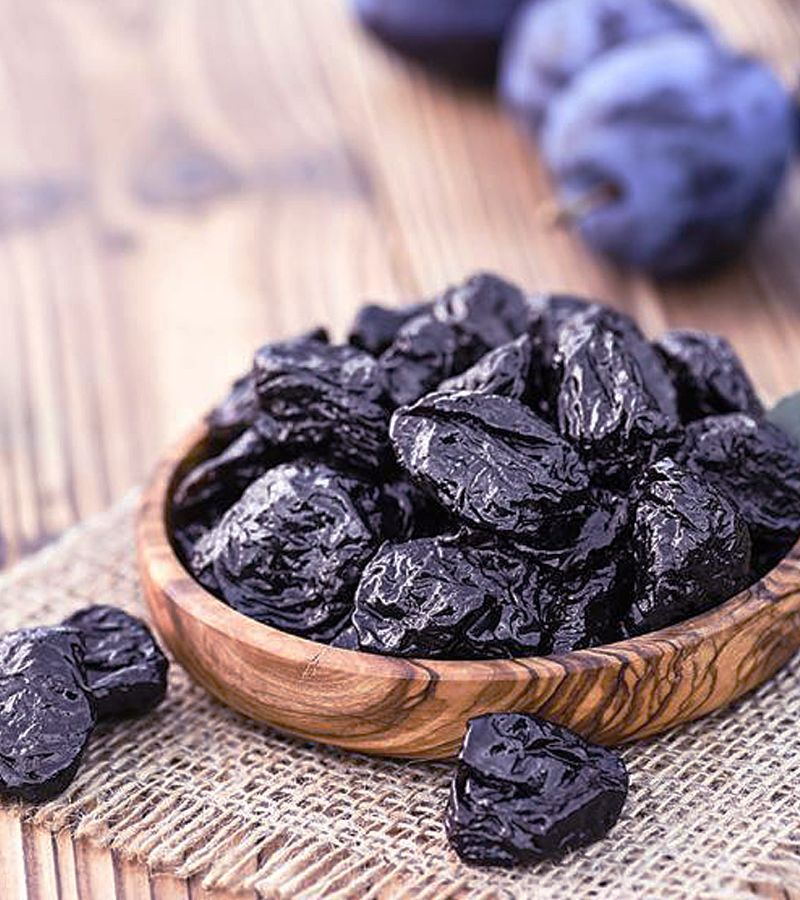
Prunes are one of the most trusted natural foods for constipation. They are dried plums that contain a lot of fiber, which helps add bulk to poop. They also have a natural sugar called sorbitol that pulls water into your intestines. This makes stool softer and easier to pass without straining.
When I eat prunes, I like to start with a small amount, about four or five. Eating too many at once can feel uncomfortable. Prunes work best when eaten with water, especially in the morning. They are gentle but effective and are often recommended by doctors for regular digestion.
Coffee

Coffee is well known for waking up your body, but it also wakes up your digestive system. Drinking coffee sends a signal to your colon to start moving. This happens even with decaf coffee. The warmth and compounds in coffee help trigger the natural urge to poop.
I usually notice results within 15 to 30 minutes after drinking coffee. It works best in the morning when your digestive system is already active. Just remember to drink water too, because coffee can make you lose fluids, and hydration is very important for easy bowel movements.
Apples
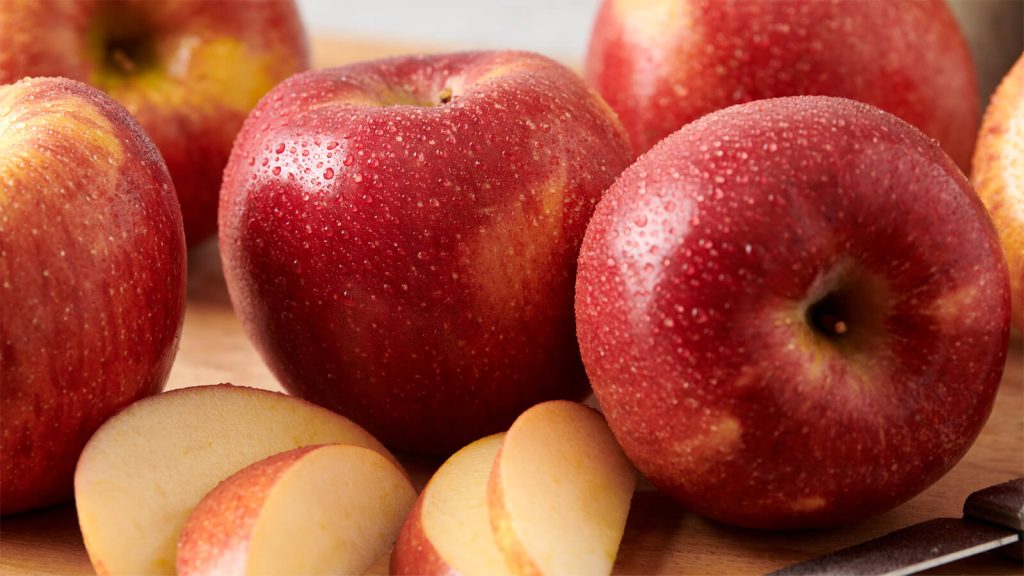
Apples are simple, affordable, and gentle on your stomach. They contain a type of fiber called pectin that helps soften stool and improve bowel movement. The skin holds most of the fiber, so it is best to eat apples whole instead of peeled.
I like apples as a snack because they are easy to carry and eat anywhere. Eating one apple a day can slowly improve digestion and help prevent constipation. Apples also contain water, which supports hydration and keeps stool from becoming dry and hard.
Pears
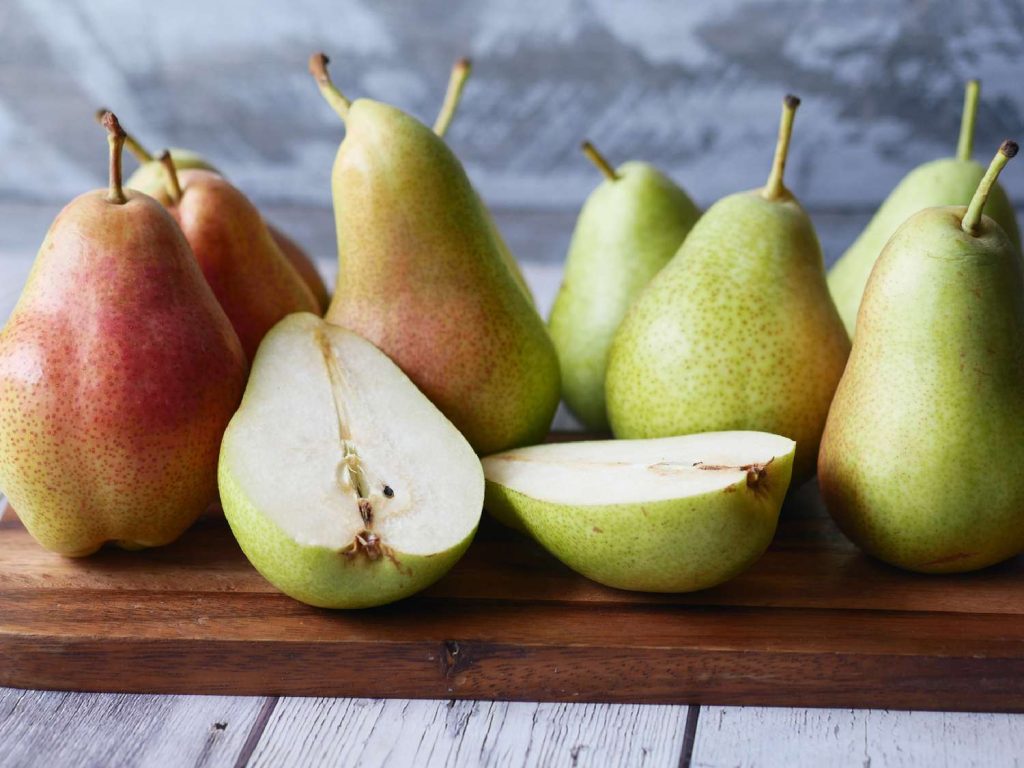
Pears are one of the highest fiber fruits you can eat. They also contain sorbitol, which helps bring water into the intestines. This combination makes pears very helpful when poop feels hard or difficult to pass.
I find pears especially helpful when eaten fresh and ripe. They are naturally sweet and easy on the stomach. Eating one pear as a snack or with breakfast can help your bowels move within the same day for many people.
Kiwi
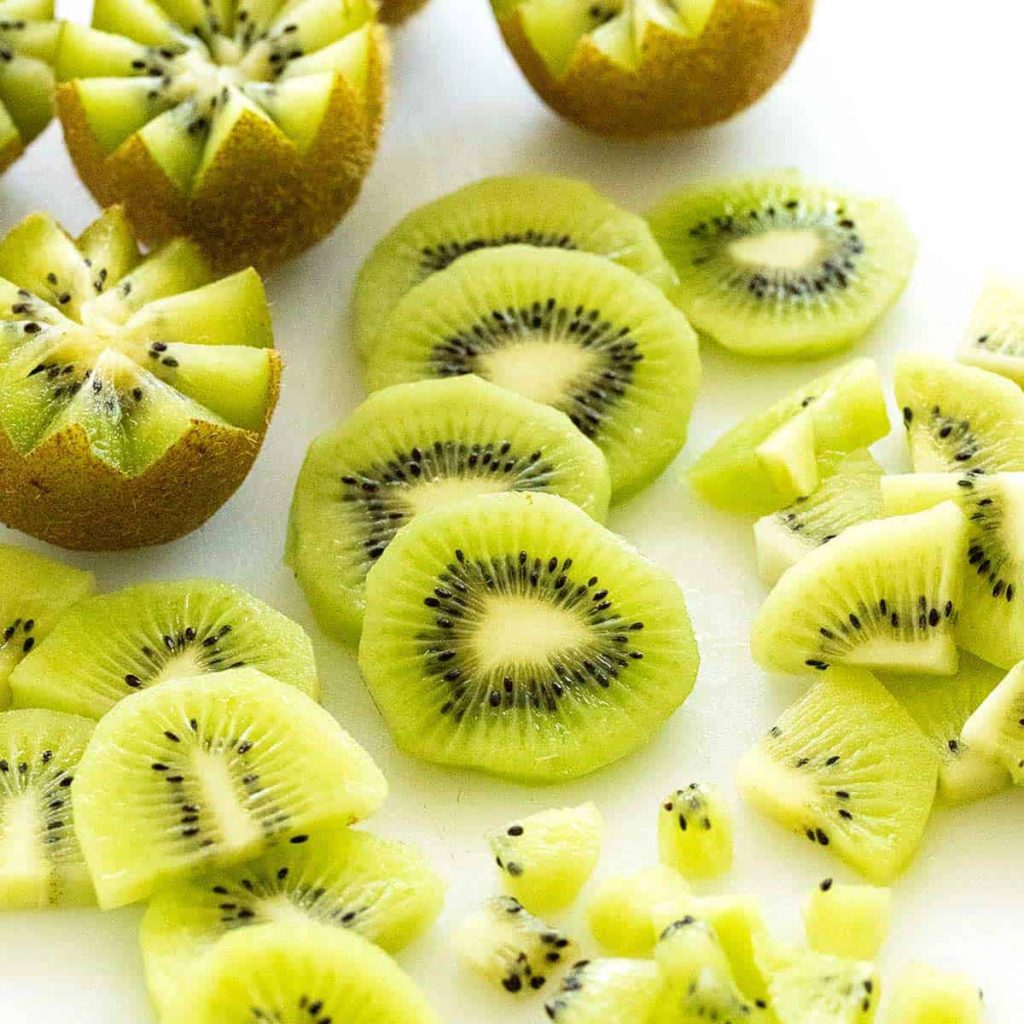
Kiwi is a small fruit with big digestive benefits. It contains fiber and a special enzyme that helps food move through your gut faster. Kiwi also supports healthy gut bacteria, which helps improve regular bathroom habits.
When I eat kiwi regularly, I notice less bloating and more consistent bowel movements. One or two kiwis a day is often enough to help. You can eat them plain or add them to yogurt or fruit bowls for extra digestive support.
Oatmeal
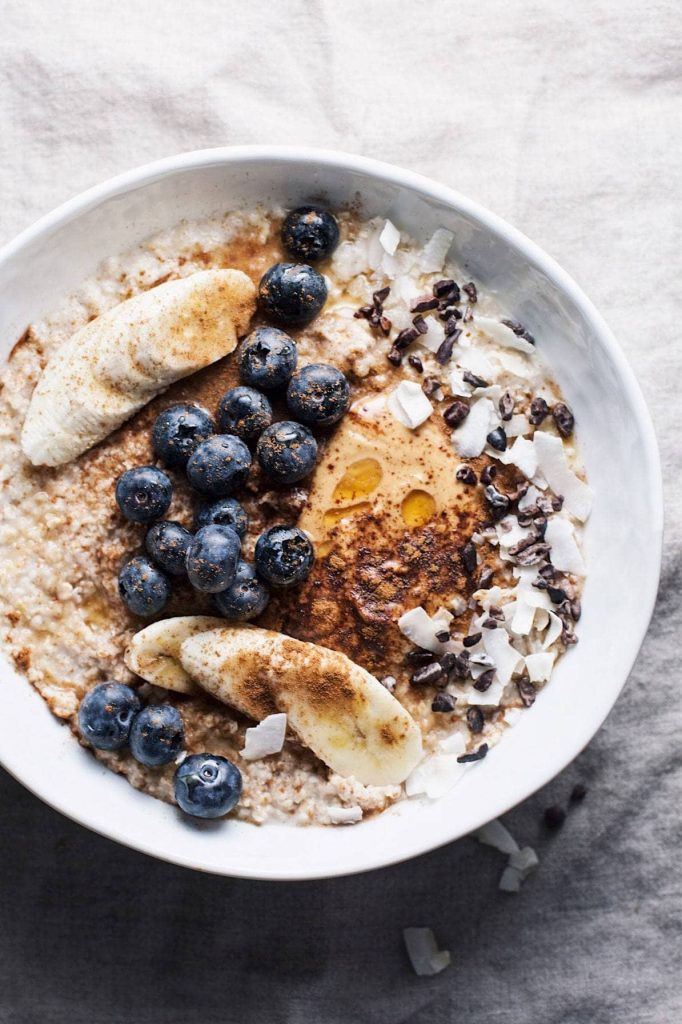
Oatmeal is a warm, comforting food that is great for digestion. It contains soluble fiber that absorbs water and helps stool pass more easily. Oatmeal also helps keep digestion steady throughout the day.
I like eating oatmeal for breakfast because it helps start my digestive system gently. Adding water or milk keeps it soft and easy to digest. Oatmeal works best when eaten regularly instead of just once.
Chia Seeds
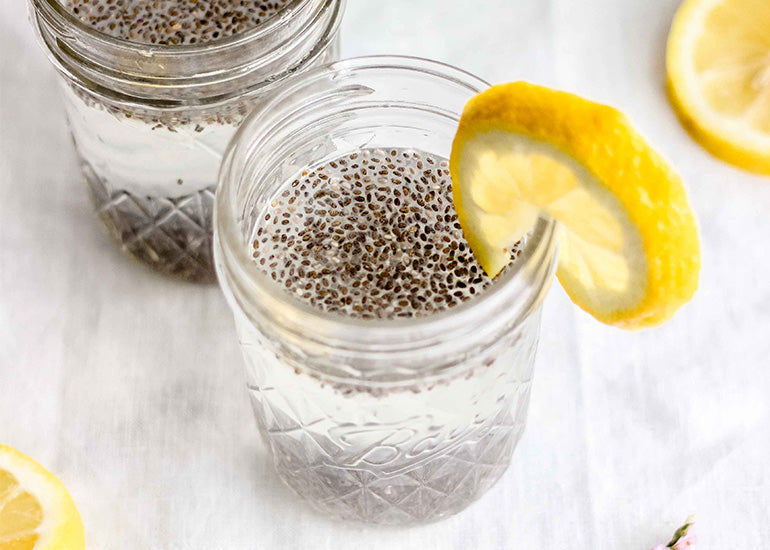
Chia seeds are tiny but very powerful for digestion. When they absorb liquid, they expand and form a gel. This gel helps move poop through your intestines smoothly and helps prevent dryness.
I always soak chia seeds in water or milk before eating them. Eating them dry can cause discomfort. Even one tablespoon a day can help improve stool softness and regularity when combined with enough water.
Flaxseeds
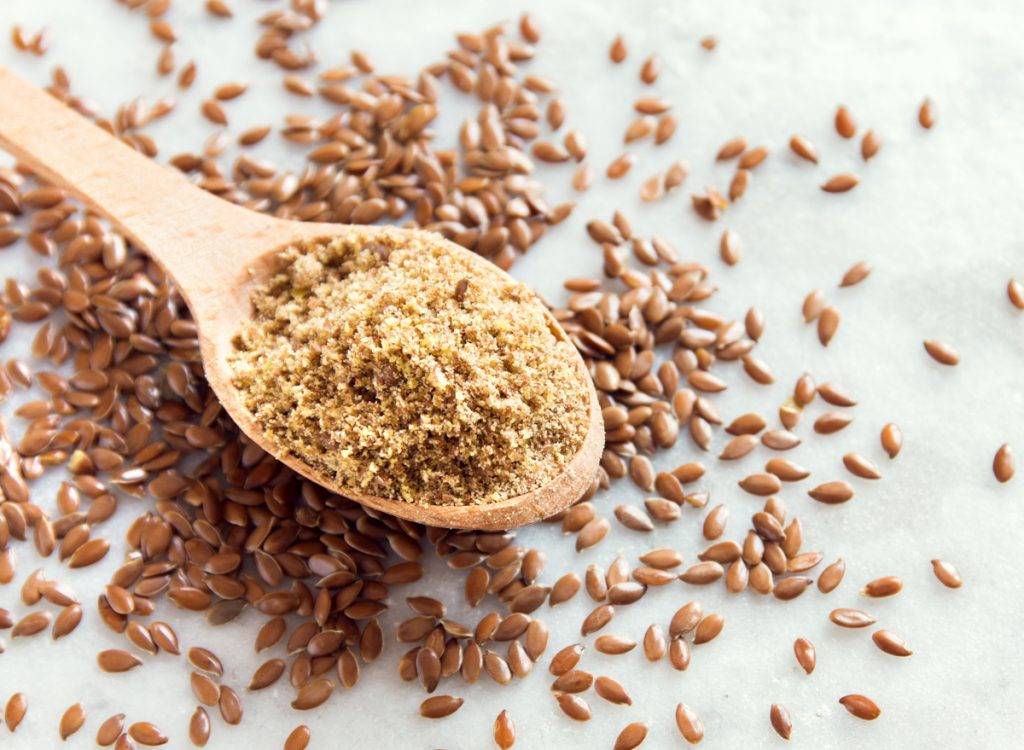
Flaxseeds provide both fiber and healthy fats that help digestion. They add bulk to stool and also help lubricate the intestines. Ground flaxseeds are easier for your body to digest than whole seeds.
I like to add ground flaxseeds to oatmeal or yogurt. They work gently over time, not instantly, but they help prevent constipation when eaten regularly. Drinking enough water makes them work even better.
Leafy Greens
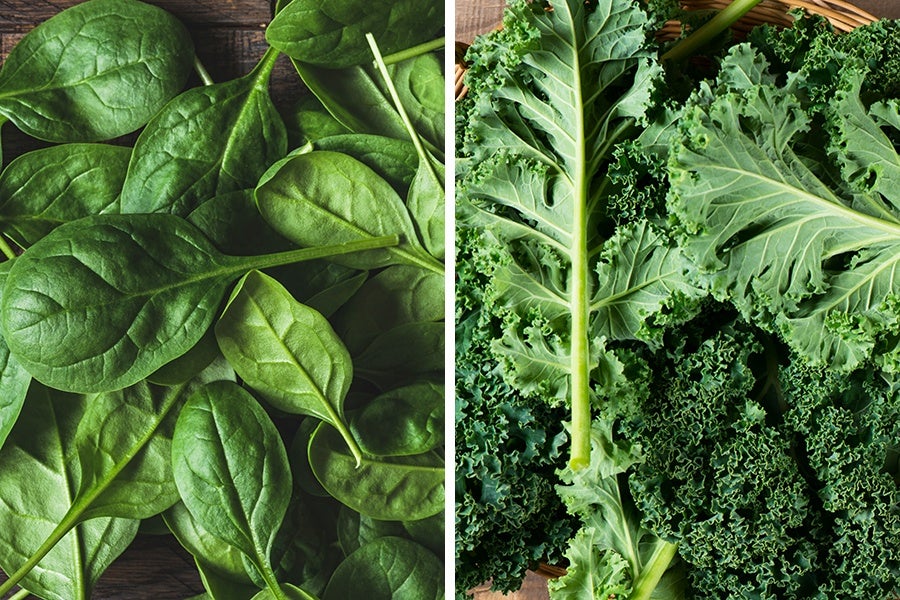
Leafy greens such as spinach and kale are rich in fiber and magnesium. Magnesium helps relax the muscles of your intestines, making it easier to pass stool. Greens also contain a lot of water.
When I eat greens daily, I notice my digestion feels lighter and smoother. You can eat them raw, cooked, or blended into smoothies. Even small portions can support better bowel movement habits.
Beans
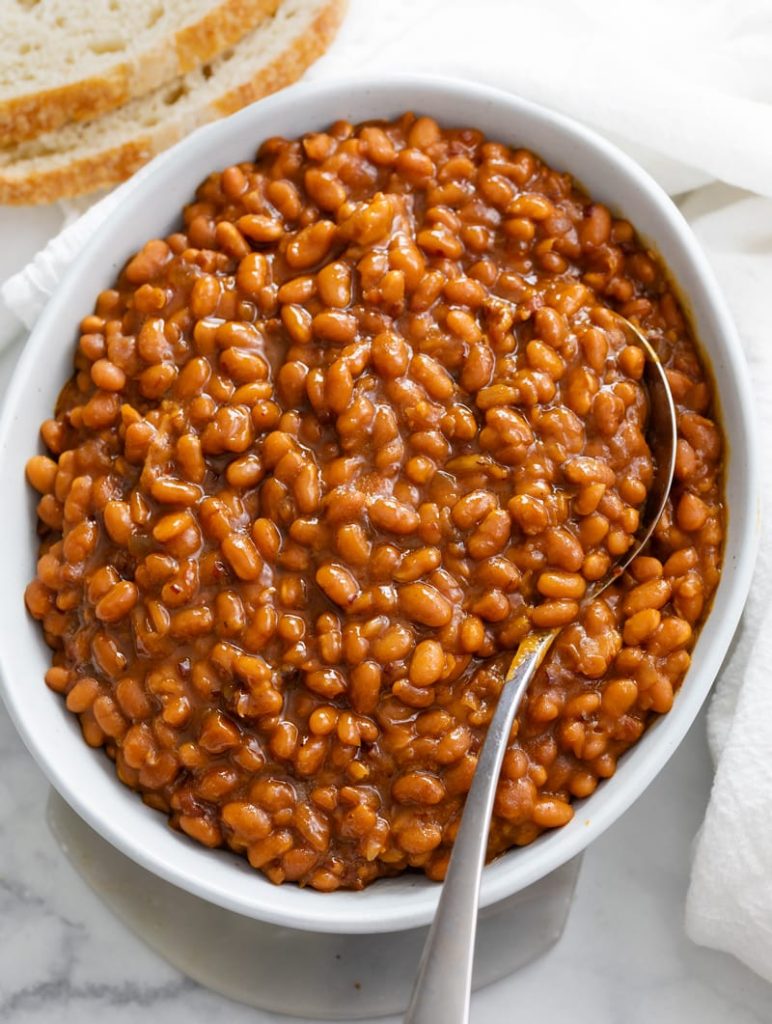
Beans are full of fiber and help form healthy stool. They also feed good bacteria in your gut, which improves digestion over time. Beans can help train your body to poop regularly.
I recommend starting with small servings if you are not used to beans. Eating them slowly helps avoid gas and bloating. When eaten a few times a week, beans can greatly improve bowel health.
Lentils
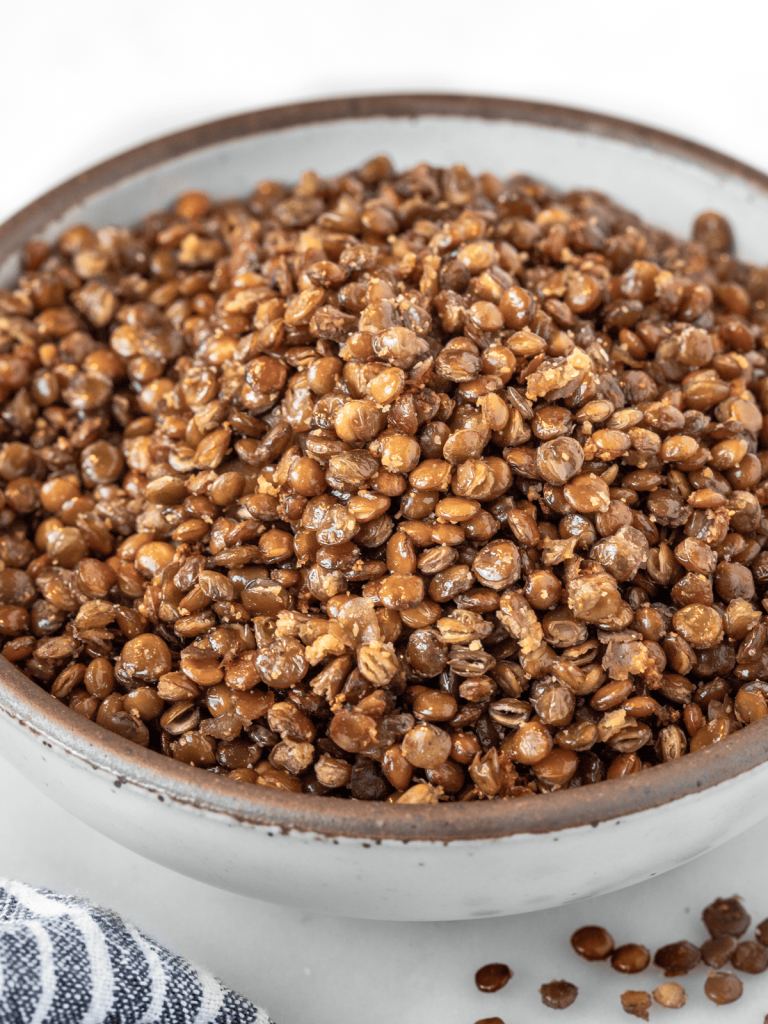
Lentils are easier to digest than many other beans. They are rich in fiber and help stools pass more smoothly. Lentils also provide protein, which keeps you full and balanced.
I enjoy lentils in soups or simple bowls. They are gentle and effective and work well for people with sensitive stomachs. Eating lentils regularly can improve digestion without harsh side effects.
Sweet Potatoes

Sweet potatoes contain fiber and water that help soften stool. They are much easier on the digestive system than white potatoes. The skin contains extra fiber that helps bowel movement.
I find sweet potatoes very soothing when I feel constipated. Baking or boiling them works best. Eating one can help digestion within a day and also supports gut health long term.
Avocados
Avocados are rich in fiber and healthy fats, which support smooth digestion. The fats help lubricate your intestines, making stool easier to pass. They are also gentle and filling.
I like adding avocado to meals instead of eating it alone. Half an avocado a day can help improve digestion over time. It also supports overall gut health and keeps your diet balanced.
Yogurt
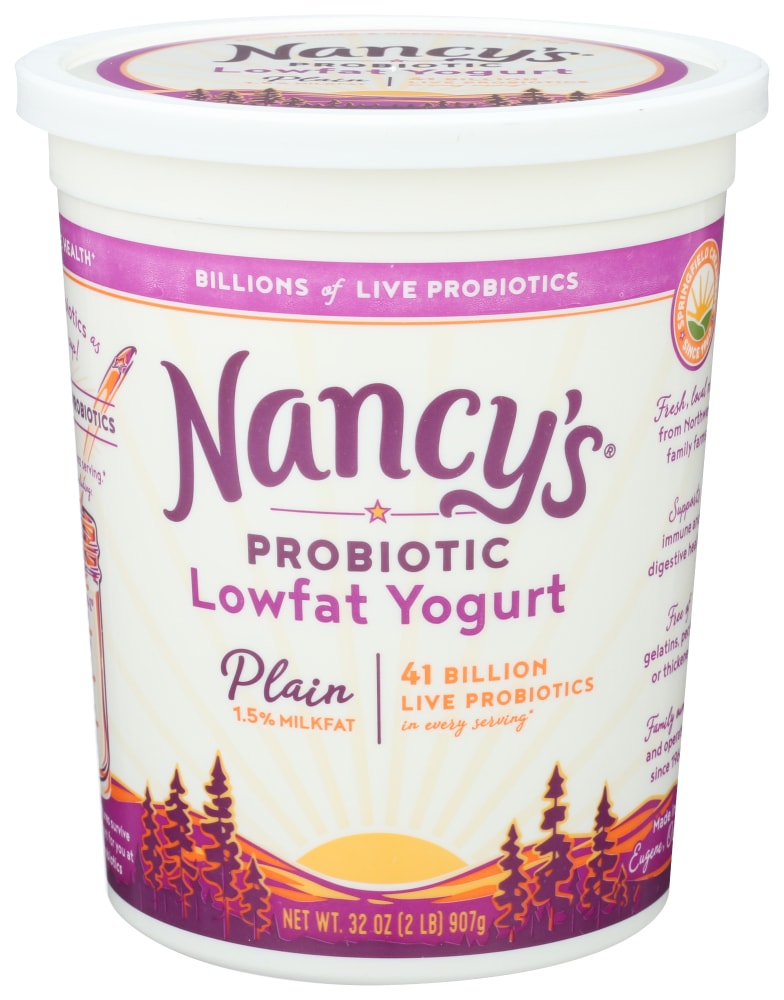
Yogurt with live cultures contains probiotics that improve gut bacteria balance. Healthy bacteria help regulate digestion and stool frequency. Yogurt is especially helpful after illness or antibiotic use.
I choose plain yogurt to avoid added sugar. Eating it daily can help reduce constipation and bloating. Yogurt works best when combined with fiber rich foods.
Kefir
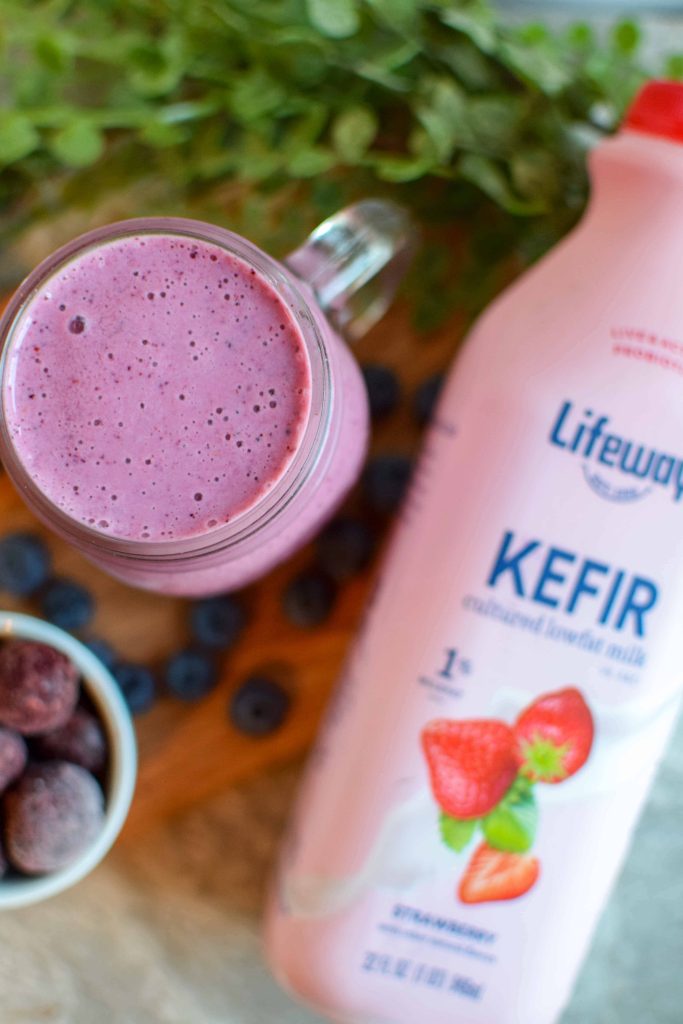
Kefir is a fermented drink that contains many types of probiotics. It supports gut health and often works faster than yogurt for digestion. Kefir helps soften stool naturally.
I start with small amounts because kefir is strong. Drinking a little each day can quickly improve bowel movements. It is especially helpful for chronic constipation.
Figs
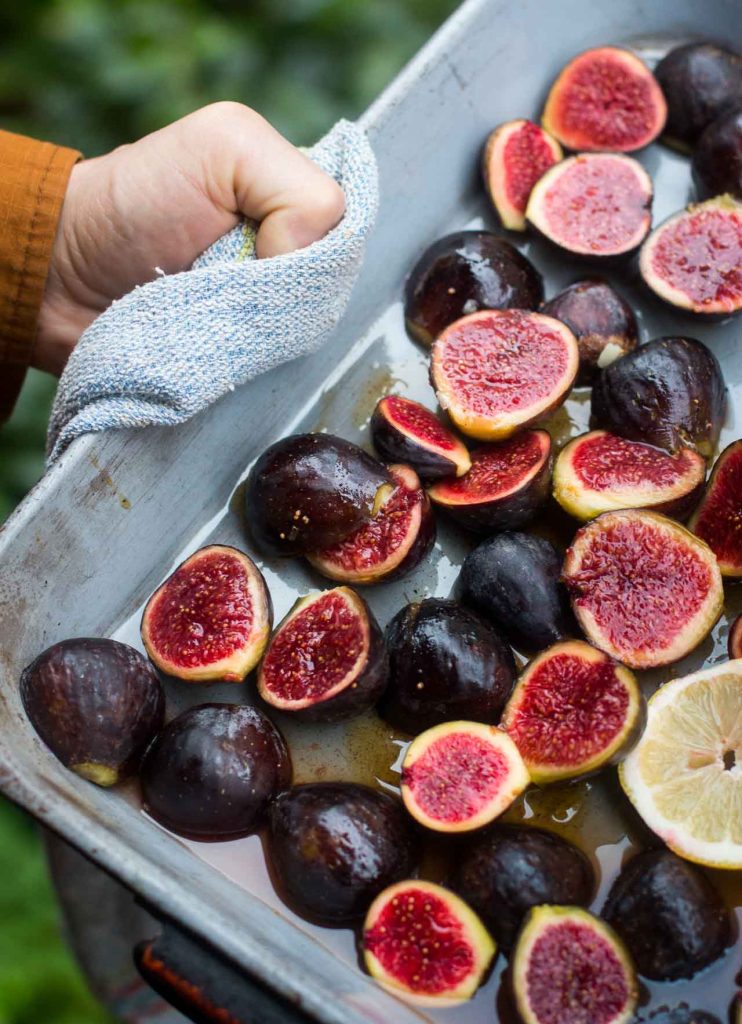
Figs are rich in fiber and natural sugars that draw water into stool. This makes them very effective for easing constipation. They have been used as a natural remedy for many years.
I like figs because they work gently and taste good. Fresh and dried figs both help digestion. Eating a few regularly can support smoother bowel movements without discomfort.
Oranges
Oranges provide fiber and water, both important for easy digestion. The fiber helps add bulk, while water softens stool. Oranges also help wake up digestion naturally.
I always eat the whole orange instead of drinking juice. This keeps the fiber intact. One or two oranges a day can support healthy bowel movements.
Popcorn

Air popped popcorn is a whole grain and high in fiber. Fiber helps push waste through the intestines. Popcorn adds bulk without being heavy.
I enjoy popcorn as a snack that also helps digestion. Avoid too much butter or salt. A small bowl can help encourage regular bowel movements when eaten with enough water.
Brown Rice
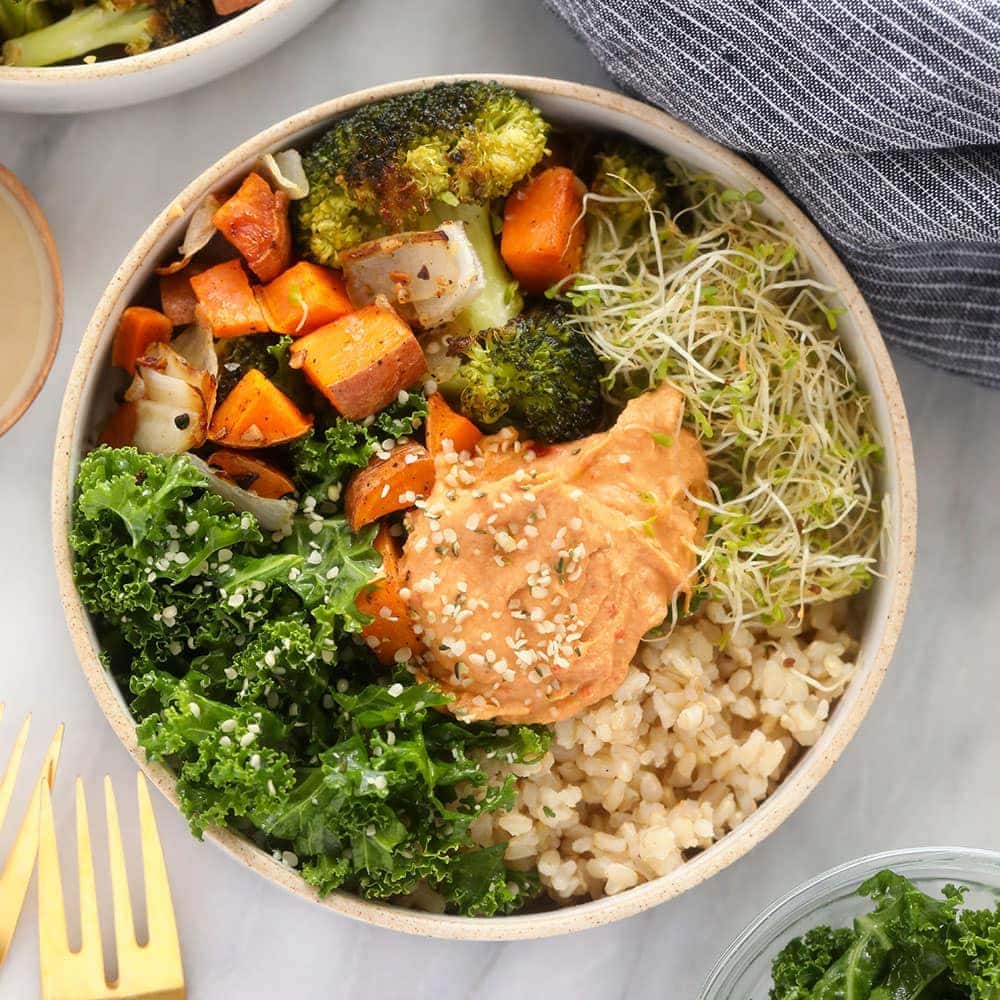
Brown rice keeps its fiber rich outer layer, unlike white rice. This fiber helps move stool through the colon. It also supports steady digestion.
I notice better digestion when I choose brown rice more often. Eating it with vegetables and water works best. Over time, it helps prevent constipation.
Watermelon
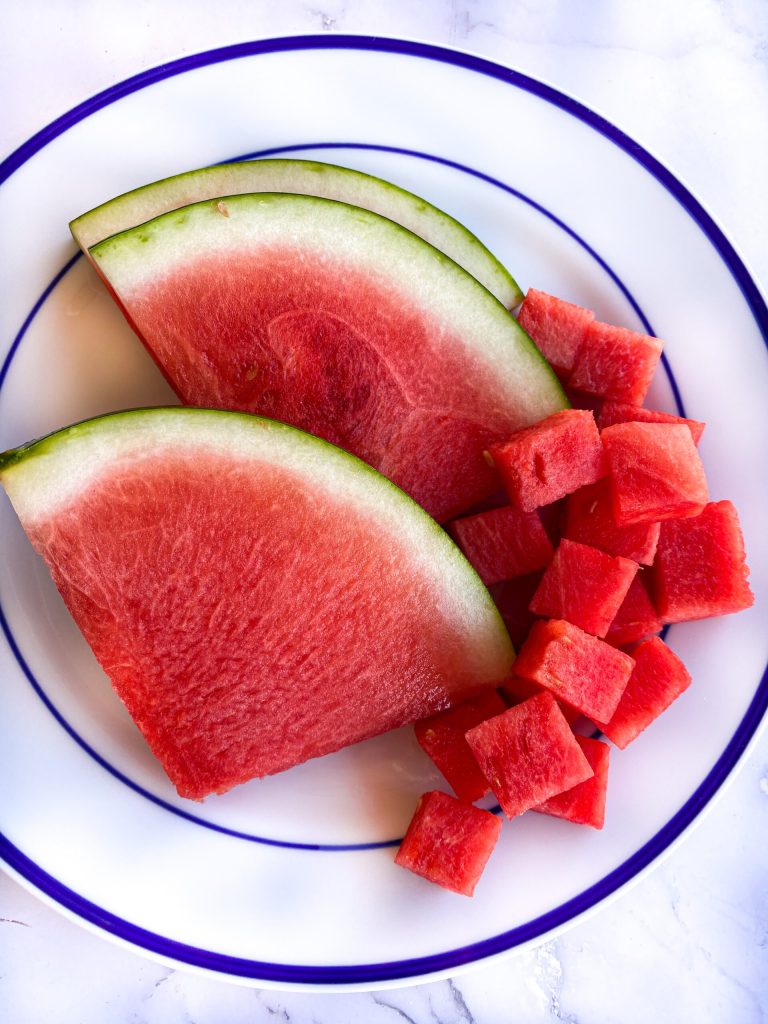
Watermelon is made mostly of water, which helps soften stool quickly. Hydration is key for digestion, and watermelon makes it easy.
I like watermelon because it feels light and refreshing. Eating a few slices can help relieve constipation, especially if dehydration is part of the problem.
Pumpkin Seeds
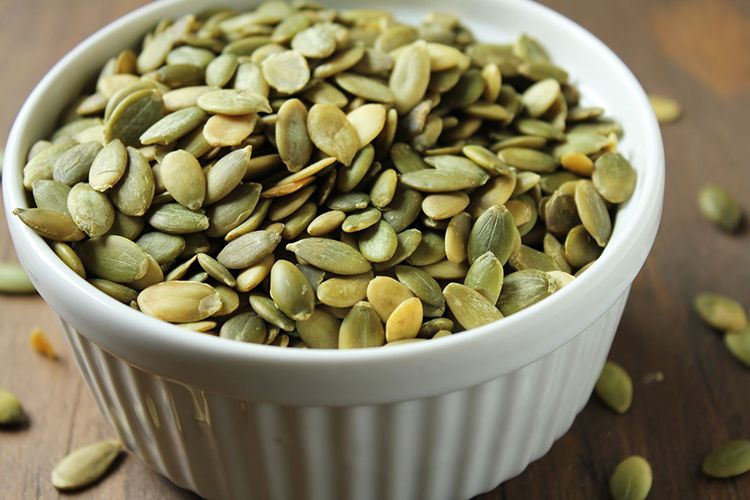
Pumpkin seeds are rich in magnesium, which helps relax gut muscles. Relaxed muscles allow stool to move out more easily.
I snack on a small handful when I feel backed up. Drinking water with them is important. They support digestion gently and safely.
Final Thoughts
Constipation is common, but you do not have to suffer through it. I have learned that food choices can make a real difference.
Simple foods with fiber, water, and healthy nutrients help your body work the way it should.
Try adding a few of these foods slowly and listen to your body. Gentle habits can lead to long lasting digestive comfort.

