
10 Ridiculously Easy Mahi Mahi Recipes Even Beginners Can Master
Mahi mahi is honestly one of those fish that just makes dinner feel special without actually being hard. It’s firm, flaky, and takes on flavors beautifully. Whether you’re cooking for a weeknight or showing off a little on the weekend, these recipes have you covered.
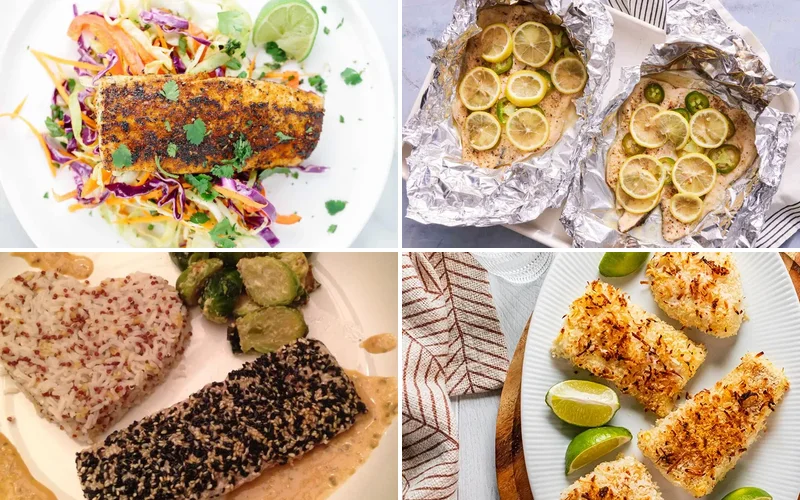
Every single one of these is beginner friendly. I promise. Let’s get into it.
1. Lemon Garlic Baked Mahi Mahi
Ingredients
- 4 mahi mahi fillets (about 6 oz each)
- 3 tablespoons unsalted butter, melted
- 4 cloves garlic, minced
- 2 tablespoons fresh lemon juice
- 1 teaspoon lemon zest
- Salt and black pepper to taste
- 2 tablespoons fresh parsley, chopped
Step 1:
Preheat your oven to 400°F. While that heats up, pat your mahi mahi fillets completely dry with paper towels. This matters more than you think. Dry fish = golden fish. Wet fish = steamed fish. We want golden.
Season both sides generously with salt and pepper. Don’t be shy here. Place the fillets in a lightly greased baking dish, leaving a little space between each one.
Step 2:
In a small bowl, stir together the melted butter, minced garlic, lemon juice, and lemon zest. Smells amazing already, right? Pour that mixture evenly over all four fillets, making sure every piece gets coated.
If you only have olive oil instead of butter, that works too. The flavor is slightly different but still really good. Just swap equal amounts.
Step 3:
Slide the dish into the oven and bake for 12 to 15 minutes. You’re looking for the fish to be opaque all the way through and to flake easily when you press it gently with a fork. Not sure if it’s done? Look for the edges pulling away slightly from the dish.
Thicker fillets may need a full 15 minutes. Thinner ones might be done at 10. Keep an eye on it toward the end.
Step 4:
Pull it out, spoon any extra buttery lemon pan juices back over the top, and scatter the fresh parsley all over. This is my favorite part honestly. The whole kitchen smells like a restaurant right now. Serve immediately.
2. Mahi Mahi Tacos
Ingredients
- 1 lb mahi mahi fillets
- 1 tablespoon chili powder
- 1 teaspoon cumin
- 1 teaspoon garlic powder
- Salt and pepper to taste
- 1 tablespoon olive oil
- 8 small corn tortillas
- 1 cup shredded purple cabbage
- Fresh cilantro, for topping
- Salsa verde, for topping
- Lime wedges, for serving
Step 1:
Mix the chili powder, cumin, garlic powder, salt, and pepper in a small bowl. Rub that spice mix all over your mahi mahi fillets on both sides. Get in there and really coat it. This is where all the flavor comes from, so don’t skip any spots.
Let the seasoned fish sit for 5 minutes if you have time. Even a short rest helps the spices stick and absorb a little.
Step 2:
Heat olive oil in a skillet over medium high heat until it shimmers. Lay the fillets in carefully and cook for 3 to 4 minutes per side. You want a nice charred exterior and opaque center. I burned this once by cranking the heat too high, so keep it at medium high, not full blast.
Once done, transfer to a cutting board and let it rest for 2 minutes. Then flake it apart with a fork into chunky pieces. Bigger flakes are better in tacos, trust me.
Step 3:
Warm your corn tortillas. You can do this directly on a gas flame for 20 seconds per side, or in a dry skillet, or wrapped in a damp paper towel in the microwave for 30 seconds. Warm tortillas make a huge difference. Cold tortillas crack and fall apart. Nobody wants that.
Step 4:
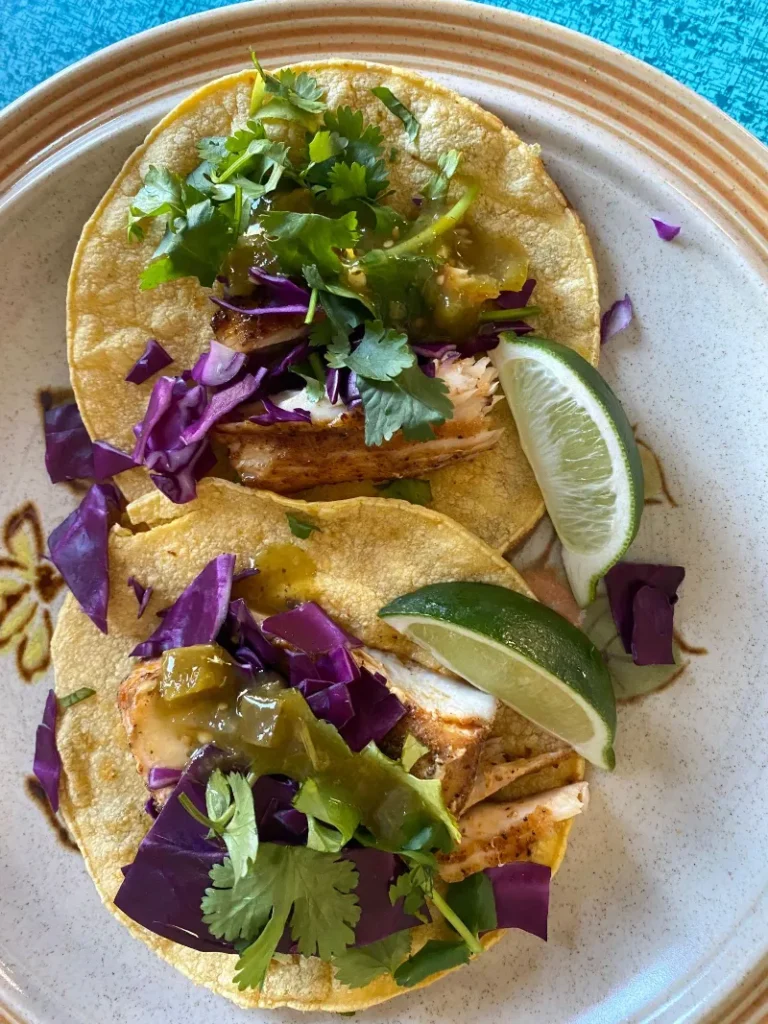
Build your tacos. Lay some fish on each tortilla, add a handful of shredded purple cabbage, spoon on some salsa verde, and top with fresh cilantro. Squeeze a lime wedge over everything right before eating. So easy, so good.
3. Coconut Crusted Mahi Mahi
Ingredients
- 4 mahi mahi fillets (about 5 oz each)
- 1 cup shredded unsweetened coconut
- 1/2 cup panko breadcrumbs
- 2 eggs, beaten
- 1/4 cup all purpose flour
- Salt and pepper to taste
- 2 tablespoons coconut oil or neutral oil
- Lime wedges, for serving
Step 1:
Set up your breading station. Three shallow bowls: flour seasoned with salt and pepper in the first, beaten eggs in the second, and the shredded coconut mixed with panko in the third. This is honestly the most organized part of the recipe. Once you’ve got your station ready, the rest goes fast.
Pat the fillets dry before you start. Dry fish grabs the breading way better.
Step 2:
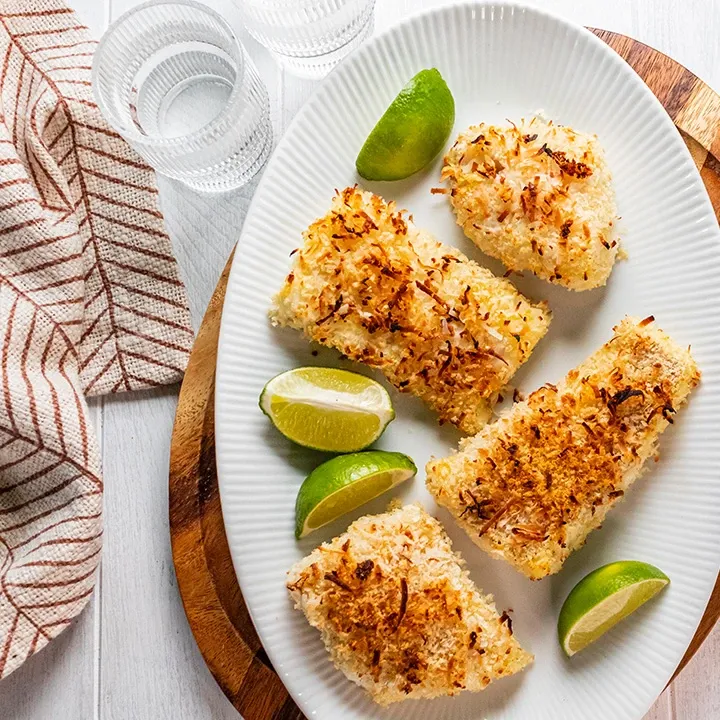
Dredge each fillet in flour first, shake off the excess, then dip into the egg, then press firmly into the coconut panko mix. Press it down on both sides so the coating really sticks. Okay, now the fun part. You should see a thick, beautiful coconut crust on each piece.
Step 3:
Heat your oil in a large skillet over medium heat. Coconut oil gives the best flavor here, but any neutral oil works. Once the oil is hot and shimmering, lay the fillets in gently. Cook for 3 to 4 minutes per side until deep golden brown. The coconut toasts as it cooks and smells absolutely incredible.
Don’t move the fish around while it’s cooking. Let it sit and build that crust. Patience here is worth it.
Step 4:
Transfer to a paper towel lined plate to drain briefly. The crust will be crispy, golden, and honestly better than anything from a restaurant. Serve with lime wedges and squeeze generously. The lime cuts through the richness perfectly.
4. Mediterranean Mahi Mahi
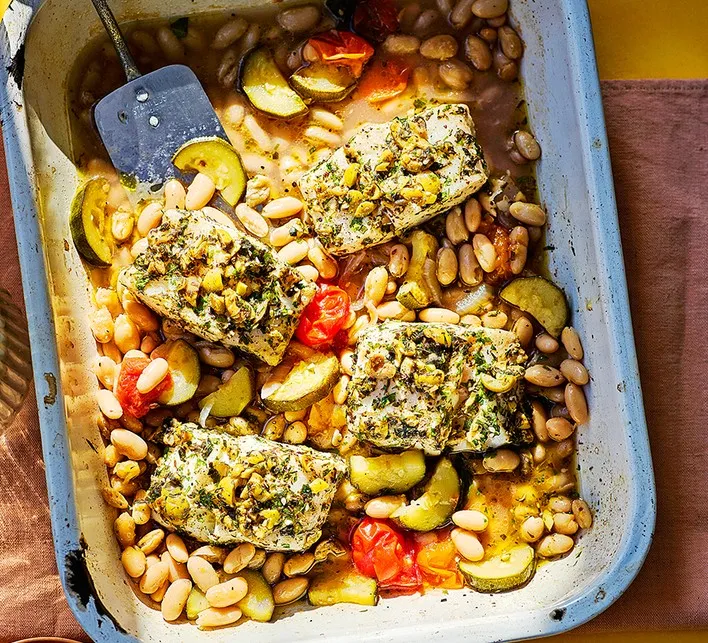
Ingredients
- 4 mahi mahi fillets
- 1 can (15 oz) white cannellini beans, drained
- 2 medium zucchini, sliced into half moons
- 1 cup cherry tomatoes, halved
- 3 tablespoons olive oil
- 3 cloves garlic, minced
- 1 tablespoon fresh oregano (or 1 teaspoon dried)
- 1 tablespoon fresh parsley, chopped
- 1 tablespoon capers
- Salt and pepper to taste
- Juice of 1 lemon
Step 1:
Preheat your oven to 400°F. In a large baking dish, combine the cannellini beans, sliced zucchini, and cherry tomatoes. Drizzle with 2 tablespoons of the olive oil, add the garlic, salt, pepper, and give it all a good toss. Spread it out in an even layer.
This veggie and bean base is going to soak up all the fish juices while it cooks. It basically turns into the best side dish automatically. You’re welcome.
Step 2:
Mix the remaining olive oil with the oregano, parsley, capers, and lemon juice. Stir it into a loose herb mixture. Season your mahi mahi fillets with salt and pepper on both sides, then place them right on top of the vegetable mixture in the baking dish.
Spoon the herb mixture generously over each fillet. Every bite should have those herbs on top.
Step 3:
Bake for 18 to 22 minutes until the fish flakes easily and the vegetables are tender. The tomatoes will burst and get jammy. The beans will absorb all that lemony herby goodness. This is where it gets good.
Quick check: the fish should be opaque all the way through when you peek at the thickest part. If it still looks translucent, give it 3 more minutes.
Step 4:
Bring the whole baking dish to the table and serve straight from it. Spoon the beans and vegetables alongside each fillet. Squeeze extra lemon if you want. This meal makes you feel like you’re eating in a little coastal cafe somewhere in Greece.
5. Teriyaki Mahi Mahi
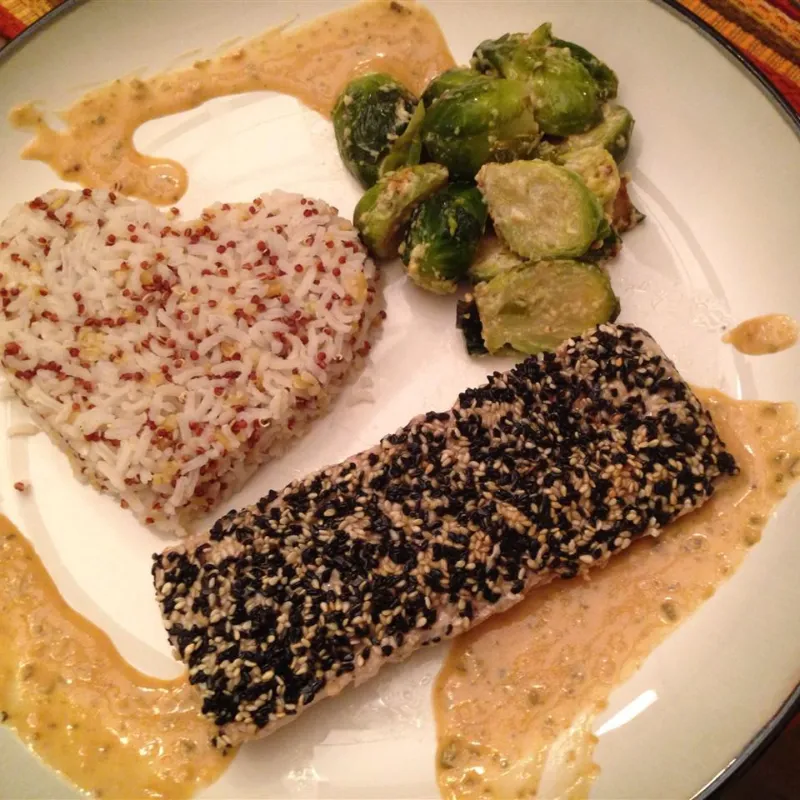
Ingredients
- 4 mahi mahi fillets
- 1/3 cup soy sauce
- 3 tablespoons honey
- 2 tablespoons rice vinegar
- 1 teaspoon sesame oil
- 2 cloves garlic, minced
- 1 teaspoon fresh ginger, grated
- 1 tablespoon sesame seeds (white and black mix)
- 1 tablespoon vegetable oil
- Steamed rice and vegetables, for serving
Step 1:
Whisk together the soy sauce, honey, rice vinegar, sesame oil, garlic, and ginger in a bowl. That is your teriyaki sauce. Taste it. It should be savory, slightly sweet, and have that little ginger kick. Adjust honey if you want it sweeter.
Pour half the sauce into a shallow dish and add the mahi mahi fillets. Let them marinate for at least 15 minutes. Wondering if you can skip the marinating? You can, but even 15 minutes makes a real difference in flavor.
Step 2:
Heat vegetable oil in a cast iron or heavy skillet over medium high heat. Remove the fish from the marinade and pat it lightly with paper towels. Not completely dry, just less wet so it sears instead of steams.
Lay the fillets in the hot pan. Cook 3 to 4 minutes without touching them. Yep, that’s it. Just let them be.
Step 3:
Flip carefully and cook another 3 minutes. Pour the reserved sauce (the half you didn’t marinate in) into the pan around the fish. It will bubble up and start reducing. This is where the magic happens. The sauce thickens and coats everything.
Cook for 1 to 2 more minutes until the sauce is glossy and clings to the fish. The sesame seeds go on right at the end.
Step 4:
Plate over steamed rice, spoon that glossy sauce over the top, and scatter extra sesame seeds. The combination of that caramelized teriyaki crust with fluffy rice is honestly one of my favorite dinners. Better than takeout. Easy as anything.
6. Foil Packet Herb Mahi Mahi
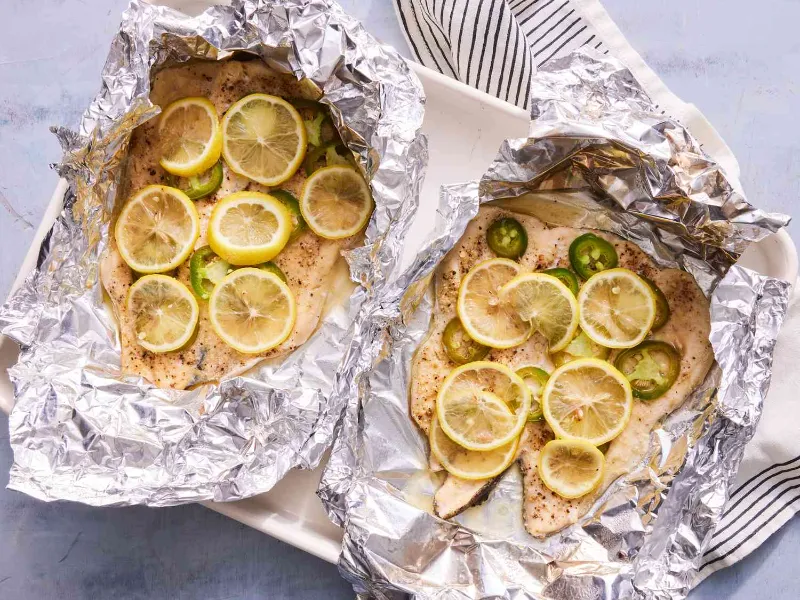
Ingredients
- 4 mahi mahi fillets
- 2 lemons, thinly sliced into rounds
- 1 jalapeno, thinly sliced
- 4 tablespoons unsalted butter, cut into pieces
- 4 cloves garlic, minced
- 1 tablespoon fresh dill (or parsley)
- Salt and black pepper to taste
- Olive oil, for drizzling
Step 1:
Preheat the oven to 400°F or preheat a grill to medium high. Tear off 4 large sheets of aluminum foil, each about 18 inches long. You need enough to fold up over the fish with room to seal the edges. Lay one fillet in the center of each piece of foil.
Drizzle each fillet lightly with olive oil and season with salt and pepper. This is the easiest cleanup meal you will ever make, by the way. Everything stays in the packet.
Step 2:
Top each fillet with a few pats of butter, a little minced garlic, some jalapeno slices if you like a little heat, and a generous layer of lemon rounds. The lemon slices sit right on top of the fish and steam into it while it cooks. Your fish will smell unbelievable.
Sprinkle dill or parsley over each one. This herb layer makes everything taste bright and fresh.
Step 3:
Fold the foil up around each fillet and crimp the edges tightly to seal the packets. You want them fully closed so the steam stays inside. Place the packets on a baking sheet if using the oven, or directly on the grill grates.
Bake for 15 to 18 minutes, or grill for 12 to 15 minutes. The packets will puff up a little. That is a good sign.
Step 4:
Carefully open each packet, watch out for the steam, and serve directly in the foil or transfer to a plate. Squeeze any extra lemon from the cooked rounds over the fish. The garlic butter pooled at the bottom of the packet? Spoon all of that over the top. Do not waste a single drop.
7. Pan Seared Mahi Mahi
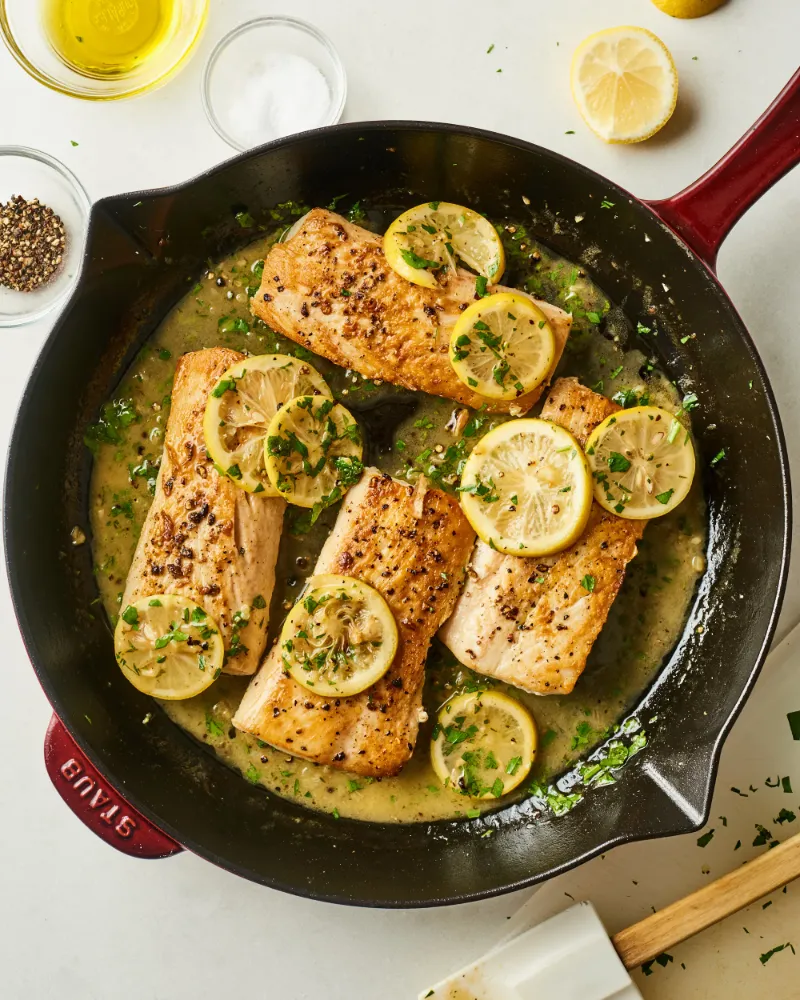
Ingredients
- 4 mahi mahi fillets (about 6 oz each)
- 2 tablespoons olive oil
- 3 tablespoons unsalted butter
- 4 cloves garlic, minced
- 1 lemon, sliced into rounds
- 1/4 cup fresh parsley, chopped
- Salt and black pepper to taste
Step 1:
Pat the fillets very dry. This step is not optional. Moisture is the enemy of a good sear. I make this every Sunday and I still do this step every single time. Season both sides with salt and black pepper right before cooking.
Heat olive oil in a large cast iron or stainless skillet over medium high heat until it just starts to smoke. Cast iron is best here if you have it. It holds heat evenly and gives you that beautiful crust.
Step 2:
Place the fillets in the pan presentation side down, which is usually the prettier, slightly darker side. Press gently with a spatula for 10 seconds so the whole surface makes contact with the pan. Cook without moving for 3 to 4 minutes. You will see the color change from the bottom up as it cooks.
Wondering when to flip? The fish will release naturally from the pan when it is ready. If it sticks, it needs more time. Yep, that is it.
Step 3:
Flip the fillets carefully and add the butter, garlic, and lemon slices to the pan. The butter will foam up and the garlic will turn golden. This is where it gets good. Tilt the pan slightly and use a spoon to baste the buttery garlic pan sauce back over the top of each fillet continuously for about 2 minutes.
Pause here and just smell your kitchen for a second. Smells amazing already.
Step 4:
Remove from heat. Spoon any remaining pan sauce over each fillet and scatter fresh parsley on top. Serve immediately. Pan seared mahi mahi waits for no one, it is best eaten the moment it comes off the pan while that crust is still crackling and perfect.
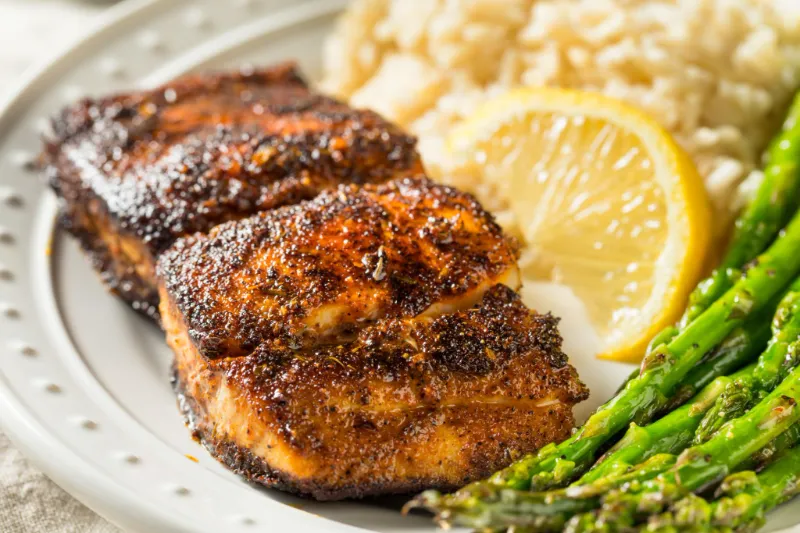
8. Blackened Mahi Mahi
Ingredients
- 4 mahi mahi fillets
- 2 teaspoons smoked paprika
- 1 teaspoon cayenne pepper
- 1 teaspoon garlic powder
- 1 teaspoon onion powder
- 1 teaspoon dried oregano
- 1 teaspoon dried thyme
- 1/2 teaspoon black pepper
- 1/2 teaspoon salt
- 2 tablespoons butter or oil
- Lemon wedges, for serving
Step 1:
Mix all the spices together in a small bowl: smoked paprika, cayenne, garlic powder, onion powder, oregano, thyme, black pepper, and salt. This is your blackening spice blend. It smells incredible even before it hits the heat. Taste a tiny pinch. Spicy? Good. That is exactly what we want.
Pat your fillets dry, then press the spice mixture firmly onto both sides of each fillet. Really coat them. The more you press, the better the crust.
Step 2:
Heat a cast iron skillet over high heat for 2 to 3 minutes until it is very hot. Like seriously hot. This is important for getting that blackened crust. Open a window or turn on your vent fan because it is going to get smoky in here. That smoke is a good sign, not a bad one.
Add butter or oil to the screaming hot pan. It will smoke immediately.
Step 3:
Carefully lay the fillets in the pan. Cook for 2 to 3 minutes per side. The crust will turn deep dark brown, almost black on the outside. That is exactly right. That is the whole point. Do not be alarmed. The inside of the fish is cooking through perfectly while that crust forms outside.
Flip once and cook the other side the same way. The spices will bloom and char in the best possible way.
Step 4:
Plate immediately with lemon wedges, rice, and asparagus if you want to go all out. The contrast between that intensely spiced dark crust and the white flaky fish inside is genuinely one of the best things you can do with mahi mahi. You’ll love this. I basically make it once a week in summer.
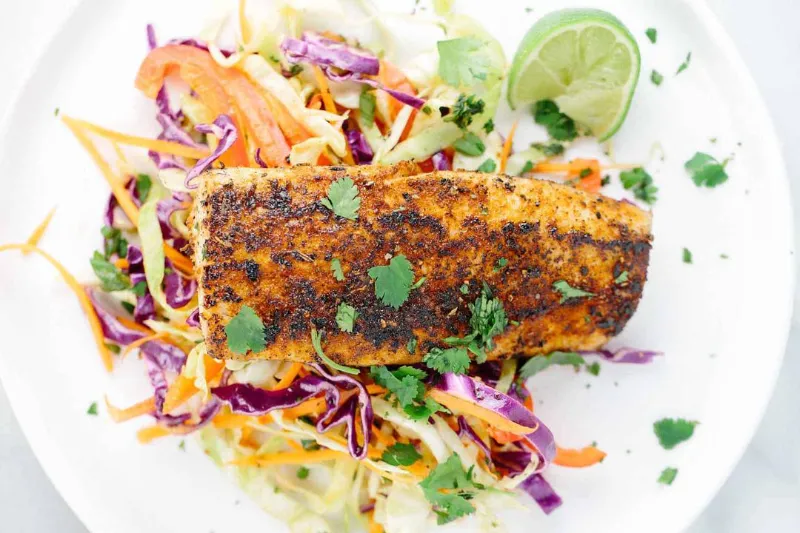
9. Honey Lime Glazed Mahi Mahi
Ingredients
- 4 mahi mahi fillets
- 3 tablespoons honey
- 2 tablespoons fresh lime juice
- 1 teaspoon lime zest
- 1 teaspoon chili powder
- 1/2 teaspoon cumin
- 1 tablespoon soy sauce
- 1 tablespoon olive oil
- Salt and pepper to taste
- Fresh cilantro and lime wedges, for serving
- Shredded cabbage slaw, for serving
Step 1:
Whisk together honey, lime juice, lime zest, chili powder, cumin, and soy sauce in a bowl. Give it a taste. It should hit sweet, tangy, slightly spicy, and savory all at once. That is a good glaze. Set aside half of it for serving later.
Season the mahi mahi fillets with salt and pepper on both sides. The glaze will add flavor but the base seasoning still matters.
Step 2:
Heat olive oil in a skillet over medium high heat. Add the fillets and cook for 3 minutes on the first side without touching them. Let that first side get a good sear going. Flip carefully and cook for 2 more minutes on the second side.
Pour half of the glaze over the fillets in the pan. It will bubble and start to caramelize around the edges almost immediately. This is where it gets gorgeous.
Step 3:
Spoon the bubbling glaze back over the fish as it thickens. The honey caramelizes and creates this sticky, shiny coating that clings to every bit of the fish. Cook for 1 more minute until the glaze is thick and glossy. The fish should be cooked through and absolutely beautiful.
Quick check: if the glaze looks like it is getting too dark, lower the heat slightly. It can go from perfect to burnt pretty fast.
Step 4:
Plate over a bright crunchy cabbage slaw, drizzle the reserved glaze over the top, scatter fresh cilantro, and add a lime wedge on the side. The combination of that sweet sticky glaze with cool crunchy slaw is seriously one of the best flavor combos in these recipes. Squeeze the lime over everything before your first bite. Trust me on this.
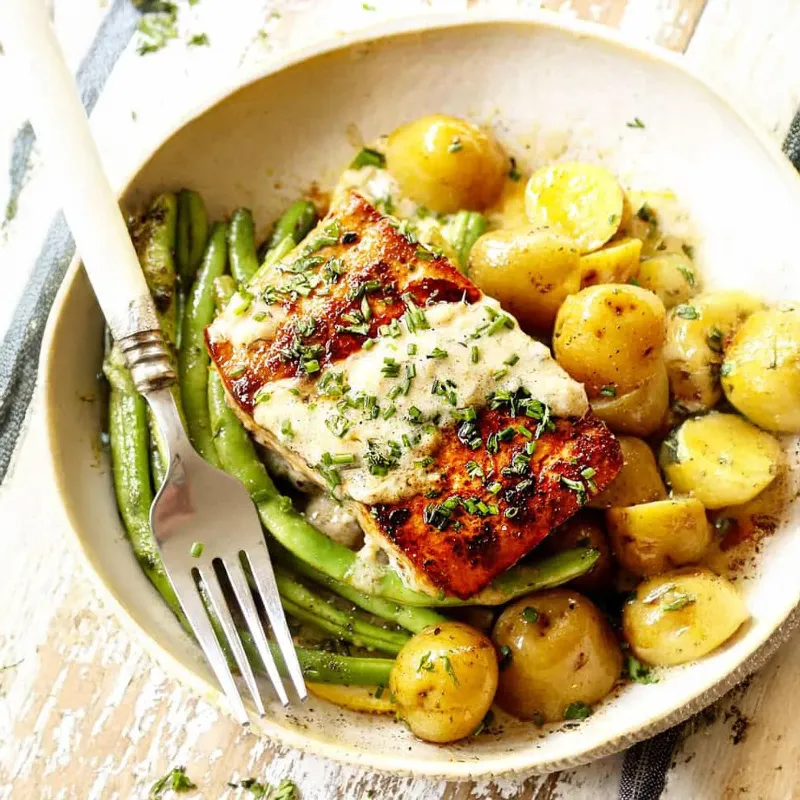
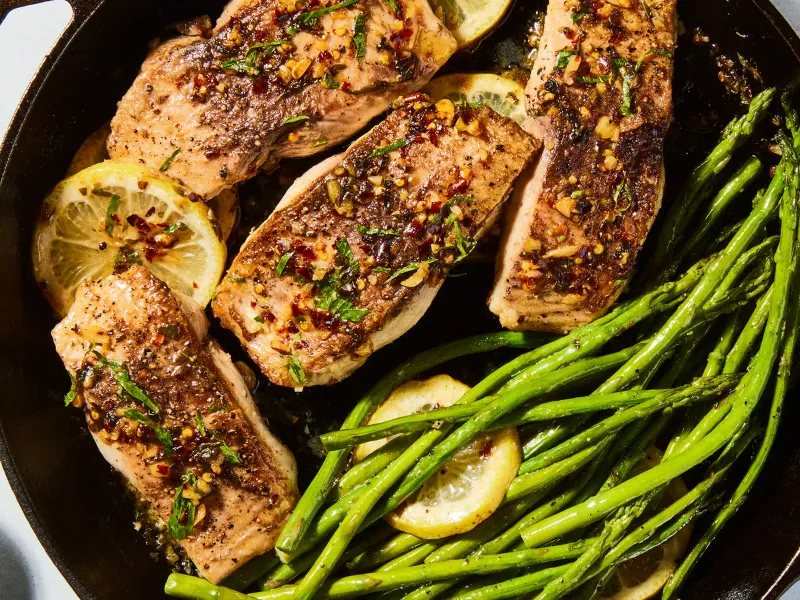
10. Mediterranean Mahi Mahi with Potatoes and Green Beans
Ingredients
- 4 mahi mahi fillets
- 1 lb baby potatoes, halved and boiled until just tender
- 2 cups green beans, trimmed
- 3 tablespoons olive oil
- 3 cloves garlic, minced
- 1 tablespoon Dijon mustard
- 1/4 cup heavy cream
- 1/4 cup chicken or vegetable broth
- 2 tablespoons fresh chives, chopped
- Salt and black pepper to taste
Step 1:
Season the mahi mahi fillets with salt and pepper on both sides. Heat 2 tablespoons of olive oil in a large skillet over medium high heat. Sear the fillets for 3 to 4 minutes per side until deep golden brown and cooked through. Transfer to a plate and tent loosely with foil to keep warm.
That golden crust on the fish is what makes this dish. Do not rush this step by using low heat.
Step 2:
In the same skillet, add the remaining olive oil and garlic. Cook the garlic for about 30 seconds until fragrant but not browned. Add the Dijon mustard and stir it around with the garlic and oil. It will look like a paste for a moment. That is fine. Keep going.
Pour in the broth and cream. Stir everything together and bring to a gentle simmer.
Step 3:
Add the par cooked baby potatoes and green beans right into that creamy sauce. Toss them to coat and cook for 3 to 4 minutes until the beans are just tender and the sauce has thickened slightly around the vegetables. Taste the sauce and add more salt or pepper as needed.
The sauce should be rich, just a little tangy from the Dijon, and cling to everything in the pan. Basically a dream.
Step 4:
Nestle the seared mahi mahi fillets back into the skillet on top of the vegetables. Spoon the creamy sauce over each piece. Sprinkle fresh chives generously over everything. Serve right from the pan into wide shallow bowls so you get fish, potatoes, beans, and plenty of that sauce in every single bowl. This one is my go to when I want to impress someone without stressing out at all.
Final Thoughts
There you go, ten ways to cook mahi mahi that are all genuinely easy and genuinely delicious. Pick one tonight and come back to try the rest through the week. They all work, they all taste amazing, and none of them require any special skills. Just good fish and a little confidence in the kitchen. You’ve totally got this. Drop a comment and let me know which one became your favorite.
