
25 Lysine-Rich Foods That Belong in Your Diet
Lysine is an essential amino acid, meaning your body cannot make it on its own. You have to get it from food. It plays a key role in building muscle, absorbing calcium, supporting immune function, and producing collagen. Most Americans get enough without thinking about it, but it is worth knowing which foods are working hardest for you.
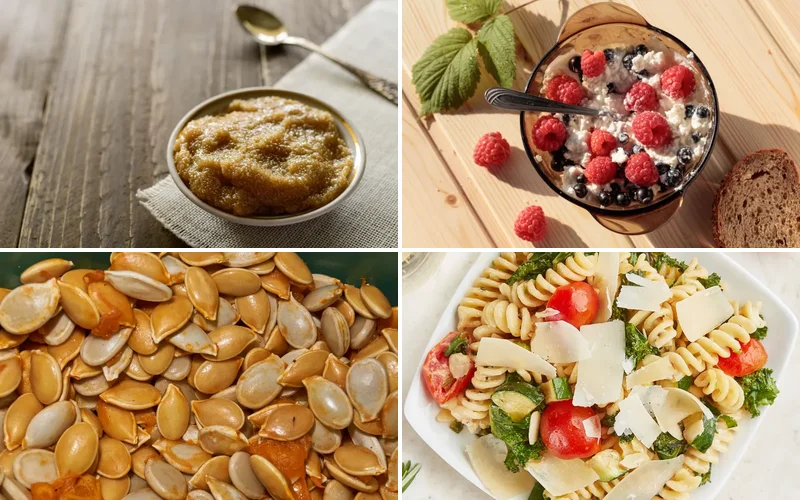
Here are 25 of the best lysine rich foods, from everyday proteins to plant based options, with everything you need to know about each one.
1. Chicken Breast
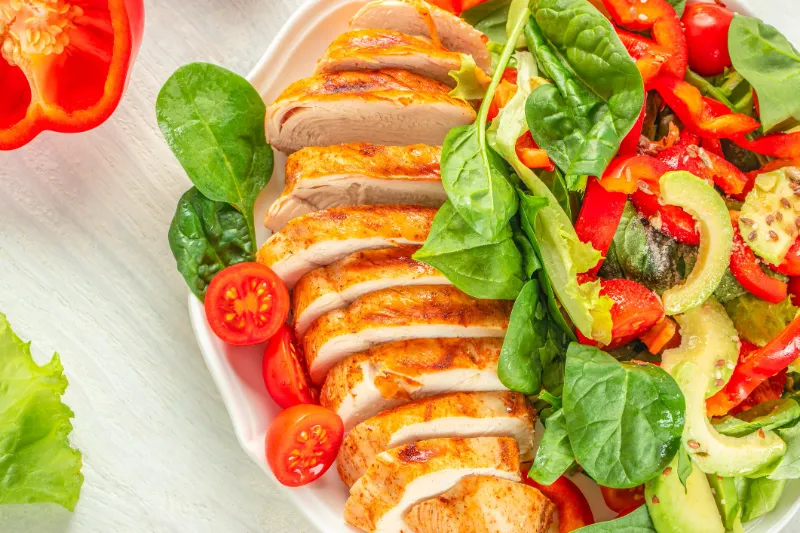
Chicken breast is one of the best and most practical sources of lysine you can eat. A single three ounce serving delivers nearly 2,800 milligrams of lysine, which is well above most adults daily requirements in just one meal.
It is the go to protein in American households for a reason. It is lean, easy to cook, affordable, and fits into pretty much every cuisine from Italian to Mexican to Asian inspired dishes. Grilled, baked, air fried or shredded, it never gets boring.
Chicken thighs and drumsticks also have excellent lysine content, so dark meat lovers are not missing out at all. In fact, thighs tend to stay juicier and more flavorful, making them a great everyday option.
If you are tracking your lysine intake, chicken breast is honestly one of the easiest foods to lean on. It is consistent, widely available, and nutritionally rock solid.
Nutrition Info (Approximate)
| Serving Size | Lysine | Calories | Protein |
| 3 oz cooked | 2800 mg | 140 kcal | 26g |
2. Canned Tuna
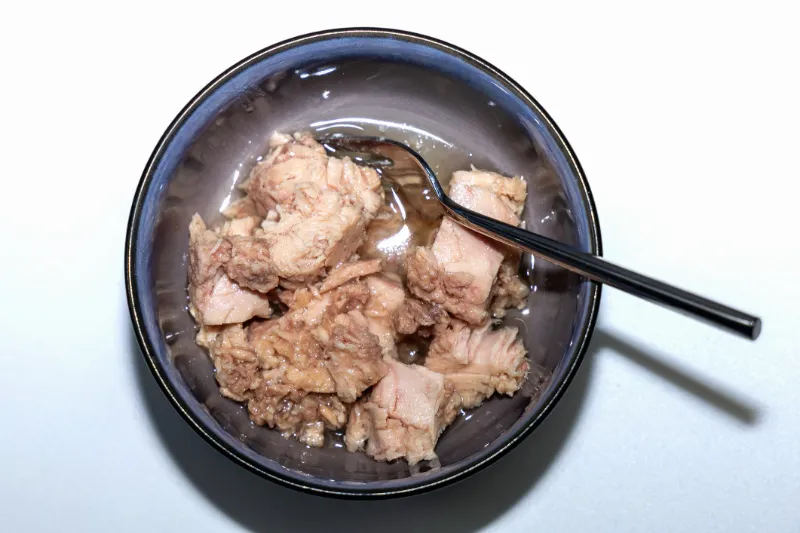
Canned tuna is one of the most budget friendly, high lysine foods in any grocery store. Three ounces delivers around 2,500 milligrams of lysine along with a really impressive amount of lean protein for the calorie count.
It is shelf stable, requires zero cooking, and takes about two minutes to turn into a meal. Tuna salad, tuna pasta, stuffed avocado, tuna melts, it works in everything and most people already have a few cans in the pantry.
Light canned tuna tends to have slightly lower mercury than albacore, making it a safer option for eating multiple times a week. That consistency makes it one of the most practical lysine sources on this entire list.
It is one of those foods that feels almost too easy to be this nutritious. Trust it.
Nutrition Info (Approximate)
| Serving Size | Lysine | Calories | Protein |
| 3 oz canned | 2500 mg | 109 kcal | 25g |
3. Salmon
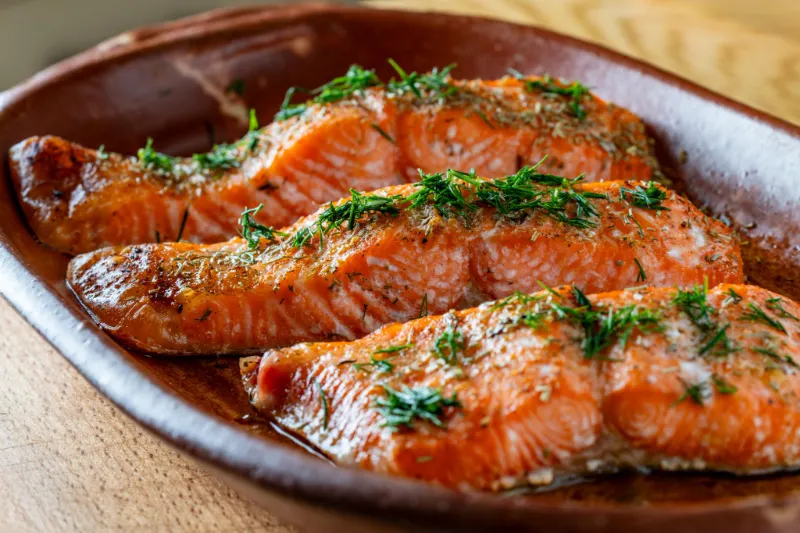
Salmon delivers an impressive combination of lysine, omega 3 fatty acids, and high quality protein all in one serving. Three ounces of cooked salmon gives you around 2,600 milligrams of lysine, making it one of the top fish sources on this list.
Whether you go for fresh Atlantic salmon, sockeye, or the convenient canned variety, you are getting a serious nutritional payoff. It bakes beautifully in 15 minutes, tastes amazing with just lemon and garlic, and pairs with almost any side.
Canned salmon is a particularly underrated option. It is cheaper than fresh, has the same protein profile, and works wonderfully in salmon patties, pasta, salads, and grain bowls.
Salmon is also one of the best sources of vitamin D and selenium, making it a genuinely powerful food beyond just the lysine content.
Nutrition Info (Approximate)
| Serving Size | Lysine | Calories | Protein |
| 3 oz cooked | 2600 mg | 175 kcal | 22g |
4. Beef (Lean Sirloin)
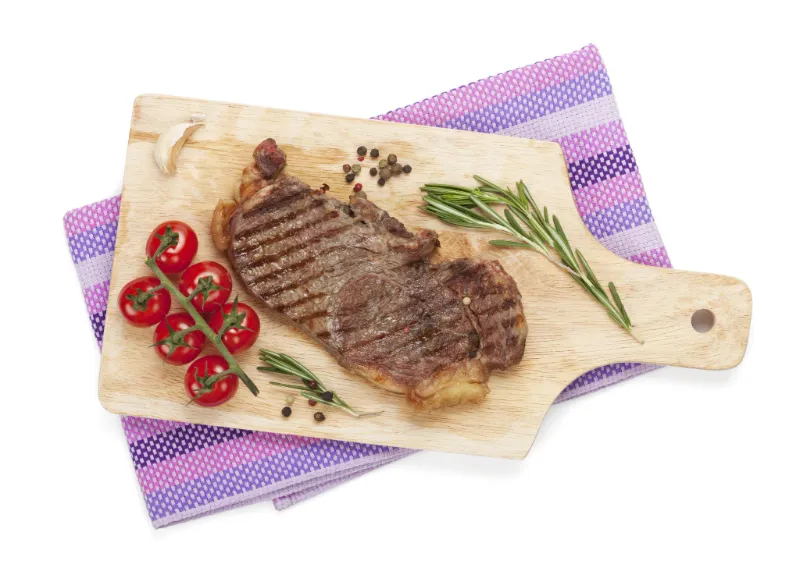
Lean beef is one of the highest lysine foods you can put on your plate. A three ounce serving of cooked sirloin delivers close to 2,900 milligrams of lysine, which rivals chicken and fish and makes it a premium choice for hitting your daily needs.
Sirloin, tenderloin, and lean ground beef are all excellent options. The leaner the cut, the better the protein to calorie ratio, though even fattier cuts like ribeye still deliver strong lysine numbers.
Beef is also packed with zinc, B12, iron, and creatine, nutrients that work really well alongside lysine for muscle recovery, immune function, and energy production.
For Americans who already eat beef regularly, this is honestly great news. You are probably already hitting your lysine targets on days when beef is on the menu.
Nutrition Info (Approximate)
| Serving Size | Lysine | Calories | Protein |
| 3 oz cooked | 2900 mg | 160 kcal | 26g |
5. Pork Tenderloin
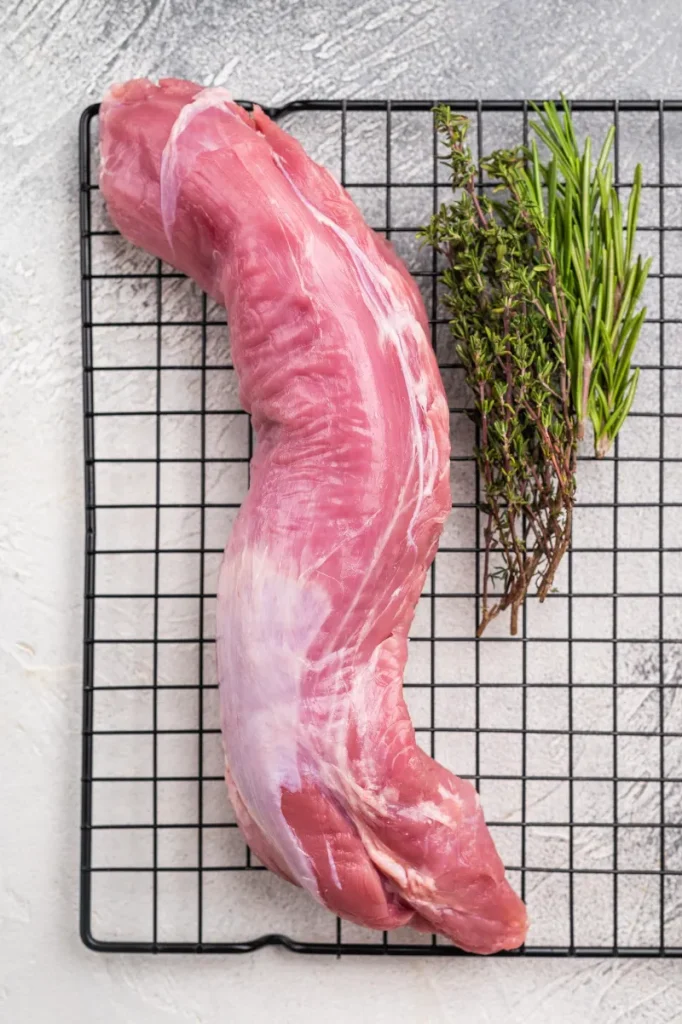
Pork tenderloin is one of the leanest and most lysine rich cuts of meat available. Three ounces cooked gives you about 2,700 milligrams of lysine with a very low fat content that keeps the calorie count impressively low.
It is incredibly versatile in the kitchen. Roast it whole with a herb crust, slice it thin for sandwiches, cut it into medallions for a quick skillet dinner, or marinate it overnight and throw it on the grill.
Pork chops, loin roast, and ham are all solid lysine sources too. If you are rotating proteins throughout the week, pork deserves a regular spot in that rotation.
It is also a great source of thiamine, phosphorus, and selenium. Lean, satisfying, and genuinely underrated as an everyday protein.
Nutrition Info (Approximate)
| Serving Size | Lysine | Calories | Protein |
| 3 oz cooked | 2700 mg | 122 kcal | 22g |
6. Turkey
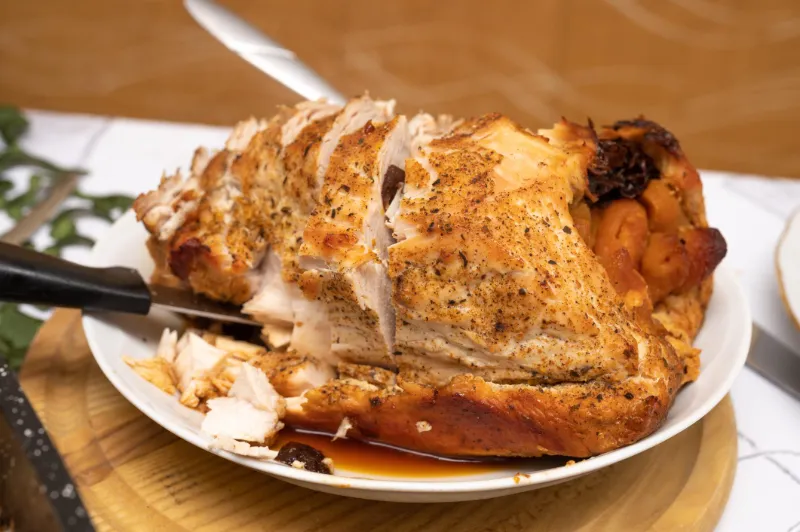
Turkey is a lysine powerhouse that most Americans only really think about in November, which is honestly a missed opportunity. A three ounce serving of roasted turkey delivers around 2,500 milligrams of lysine and is one of the leanest protein sources you will find anywhere.
Ground turkey has exploded in popularity as a substitute for ground beef, and it makes total sense. It is lighter, lower in saturated fat, and still delivers excellent lysine content in tacos, meatballs, pasta sauces, and burgers.
Turkey breast deli slices are also a quick and convenient way to add lysine to sandwiches and wraps without any cooking. Not the most exciting meal, but nutritionally it absolutely gets the job done.
Dark meat turkey has slightly higher lysine than white meat. So next Thanksgiving, go ahead and take that drumstick without guilt.
Nutrition Info (Approximate)
| Serving Size | Lysine | Calories | Protein |
| 3 oz roasted | 2500 mg | 135 kcal | 25g |
7. Shrimp
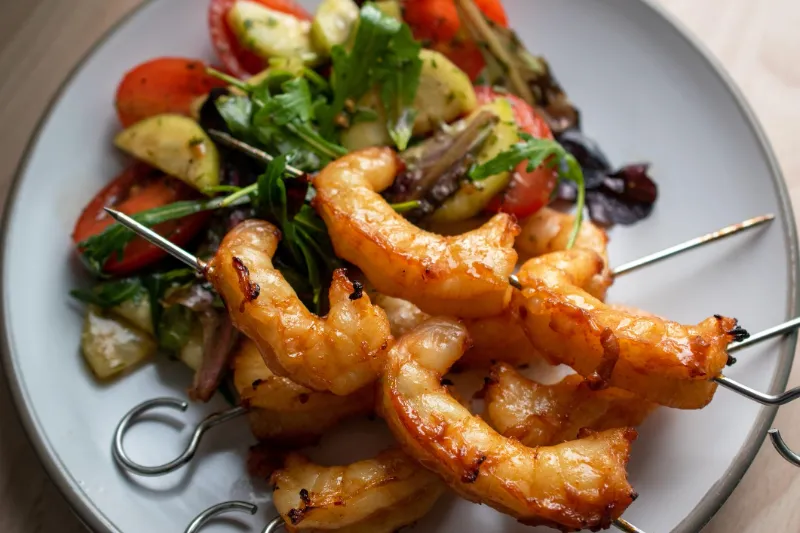
Shrimp is one of the most lysine dense seafoods relative to its calorie count. Three ounces of cooked shrimp gives you around 2,200 milligrams of lysine at only 84 calories, which is a pretty remarkable nutritional trade.
It cooks in minutes, absorbs flavor from anything you cook it with, and works in an almost endless variety of dishes. Shrimp tacos, garlic butter shrimp, shrimp fried rice, shrimp pasta, shrimp and grits. American cooking loves shrimp, and your amino acid levels will too.
Frozen shrimp is just as nutritious as fresh and is one of the most convenient proteins you can keep on hand. Thaw it overnight in the fridge or run cold water over the bag for a quick defrost.
It is also very low in saturated fat and a solid source of iodine and selenium. Genuinely one of the most efficient foods on this entire list.
Nutrition Info (Approximate)
| Serving Size | Lysine | Calories | Protein |
| 3 oz cooked | 2200 mg | 84 kcal | 18g |
8. Eggs
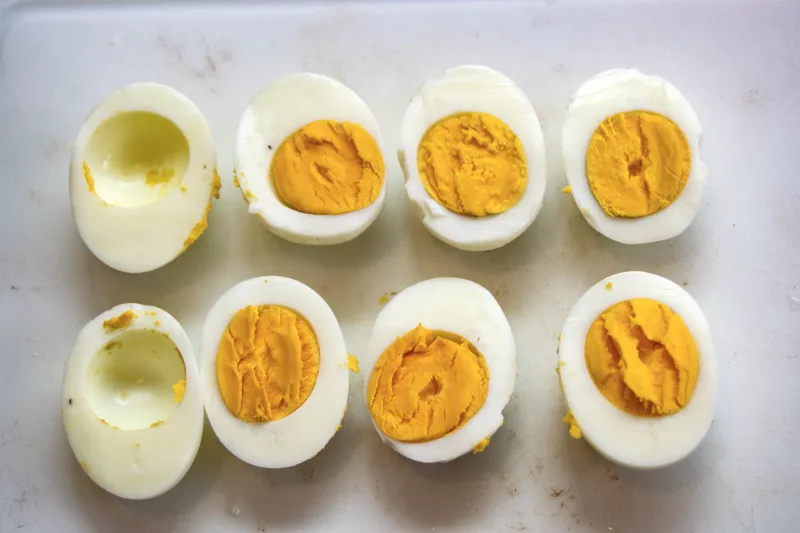
Eggs are one of the most complete and accessible sources of lysine in the American diet. Two large eggs deliver around 900 milligrams of lysine along with every essential amino acid your body needs.
The yolk contains most of the micronutrients including vitamin D, choline, and B12, while the white is where the majority of the protein and lysine live. Eating the whole egg gets you the full nutritional picture.
Scrambled, poached, hard boiled, fried, baked into a quiche or frittata, eggs are endlessly useful. Most Americans already eat them multiple times a week, which makes them one of the most consistent contributors to daily lysine intake.
They are also one of the most affordable proteins in the grocery store. A carton of eggs goes a long way nutritionally and financially.
Nutrition Info (Approximate)
| Serving Size | Lysine | Calories | Protein |
| 2 large eggs | 900 mg | 143 kcal | 12g |
9. Cottage Cheese
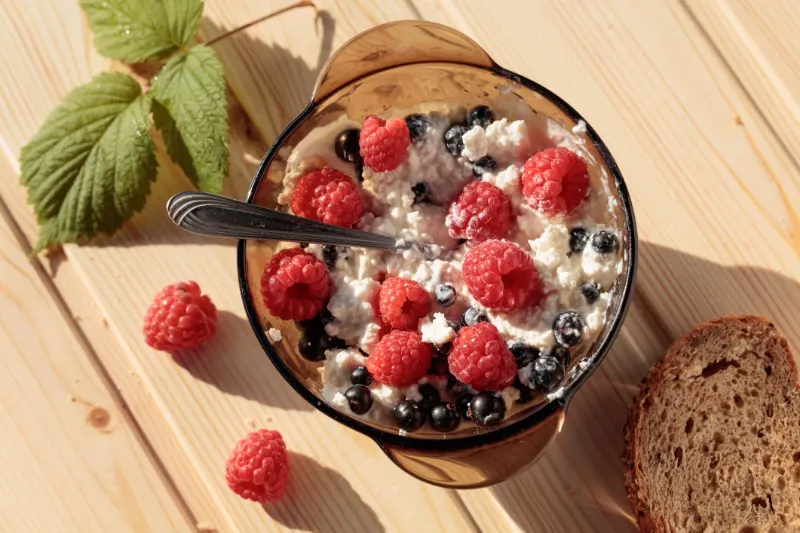
Cottage cheese might be the most underrated lysine food in the entire dairy aisle. A single cup of low fat cottage cheese delivers an extraordinary 2,700 milligrams of lysine along with one of the highest protein contents of any dairy product.
It has had a genuine comeback in American food culture lately, and for good reason. It works in sweet applications like bowls with berries and honey, and in savory ones like a dip with cucumbers and everything bagel seasoning.
Cottage cheese is rich in casein protein, which digests slowly and keeps you full for a long time after eating. That makes it a fantastic option before bed or as a mid morning snack to stay satisfied until lunch.
It is also a great source of calcium, phosphorus, and B12. Gram for gram one of the most lysine dense foods on this list.
Nutrition Info (Approximate)
| Serving Size | Lysine | Calories | Protein |
| 1 cup lowfat | 2700 mg | 163 kcal | 28g |
10. Greek Yogurt
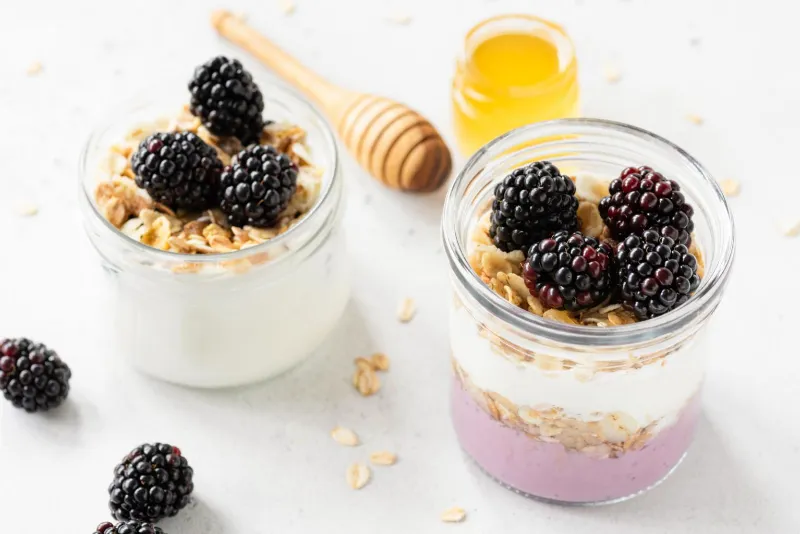
Greek yogurt is a daily staple for millions of Americans, and it is a legitimately impressive source of lysine. One cup of plain Greek yogurt delivers around 1,400 milligrams of lysine along with a solid protein punch and gut friendly probiotics.
The straining process that makes Greek yogurt thicker also concentrates the protein and amino acids compared to regular yogurt. So the upgrade from regular to Greek is more than just a texture preference.
It works as breakfast with granola and fruit, a base for smoothies, a creamy topping on tacos or baked potatoes, or a substitute for sour cream and mayo in dips and dressings.
Choose plain full fat or low fat Greek yogurt over flavored varieties to avoid added sugars. You can always sweeten it yourself with honey or fresh fruit.
Nutrition Info (Approximate)
| Serving Size | Lysine | Calories | Protein |
| 1 cup plain | 1400 mg | 130 kcal | 17g |
11. Parmesan Cheese
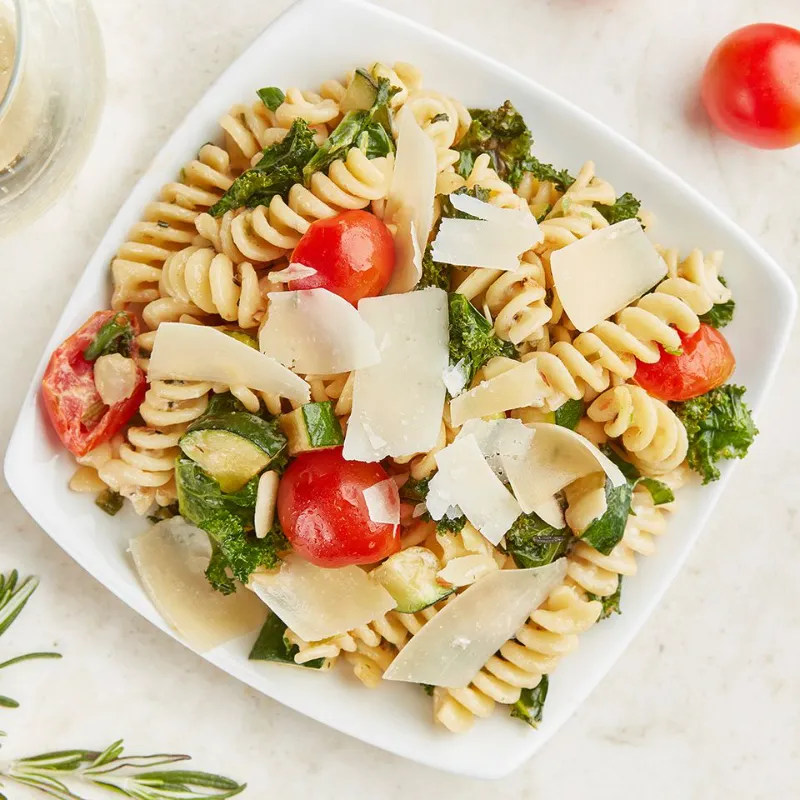
Parmesan cheese has one of the highest lysine concentrations of any cheese you will find at a grocery store. Just one ounce of real Parmigiano Reggiano or domestic Parmesan delivers about 900 milligrams of lysine, which is really impressive for such a small amount of food.
The aging process of Parmesan concentrates its proteins and amino acids, which is part of why it is so much more nutrient dense than younger cheeses. A little goes a long way both in flavor and in nutrition.
It is already one of the most used cheeses in American kitchens, sprinkled over pasta, stirred into risotto, shaved onto salads, mixed into meatballs, and crusted onto chicken.
Hard aged cheeses in general are solid lysine sources. Romano, aged cheddar, and Gruyere are all in the same neighborhood and worth keeping in rotation.
Nutrition Info (Approximate)
| Serving Size | Lysine | Calories | Protein |
| 1 oz | 900 mg | 111 kcal | 10g |
12. Edamame
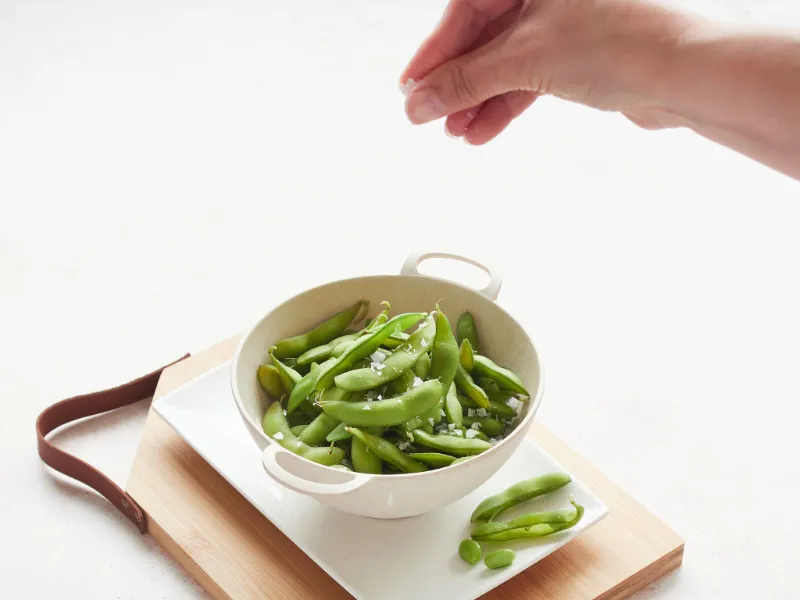
Edamame is one of the best plant based sources of lysine available, which makes it especially valuable for vegetarians and vegans. One cup of cooked edamame delivers around 1,400 milligrams of lysine, which is genuinely hard to match with most other plant foods.
Soybeans are one of the rare plant proteins that are considered complete, meaning they provide all essential amino acids including lysine in meaningful amounts. That is a big deal in plant based nutrition.
Steamed edamame with a little sea salt is a perfect snack straight out of the shell. It also works great in grain bowls, stir fries, salads, and blended into hummus style dips for a protein forward spread.
Frozen edamame is widely available, affordable, and takes about five minutes to prepare. It is one of the smartest snack upgrades you can make.
Nutrition Info (Approximate)
| Serving Size | Lysine | Calories | Protein |
| 1 cup cooked | 1400 mg | 188 kcal | 17g |
13. Tofu
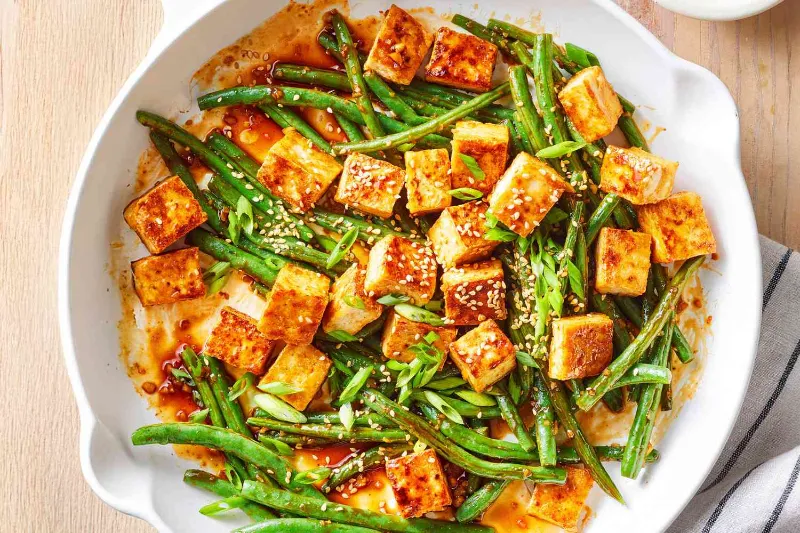
Tofu is a complete plant protein and one of the most reliable lysine sources for anyone eating a vegetarian or vegan diet. Half a cup of firm tofu delivers around 1,000 milligrams of lysine and serves as a genuinely versatile base for all kinds of meals.
Firm and extra firm tofu can be pressed, marinated, pan fried, baked, or crumbled into scrambles. It absorbs whatever seasoning you give it, which is either its greatest strength or its most misunderstood quality depending on who you ask.
Silken tofu works beautifully in smoothies, dressings, and desserts where you want a creamy texture without dairy. It blends completely smooth and adds protein without changing the flavor.
Tofu is also low in saturated fat and contains iron, calcium, and manganese. For plant based eaters it is one of the most dependable proteins in the entire diet.
Nutrition Info (Approximate)
| Serving Size | Lysine | Calories | Protein |
| 0.5 cup firm | 1000 mg | 94 kcal | 10g |
14. Lentils
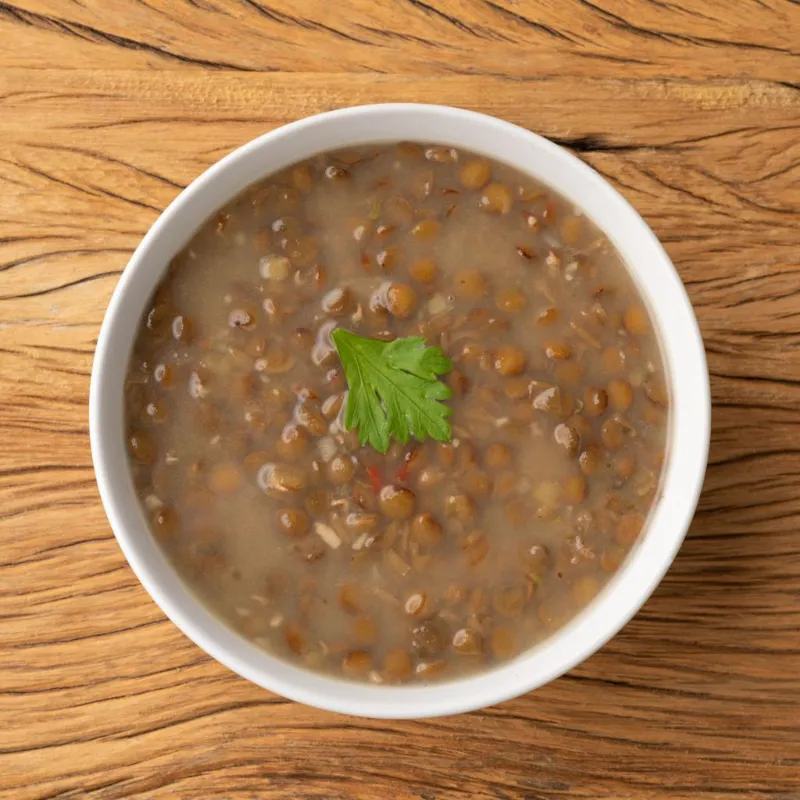
Lentils are the best legume source of lysine by a pretty wide margin, which makes them a crucial food for anyone eating mostly plants. One cup of cooked lentils delivers about 1,250 milligrams of lysine along with exceptional fiber and plant protein.
They cook in 20 minutes without any soaking, which makes them one of the most convenient legumes in the kitchen. Red lentils break down into a creamy texture perfect for soups and dals. Green and brown lentils hold their shape better for salads and grain bowls.
Lentil soup is a classic American comfort dish, and lentil tacos have become a popular meat substitute that genuinely satisfies. They are earthy, filling, and take on spice beautifully.
They are also loaded with folate, iron, and potassium. Honestly one of the most nutritious and affordable foods in the entire grocery store.
Nutrition Info (Approximate)
| Serving Size | Lysine | Calories | Protein |
| 1 cup cooked | 1250 mg | 230 kcal | 18g |
15. Black Beans
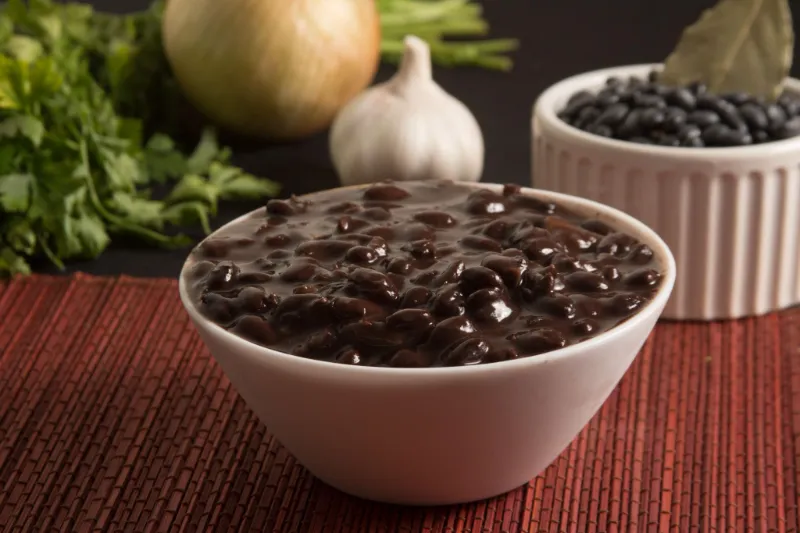
Black beans are a lysine staple in American cooking, especially in Tex Mex and Latin inspired dishes that are already part of millions of weekly dinner rotations. One cup of cooked black beans gives you around 1,050 milligrams of lysine along with outstanding fiber content.
Canned black beans are one of the most practical pantry foods you can stock. Drain, rinse, and they are ready to go in minutes. Add them to rice, burritos, salads, soups, grain bowls, or mash them into a side dish with garlic and cumin.
Black bean burgers and black bean tacos are popular meat free meals that deliver solid lysine content while also being filling and genuinely delicious. They are not just a compromise, they are a great dish in their own right.
Combined with rice, black beans provide a complementary amino acid profile that approaches a complete protein. A classic food combination that has been nutritionally smart for centuries.
Nutrition Info (Approximate)
| Serving Size | Lysine | Calories | Protein |
| 1 cup cooked | 1050 mg | 227 kcal | 15g |
16. Chickpeas
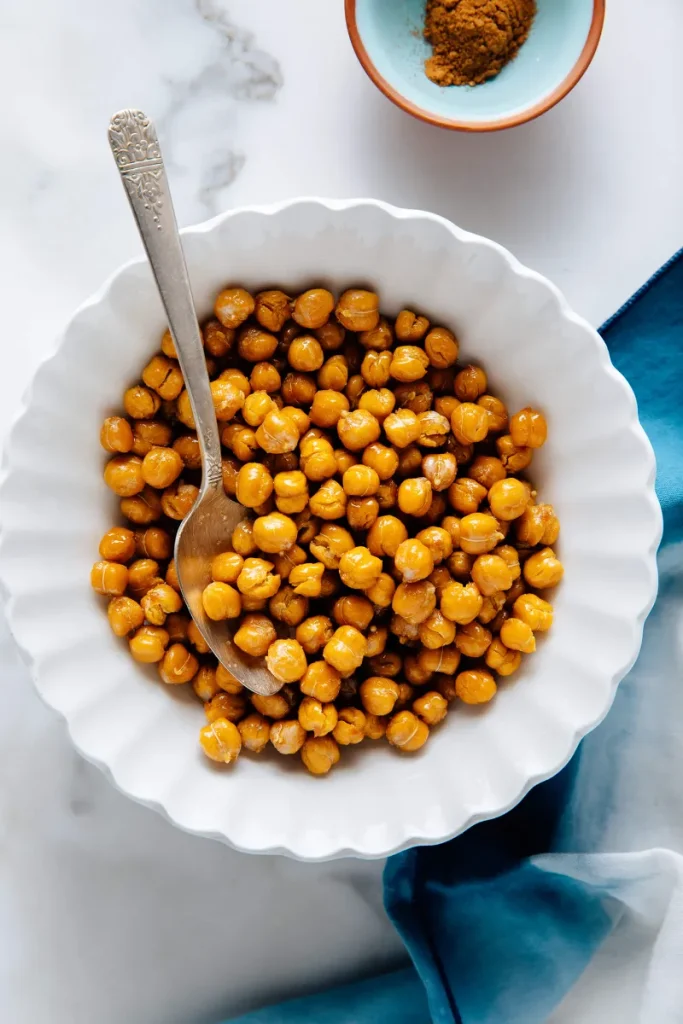
Chickpeas are one of the most popular legumes in America right now, and they are a solid lysine source for plant based eaters. One cup of cooked chickpeas delivers about 1,100 milligrams of lysine along with a satisfying combination of fiber and protein.
Hummus is probably the most common way Americans eat chickpeas, and it is a genuinely great vehicle for getting more lysine into your diet without any real effort. Roasted chickpeas are a crunchy, high protein snack that travels well and stays filling.
Chickpea pasta has taken off in recent years as a higher protein alternative to traditional pasta. It cooks the same way and delivers noticeably more protein and lysine per serving.
They also work beautifully in curries, soups, grain bowls, and Mediterranean salads. Versatile, affordable, and genuinely nutritious.
Nutrition Info (Approximate)
| Serving Size | Lysine | Calories | Protein |
| 1 cup cooked | 1100 mg | 269 kcal | 15g |
17. Kidney Beans
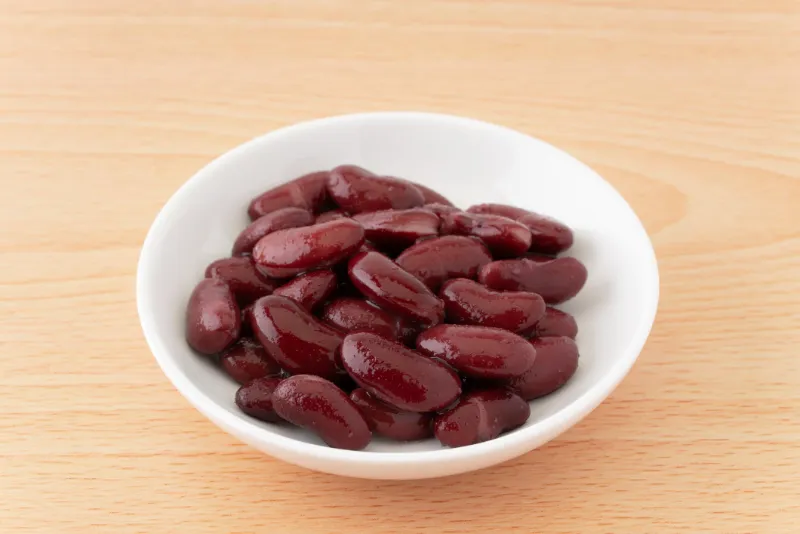
Kidney beans are a classic American comfort food, showing up in chili, red beans and rice, soups, and hearty stews across the country. One cup of cooked kidney beans delivers around 1,100 milligrams of lysine along with a ton of fiber and plant protein.
Red kidney beans in particular are a staple in Cajun and Southern cooking. A pot of red beans and rice on a Monday is one of those dishes that feeds a family, stretches the budget, and nutritionally covers a lot of ground all at once.
Kidney beans are also excellent in slow cooker chili, where they absorb spices and broth beautifully over a long cook time.
They are a great source of folate, iron, and potassium too. A true workhorse in the American kitchen.
Nutrition Info (Approximate)
| Serving Size | Lysine | Calories | Protein |
| 1 cup cooked | 1100 mg | 225 kcal | 15g |
18. Pumpkin Seeds
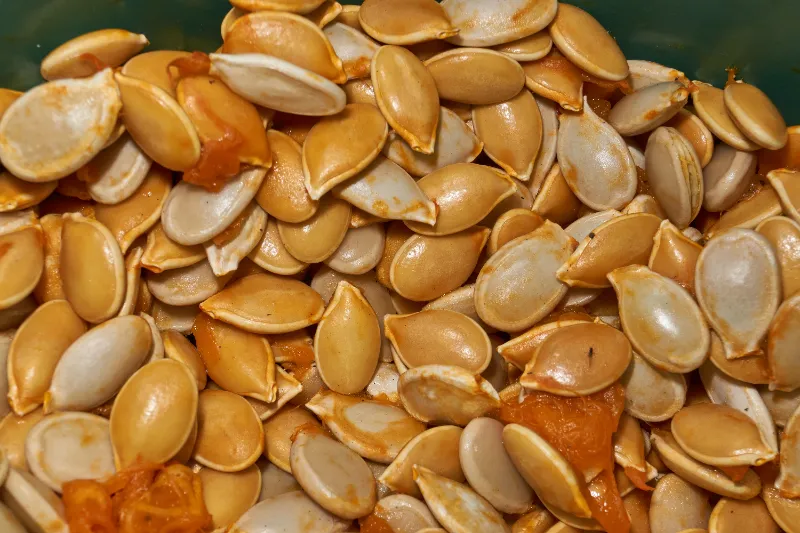
Pumpkin seeds are one of the best plant based snack foods when it comes to lysine content. One ounce delivers about 600 milligrams of lysine, which is notably higher than most other seeds and nuts.
They are a dense, satisfying snack that works straight out of the bag or added to salads, oatmeal, granola, trail mix, and roasted vegetable dishes. Toasted with a little olive oil and sea salt, they become genuinely addictive.
Pumpkin seeds are also one of the richest food sources of magnesium, which many Americans are chronically low in. That makes them nutritionally valuable well beyond just the lysine contribution.
Look for raw or dry roasted unsalted pumpkin seeds, also labeled as pepitas, in the bulk aisle or snack section. They keep well in an airtight container and make a quick, no prep nutrient boost any time of day.
Nutrition Info (Approximate)
| Serving Size | Lysine | Calories | Protein |
| 1 oz | 600 mg | 151 kcal | 7g |
19. Quinoa
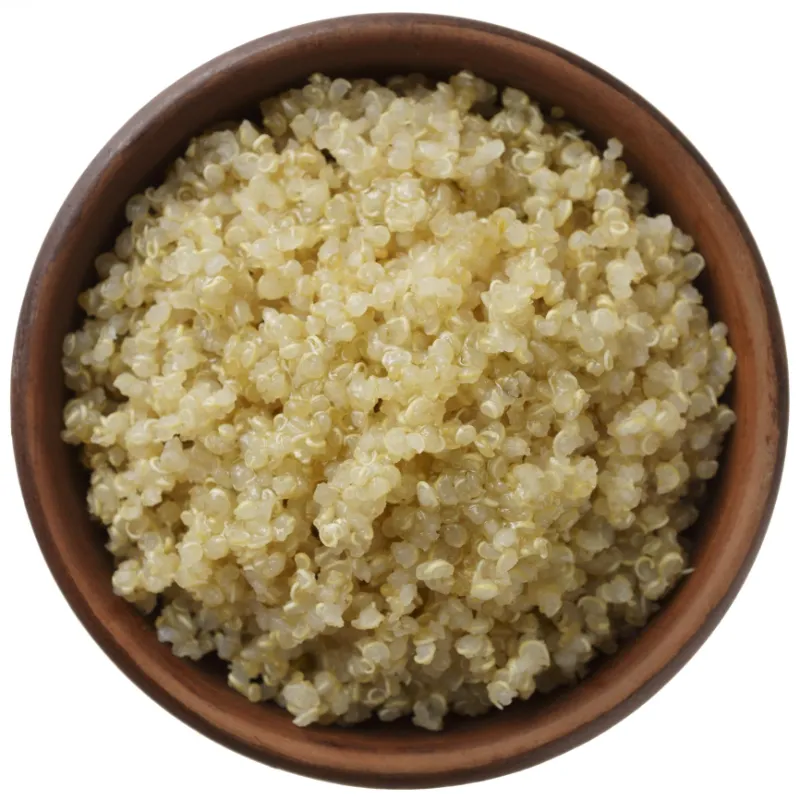
Quinoa is one of the very few plant foods considered a complete protein, and its lysine content is a big reason for that designation. One cup of cooked quinoa delivers about 442 milligrams of lysine, which is modest but meaningful given how much more it contains than most other grains.
Most grains are notably low in lysine, which is why quinoa stands out so clearly in the plant based world. For vegetarians who rely on grains as a base food, swapping white rice or pasta for quinoa a few times a week makes a real difference.
It cooks in 15 minutes, has a slightly nutty flavor, and works as a base for grain bowls, a side dish, a breakfast porridge, or mixed into salads. It holds up well to bold dressings without getting soggy.
Quinoa is also a good source of manganese, magnesium, phosphorus, and iron. A genuinely exceptional grain that earns its reputation.
Nutrition Info (Approximate)
| Serving Size | Lysine | Calories | Protein |
| 1 cup cooked | 442 mg | 222 kcal | 8g |
20. Tempeh
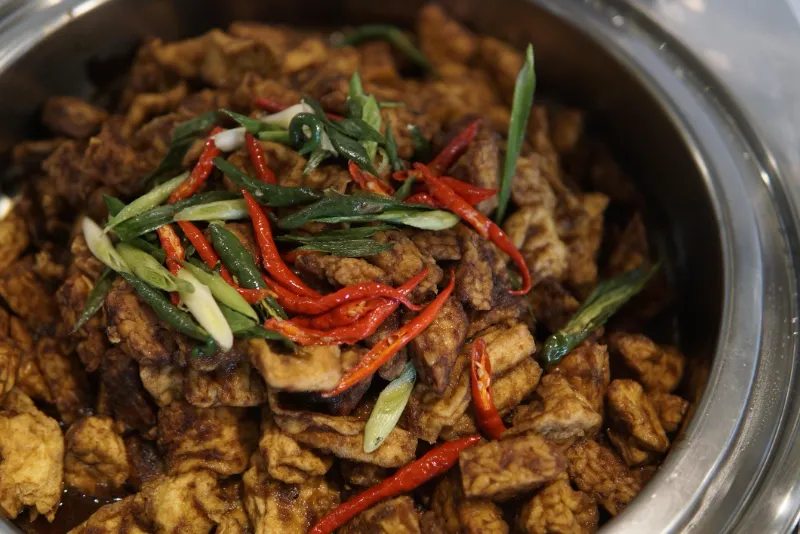
Tempeh is a fermented soy food that delivers one of the highest lysine contents of any plant based protein. Half a cup of tempeh gives you around 1,600 milligrams of lysine, which rivals many animal proteins and makes it exceptional for plant based diets.
The fermentation process makes tempeh easier to digest than tofu or whole soybeans and gives it a firmer, nuttier texture that holds up really well to high heat cooking. It can be sliced, crumbled, cubed, or grated, and it absorbs marinades beautifully.
Tempeh bacon is a popular preparation that gets crispy and smoky in a cast iron pan with tamari and smoked paprika. It is genuinely satisfying as a breakfast option or a sandwich add on.
It is also a source of gut friendly prebiotics thanks to the fermentation process, along with iron, calcium, and manganese. One of the most nutritionally serious plant proteins available.
Nutrition Info (Approximate)
| Serving Size | Lysine | Calories | Protein |
| 0.5 cup | 1600 mg | 160 kcal | 15g |
21. Whole Milk
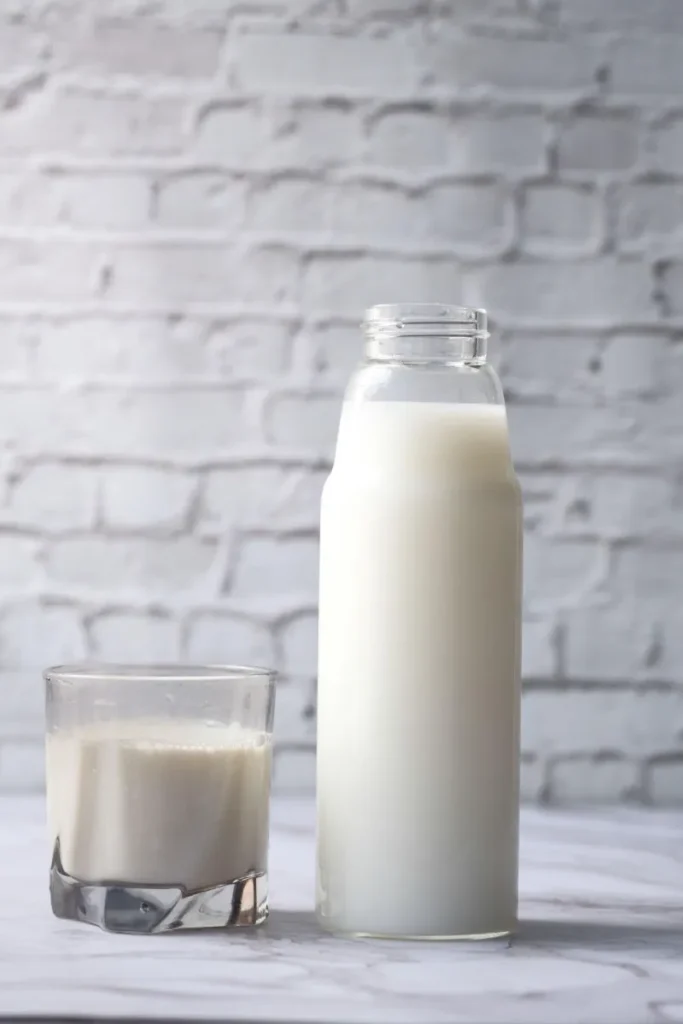
Milk is one of the most complete food sources on the planet, and it is a solid and consistent provider of lysine. One cup of whole or 2 percent milk delivers around 780 milligrams of lysine along with calcium, phosphorus, vitamin D, and B12.
Most Americans grow up drinking milk and many continue to use it daily in coffee, cereal, oatmeal, smoothies, and baking. That daily usage adds up to a meaningful and consistent lysine contribution without any extra planning.
The protein in milk is a mix of whey and casein, both of which are complete proteins rich in all essential amino acids. This is part of why milk has been considered a foundational nutrition source for so long.
For those who prefer plant milks, soy milk comes closest to cows milk in terms of lysine and overall protein content. Other plant milks like almond, oat, and rice milk are significantly lower and are not reliable lysine sources.
Nutrition Info (Approximate)
| Serving Size | Lysine | Calories | Protein |
| 1 cup | 780 mg | 150 kcal | 8g |
22. Cheddar Cheese
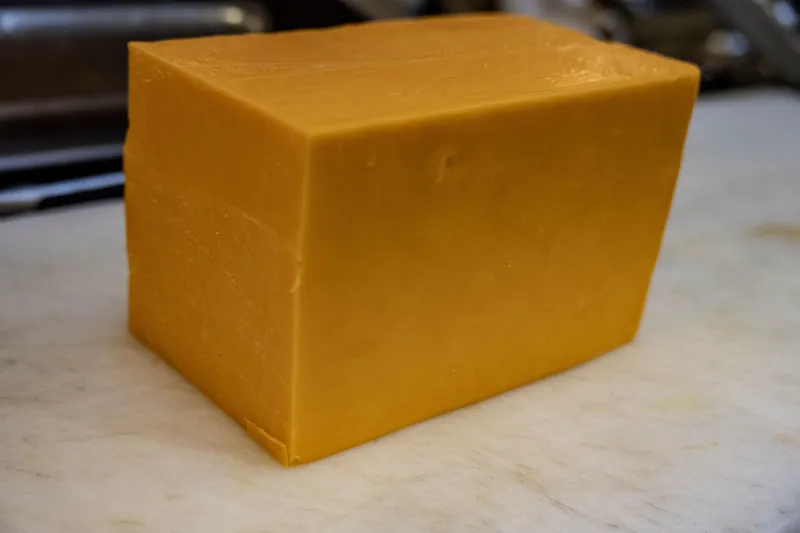
Cheddar cheese is one of the most popular cheeses in America, and it is a genuinely good source of lysine. One ounce of cheddar delivers about 700 milligrams of lysine along with calcium, phosphorus, and a satisfying amount of protein for a small serving.
It is in sandwiches, burgers, omelets, nachos, mac and cheese, casseroles, and quesadillas. Basically any savory dish in American cooking probably has a cheddar version, which makes it one of the most naturally integrated lysine sources in the typical diet.
Aged cheddar has a more concentrated flavor and a slightly higher protein density than mild cheddar, making it a smarter choice when you want more nutritional value per bite.
Pair it with apple slices, whole grain crackers, or some deli turkey for a quick snack that hits multiple lysine sources in one small plate.
Nutrition Info (Approximate)
| Serving Size | Lysine | Calories | Protein |
| 1 oz | 700 mg | 114 kcal | 7g |
23. Sardines
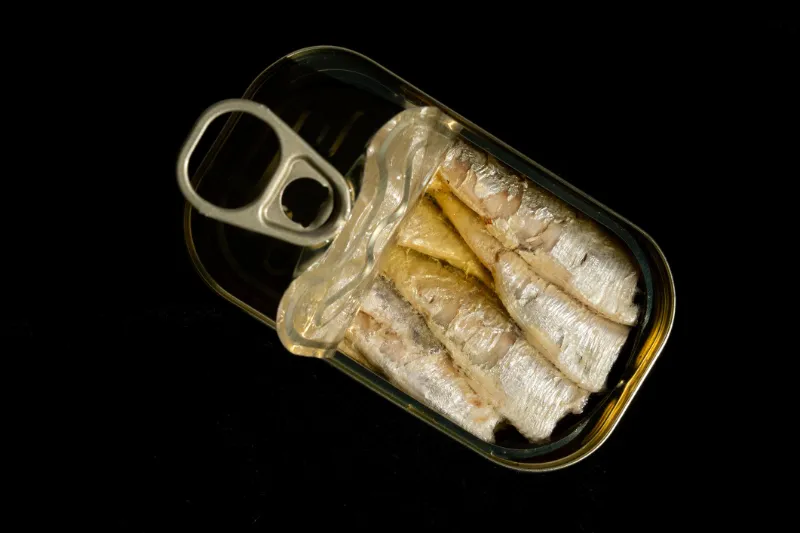
Sardines are one of the most nutrient dense foods on the entire planet, and their lysine content reflects that status. Three ounces of canned sardines deliver around 2,300 milligrams of lysine along with calcium, omega 3s, vitamin D, and B12 all in one small can.
They are still an underused food in American kitchens despite being incredibly affordable and requiring zero prep. Open the can, squeeze some lemon over them, and serve on toast or crackers. That is literally the whole recipe.
Sardines packed in olive oil have a richer flavor that works beautifully tossed into pasta with garlic and cherry tomatoes. It is a five ingredient meal that feels restaurant quality and takes about 15 minutes.
Because you eat the bones, sardines are also one of the best non dairy sources of calcium available. A tiny fish doing enormous nutritional work.
Nutrition Info (Approximate)
| Serving Size | Lysine | Calories | Protein |
| 3 oz canned | 2300 mg | 177 kcal | 21g |
24. Amaranth
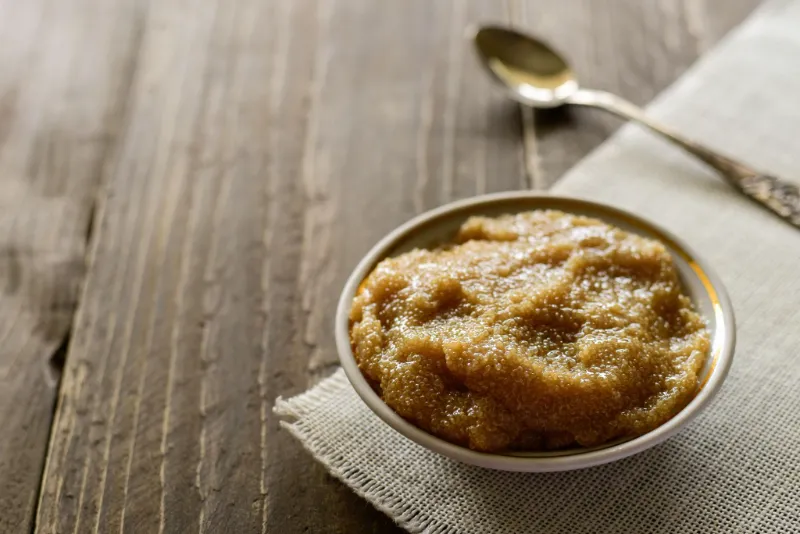
Amaranth is an ancient grain that is getting well deserved attention in the American health food community, and its lysine content is a big part of why. One cup of cooked amaranth delivers about 520 milligrams of lysine, making it one of the best grain sources of this amino acid alongside quinoa.
Like quinoa, amaranth is considered a complete protein, which is extremely rare in the grain world. For people who rely heavily on grains as dietary staples, amaranth offers a meaningful nutritional upgrade over wheat, corn, and rice.
It has a slightly earthy, nutty flavor and a porridge like texture when cooked with water. It works as a warm breakfast bowl with cinnamon and maple syrup, or as a base for savory grain dishes with roasted vegetables and herbs.
Amaranth is also packed with magnesium, iron, and phosphorus. It is a small grain with a seriously impressive nutritional profile.
Nutrition Info (Approximate)
| Serving Size | Lysine | Calories | Protein |
| 1 cup cooked | 520 mg | 251 kcal | 9g |
25. Spirulina
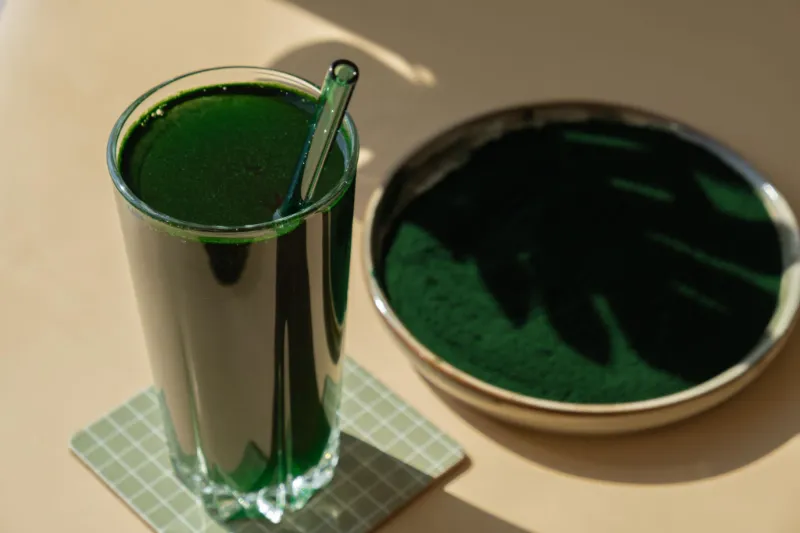
Spirulina is a blue green algae powder with one of the most impressive amino acid profiles in the entire plant kingdom. Just one tablespoon delivers around 330 milligrams of lysine at only 20 calories, making it one of the most efficient lysine sources per calorie available anywhere.
It is popular in smoothies, protein shakes, and energy bowls, where it adds a deep green color and a slightly earthy, ocean like flavor. Most people blend it with fruit and other ingredients so the flavor is barely noticeable.
Spirulina is also one of the richest plant sources of iron, making it especially valuable for vegetarians and vegans who struggle to get enough. The combination of iron, complete protein, and lysine in one small spoonful is genuinely remarkable.
Look for organic spirulina powder from a reputable brand and start with small amounts if you are new to it. A little goes a very long way both in nutrition and in intensity of flavor.
Nutrition Info (Approximate)
| Serving Size | Lysine | Calories | Protein |
| 1 tbsp | 330 mg | 20 kcal | 4g |
Final Thoughts
Lysine is easy to get when you are eating a balanced mix of proteins, legumes, and dairy. Pick a few foods from this list that already fit your eating habits and build from there. Your muscles, immune system, and skin will all benefit. Which one surprised you most? Leave a comment below.
