
10 Homemade Bread Recipes That Will Make You Feel Like a Master Baker
There’s something about fresh bread that just hits different. Maybe it’s the smell taking over your kitchen or the way it tastes still warm from the oven. Whatever it is, homemade bread isn’t as scary as it sounds. Promise.
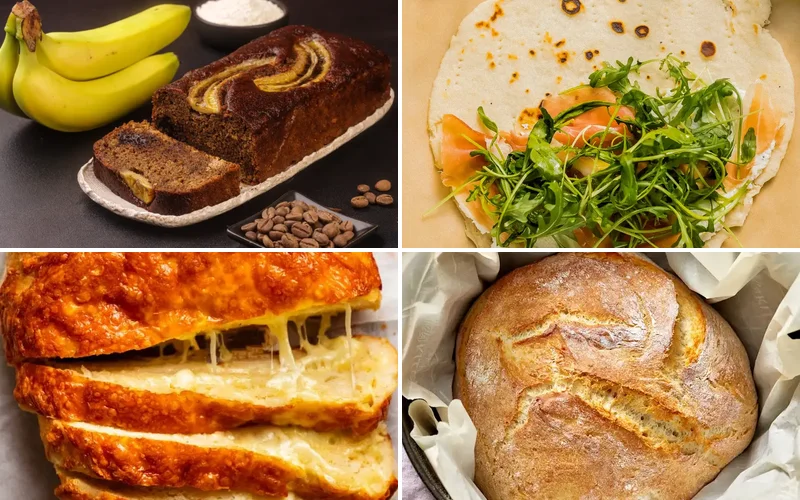
These ten recipes are the ones I keep coming back to. Some need kneading, some don’t. Some are quick, others take their sweet time. But they all work, and they’re all worth it.
1. Classic White Bread
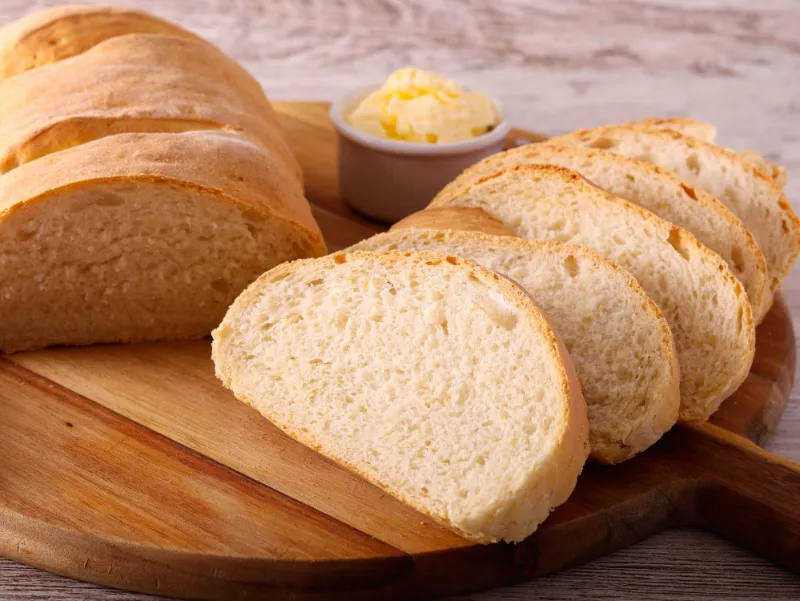
Ingredients:
- 4 cups all purpose flour
- 2 tablespoons sugar
- 2 teaspoons salt
- 2 1/4 teaspoons active dry yeast
- 1 1/2 cups warm water
- 2 tablespoons butter, melted
Instructions:
Step 1: Mix the yeast with warm water and sugar in a large bowl, then wait about 5 minutes until it gets foamy on top.
This is called proofing the yeast, and it’s basically making sure your yeast is alive. If it doesn’t foam, your yeast is dead and you need to start over with fresh yeast. The water should feel like a warm bath, not hot. Too hot kills the yeast.
Step 2: Add the flour, salt, and melted butter to the yeast mixture, then stir everything together until a shaggy dough forms.
It’s gonna look messy right now. That’s normal. You’re not going for smooth yet, just getting everything combined. Use a wooden spoon or your hands, whatever feels right. Some people add the flour gradually, but honestly, dumping it all in works fine.
Step 3: Turn the dough onto a floured surface and knead for about 8 to 10 minutes until it becomes smooth and elastic.
Kneading is just pushing the dough away with the heel of your hand, folding it back, turning it, and repeating. You’ll know it’s ready when the dough bounces back when you poke it. Your arms might get tired, this is the workout part. If the dough is super sticky, add a tiny bit more flour, but not too much or your bread will be dense.
Step 4: Place the dough in a greased bowl, cover it with a damp towel, and let it rise in a warm spot for about an hour until it doubles in size.
Find the warmest spot in your kitchen. I usually put mine near the oven or on top of the fridge. The dough should literally double, like you can see the difference. If your kitchen is cold, this might take longer, and that’s okay. Just be patient.
Step 5: Punch down the dough to release the air, shape it into a loaf, and place it in a greased 9×5 inch loaf pan.
Punching it down is exactly what it sounds like. Just give it a good punch. So satisfying. Then shape it into a log that fits your pan. Tuck the ends under so the top is smooth. This is my favorite part, honestly.
Step 6: Cover the pan and let the dough rise again for about 30 to 40 minutes, then bake at 375°F for 30 to 35 minutes until golden brown.
The second rise is shorter but super important for that fluffy texture. When you bake it, the top should turn a nice golden color and sound hollow when you tap it. If you want a softer crust, brush the top with butter right when it comes out of the oven. Let it cool for at least 15 minutes before slicing, or it’ll be gummy inside.
2. No Knead Bread
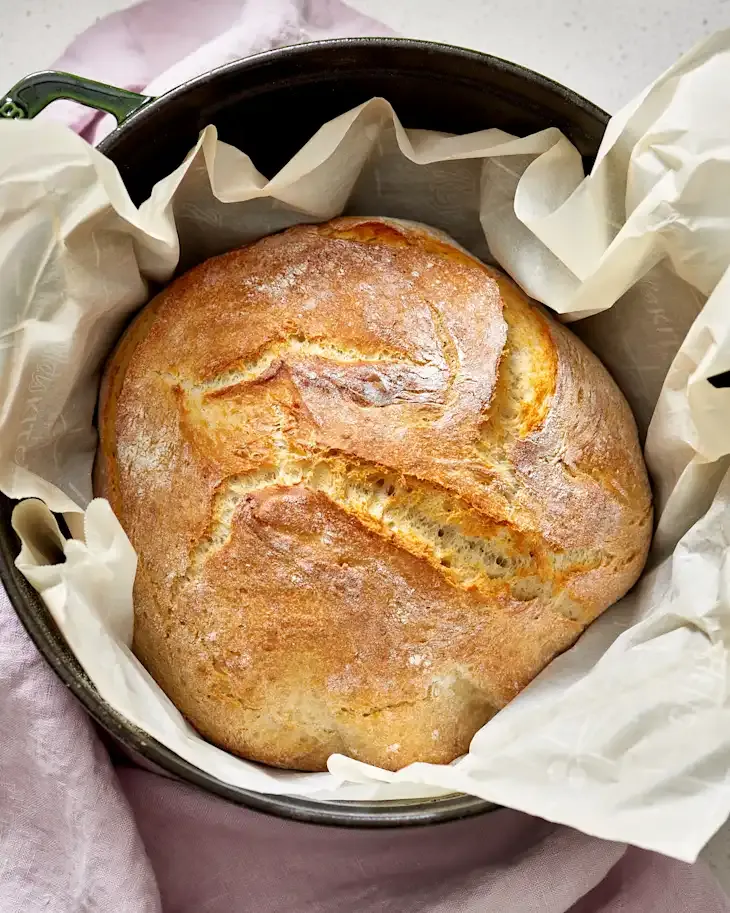
Ingredients:
- 3 cups all purpose flour
- 1 3/4 teaspoons salt
- 1/4 teaspoon active dry yeast
- 1 1/2 cups warm water
Instructions:
Step 1: Whisk together the flour, salt, and yeast in a large bowl, then add the warm water and stir until just combined into a sticky, shaggy dough.
This dough is supposed to be wet and messy looking. Don’t panic. You’re literally just mixing until there’s no dry flour left. Takes like 30 seconds. The bowl doesn’t even need to be that big, just enough to hold everything.
Step 2: Cover the bowl tightly with plastic wrap and let it sit at room temperature for 12 to 18 hours.
Yep, you read that right. You’re basically ignoring it overnight. The long rise does all the work for you, developing flavor and texture without any kneading. I usually mix this before bed and bake it the next afternoon. Your kitchen will smell slightly yeasty in the morning, totally normal.
Step 3: After the long rise, the dough will be bubbly and have doubled in size, so turn it out onto a well floured surface and fold it over itself a few times.
It’s gonna be super sticky when you dump it out. Use plenty of flour on your counter and your hands. Folding just means lifting one edge and pressing it into the center, then rotating and repeating a few times. You’re not kneading, just shaping it gently. This step takes maybe a minute.
Step 4: Shape the dough into a round ball, place it on parchment paper, cover it loosely, and let it rest for about 2 hours until puffy.
The dough won’t double this time, but it should look noticeably puffy and relaxed. I put mine in a bowl lined with a floured towel, but parchment works great too. Don’t skip this rest, it makes the bread lighter. Honestly, easiest step.
Step 5: About 30 minutes before baking, preheat your oven to 450°F with a Dutch oven inside so it gets screaming hot.
The hot Dutch oven creates steam, which gives you that amazing crispy crust. If you don’t have a Dutch oven, a heavy pot with a lid works. Just make sure it’s oven safe at high heat. I learned this the hard way with a plastic handle once.
Step 6: Carefully place the dough with the parchment into the hot Dutch oven, cover it with the lid, and bake for 30 minutes covered, then 15 more minutes uncovered until deep golden brown.
Use oven mitts and be careful, that pot is seriously hot. The parchment makes it so much easier to transfer. After 30 minutes, remove the lid and the bread will get that gorgeous dark crust. It should sound hollow when you tap the bottom. Let it cool completely before slicing, I know that’s hard.
3. Whole Wheat Bread
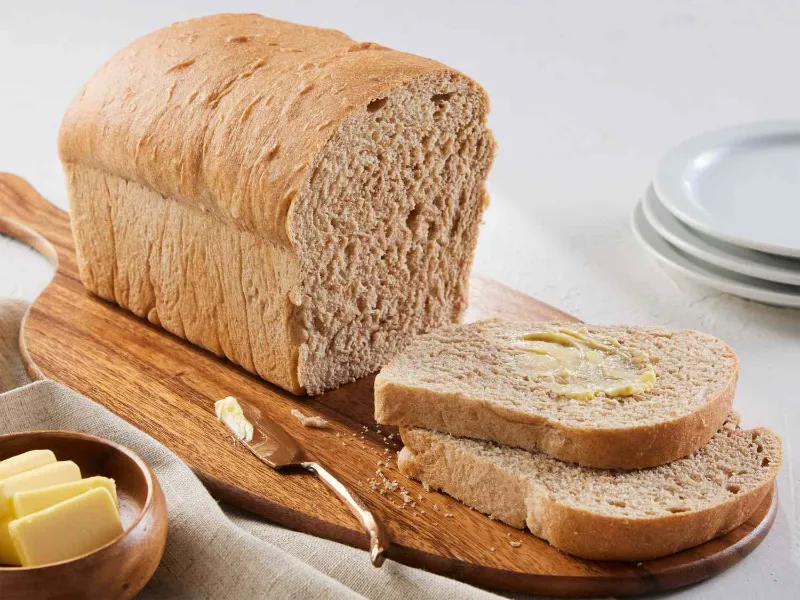
Ingredients:
- 2 cups whole wheat flour
- 1 1/2 cups all purpose flour
- 2 tablespoons honey
- 2 teaspoons salt
- 2 1/4 teaspoons active dry yeast
- 1 3/4 cups warm water
- 2 tablespoons olive oil
Instructions:
Step 1: Dissolve the yeast and honey in warm water, let it sit for 5 minutes until foamy, then add the olive oil.
The honey feeds the yeast and adds a subtle sweetness that balances the whole wheat flavor. You’ll see bubbles form on top when it’s ready. If nothing happens after 10 minutes, your water was probably too hot or your yeast is old. Start over, it happens.
Step 2: In a separate large bowl, whisk together the whole wheat flour, all purpose flour, and salt until evenly combined.
Whole wheat flour is denser than white flour, so mixing it with all purpose keeps the bread from being too heavy. You can go 100% whole wheat if you want, but it’ll be pretty dense. I like this ratio because it still feels light. Mix the dry ingredients well so the salt distributes evenly.
Step 3: Pour the wet ingredients into the dry ingredients and mix until a sticky dough forms, then knead on a floured surface for about 8 minutes.
This dough will feel a bit rougher than white bread dough because of the whole wheat. That’s normal. Knead until it’s smooth and springy. If it’s too sticky, add a tablespoon of all purpose flour at a time. Whole wheat absorbs liquid differently, so you might need to adjust.
Step 4: Place the dough in an oiled bowl, cover it, and let it rise in a warm place for about 1 hour until doubled.
Same deal as the white bread. Find a warm spot and wait. Whole wheat dough can take a bit longer to rise, so don’t stress if it’s not quite doubled at the hour mark. Just give it more time. You’re doing great.
Step 5: Punch down the dough, shape it into a loaf, place it in a greased 9×5 inch pan, and let it rise again for 30 to 40 minutes.
Shape it just like you did the white bread. Smooth top, tucked ends. The second rise makes it fluffy. You want the dough to crown just above the rim of the pan before baking. That way it bakes up tall and beautiful.
Step 6: Bake at 375°F for 35 to 40 minutes until the top is golden brown and the loaf sounds hollow when tapped.
Whole wheat bread gets a deeper color than white bread, so don’t worry if it looks really brown. That’s what you want. If the top is browning too fast, tent it with foil for the last 10 minutes. Let it cool before slicing or it’ll be crumbly. This bread is perfect for toast.
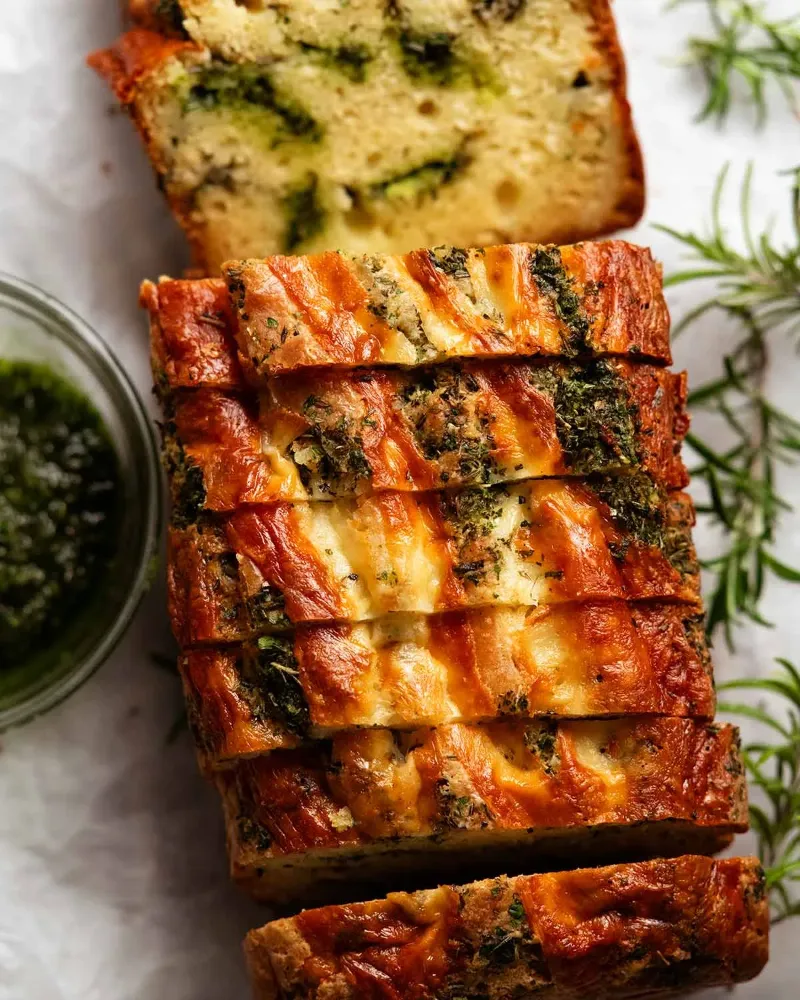
4. Garlic Herb Bread
Ingredients:
- 3 1/2 cups all purpose flour
- 2 teaspoons salt
- 2 1/4 teaspoons active dry yeast
- 1 tablespoon sugar
- 1 1/4 cups warm water
- 1/4 cup olive oil
- 4 cloves garlic, minced
- 2 tablespoons fresh rosemary, chopped
- 2 tablespoons fresh parsley, chopped
Instructions:
Step 1: Proof the yeast by mixing it with warm water and sugar, let it foam for 5 minutes, then stir in the olive oil and minced garlic.
The garlic goes in raw here and will mellow out as the bread bakes. Use fresh garlic if you can, the flavor is so much better than jarred. You can add the garlic later if you want, but mixing it in now distributes it evenly. Smells amazing already.
Step 2: In a large bowl, combine the flour, salt, rosemary, and parsley, then pour in the wet ingredients and mix until a dough forms.
Chop the herbs pretty fine so they mix in well. You can use dried herbs in a pinch, just use about half the amount since dried is more concentrated. The dough will have green flecks throughout, which looks so pretty when it’s baked. Stir until it’s shaggy and combined.
Step 3: Knead the dough on a floured surface for about 8 minutes until smooth, adding a bit more flour if it’s too sticky.
The olive oil makes this dough a bit softer and easier to work with than basic white bread. It should feel smooth and not stick to your hands. The herbs might poke out a bit, that’s fine. Just keep kneading until it’s elastic and springs back when poked.
Step 4: Let the dough rise in a greased bowl covered with a towel for about 1 hour in a warm spot until doubled in size.
Same rising process as the other breads. Warm spot, one hour, doubled. If you want extra garlic flavor, you can brush the risen dough with garlic butter before the second rise. I do this sometimes when I’m feeling fancy. This is where it gets good.
Step 5: Punch down the dough, shape it into a round or oval loaf, place it on a parchment lined baking sheet, and let it rise for another 30 minutes.
You can shape this however you want. Round boule, oval, even a loaf pan works. I like doing a round on a baking sheet because the crust gets crispy all over. Score the top with a sharp knife in a pattern if you want to get fancy. Totally optional but looks cool.
Step 6: Brush the top with olive oil, sprinkle with a bit more rosemary and sea salt, then bake at 375°F for 25 to 30 minutes until golden.
The olive oil brushed on top gives it a beautiful shine and the salt adds a nice crunch. Don’t skip this step. The bread should be golden and sound hollow. This one is unreal with pasta or just torn apart and dipped in more olive oil. You’ll love this.
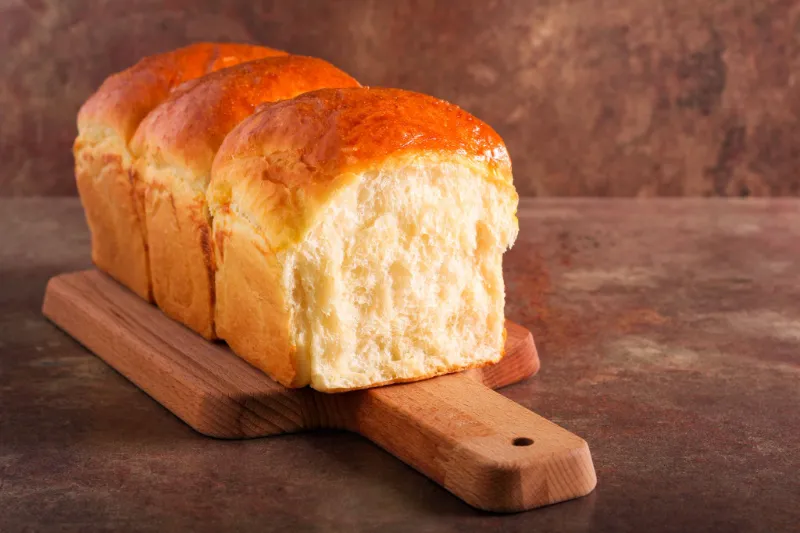
5. Milk Bread (Soft and Fluffy)
Ingredients:
- 3 1/2 cups all purpose flour
- 1/4 cup sugar
- 1 teaspoon salt
- 2 1/4 teaspoons active dry yeast
- 1 cup warm whole milk
- 1 egg
- 1/4 cup butter, softened
Instructions:
Step 1: Warm the milk until it’s just lukewarm, then dissolve the yeast and sugar in it and let it foam for about 5 minutes.
Whole milk makes this bread incredibly soft, but 2% works too. Just don’t use skim, it won’t be as rich. The milk should be warm but not hot, same as water for other breads. You want that yeast to wake up and get bubbly.
Step 2: In a large bowl, whisk together the flour and salt, then add the yeast mixture, egg, and softened butter and mix until combined.
The butter should be soft enough that you can press your finger into it easily. Cold butter won’t mix in well. You can use a stand mixer with a dough hook for this if you have one, but hands work fine too. The dough will be soft and a bit sticky at first.
Step 3: Knead the dough for about 10 minutes until it’s smooth, soft, and slightly tacky but not sticky.
This dough is a dream to work with. It’s so soft and pillowy. If it sticks to your hands, add a tiny bit of flour, but you want it to stay on the softer side. That’s what makes milk bread so fluffy. Keep kneading until it’s smooth and elastic. Honestly, this is the best part.
Step 4: Place the dough in a greased bowl, cover it, and let it rise for about 1 to 1.5 hours until doubled.
Milk bread can take a bit longer to rise because of the richness, so be patient. It’ll get there. You want it really puffy and doubled before moving on. I usually do this rise in a slightly warm oven with just the light on. Works perfectly.
Step 5: Punch down the dough, divide it into three equal pieces, roll each into a log, and place them side by side in a greased 9×5 inch loaf pan, then let rise for 45 minutes.
Dividing it into three creates that classic pull apart look. Roll each piece into a smooth log about 8 inches long. Lay them next to each other in the pan. They’ll rise and merge together, creating soft layers. This step makes it look bakery level.
Step 6: Brush the top with milk or an egg wash, then bake at 350°F for 30 to 35 minutes until golden and the internal temperature reaches 190°F.
An egg wash gives it a shiny, golden top. Just beat an egg with a tablespoon of water and brush it on. If you don’t have a thermometer, it should sound hollow and be golden brown. This bread stays soft for days and makes the best toast. So good.
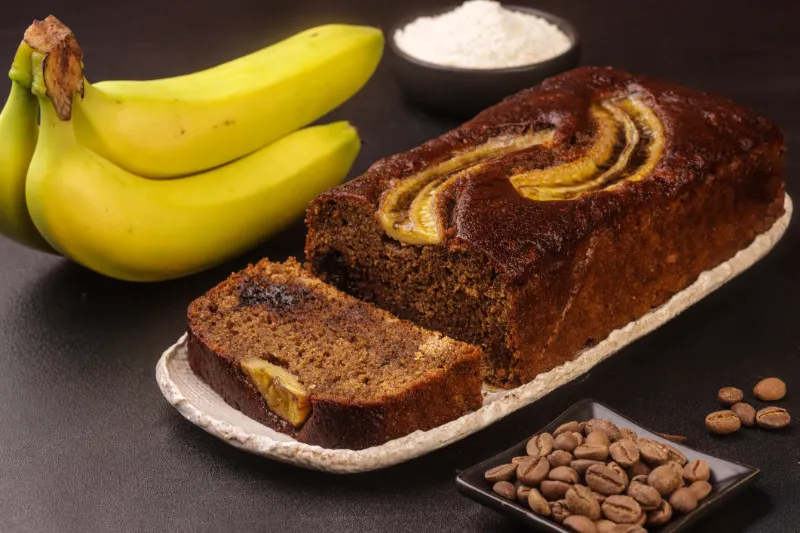
6. Banana Bread
Ingredients:
- 3 ripe bananas, mashed
- 1/3 cup melted butter
- 3/4 cup sugar
- 1 egg, beaten
- 1 teaspoon vanilla extract
- 1 teaspoon baking soda
- Pinch of salt
- 1 1/2 cups all purpose flour
Instructions:
Step 1: Preheat your oven to 350°F and grease a 9×5 inch loaf pan, then mash the bananas in a large bowl until mostly smooth.
The riper the bananas, the better. I’m talking brown spots all over, even mostly black. That’s when they’re the sweetest. Use a fork to mash them right in the mixing bowl. A few lumps are totally fine, they add texture. Don’t overthink it.
Step 2: Stir the melted butter into the mashed bananas, then mix in the sugar, beaten egg, and vanilla until well combined.
The butter should be melted but not super hot, or it’ll cook the egg. Just mix everything together with a wooden spoon or spatula. No mixer needed for this one. It’s a quick bread, so we’re keeping it simple. This is the wet mixture done.
Step 3: Sprinkle the baking soda and salt over the mixture and stir it in, then gently fold in the flour until just combined.
Don’t overmix once the flour goes in. Stir until you don’t see dry flour anymore, then stop. Overmixing makes banana bread tough and dense. A few streaks of flour are fine, they’ll bake out. This takes like 20 stirs max. Seriously, less is more here.
Step 4: Pour the batter into the prepared loaf pan and smooth the top with a spatula.
The batter will be thick but pourable. Just scrape it all into the pan and spread it evenly. You can tap the pan on the counter a couple times to release air bubbles if you want. I usually don’t bother, but it helps if you’re picky about texture.
Step 5: Bake for 60 to 65 minutes, checking at 50 minutes, until a toothpick inserted in the center comes out clean or with just a few moist crumbs.
Banana bread takes a while to bake through. If the top is browning too fast, tent it with foil. The toothpick test is your friend here. It should come out mostly clean, maybe a crumb or two. If it’s wet batter, give it more time. My oven runs hot, so I check early.
Step 6: Let the bread cool in the pan for 10 minutes, then turn it out onto a wire rack to cool completely.
This is the hardest part because it smells incredible and you want to eat it immediately. But cutting it hot makes it gummy. Wait at least 20 minutes total. Once it’s cool, it slices perfectly. I make this every time I have bananas going bad. Never gets old.
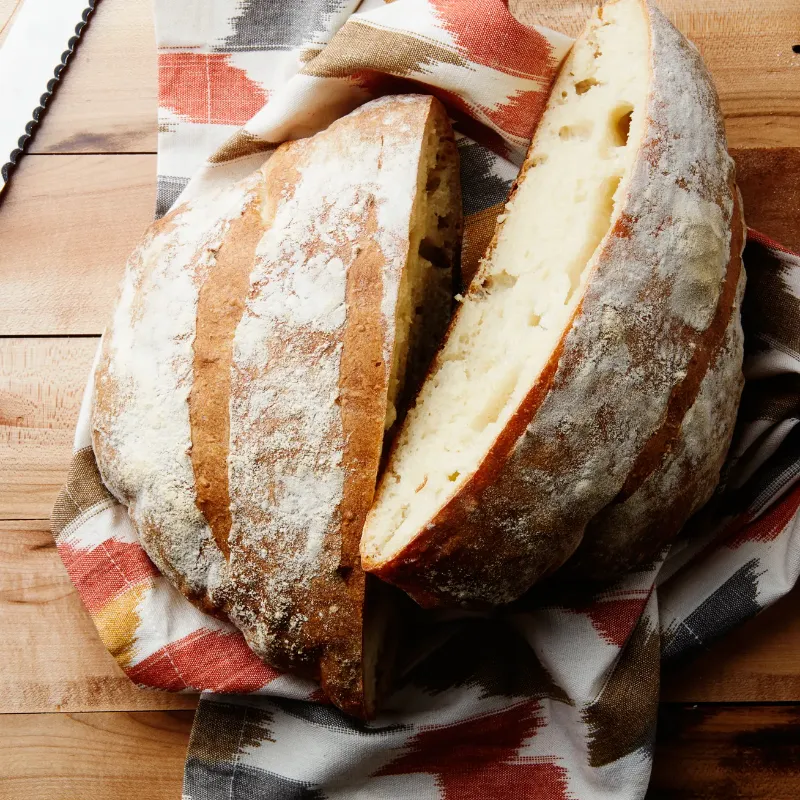
7. Rustic Artisan Bread
Ingredients:
- 3 cups all purpose flour
- 1 3/4 teaspoons salt
- 1/2 teaspoon active dry yeast
- 1 1/2 cups warm water
Instructions:
Step 1: Mix the flour, salt, and yeast in a large bowl, then add the warm water and stir until a rough, sticky dough forms.
You’re using way less yeast than normal bread, which is why the rise takes so long. It’s what gives this bread its complex, slightly tangy flavor. The dough will look shaggy and wet, almost like the no knead bread. Just mix until combined, no kneading at all.
Step 2: Cover the bowl tightly with plastic wrap and let it sit at room temperature for 12 to 18 hours until the surface is bubbly and the dough has more than doubled.
The long fermentation is the secret here. It develops flavor and creates those big, beautiful air pockets inside. I mix this before bed and bake it the next day. Your kitchen will smell slightly yeasty, which means it’s working. Patience pays off with this one.
Step 3: Turn the dough out onto a heavily floured surface, fold it over itself a few times to shape it, then let it rest on parchment paper for 1 to 2 hours.
It’s gonna be sticky and floppy when you dump it out. Use a lot of flour. Fold the edges into the center to create some structure, then flip it over so the smooth side is up. Let it rest and puff up. It won’t double, but it should look relaxed and airy.
Step 4: About 30 minutes before baking, preheat your oven to 450°F with a Dutch oven inside to get it really hot.
This is the same method as the no knead bread. That super hot pot creates steam and a crusty exterior. Make sure your Dutch oven is completely oven safe at high heat. Some have plastic handles that can’t take it. I’ve melted one before, learn from my mistakes.
Step 5: Carefully transfer the dough with the parchment paper into the hot Dutch oven, score the top with a sharp knife, then cover and bake for 30 minutes.
Scoring lets the bread expand as it bakes and looks professional. Just slash the top in an X or a few lines. Use your sharpest knife or a razor blade. Be super careful transferring it because that pot is screaming hot. Oven mitts are your best friend here.
Step 6: Remove the lid and bake for another 15 to 20 minutes until the crust is deep golden brown and crispy.
The bread will get a gorgeous, crackly crust in this final uncovered bake. It should be a really deep brown, almost looks burnt but it’s not. Tap the bottom, it should sound hollow. Let it cool completely before cutting, the inside is still cooking as it cools. This bread is so worth the wait.
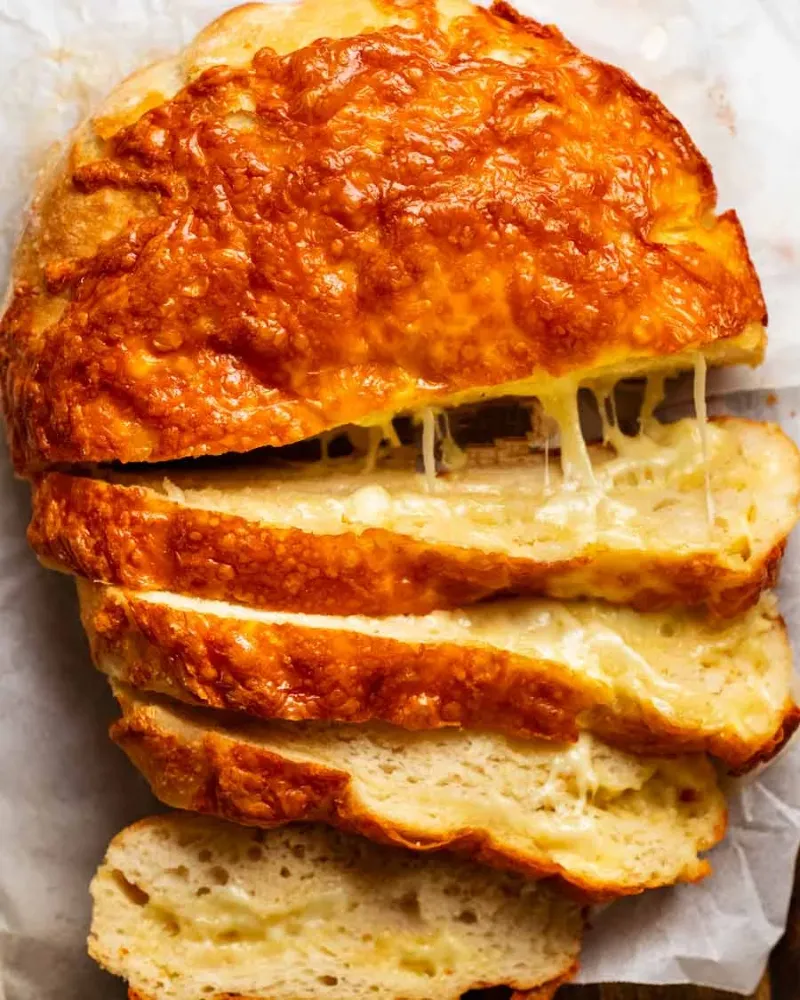
8. Cheesy Bread
Ingredients:
- 3 cups all purpose flour
- 2 teaspoons salt
- 2 1/4 teaspoons active dry yeast
- 1 tablespoon sugar
- 1 cup warm water
- 2 tablespoons olive oil
- 1 1/2 cups shredded cheddar cheese
Instructions:
Step 1: Proof the yeast with warm water and sugar for 5 minutes until foamy, then stir in the olive oil.
Standard yeast proofing, nothing fancy. You just want to make sure it’s alive and bubbly. The sugar feeds the yeast and helps it activate. If it doesn’t foam, toss it and start with fresh yeast. The olive oil adds richness and helps the dough stay soft.
Step 2: In a large bowl, mix the flour and salt, then pour in the yeast mixture and stir until a shaggy dough forms.
Don’t add the cheese yet, it goes in during kneading. Just get the basic dough together first. It’ll be rough and sticky at this point. That’s perfect. You’re about to work it into shape.
Step 3: Turn the dough onto a floured surface and knead for about 5 minutes, then gradually knead in the shredded cheddar cheese until evenly distributed.
Start kneading the plain dough first to develop some structure, then add the cheese in batches. Press it in, fold the dough over, and keep kneading. It’ll seem like too much cheese at first, but it’ll incorporate. The dough will be soft and slightly sticky from the cheese. So good already.
Step 4: Place the dough in an oiled bowl, cover, and let it rise for about 1 hour until doubled in size.
The cheese makes this dough a bit heavier, so it might take the full hour or slightly longer to double. That’s normal. Just let it do its thing in a warm spot. You’ll see the cheese throughout the dough, which looks awesome.
Step 5: Punch down the dough, shape it into a loaf, place it in a greased 9×5 inch pan, and let it rise for 30 to 40 minutes until puffy.
Shape it just like the other loaves. You can also shape this into rolls or a round if you want. I usually do a loaf because it’s easier to slice. The second rise is important, don’t skip it. You want it nice and puffy before baking.
Step 6: Bake at 375°F for 30 to 35 minutes until golden brown, and optionally brush the top with melted butter when it comes out.
The cheese will make the crust extra golden and crispy. It smells incredible while baking. If you want it even more decadent, brush melted butter on top right when it comes out. Let it cool for a bit before slicing so the cheese sets. This bread is insane for grilled cheese or just eaten warm with butter.
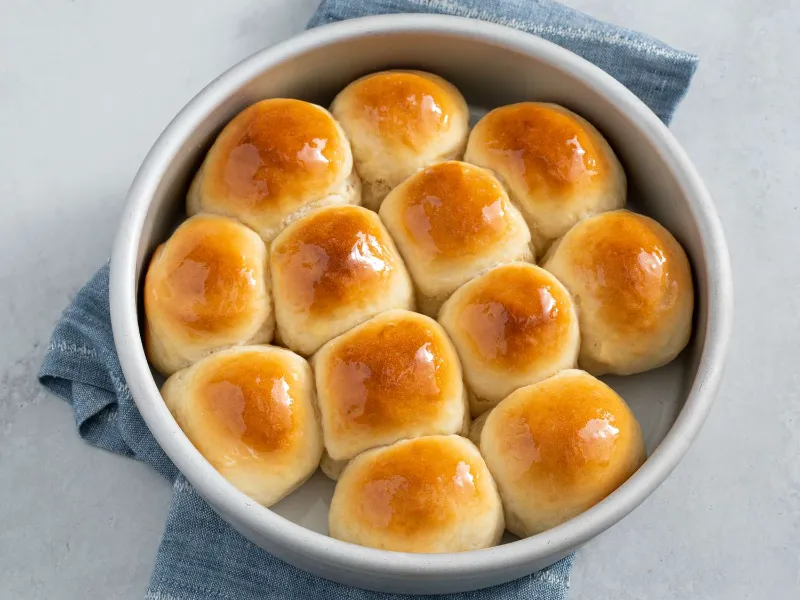
9. Dinner Rolls
Ingredients:
- 4 cups all purpose flour
- 1/4 cup sugar
- 1 teaspoon salt
- 2 1/4 teaspoons active dry yeast
- 1 cup warm milk
- 1/4 cup butter, melted
- 2 eggs
Instructions:
Step 1: Dissolve the yeast and sugar in warm milk, let it foam for 5 minutes, then whisk in the melted butter and eggs.
Make sure the milk isn’t too hot or it’ll cook the eggs when you add them. Everything should be just warm. Beat the eggs before adding them so they mix in smoothly. This wet mixture is rich and will make the rolls super soft.
Step 2: In a large bowl, combine the flour and salt, then pour in the wet ingredients and mix until a soft dough forms.
The dough will be softer than bread dough because of the eggs and butter. That’s what makes these rolls so fluffy and tender. Mix until it comes together, then get ready to knead. You can do this in a stand mixer if you have one, but hands work great too.
Step 3: Knead the dough on a floured surface for about 8 minutes until smooth and elastic, adding a bit more flour if it’s too sticky.
This dough should be soft and slightly tacky, but not sticking to your hands. If it does, add a tablespoon of flour at a time. Knead until it’s smooth and bounces back when you poke it. Your kitchen smells like a bakery already.
Step 4: Place the dough in a greased bowl, cover, and let it rise in a warm place for about 1 hour until doubled.
Standard first rise. Warm spot, one hour, doubled in size. These rolls have a lot of enrichment from the butter, milk, and eggs, so they might take a bit longer. Just be patient. They’ll get there.
Step 5: Punch down the dough, divide it into 12 equal pieces, shape each into a ball, and place them in a greased 9×13 inch baking dish, then let rise for 30 minutes.
Roll each piece into a smooth ball by tucking the edges underneath. Place them close together in the pan so they touch as they rise. They’ll bake up all connected and soft. This is how you get those pull apart rolls. Let them puff up before baking.
Step 6: Brush the tops with melted butter, then bake at 375°F for 18 to 20 minutes until golden brown, and brush with more butter right when they come out.
The butter brush before and after baking makes these rolls shiny and extra flavorful. They should be golden and soft. Let them cool for a few minutes, then pull them apart. These are perfect for Thanksgiving or any dinner. I make these constantly.
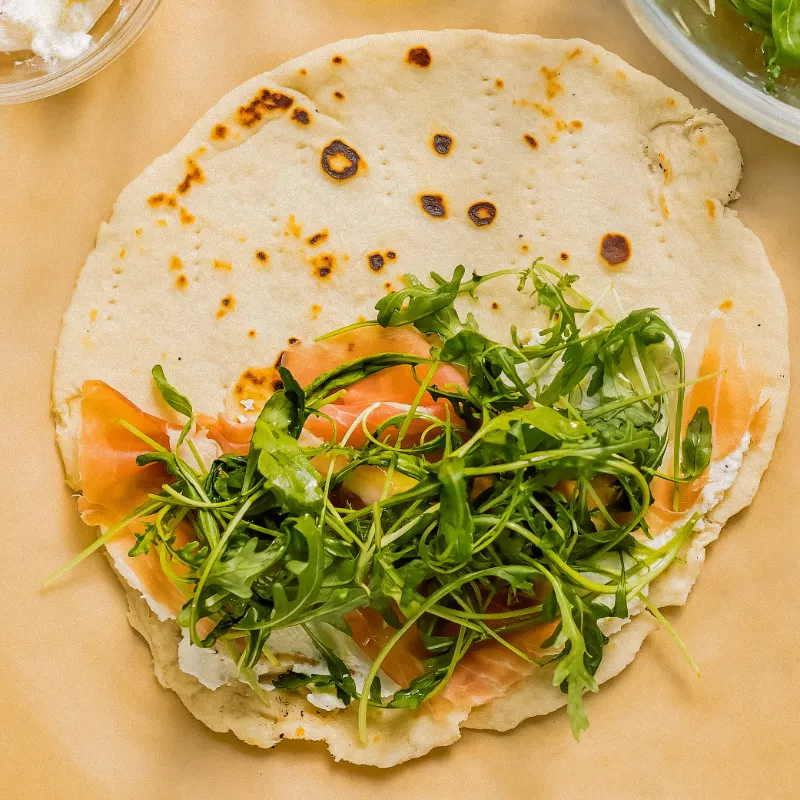
10. Flatbread (Skillet or Oven)
Ingredients:
- 2 cups all purpose flour
- 1 teaspoon salt
- 3/4 cup warm water
- 2 tablespoons olive oil
Instructions:
Step 1: Mix the flour and salt in a bowl, then add the warm water and olive oil and stir until a soft dough forms.
This is one of the easiest doughs you’ll ever make. No yeast, no rise, just mix and go. The dough should be soft but not sticky. If it’s too dry, add a bit more water. If it’s too wet, add a bit more flour. Super forgiving.
Step 2: Knead the dough on a floured surface for about 3 to 5 minutes until smooth, then cover it and let it rest for 20 minutes.
This short rest lets the gluten relax, which makes the dough easier to roll out. You’re not rising it, just letting it chill. Cover it with a towel so it doesn’t dry out. This is the easiest step, basically a break for you and the dough.
Step 3: Divide the dough into 6 equal pieces and roll each piece into a thin circle or oval, about 1/4 inch thick.
Flour your surface and rolling pin well so the dough doesn’t stick. They don’t have to be perfect circles, rustic looks great. Just get them relatively thin and even. Thinner flatbreads cook faster and get nice crispy spots. Thicker ones are chewier. Your call.
Step 4: Heat a skillet or cast iron pan over medium high heat until hot, then cook each flatbread for about 1 to 2 minutes per side until it puffs and gets golden brown spots.
Don’t add oil to the pan, you want it dry. The flatbread will puff up a bit as it cooks, which is so cool to watch. Flip it when you see bubbles forming and the bottom has brown spots. Each one takes like 3 minutes total. So fast.
Step 5: If using an oven, preheat it to 450°F and bake the rolled flatbreads on a parchment lined baking sheet for 5 to 7 minutes until puffed and lightly browned.
Oven method is great if you’re making a bunch at once. They’ll puff up and get slightly crispy. Watch them closely because they go from done to burnt pretty quick at this temp. I prefer the skillet method because you can eat them as you make them, but oven works too.
Step 6: Brush the cooked flatbreads with olive oil or melted butter and sprinkle with salt or garlic if you want.
This is totally optional but makes them so much better. A quick brush of oil or butter while they’re still warm, maybe a sprinkle of flaky salt or garlic powder. They’re perfect for dipping, wrapping, or just eating plain. I make these all the time for quick dinners.
Final Thoughts
There you go, ten bread recipes you can actually pull off. Some take time, some are quick. Some need kneading, some don’t. But they all work, and they’re all delicious. Pick one that sounds good and just go for it. Your kitchen’s about to smell amazing. Let me know which one you try first.