
The Real Reason Pasta Water Is Liquid Gold
MKM Signature Series: Cooking Chemistry | Episode 02
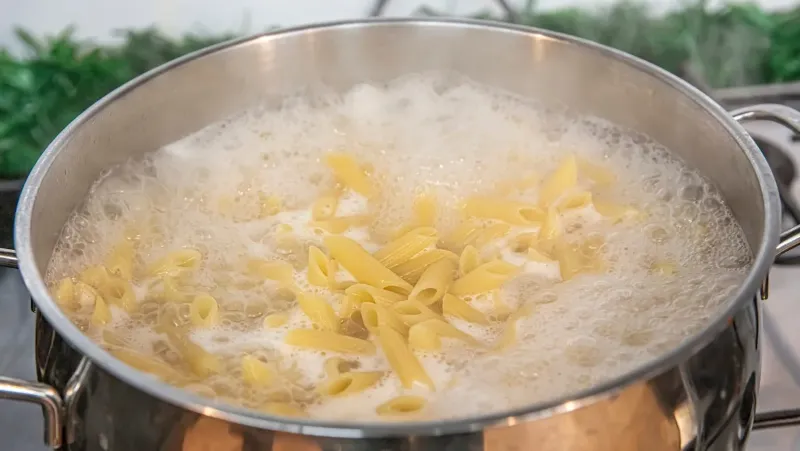
You have heard it a hundred times. “Save your pasta water.” Every cooking show, every food blog, every Italian grandmother says the same thing. But most of the time, the explanation stops there. Save it. Use it. Trust us.
That is not good enough.
When you understand what is actually in that cloudy, starchy water and what it does physically and chemically to your sauce, you will never dump it again. And more importantly, you will know exactly when and how much to add, instead of splashing it in blindly and hoping for the best.
What Actually Happens When Pasta Cooks
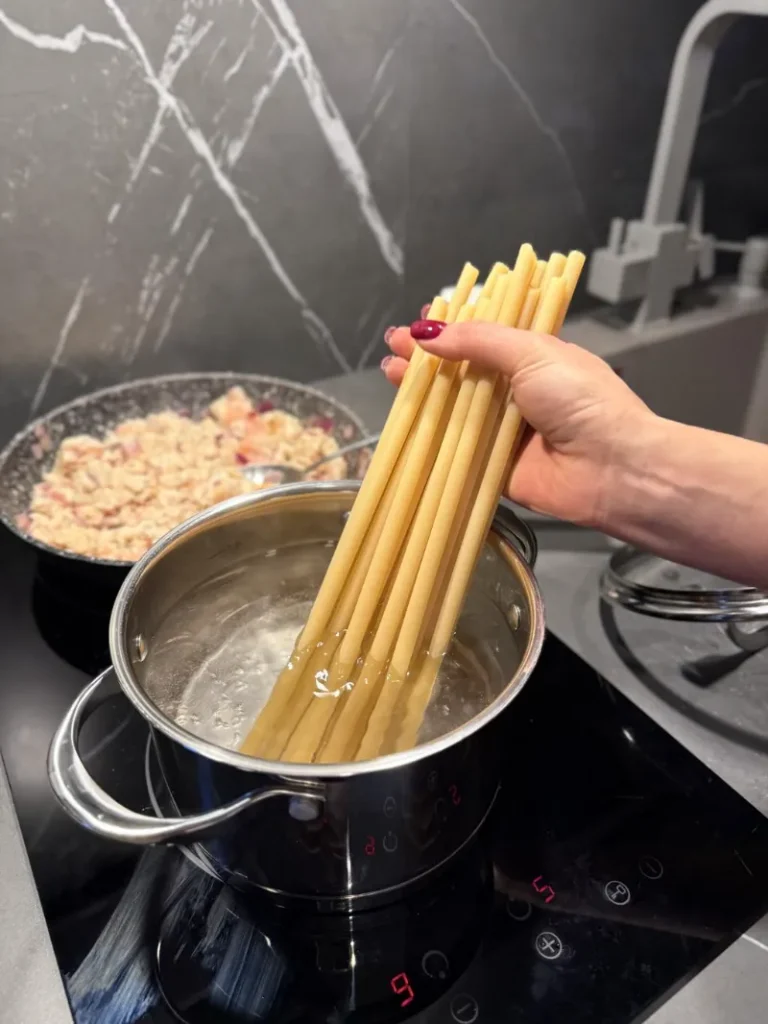
Drop dry pasta into boiling water and something immediate happens. The heat and water begin breaking down the structure of the pasta, which is made primarily from semolina flour and sometimes egg.
Semolina flour is rich in starch. Starch granules in pasta are tightly packed and crystalline when raw and dry. The moment they hit hot water, a process called gelatinization begins. The starch granules absorb water, swell up, and eventually rupture, releasing starch molecules into the surrounding water.
This is why pasta water gets cloudy. That cloudiness is not dirty water. It is starch. Pure, dissolved starch molecules floating freely in hot water that is also seasoned with salt.
By the time you drain a pot of pasta, you have created something that no store sells in a bottle. You have a hot, starchy, salted liquid that is chemically perfect for finishing pasta sauces.
The Science of Why Starch Changes Everything
Starch molecules, specifically amylose and amylopectin, are the key players here. When they dissolve into the pasta water, they give that water a set of physical properties that plain water does not have.
Starch thickens. When you add pasta water to a sauce and apply heat, the dissolved starch molecules start to form a loose network. This network traps liquid and creates viscosity. Your sauce goes from thin and runny to coating, clingy, and glossy without you adding cream, butter, or flour as a thickener.
Starch emulsifies. Here is the chemistry that most people miss completely. Many pasta sauces involve fat (olive oil, rendered guanciale fat, butter) and water-based liquids. Fat and water do not naturally mix. When you shake them together, they combine temporarily and then separate. This is why a sauce with a lot of olive oil can look greasy and broken.
Starch molecules have a unique structure. Part of each molecule is attracted to water. Part is attracted to fat. This makes starch a natural emulsifier. It bridges the fat and water molecules and holds them in a stable mixture. The result is a sauce that does not separate, stays glossy, and coats pasta evenly instead of sliding off.
Starch helps sauce stick to pasta. The outside of cooked pasta has a thin layer of gelatinized starch on its surface. When you add starchy pasta water to your sauce and toss the pasta in that sauce, the starch in the water bonds with the starch on the pasta surface. This creates actual adhesion. The sauce grabs onto the pasta at a molecular level.
This is why finishing pasta in the sauce instead of just pouring sauce on top of plated pasta makes a dramatic difference. You are building a chemical bond between the pasta and the sauce, not just pouring one over the other.
Why Salt Matters More Than You Think
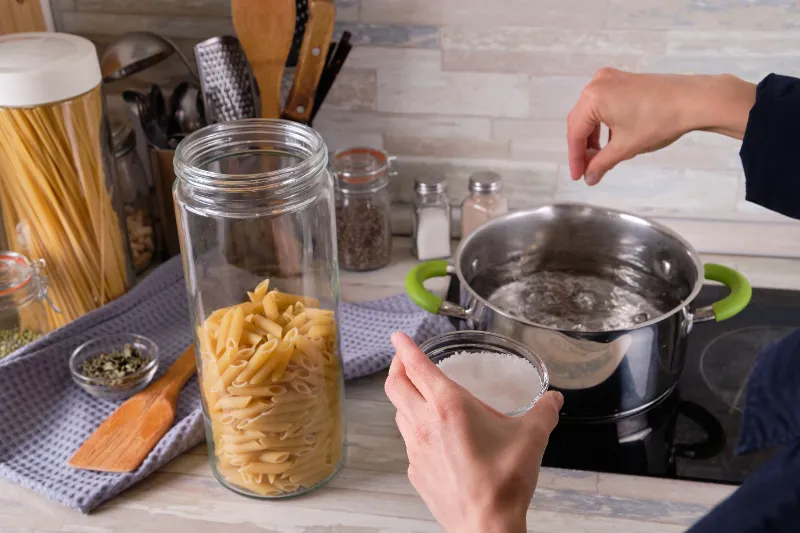
Serious pasta water is seriously salty. We are talking about water that tastes like mild seawater. Not a pinch of salt. A generous handful of kosher salt thrown into a large pot of boiling water.
Most home cooks under-salt their pasta water dramatically. And the consequences run deeper than just bland pasta.
Salt in pasta water serves three functions.
First, it seasons the pasta from the inside out. Pasta absorbs water as it cooks. If that water is well-salted, the pasta itself picks up seasoning throughout its entire structure, not just on the surface. No amount of sauce applied after cooking replicates this. You can taste the difference blindfolded.
Second, salt raises the ionic strength of the water, which affects how starch gelatinizes. Well-salted water produces slightly different starch behavior compared to unsalted water. The starch release is more controlled, and the resulting pasta has a slightly better texture.
Third, the salt carries over into your pasta water and becomes part of what you add to your sauce. This is free seasoning that integrates naturally into the dish. When recipe writers say pasta water is liquid gold, the salt content is part of the gold.
How much salt? A common professional guideline is about 1 tablespoon of kosher salt per quart of water. For a standard large pot holding 4 to 5 quarts, you are adding 4 to 5 tablespoons. That sounds like a lot. It is. And the pasta will taste far better for it.
The Practical Application: When and How to Use It
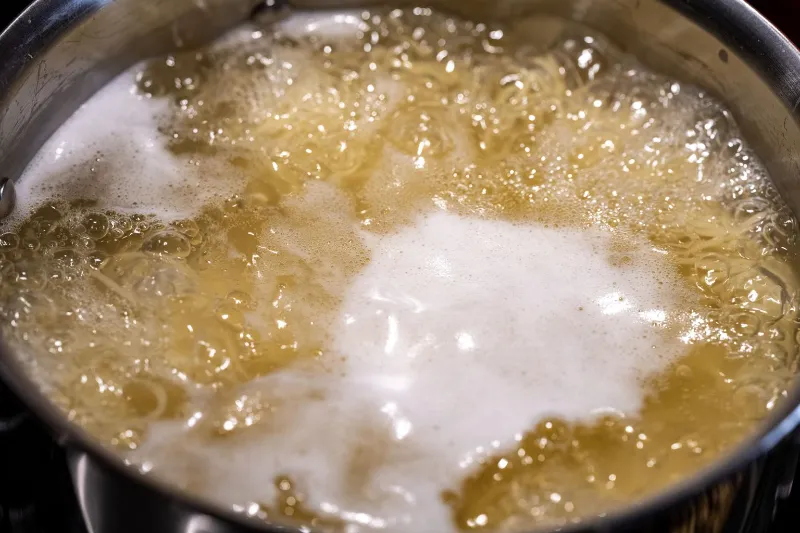
Knowing the chemistry is one thing. Using it correctly is another. Here is the exact method that changes your pasta.
Save a cup before you drain, always. Before you touch that colander, scoop out at least a full cup of pasta water with a ladle or heat-safe measuring cup. You probably will not need all of it, but you want the option. Once you drain, the opportunity is gone. Put the cup next to your stove.
Do not rinse your pasta. Ever, for hot pasta dishes. Rinsing washes away the surface starch that helps sauce adhere. It also cools the pasta down, which stops the sauce from continuing to cook and meld. Rinsing is for cold pasta salads only.
Finish your pasta in the sauce. Instead of draining pasta and then putting sauce on top, drain it about 1 to 2 minutes before it reaches your desired doneness. Transfer it directly into the pan where your sauce is waiting over medium heat. Let the pasta finish cooking in the sauce. Add pasta water as you go, a splash at a time, tossing constantly.
Add pasta water incrementally. You are not adding it all at once. Start with a couple of tablespoons. Toss. Watch the sauce. Add more if it looks tight or dry. You want the sauce to coat the pasta and have a glossy, slightly loose consistency when you plate it, because it will thicken further as it sits.
Temperature matters for the starch to work. The pan should be hot when you are tossing the pasta with the sauce and pasta water. Heat activates the starch and drives emulsification. Tossing lukewarm pasta in a cold pan will not give you the same result.
How This Changes Specific Dishes
Let us get specific, because this knowledge applies differently depending on what you are making.
Cacio e Pepe. This dish is famously difficult for home cooks because it constantly turns into a clumpy cheese mess. The reason is almost always inadequate pasta water use.
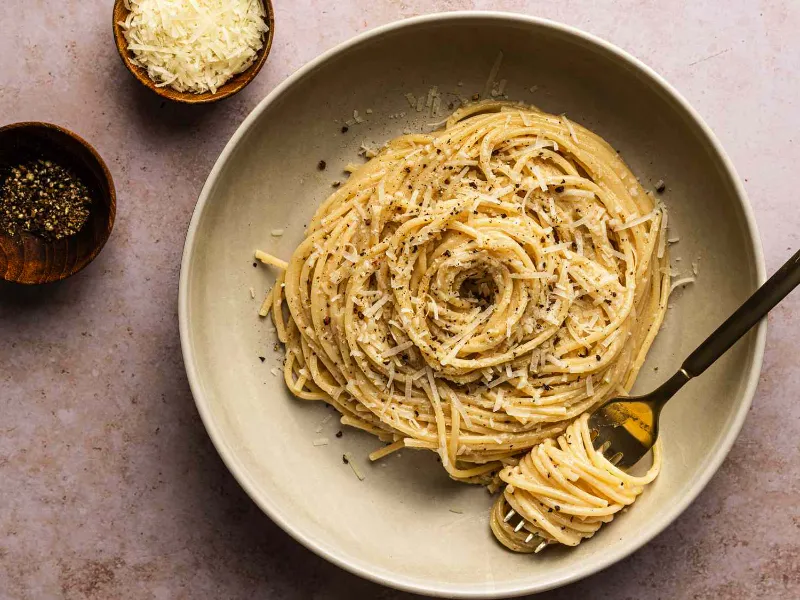
Cacio e Pepe is literally just pasta, cheese, black pepper, and pasta water. The starchy water is what keeps the cheese from clumping and creates the creamy sauce with no cream added.
The technique involves adding starchy pasta water to toasted black pepper, creating a peppery starchy base, then adding pasta and tossing aggressively while adding pasta water bit by bit until the cheese melts smoothly into the sauce.
Without starchy water, this dish does not work. The cheese proteins seize up and clump instead of emulsifying into a sauce.
Carbonara. Similar principle. The emulsion in carbonara sauce is made of eggs, pecorino romano, guanciale fat, and pasta water.
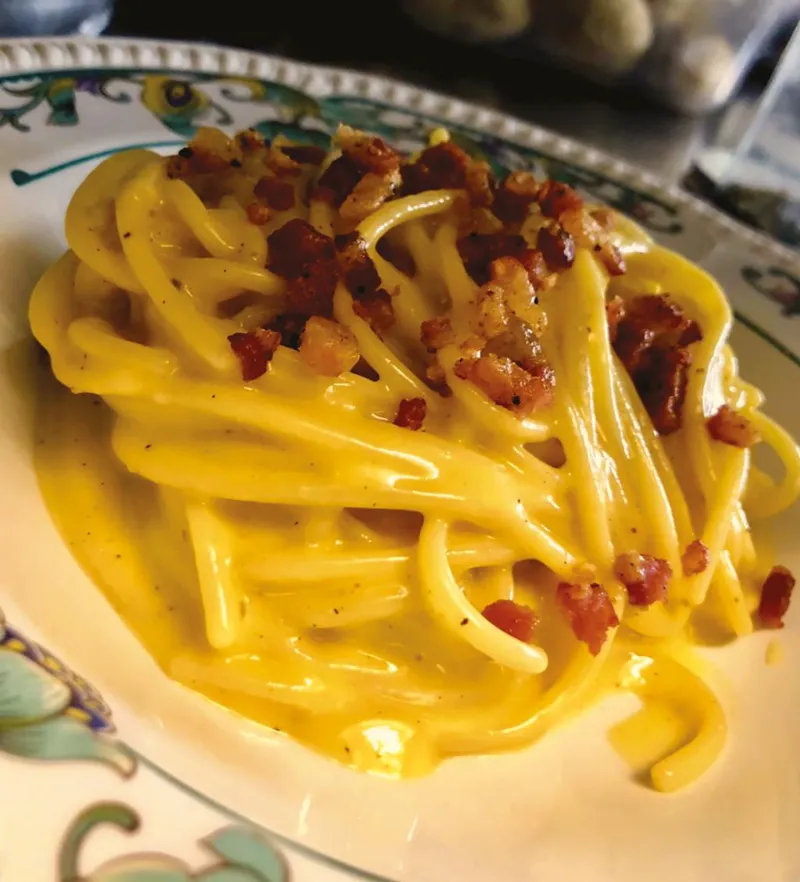
The starch from the water helps stabilize the egg and fat emulsion, preventing the eggs from scrambling when they hit the hot pasta.
Adding a splash of pasta water before the egg and cheese mixture goes in, then tossing off the heat with more pasta water as needed, keeps the sauce silky instead of scrambled.
Aglio e Olio. This dish is almost pure olive oil. Getting the oil to integrate into a cohesive sauce instead of just pooling around oily noodles requires starch-rich pasta water.
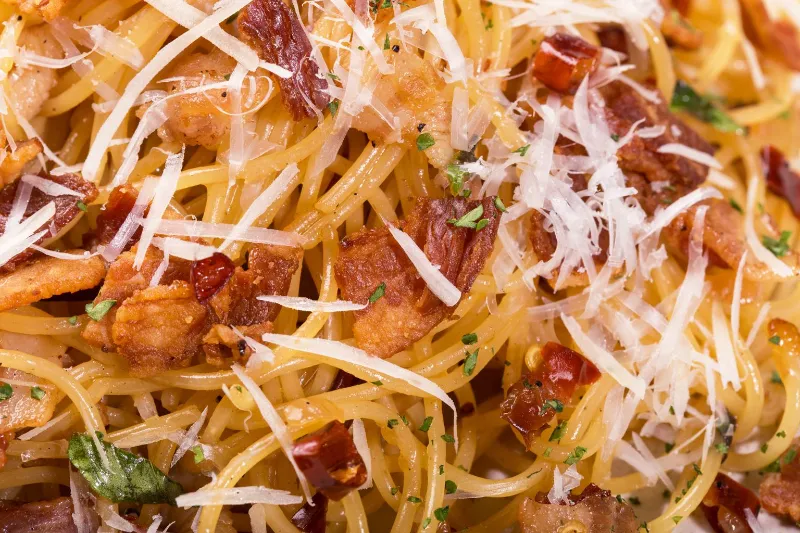
The technique involves building a loose emulsion directly in the pan by adding pasta water to the garlic-infused oil and tossing vigorously. The starch bridges the oil and water molecules.
When done correctly, you get a glossy, lightly thickened sauce that coats every strand of pasta. When done without enough pasta water or without enough starch in the water, you get an oil slick.
Tomato sauces. Even long-cooked tomato sauces benefit from pasta water.
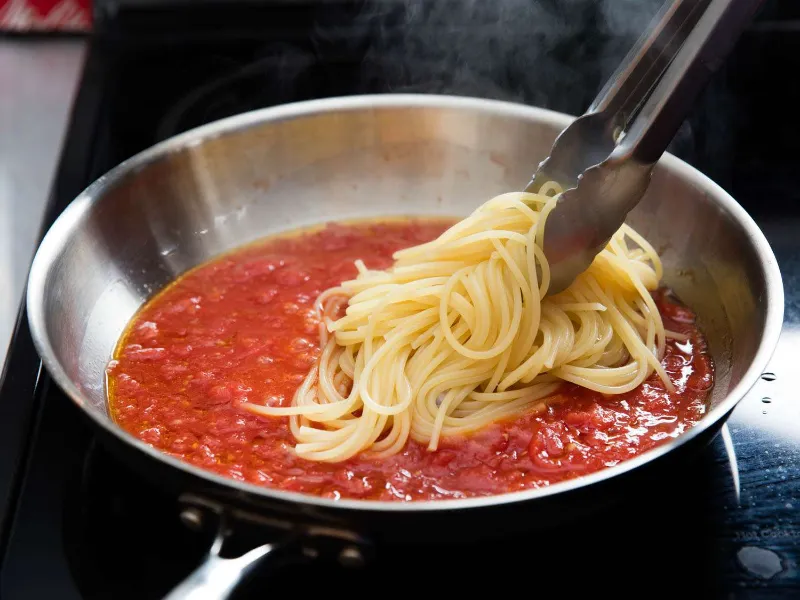
Adding a splash when you toss the pasta in loosens the sauce, helps it coat the pasta evenly, and adds a subtle roundness to the flavor.
Tomato sauce that has been simmering down can become too concentrated and acidic. A little pasta water balances it while helping the sauce cling.
What To Do If You Forgot To Save It
It happens. You drain the pasta before you remember. Here is a workaround that is not perfect but is better than nothing.
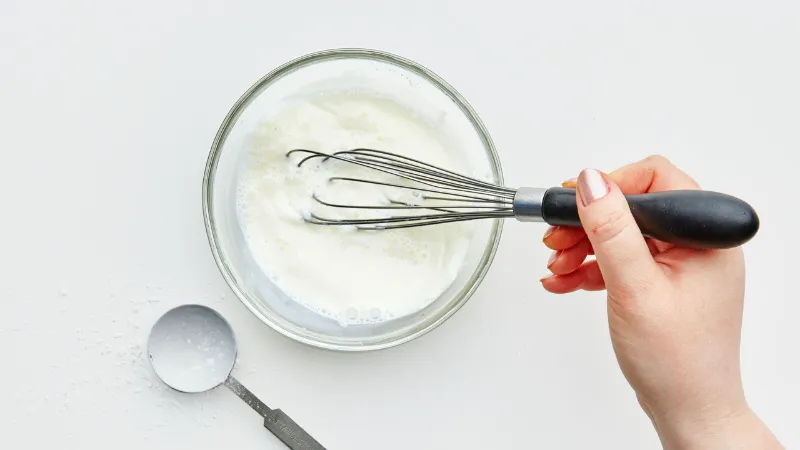
Mix one teaspoon of all-purpose flour or cornstarch with half a cup of hot water and a small pinch of salt. This gives you a rough approximation of pasta water. It will not be identical because properly made pasta water has specific proteins and starch types from the semolina, but it functions similarly in terms of thickening and emulsification.
For dishes like cacio e pepe or carbonara where pasta water is critical, this workaround is worth using. For simple tomato sauces, you can usually get away without it or just use a small amount of the sauce itself, which already contains some dissolved starch from the pasta that cooked in it.
The better habit is to simply make saving pasta water automatic. Set a cup next to the pot. Make it part of your setup before you even start cooking.
The Takeaway That Changes Your Pasta Forever
Here is the core shift in thinking.
Pasta water is not a cooking byproduct. It is an ingredient. You are creating it intentionally, with the right amount of salt, from the right type of pasta, at the right starch concentration, for a specific purpose.
The starch in that water thickens, emulsifies, and adheres. The salt seasons. The temperature activates everything. When you use it correctly, you do not need heavy cream to make a creamy sauce. You do not need excessive butter to make a glossy sauce. You do not need to wonder why your sauce falls off the pasta instead of coating it.
You need the liquid that was already in your pot.
Every pasta dish you have made without properly using pasta water was a version of what the dish could be. With it, you are making the real thing.
MKM Signature Series: Cooking Chemistry — Episode 02 of 11 Next: Acid Is the Seasoning You’re Not Using
