
60+ Soft Foods to Eat After Dental Surgery: Your Complete Guide
Eating after dental surgery doesn’t have to be miserable. Choosing the right soft foods helps protect healing gums, reduces pain while chewing, and lowers the risk of complications like irritation or dry socket.

This guide focuses on safe, comforting foods you can enjoy during recovery while still getting enough calories, protein, and nutrients to support proper healing.
Breakfast & Easy Staples
Oatmeal
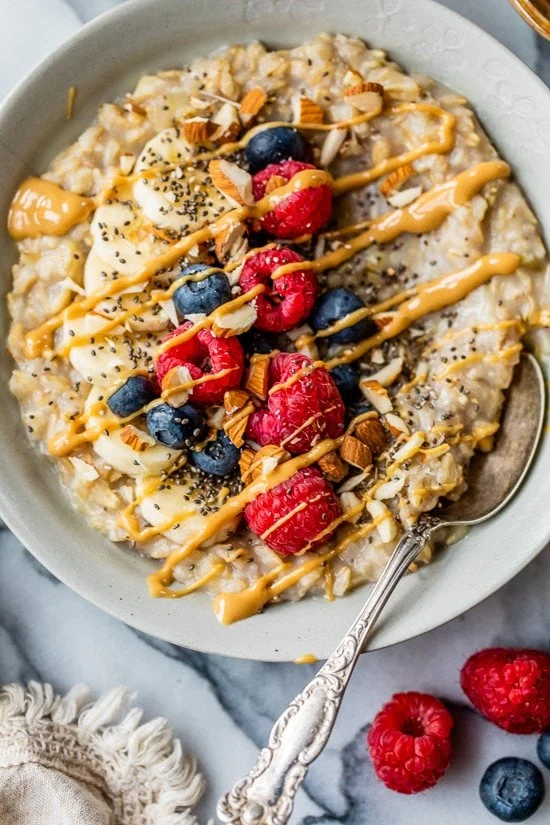
Oatmeal is a dependable recovery food when cooked until very soft and creamy. It’s filling without being heavy and provides steady energy during the healing process.
Use milk or water for a smooth texture, and avoid adding nuts or seeds. Always let it cool to lukewarm before eating.
Cream of Wheat
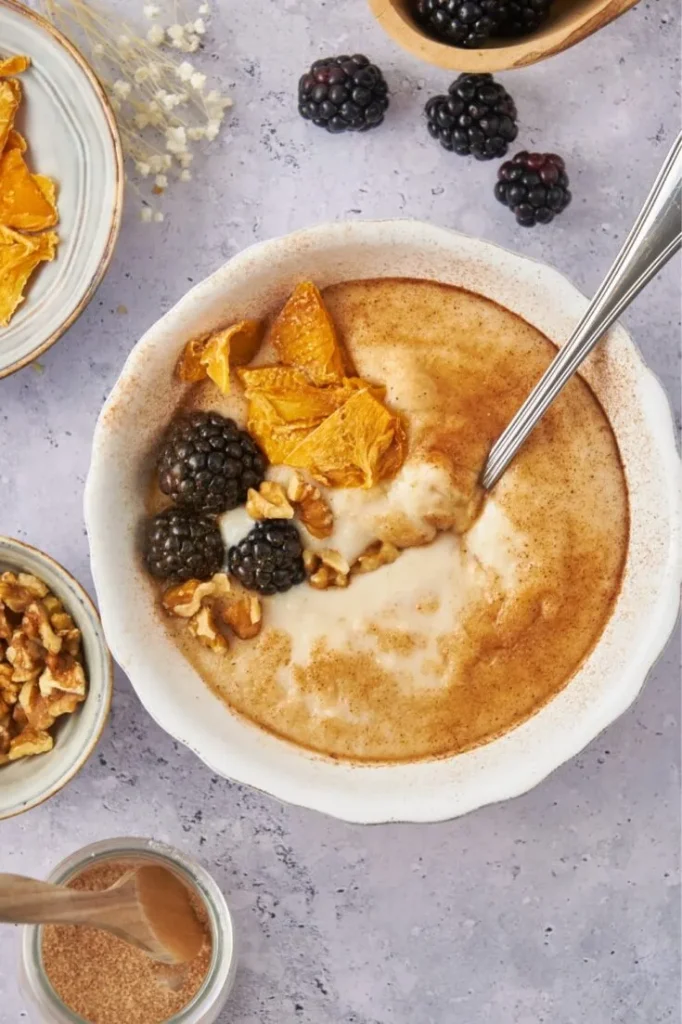
Cream of Wheat has an ultra-smooth texture that makes it easy to swallow with little effort. It’s gentle on sore gums and works well when chewing feels uncomfortable.
Preparing it with milk adds calories and protein. Skip coarse toppings and keep the consistency soft and lump-free.
Scrambled Eggs
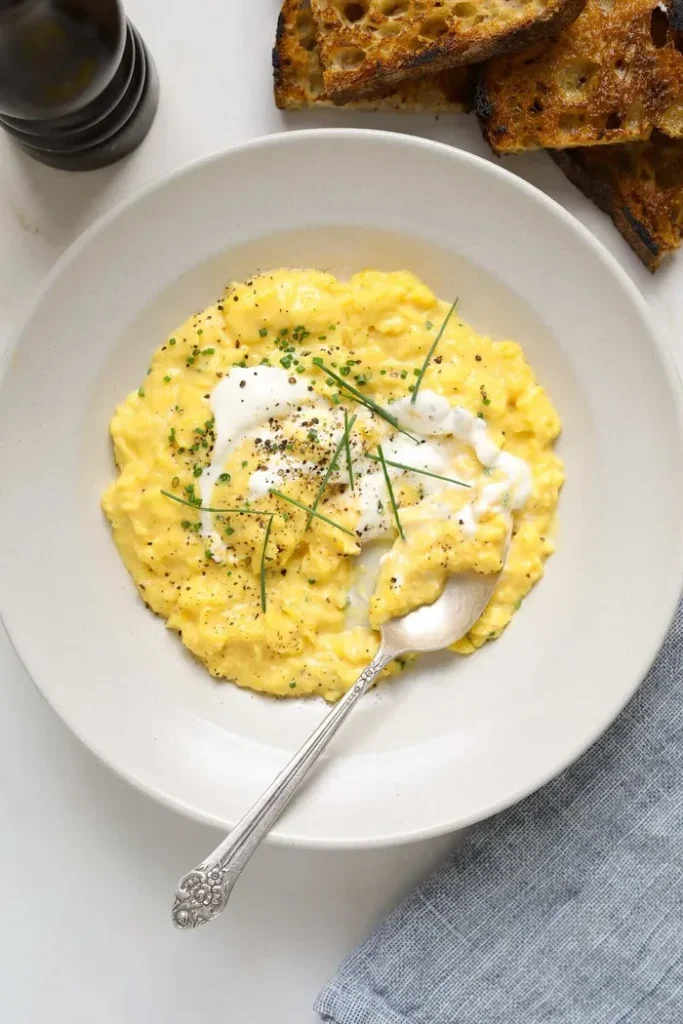
Scrambled eggs are an excellent source of protein during dental recovery. When cooked slowly over low heat, they stay soft and moist without becoming rubbery.
They support tissue repair and don’t require much chewing. Avoid mixing in vegetables, cheese chunks, or meats until healing progresses.
Soft-Boiled Eggs
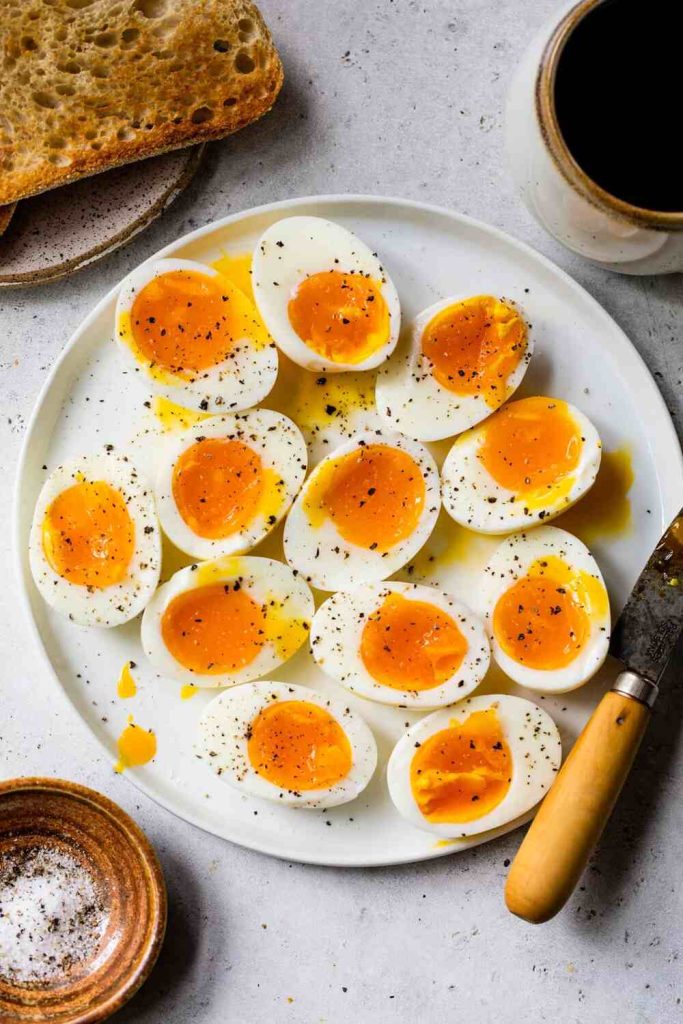
Soft-boiled eggs provide high-quality protein with a tender texture that’s easy on sensitive areas. The creamy yolk makes them easier to eat than fully cooked eggs.
Peel carefully and eat in small bites. This option works well when you want real food without the strain of chewing.
Mashed Banana
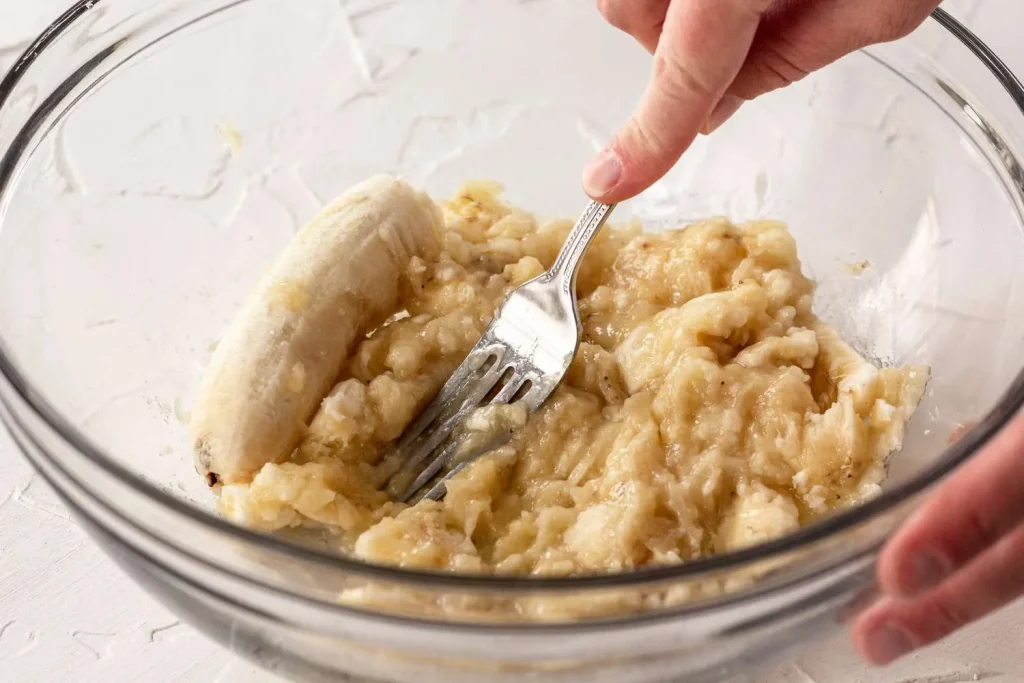
Mashed bananas are naturally soft, slightly sweet, and easy to digest after dental surgery. They deliver potassium and quick energy without irritating healing gums.
Mash thoroughly to remove firmness and avoid eating them too cold. They also blend well into yogurt or smoothies for extra nutrition.
Applesauce
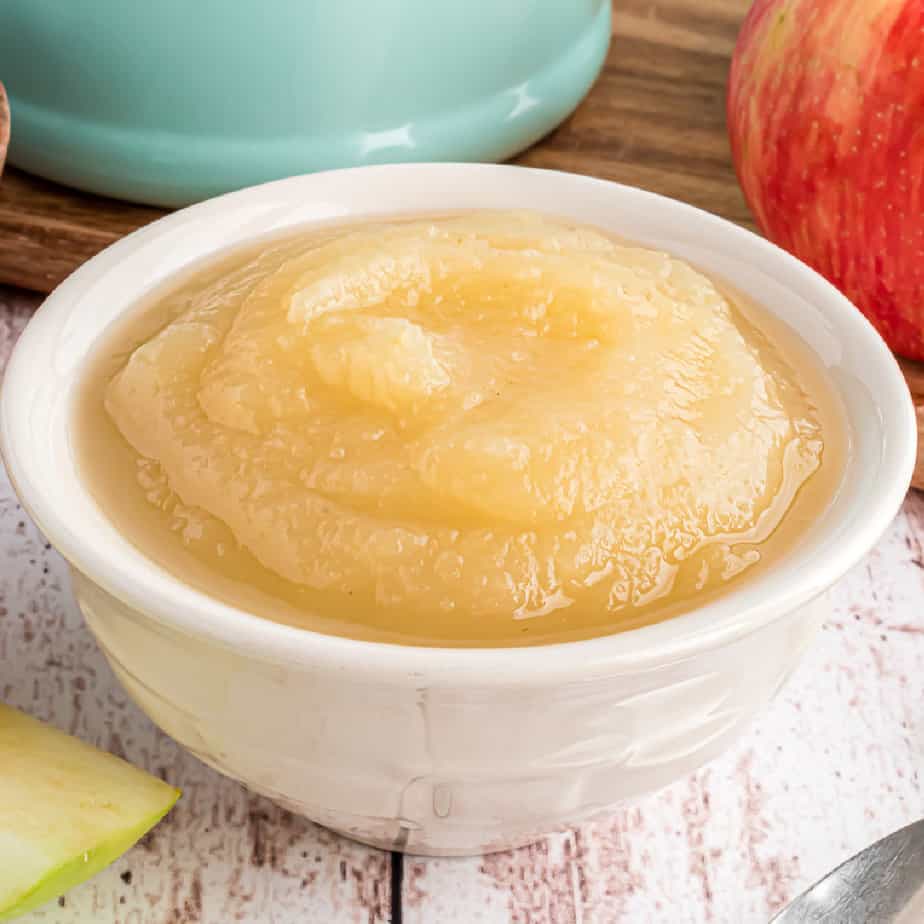
Applesauce is a classic post-surgery choice because it requires no chewing and is easy to swallow.
Unsweetened applesauce is best to reduce irritation and excess sugar. Its smooth texture makes it gentle on extraction sites, and it pairs well with other soft foods for light meals.
Yogurt (Plain or Flavored)
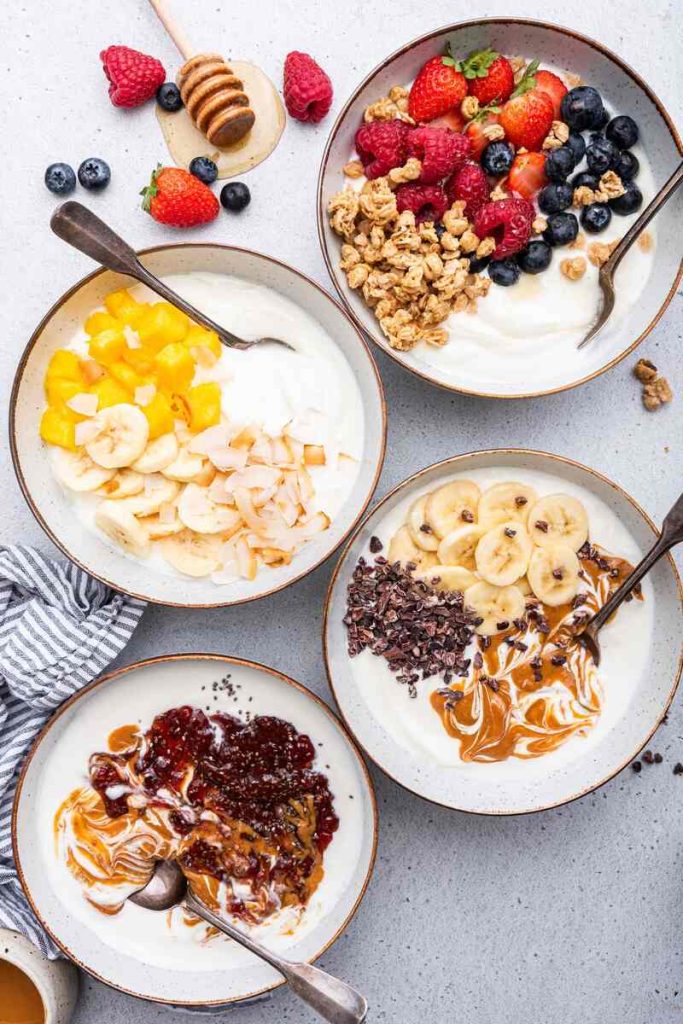
Yogurt offers protein, calcium, and probiotics that support healing and digestion. Its cool, smooth texture can feel soothing after oral surgery.
Choose plain or smooth-flavored options without fruit chunks, seeds, or granola. Avoid very cold temperatures if your teeth feel sensitive.
Greek Yogurt
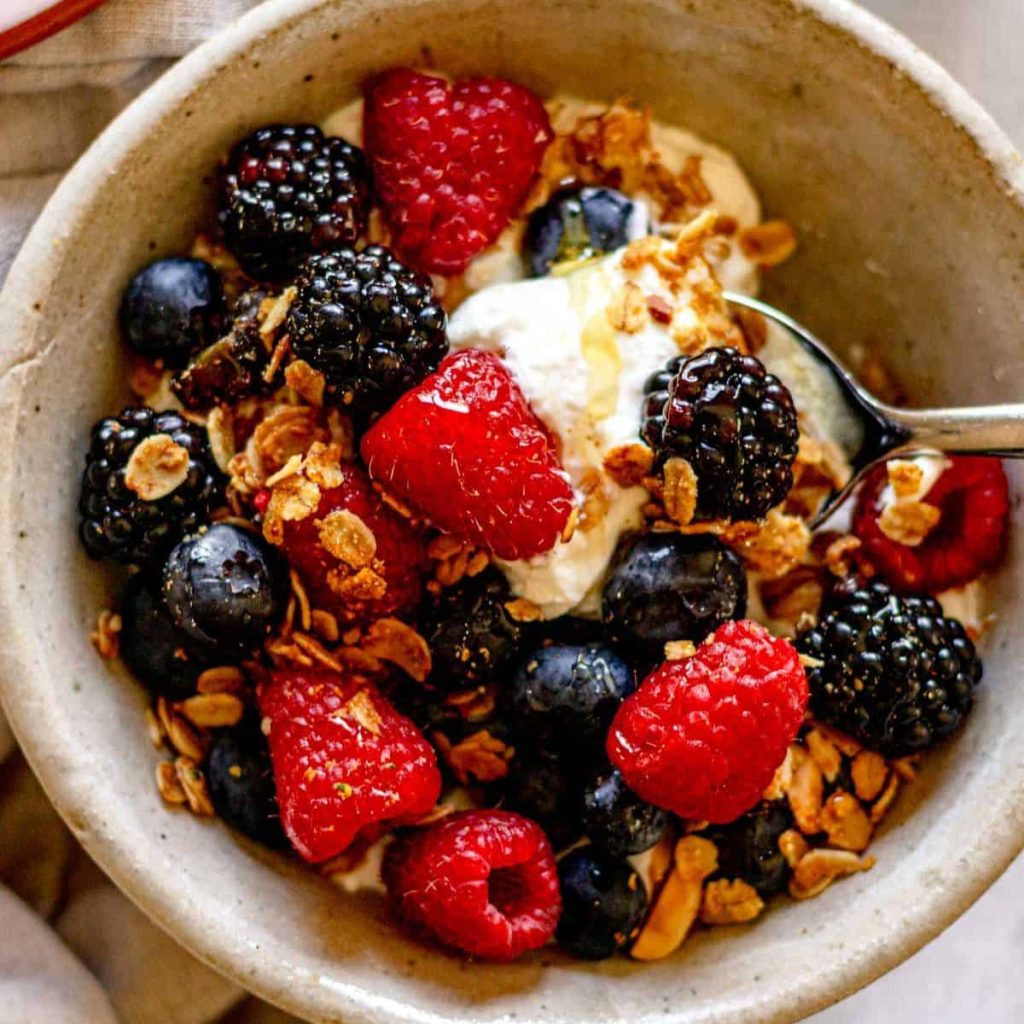
Greek yogurt is thicker and higher in protein, making it a strong option for recovery nutrition. It helps support tissue repair while staying easy to eat.
Stick to plain varieties and avoid crunchy or acidic toppings. Its rich texture can help you feel full even with smaller portions.
Cottage Cheese (Small Curd)
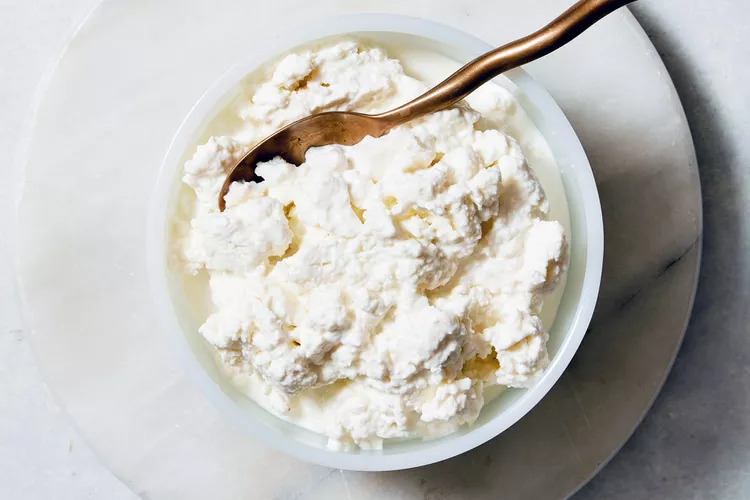
Small-curd cottage cheese is mild, soft, and packed with protein. It requires minimal chewing and works well as a snack or light meal.
Eat it plain or slightly mashed for a smoother texture. Rinse gently after eating to keep food from settling near surgical areas.
Smoothies (No Seeds)
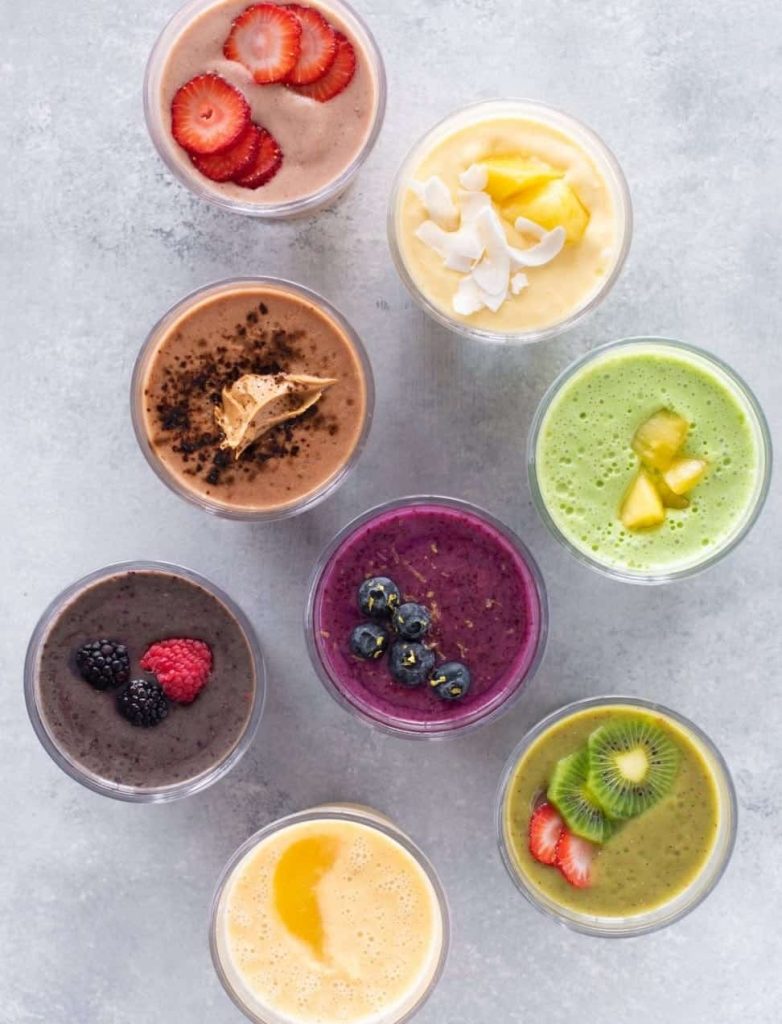
Smoothies make it easy to get calories and nutrients when chewing is painful. Blend ingredients thoroughly and avoid seeds, berries, or fibrous skins.
Drink without a straw to reduce the risk of dry socket. Smoothies are ideal for adding protein powder, yogurt, or nut butter.
Protein Shakes
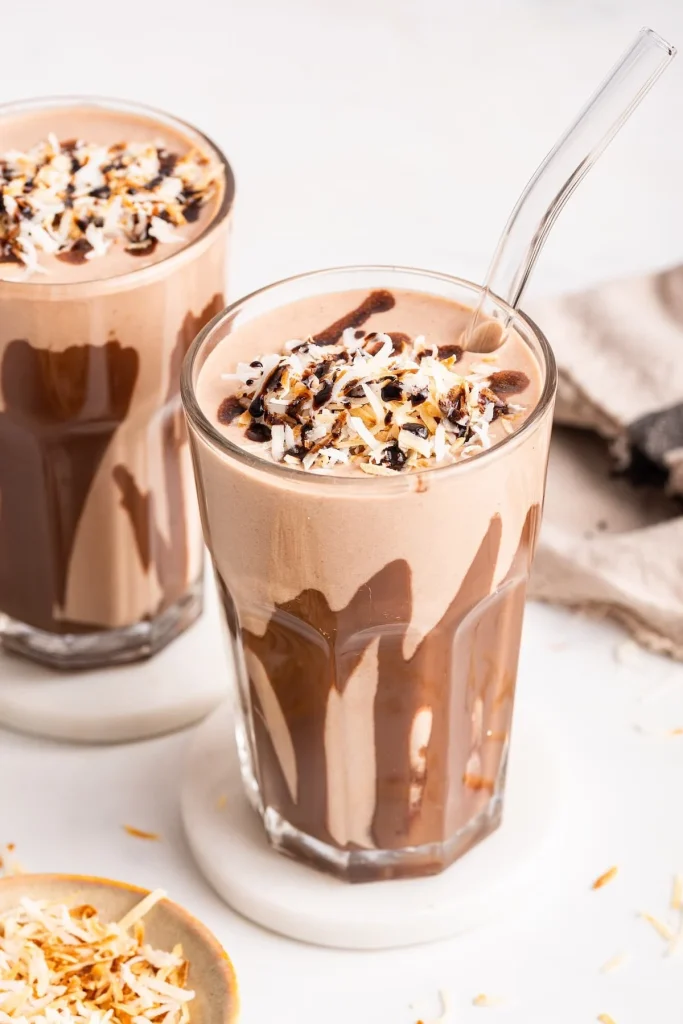
Protein shakes help maintain strength and promote faster healing when solid foods are limited. They’re smooth, filling, and easy to consume throughout the day.
Choose shakes without gritty textures or crunchy additives. Sip slowly and avoid extremely cold temperatures to prevent tooth sensitivity.
Pancakes (Well-Soaked With Syrup)
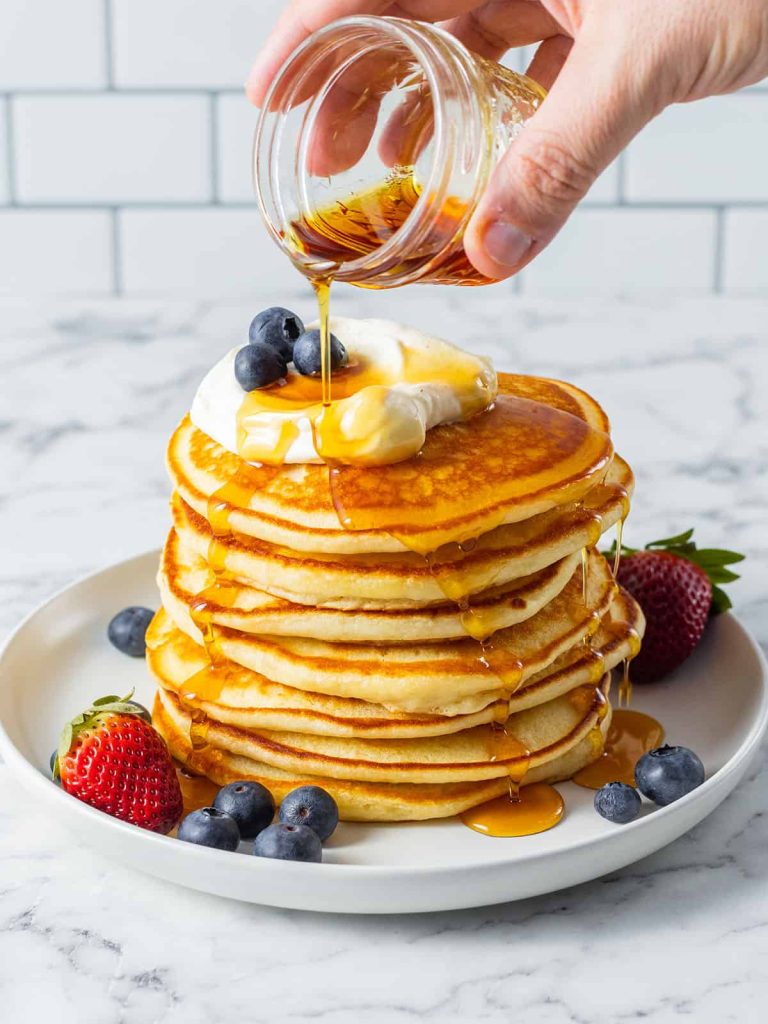
Pancakes can be safe after dental surgery when they’re fully softened with syrup, butter, or milk.
Cut them into small pieces and allow them to absorb moisture before eating. Avoid crisp edges or toppings like nuts. This food adds comfort and variety during recovery.
Soft Waffles
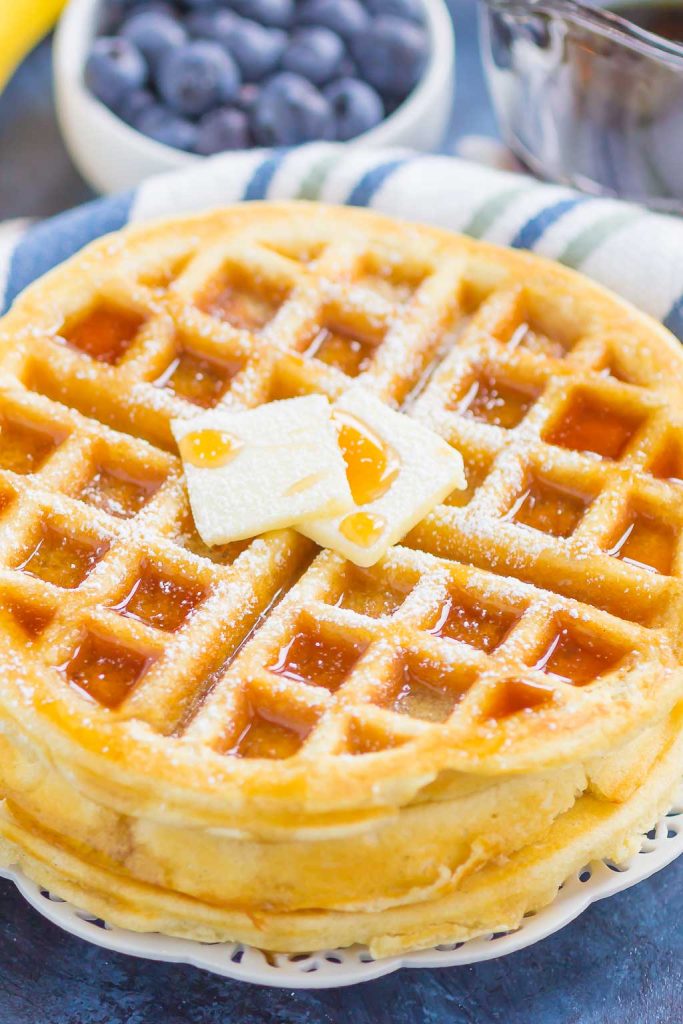
Soft waffles are similar to pancakes and work best when they’re not crunchy. Use plenty of syrup to soften the texture and make chewing easier.
Avoid deep-toasted waffles or toppings with texture. Eat slowly and stop if chewing causes discomfort, especially in the early healing phase.
Overnight Oats
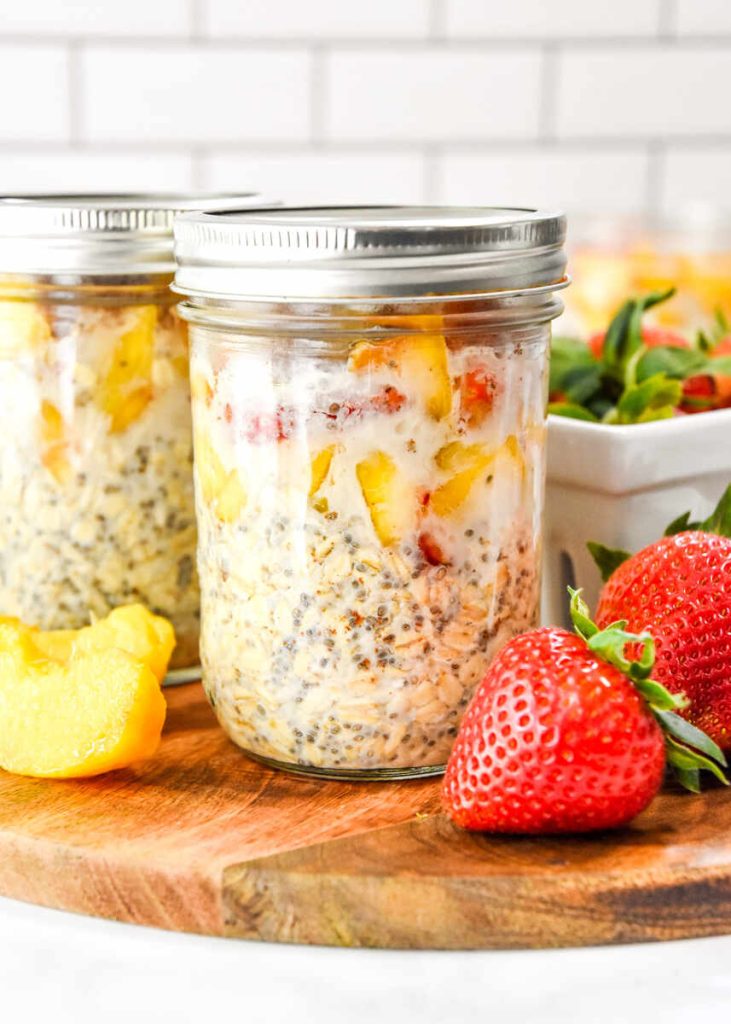
Overnight oats soak long enough to become very soft, making them easier to eat than regular oatmeal.
Prepare them with milk or yogurt and avoid chia seeds, nuts, or dried fruit early on. This option delivers fiber and sustained energy without requiring active chewing.
Pudding
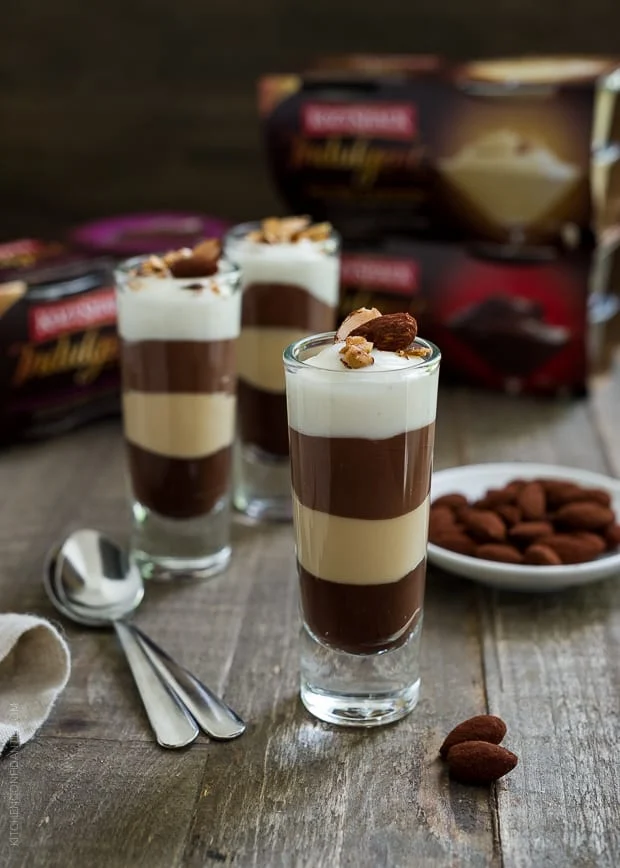
Pudding is smooth, creamy, and gentle on sore gums, making it ideal right after surgery. It requires no chewing and is easy to swallow.
Choose simple flavors without mix-ins. Slightly cool pudding can feel soothing, but avoid very cold temperatures that may trigger sensitivity.
Soups & Warm Comfort Foods
Chicken Broth
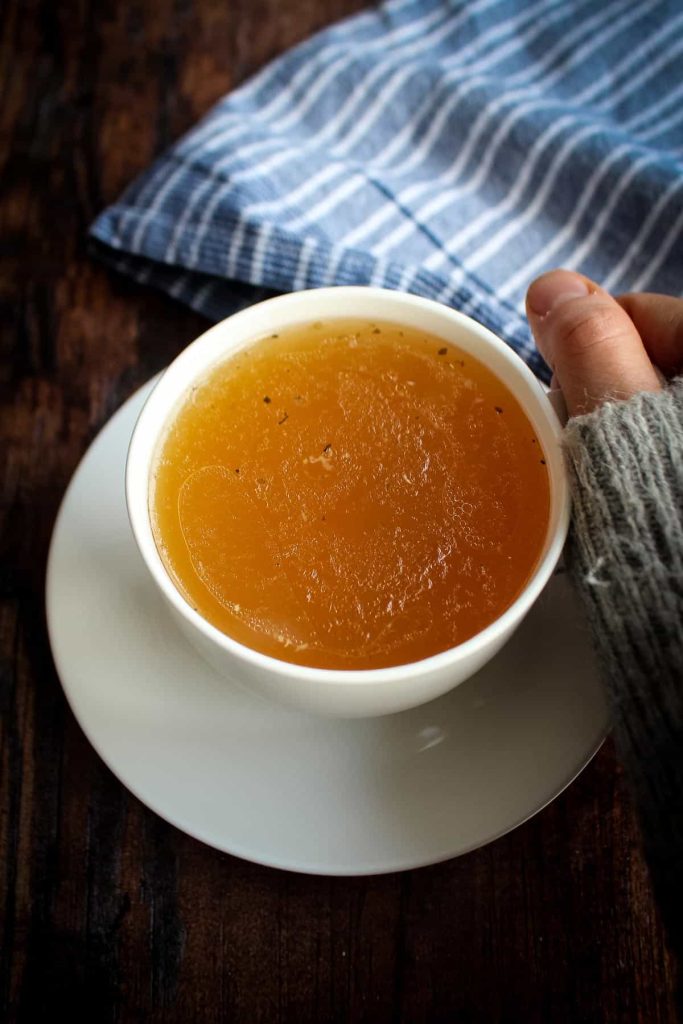
Chicken broth is one of the easiest foods to tolerate after dental surgery. It hydrates your body while delivering light protein and minerals without chewing.
Sip it warm, not hot, to avoid irritation. Clear broth is especially helpful during the first day or two when appetite is low.
Bone Broth

Bone broth offers extra nutrition compared to regular broth, including collagen and amino acids that support healing.
Its smooth, liquid texture makes it easy to consume when chewing isn’t possible. Drink it slowly and warm, not steaming hot, to stay comfortable while nourishing your body.
Tomato Soup
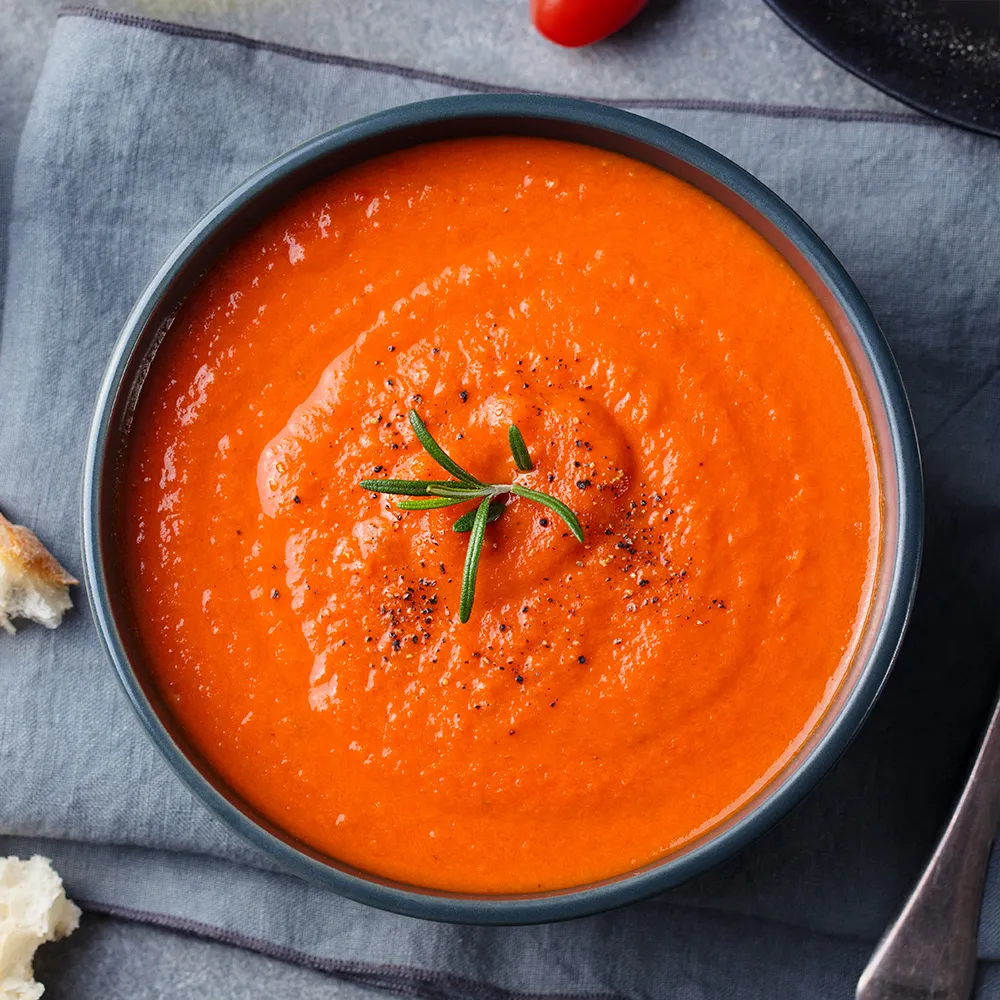
Tomato soup is smooth and filling, making it a comforting choice during recovery. Choose a well-blended, creamy version without chunks or croutons.
Because tomatoes are acidic, wait a day or two after surgery and make sure the soup isn’t hot to reduce irritation to healing areas.
Cream of Mushroom Soup
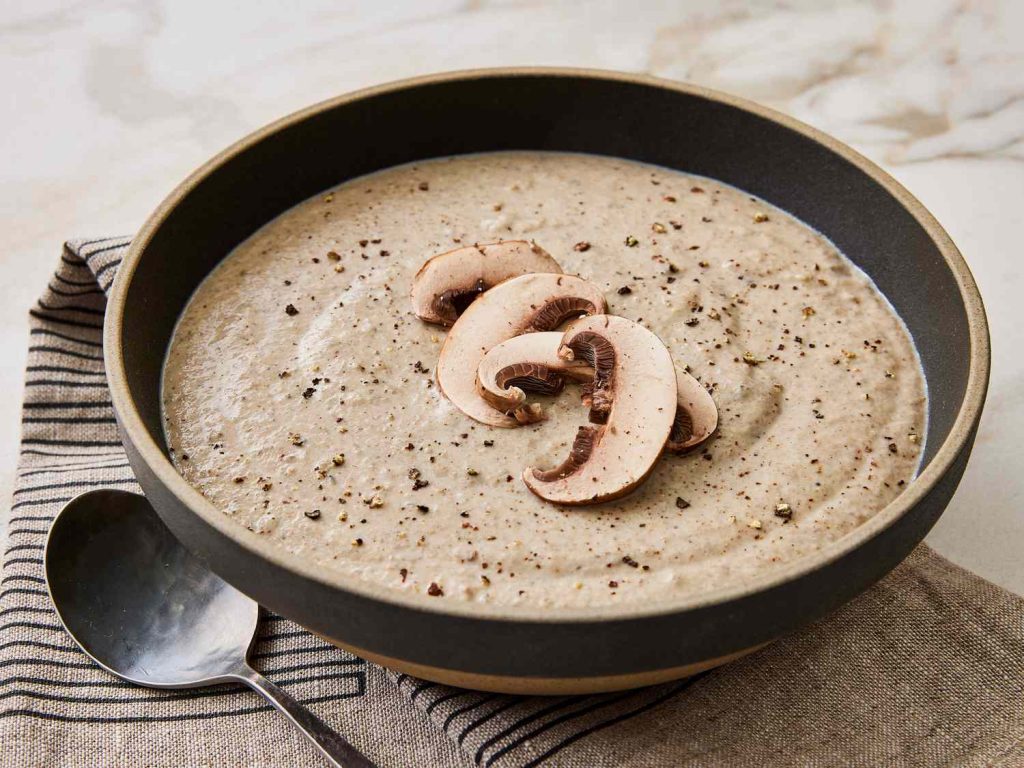
Cream of mushroom soup works well after dental surgery when fully blended and free of mushroom pieces.
Its creamy texture requires little effort to eat and provides comfort when solid foods aren’t an option. Let it cool slightly before eating, and avoid versions with added rice or vegetables.
Cream of Chicken Soup
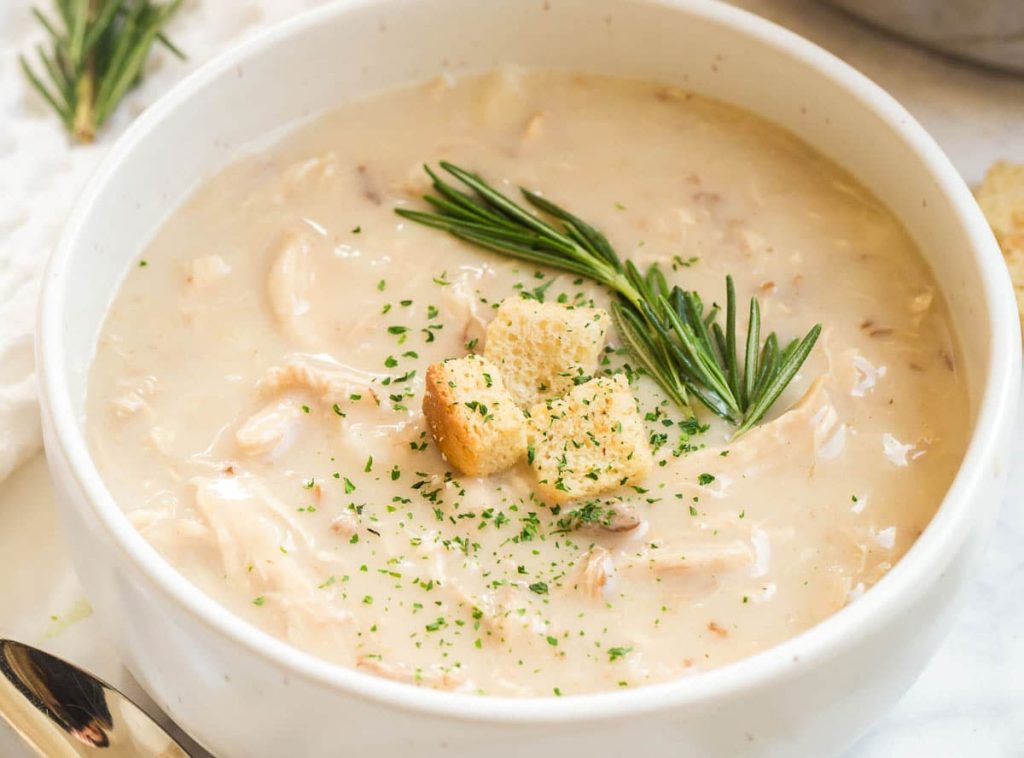
Cream of chicken soup offers a smooth texture with more substance than broth alone.
When blended well, it’s gentle on sore gums while providing protein for healing. Avoid chunky versions and chew-free ingredients. This soup is especially helpful when you’re ready to transition from liquids to soft solids.
Potato Soup

Potato soup is filling, soft, and comforting during recovery. Its naturally creamy consistency makes it easy to swallow without chewing.
For best results, blend it fully and avoid bacon bits, skins, or chunks. Potato soup adds calories and energy when you need something more substantial than broth.
Pureed Vegetable Soup
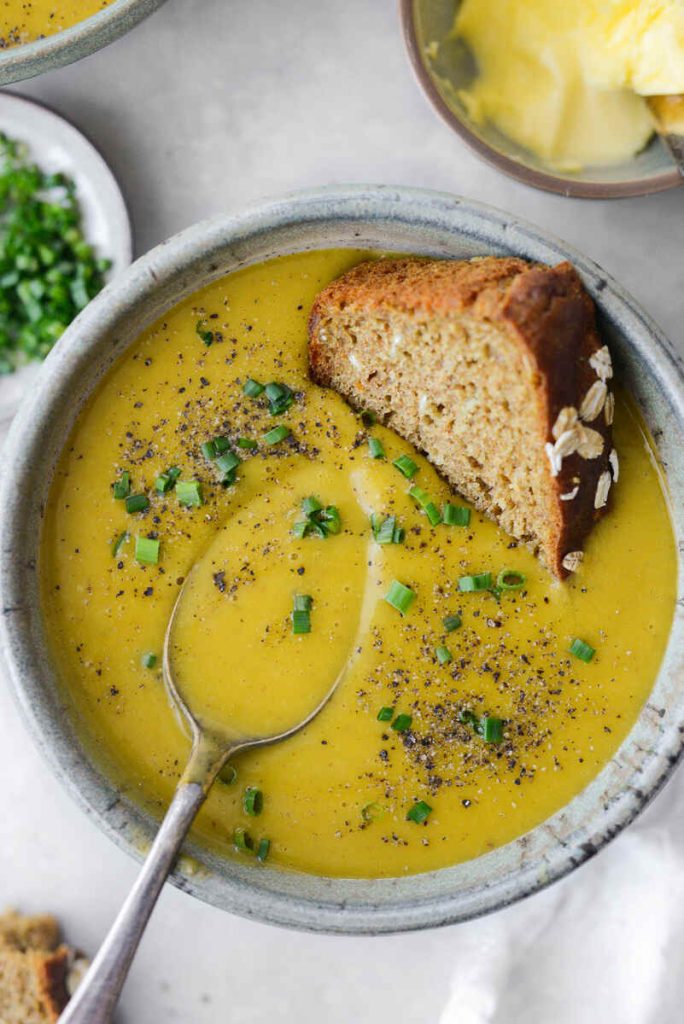
Pureed vegetable soups provide important vitamins while staying gentle on your mouth. When blended until completely smooth, they’re easy to eat and nourishing.
Skip fibrous vegetables or skins and strain if needed. These soups help balance nutrition when your diet is otherwise limited during healing.
Lentil Soup (Blended)
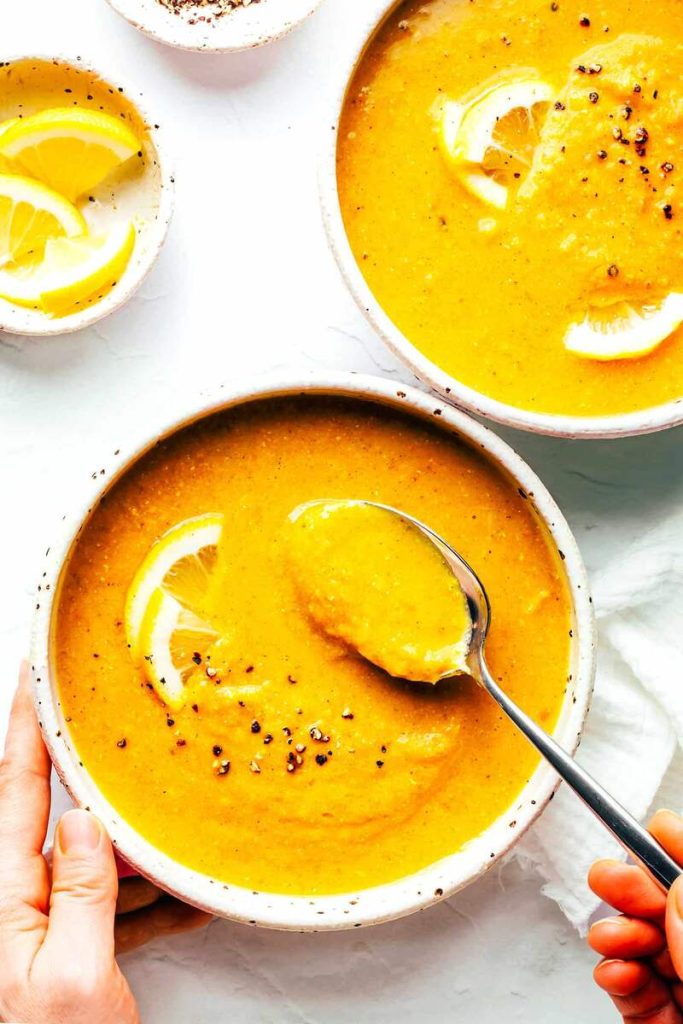
Blended lentil soup delivers plant-based protein and fiber without rough texture. When fully pureed, it becomes thick and smooth, making it suitable for dental recovery.
Avoid whole lentils early on and ensure the soup isn’t spicy. This option works well when you want something hearty but gentle.
Split Pea Soup
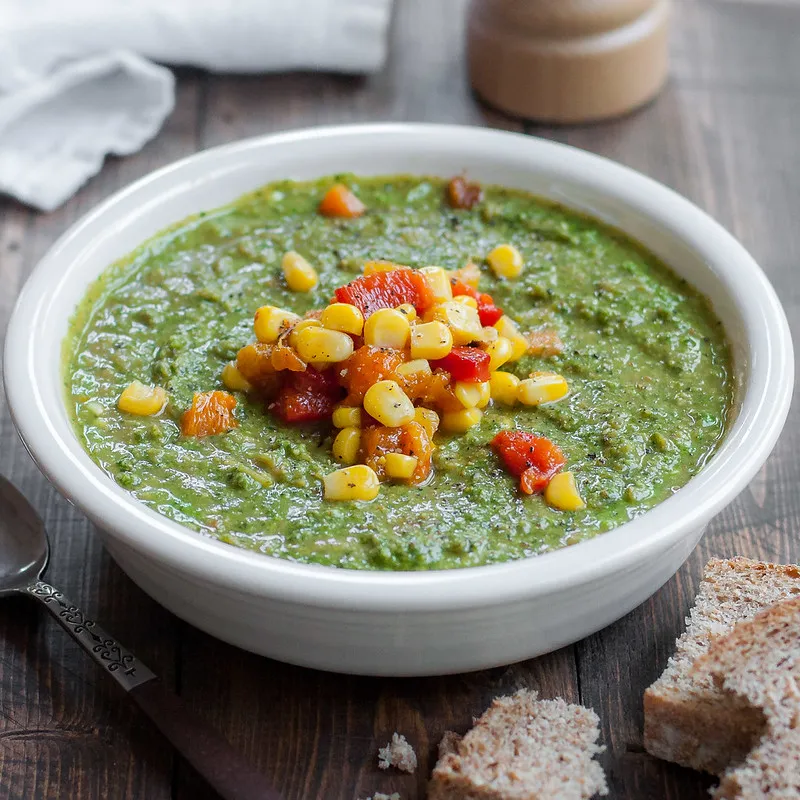
Split pea soup can be a good recovery food when it’s cooked until very soft and blended smooth. It’s naturally thick and filling, which helps keep you satisfied.
Make sure there are no pea skins or chunks. Eat it warm and slowly to stay comfortable.
Miso Soup
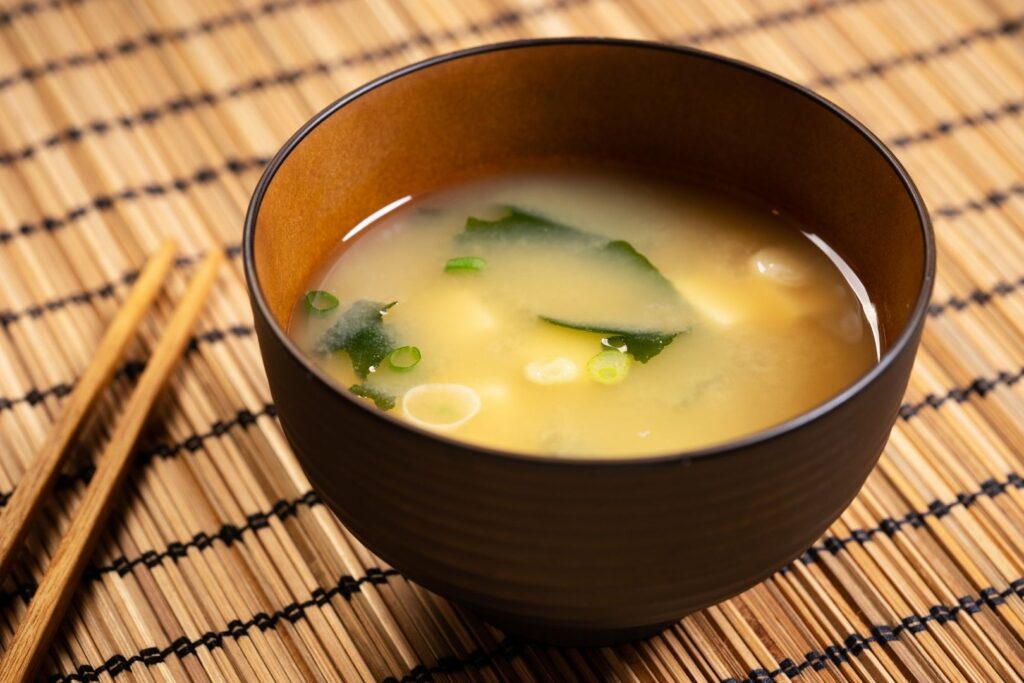
Miso soup is light, soothing, and easy to tolerate after dental surgery. The broth provides hydration and mild flavor without requiring chewing.
Skip tofu cubes or seaweed early on. Enjoy it warm rather than hot, and sip slowly to avoid irritating sensitive areas in your mouth.
Chowder (Without Chunks)
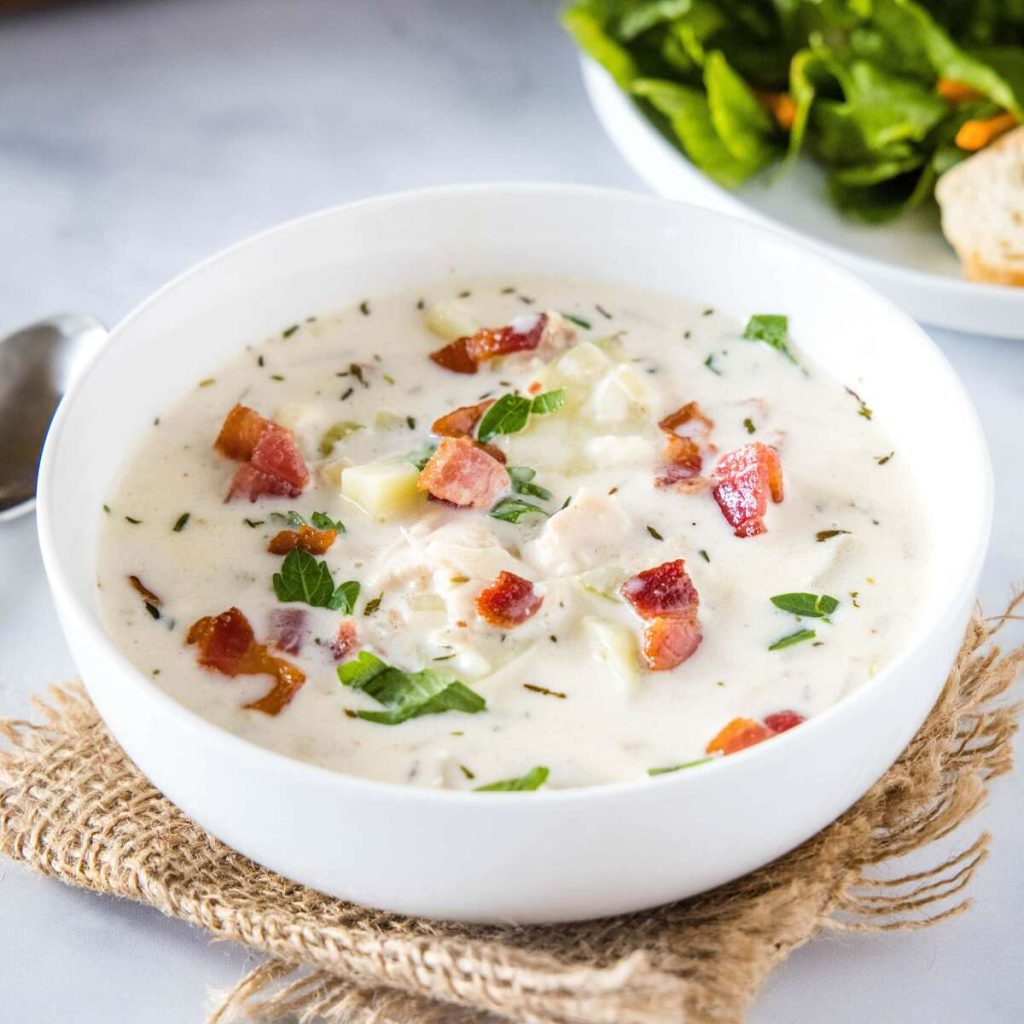
Chowder can be appropriate during recovery if all solid pieces are removed or blended. The creamy base makes it filling and easy to swallow.
Avoid versions with corn, potatoes, or seafood chunks unless fully pureed. This option works best later in recovery when tolerated comfortably.
Ramen Broth (No Noodles Early On)
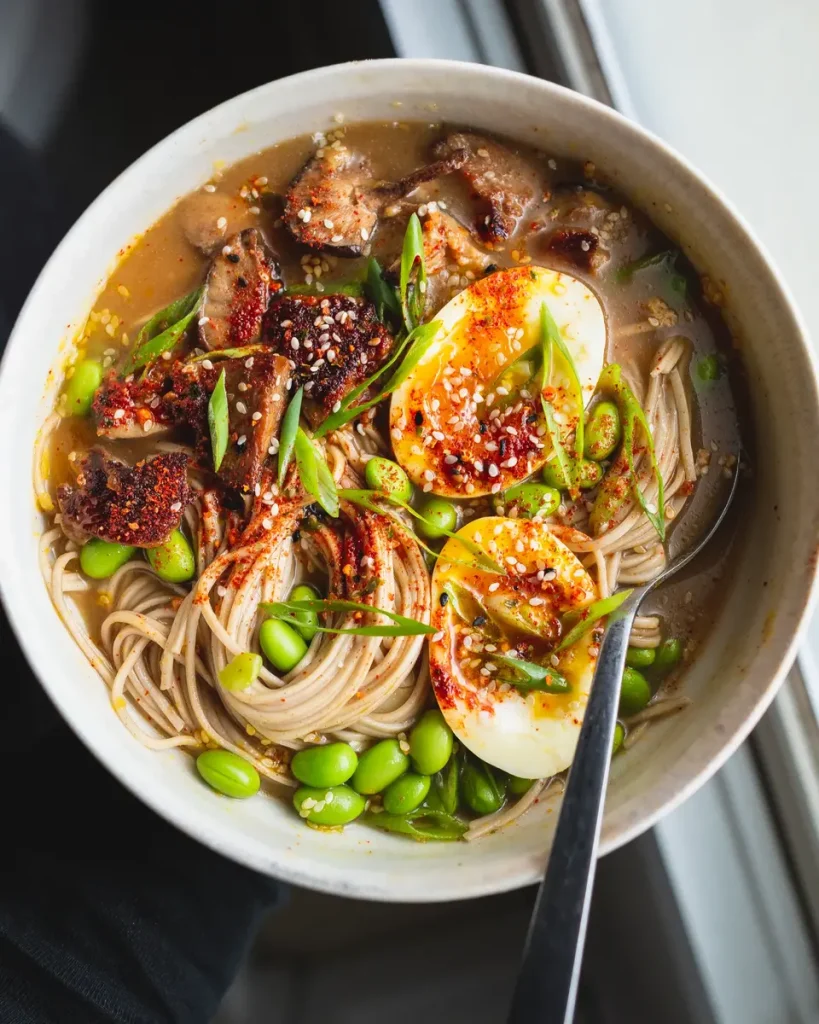
Ramen broth alone can be soothing and flavorful when solid foods aren’t possible. Skip the noodles during early recovery and focus on sipping the broth.
Avoid spicy seasoning packets and let it cool before drinking. This option adds variety when plain broths start feeling repetitive.
Savory Soft Foods
Mashed Potatoes
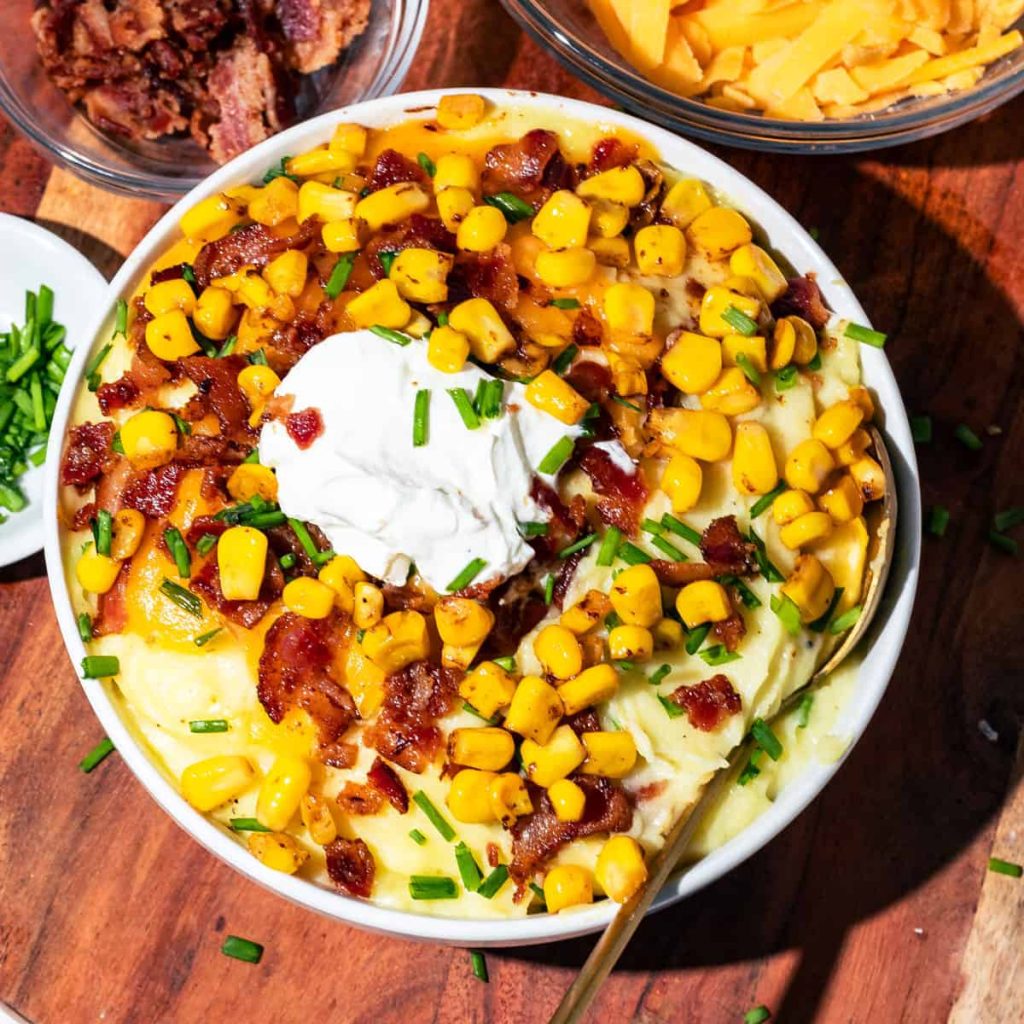
Mashed potatoes are one of the most popular comfort foods after dental surgery. When whipped until completely smooth, they’re easy to swallow and gentle on sore gums.
Adding milk or butter boosts calories and flavor. Avoid skins or lumps, and let them cool slightly before eating.
Mashed Sweet Potatoes
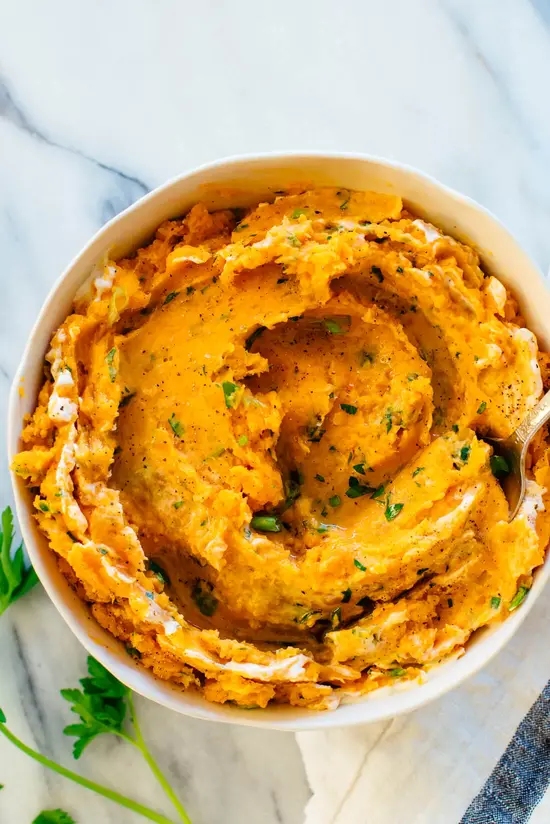
Mashed sweet potatoes offer a naturally creamy texture with a mild sweetness that’s easy to tolerate during recovery.
They’re rich in vitamins and provide steady energy. Mash them thoroughly and avoid adding crunchy toppings. Serve warm, not hot, to protect sensitive areas while chewing remains uncomfortable.
Mac and Cheese (Very Soft)
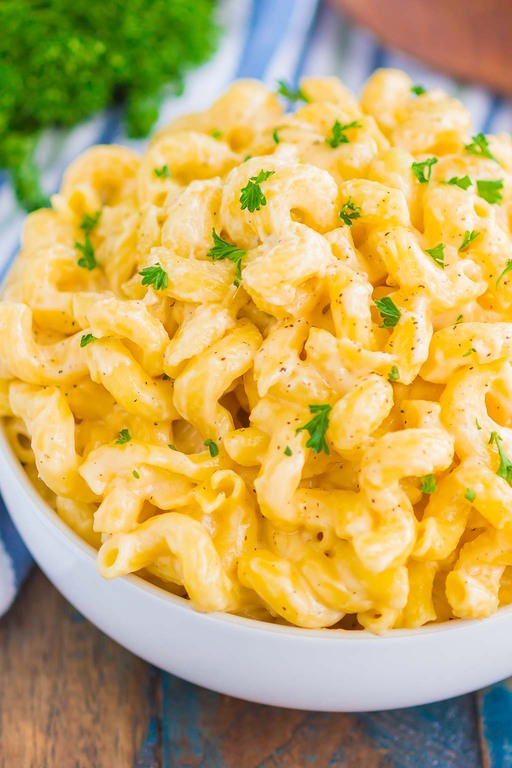
Mac and cheese can work after dental surgery when the pasta is cooked very soft and the sauce is smooth.
Choose small noodles and avoid baked or crusty versions. This dish provides comfort and calories, making it a good option when appetite returns but chewing is still limited.
Soft Pasta (Small Shapes)
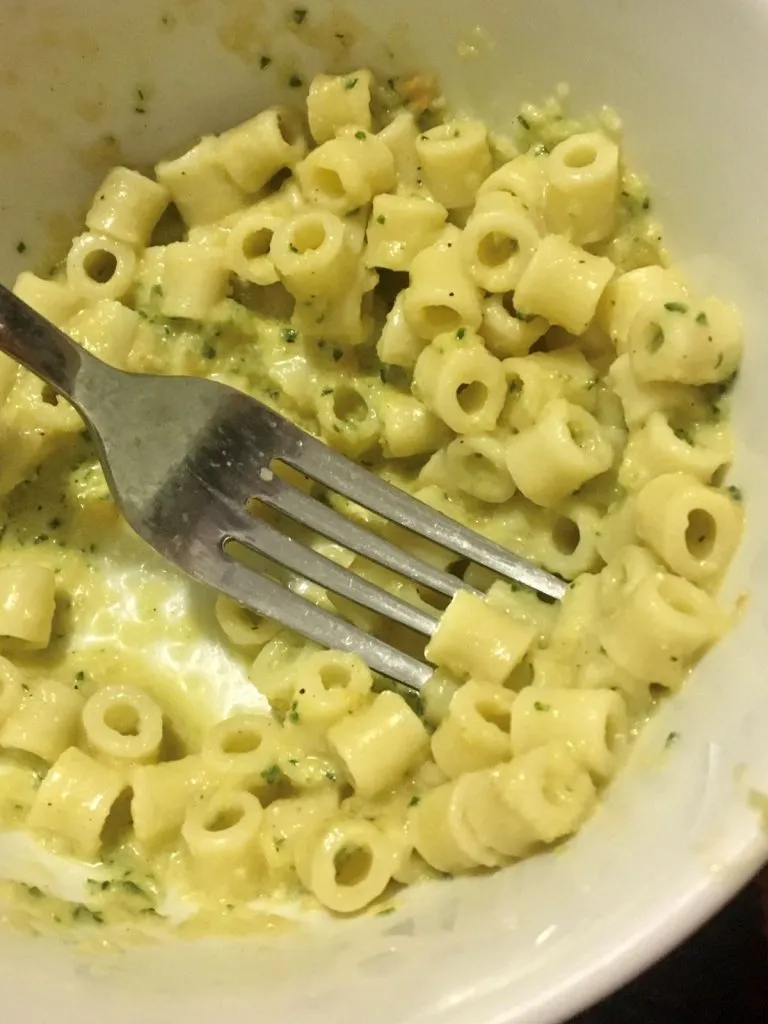
Soft pasta is easier to manage when cooked past al dente and cut into small shapes. Use creamy or smooth sauces instead of chunky ones.
Chew gently and stop if discomfort starts. This option works best later in recovery when your mouth can handle light chewing.
Buttered Noodles
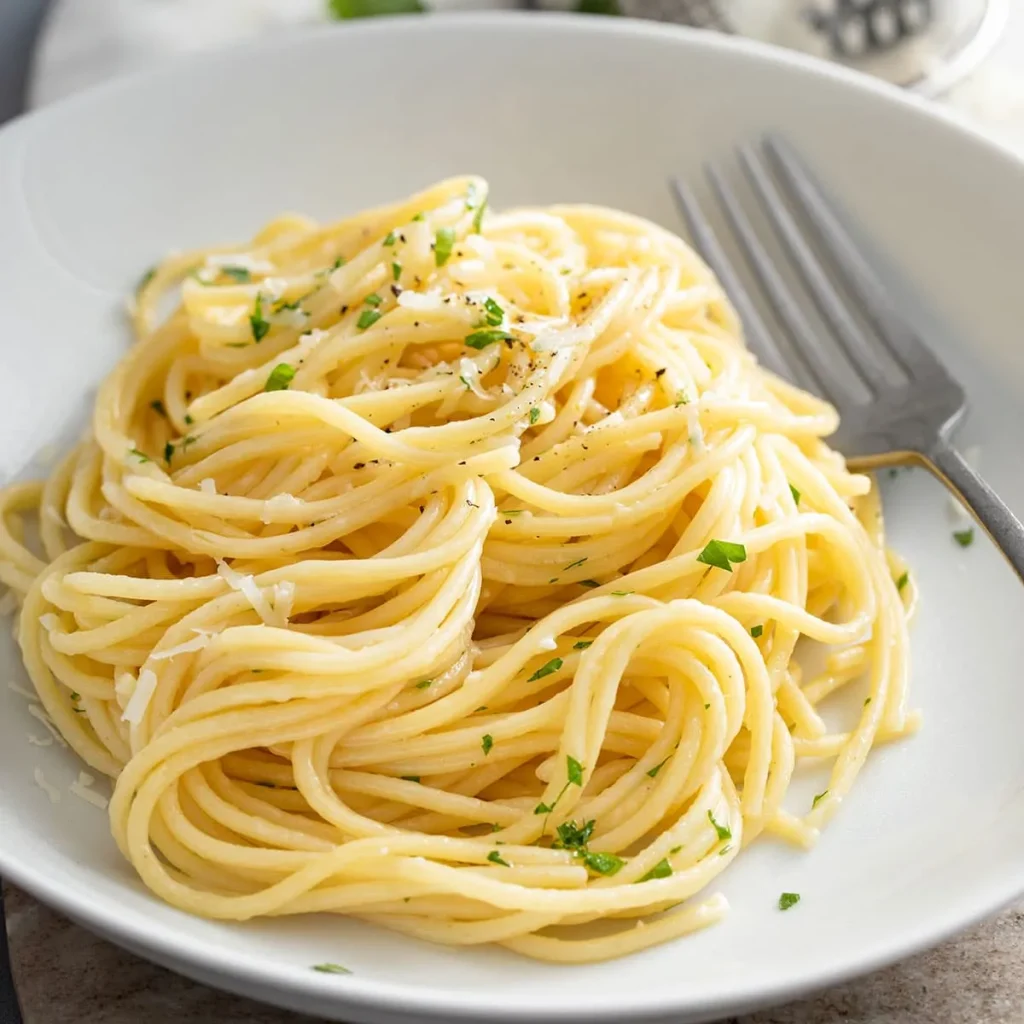
Buttered noodles are simple, mild, and easy to eat when cooked until very soft. The butter helps lubricate each bite, making swallowing easier.
Avoid adding herbs, pepper, or cheese shreds early on. This dish is helpful when you want something warm and filling without strong flavors.
Risotto
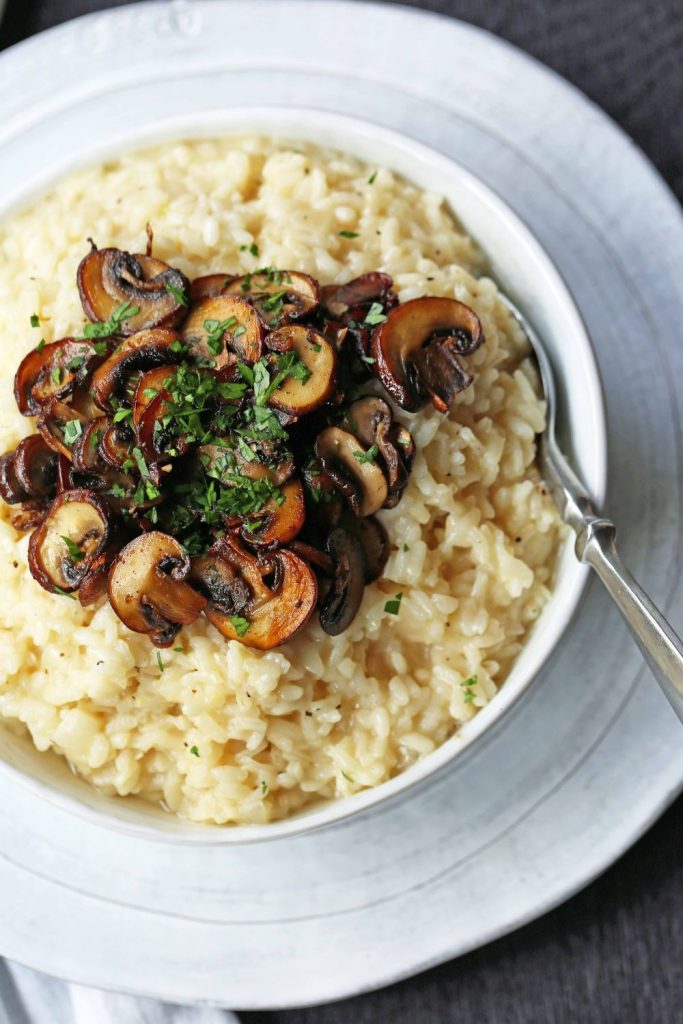
Risotto has a naturally creamy texture that works well during dental recovery. The rice is cooked slowly until soft, reducing the need for heavy chewing.
Choose plain or blended versions without vegetables or meat pieces. Eat slowly and rinse afterward to prevent grains from lingering near surgical sites.
Polenta
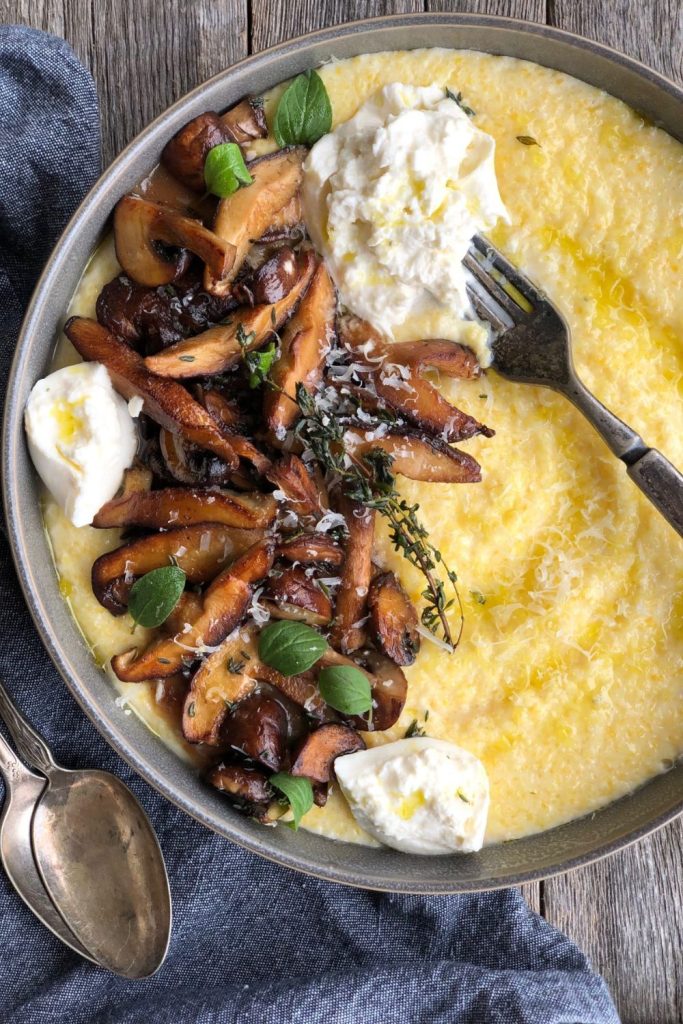
Polenta is smooth, soft, and easy to swallow when prepared with enough liquid. It provides steady energy and works well as a savory alternative to mashed potatoes.
Keep the texture loose and creamy, and avoid adding coarse ingredients or cheese chunks during the early healing phase.
Grits
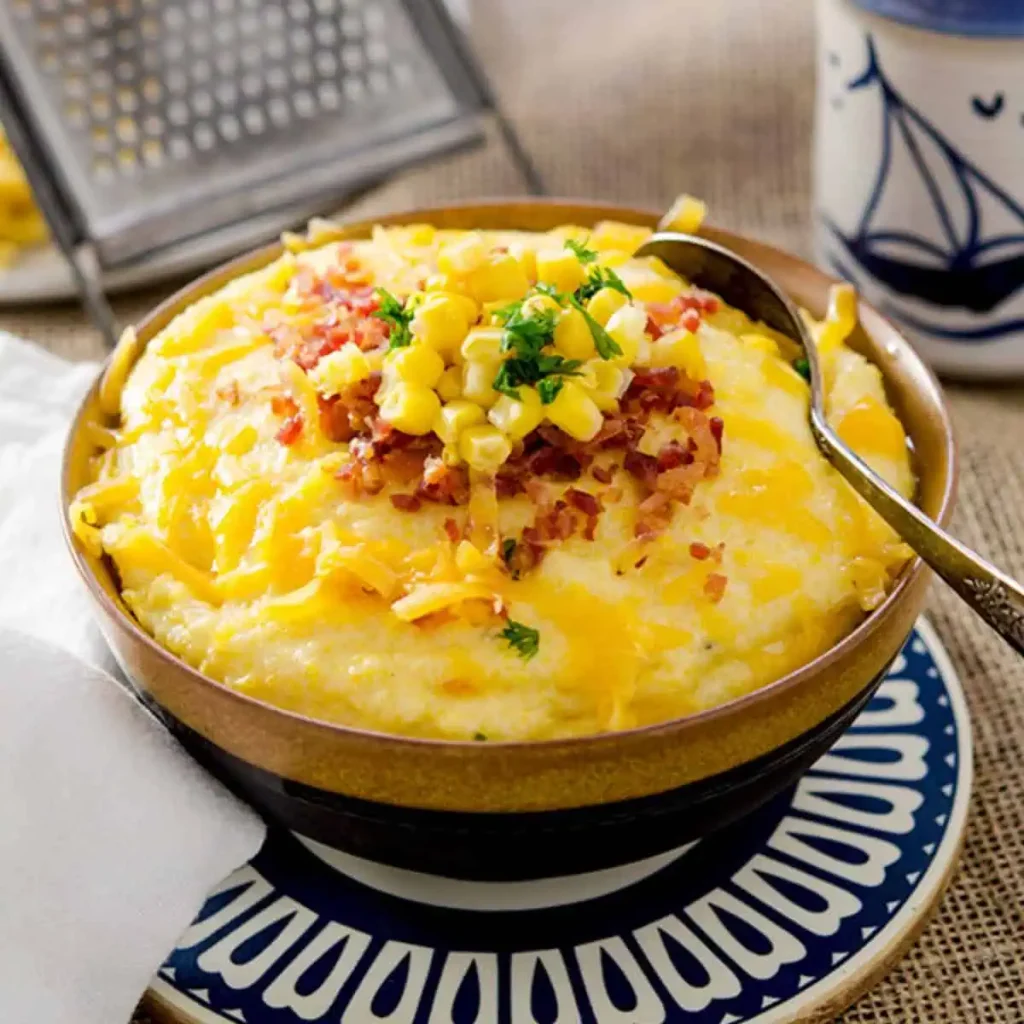
Grits are a southern-style comfort food that become very soft when cooked thoroughly. Their mild flavor and smooth texture make them easy on sensitive gums.
Prepare them with plenty of liquid and avoid coarse ground grits. Let them cool slightly before eating to prevent irritation.
Soft Tofu
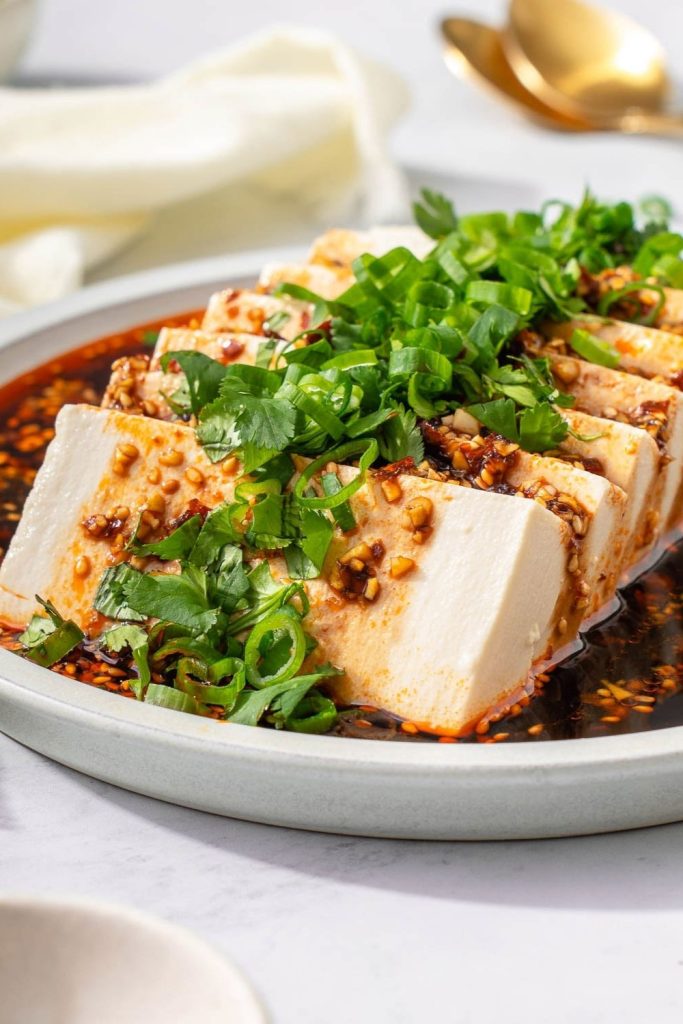
Soft tofu is an excellent plant-based protein option during dental recovery. Its silky texture requires little chewing and is gentle on surgical sites.
It can be eaten plain or lightly seasoned. Avoid frying or firm varieties until your mouth has healed enough for more texture.
Refried Beans
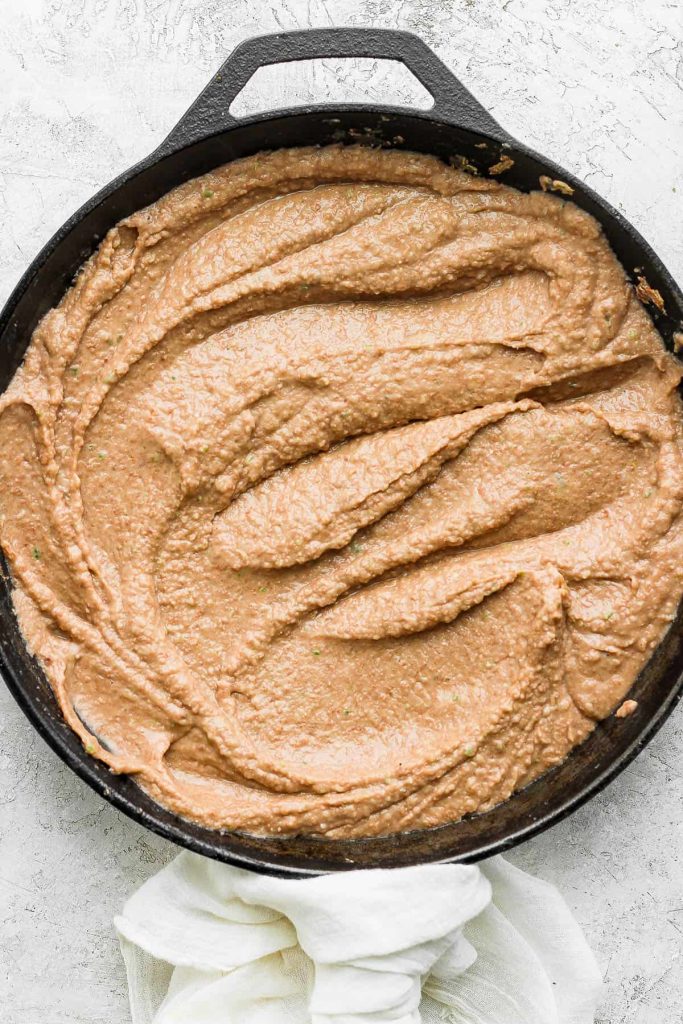
Refried beans are smooth, filling, and rich in protein and fiber. When well-blended, they’re easy to eat without chewing.
Choose plain versions without whole beans or spices. Eat them warm and rinse gently afterward to keep food from sticking around healing areas.
Hummus
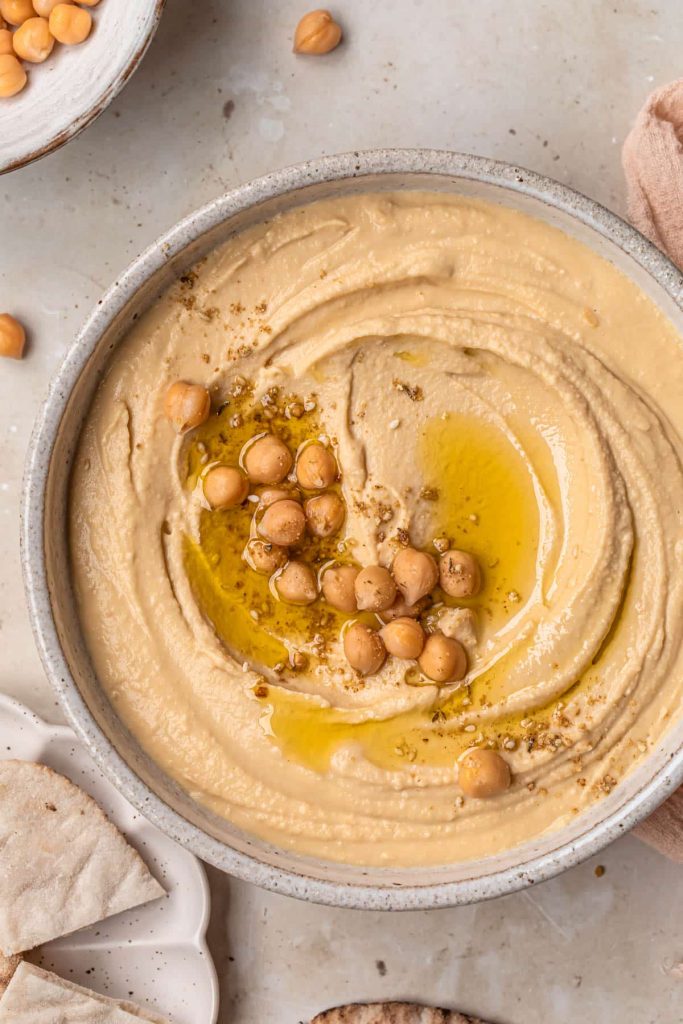
Hummus provides healthy fats and protein while maintaining a soft, creamy texture. Choose smooth varieties without garlic chunks or seeds.
Eat it alone with a spoon rather than with crackers or bread early on. This option adds nutrition and flavor while remaining gentle on the mouth.
Pureed Beans
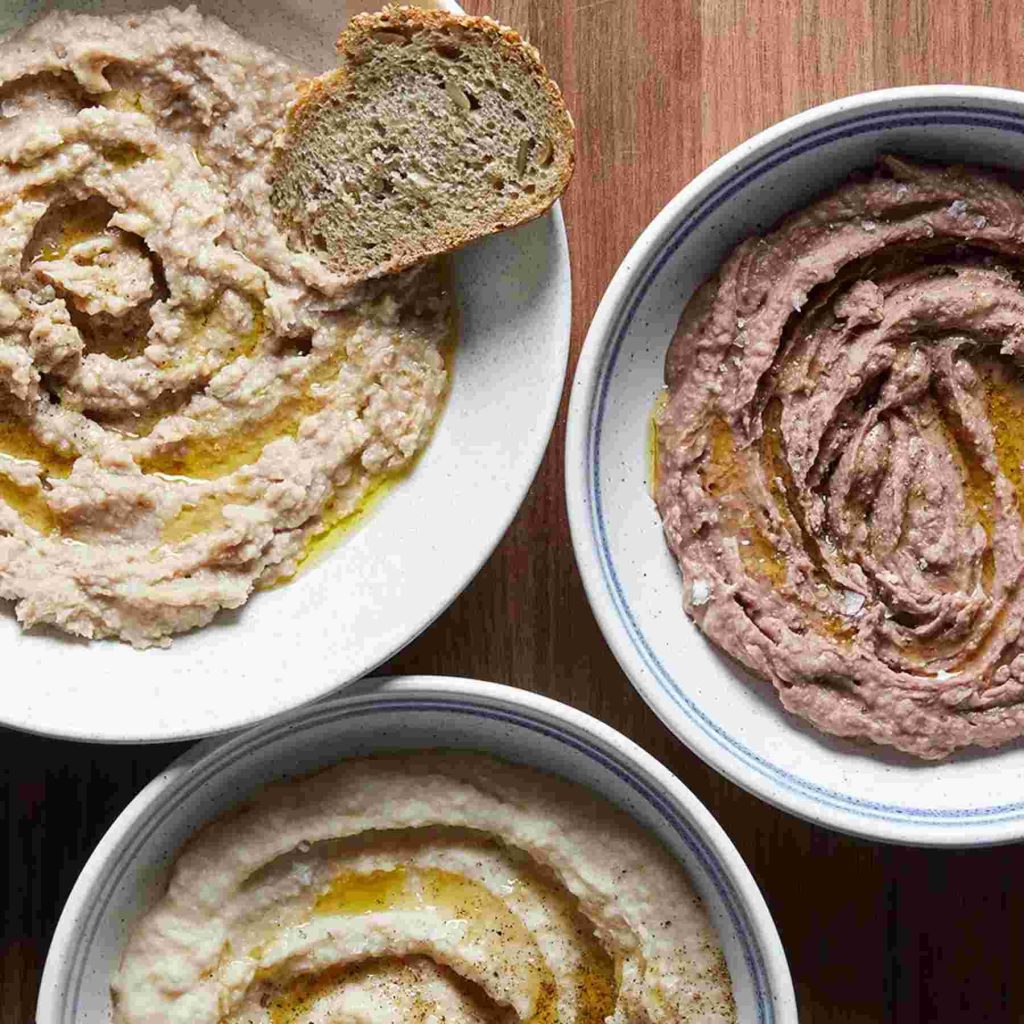
Pureed beans are a versatile and nutrient-dense option when solid foods are limited. Blending removes tough skins and creates a smooth texture that’s easier to swallow.
Season lightly and avoid spicy flavors. They help boost protein intake during recovery without stressing sensitive gums.
Soft Lentils
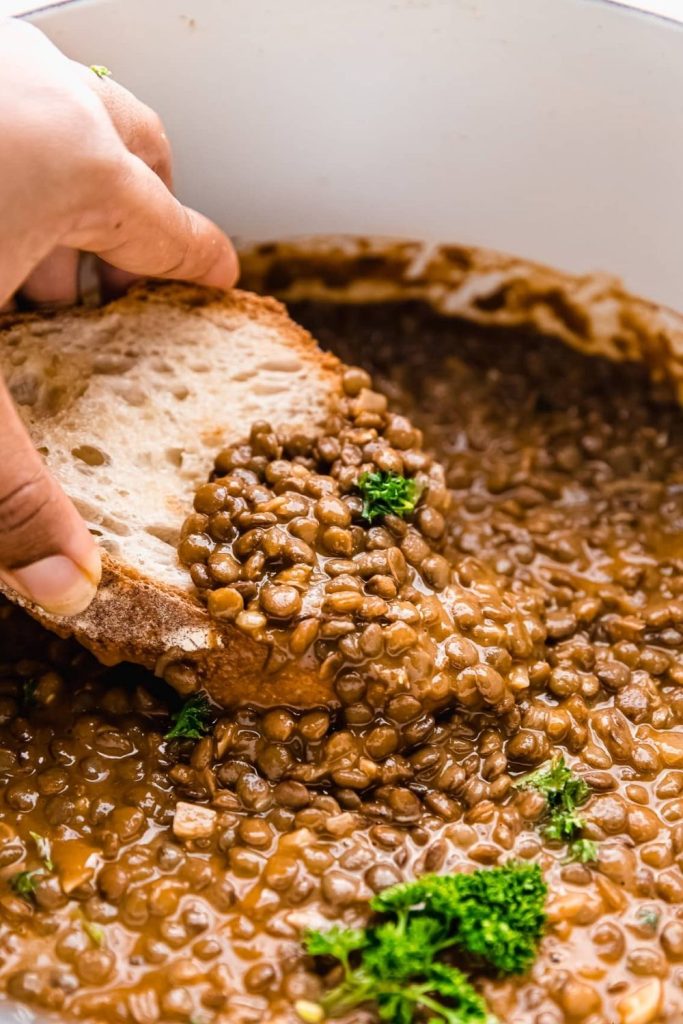
Soft lentils can be eaten during recovery when cooked until very tender and almost mushy. They provide plant-based protein and iron without requiring much chewing.
Avoid dry or undercooked lentils early on. Eating them warm and well-cooked keeps them comfortable and easy to manage.
Nutritious Add-Ons & Proteins
Mashed Avocado
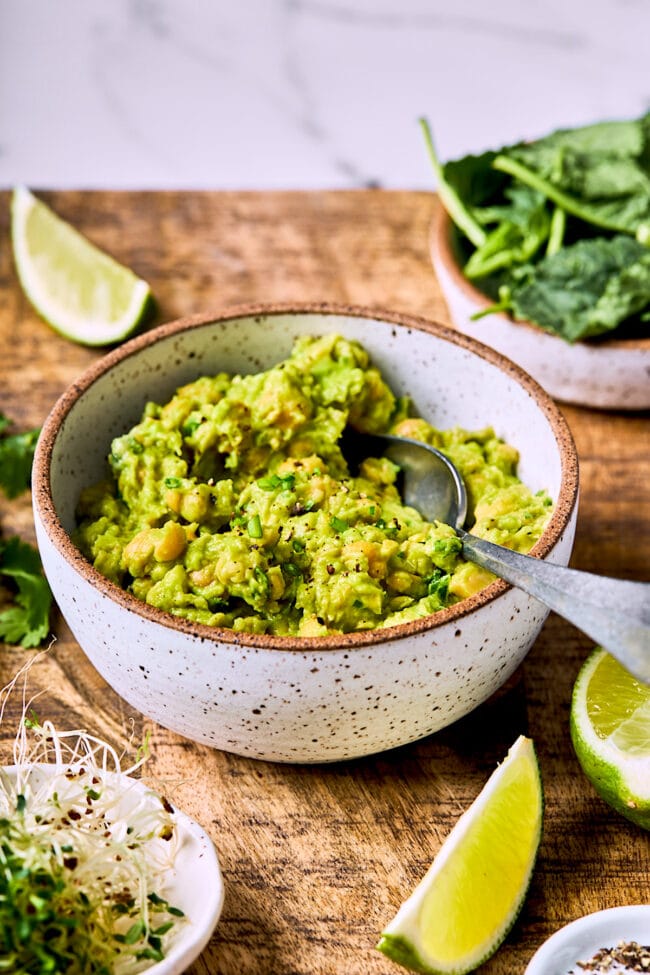
Mashed avocado is soft, creamy, and rich in healthy fats that support healing after dental surgery.
When fully mashed, it slides down easily without irritating sore gums. Its mild flavor makes it easy to tolerate, and it can be eaten alone with a spoon or added to other soft foods.
Guacamole (No Chunks)
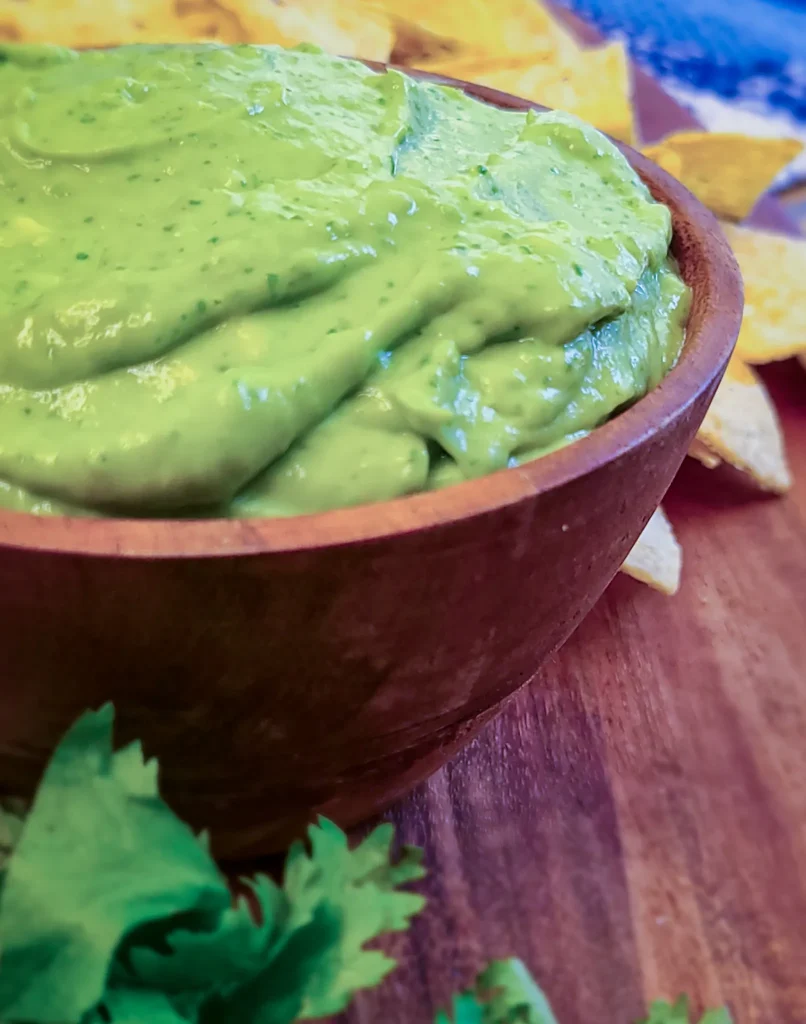
Smooth guacamole works well during recovery as long as all chunks are removed. Blended avocado provides healthy fats and calories while staying gentle on sensitive areas.
Avoid onions, tomatoes, or spices early on. Eat it plain instead of with chips or bread until chewing becomes comfortable again.
Egg Salad (Finely Mashed)
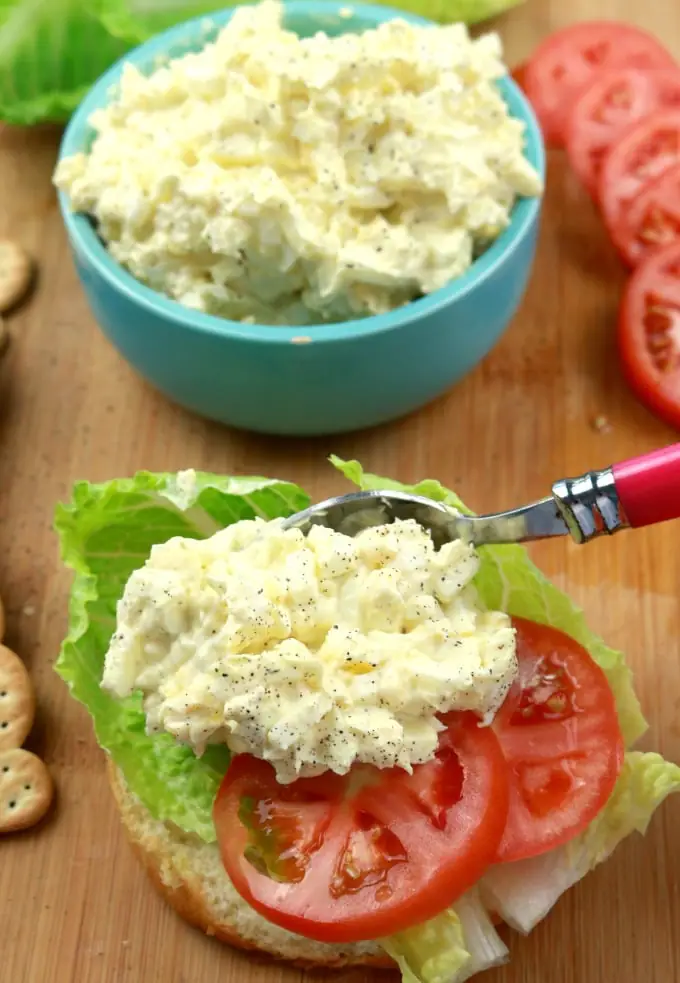
Egg salad can be a good protein source after dental surgery when eggs are finely mashed and mixed until smooth.
The creamy texture reduces chewing effort and supports tissue repair. Avoid crunchy add-ins like celery or relish. Eat small bites and rinse gently afterward to keep the mouth clean.
Tuna Salad (Very Soft)
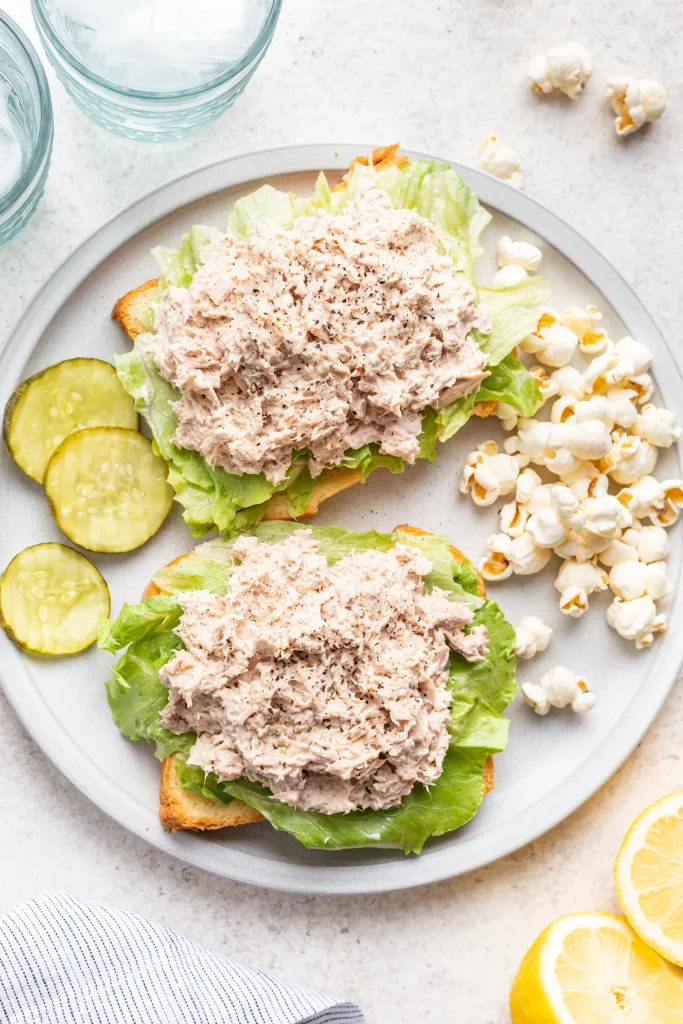
Very soft tuna salad provides protein and healthy fats while remaining easy to eat. The tuna should be finely flaked and mixed well with mayonnaise to eliminate dryness.
Avoid onions or crunchy vegetables. This option works best a few days into recovery when you can tolerate soft, moist textures.
Chicken Salad (Blended)
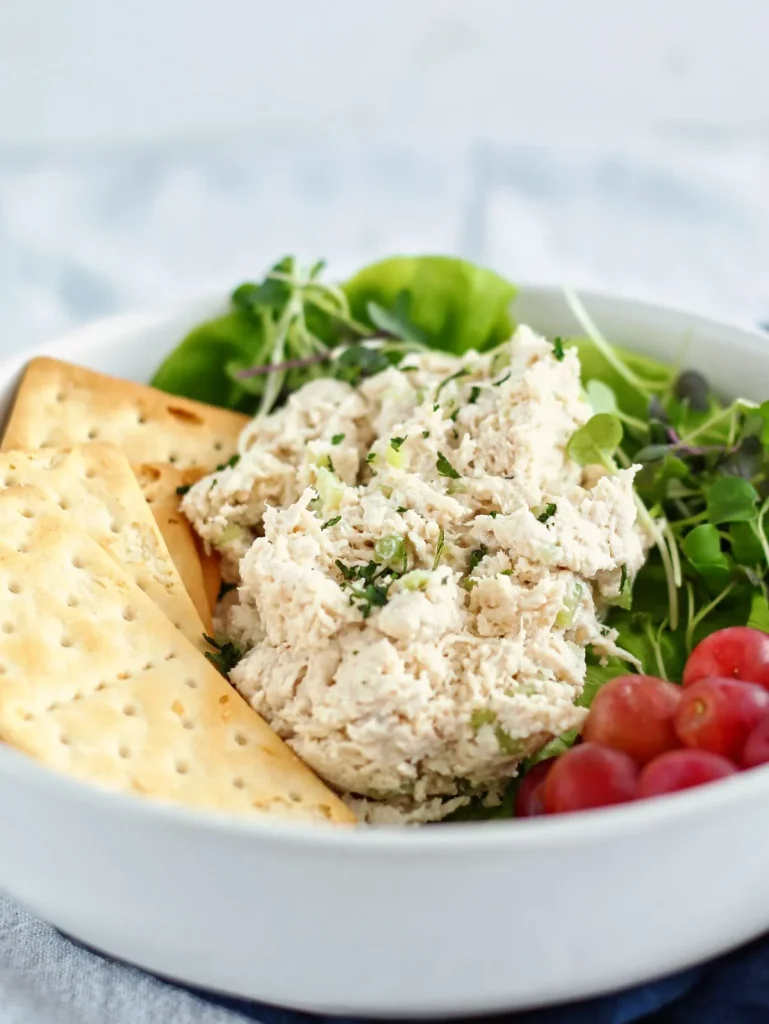
Blended chicken salad allows you to get lean protein without heavy chewing. When fully pureed with mayonnaise or broth, it becomes smooth and easier to swallow.
Skip vegetables, nuts, or seasonings that add texture. This option suits later recovery stages when protein needs increase.
Ricotta Cheese
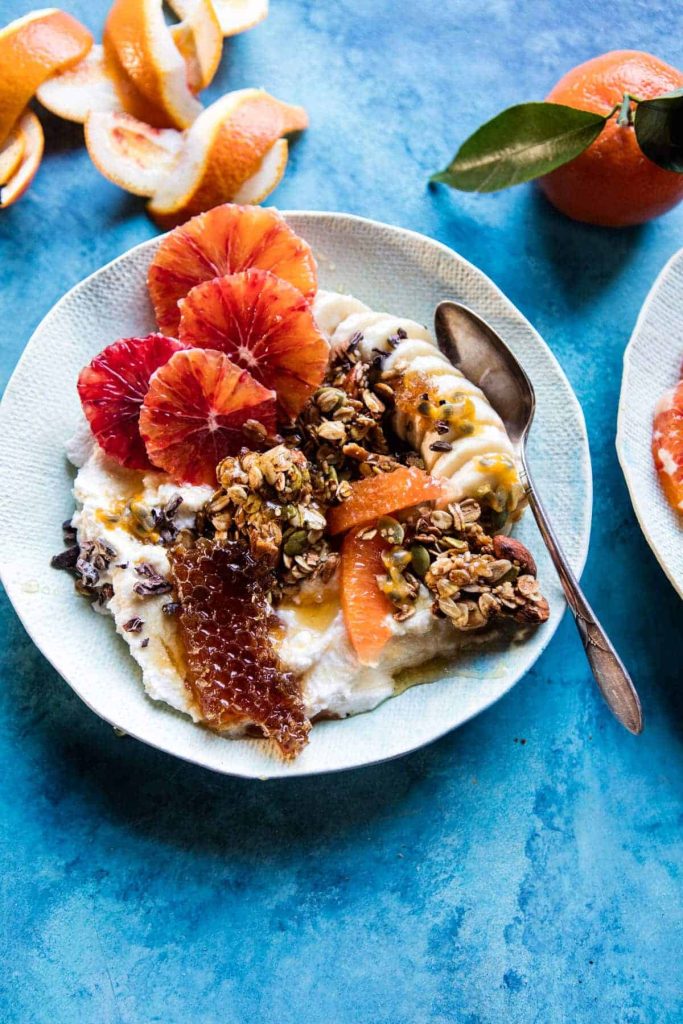
Ricotta cheese is light, fluffy, and easy on sore gums. Its mild flavor and soft texture make it a convenient protein source during dental recovery.
Eat it plain or slightly whipped for extra smoothness. Avoid mixing it with pasta or bread until chewing no longer causes discomfort.
Soft Cream Cheese
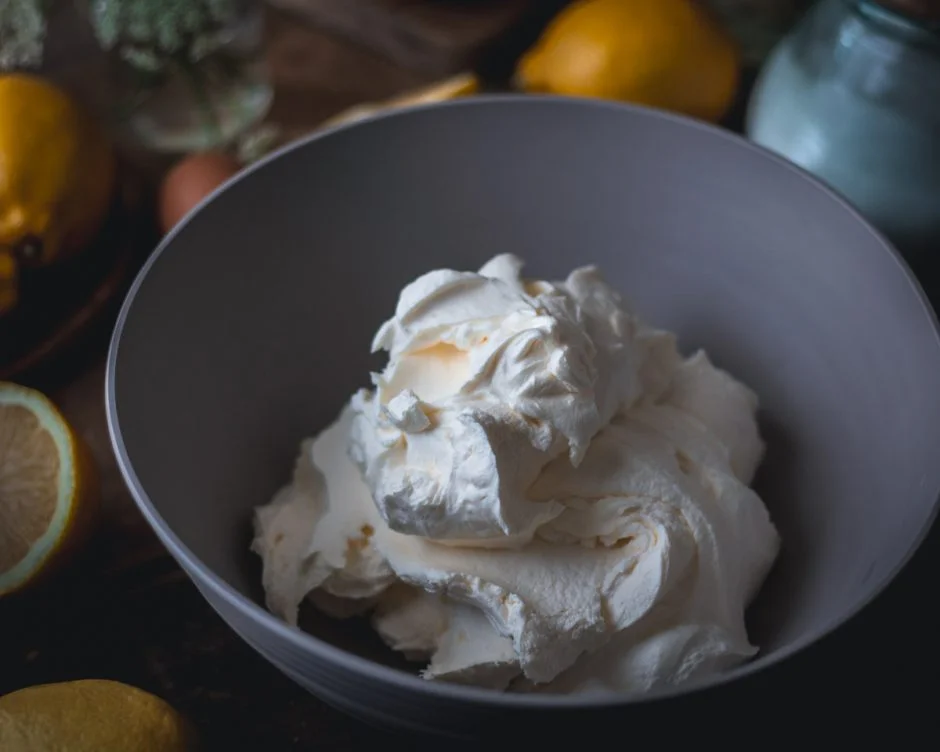
Soft cream cheese offers a smooth, spreadable texture that’s easy to eat with a spoon during recovery. It adds calories and fat without requiring chewing.
Choose plain varieties and avoid pairing with crackers or bagels early on. Let it soften at room temperature for easier swallowing.
Smooth Nut Butter
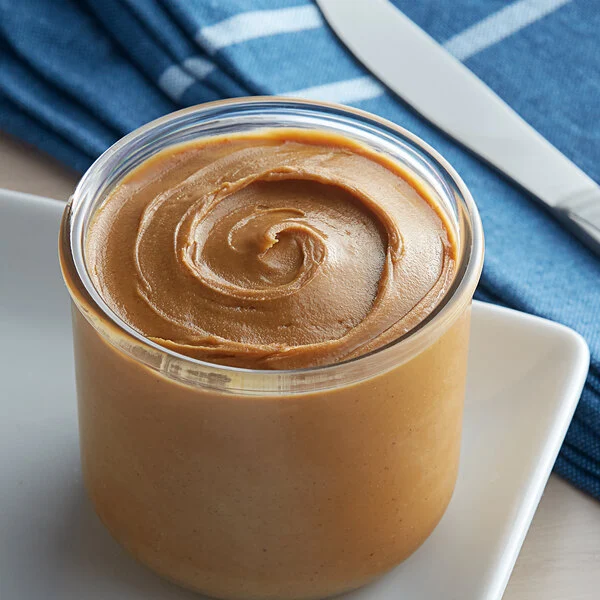
Smooth nut butter is calorie-dense and helpful when you need energy in small amounts. Eat it by itself or stir it into smoothies or oatmeal for a softer texture.
Avoid chunky versions, as small nut pieces can irritate surgical sites and become difficult to clean out.
Silken Tofu Dessert
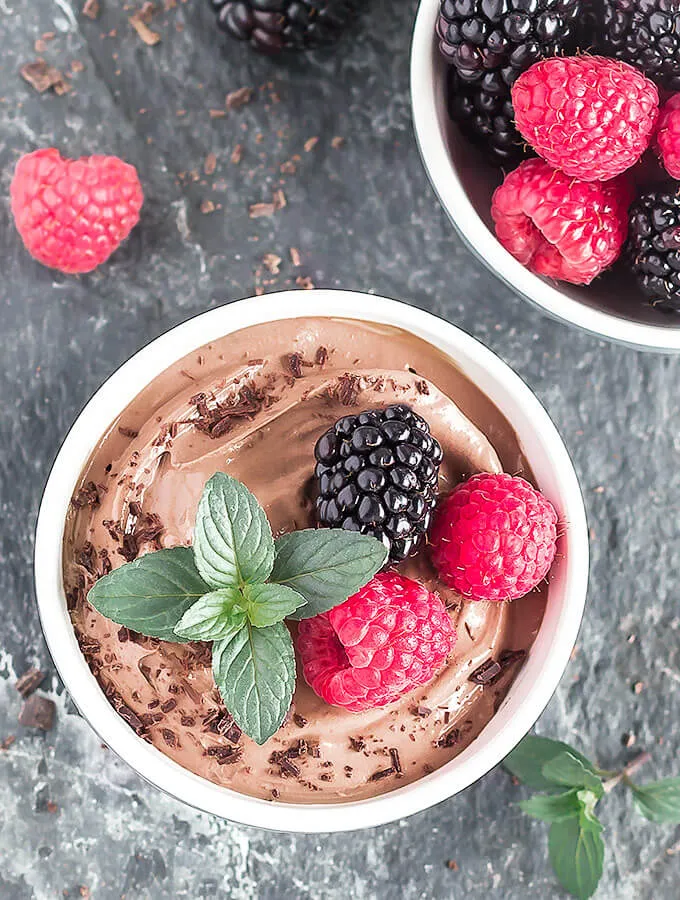
Silken tofu desserts are smooth, high in protein, and easy to swallow with almost no chewing. Their pudding-like texture makes them ideal during early recovery.
Choose plain or lightly sweetened options without crunchy toppings. This dish offers variety when you’re tired of yogurt or shakes.
Desserts & Cold Treats (Soothing!)
Ice Cream (No Nuts)
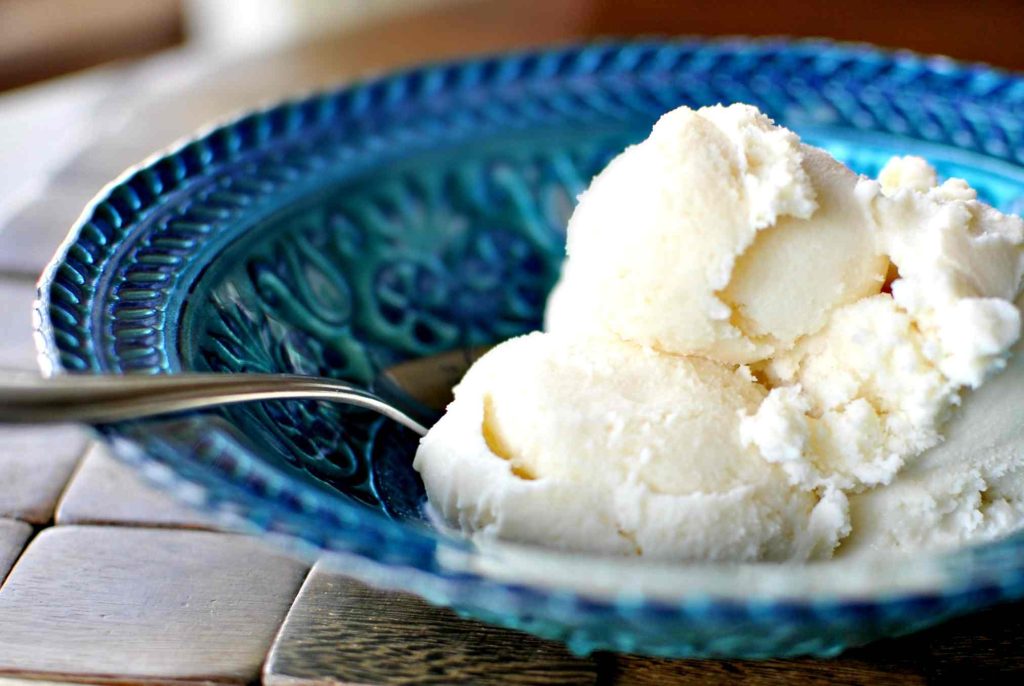
Ice cream can feel soothing after dental surgery thanks to its cold, creamy texture. Choose smooth flavors without nuts, candy, or cookie pieces.
Eat slowly and avoid extreme cold if you experience sensitivity. This treat helps increase calories while providing comfort during the early stages of recovery.
Gelatin (Jell-O Style)

Gelatin is light, smooth, and requires no chewing, making it ideal right after surgery. It slides down easily and helps keep you hydrated.
Choose simple flavors without fruit pieces. While low in nutrients, gelatin works well as a gentle snack when your mouth is sore or swollen.
Custard
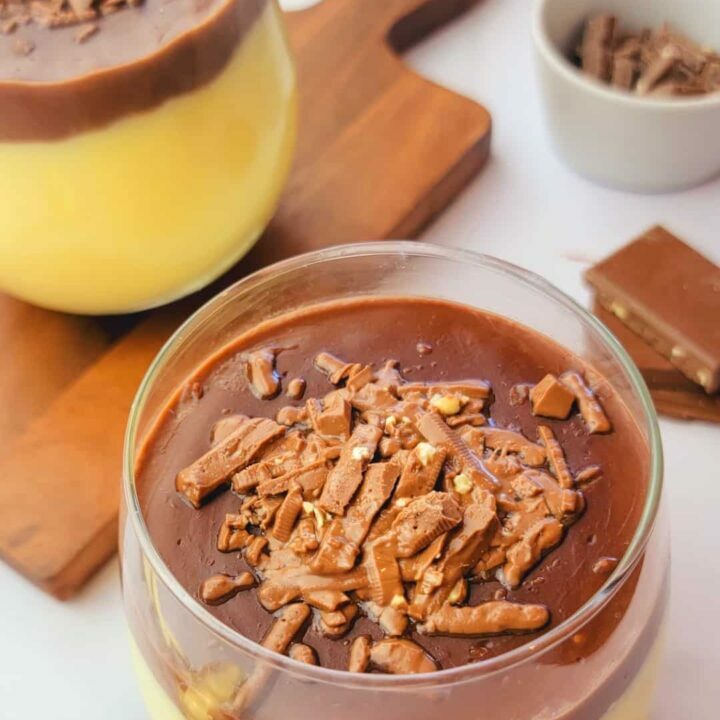
Custard has a soft, creamy consistency that’s easy on healing gums. It provides protein and calories without needing to chew.
Serve it slightly chilled or at room temperature for comfort. Avoid crunchy toppings or caramelized crusts that could irritate surgical areas in the mouth.
Flan
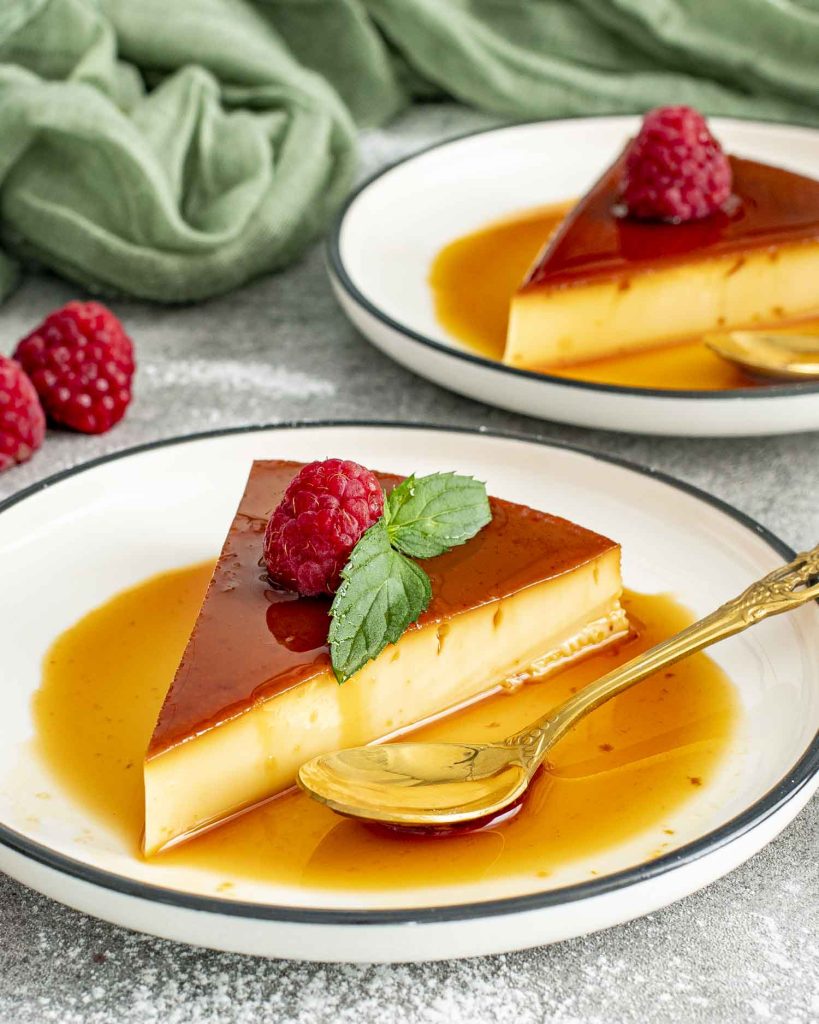
Flan is smooth, delicate, and gentle enough for dental recovery when eaten without the caramelized edges. Its custard-like texture makes swallowing easy and comfortable.
Enjoy small spoonfuls and avoid overly cold servings. This dessert adds variety while remaining safe for sore, healing tissues.
Rice Pudding
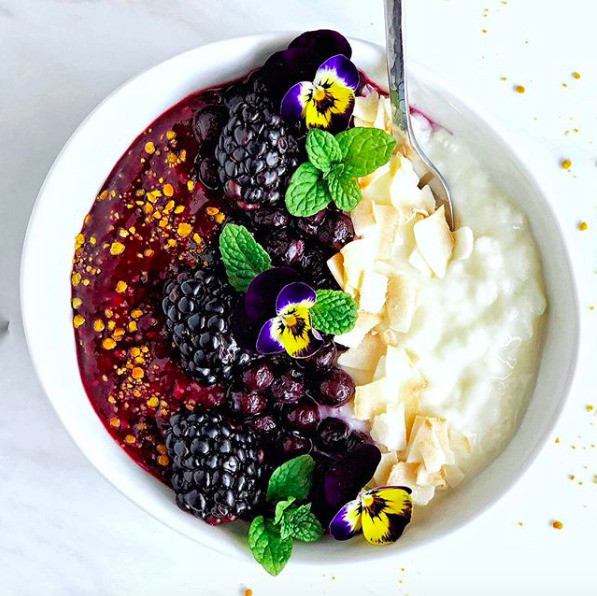
Rice pudding can work during recovery when the rice is fully softened and well-cooked. The creamy base reduces chewing effort, but eat slowly to avoid irritation.
Choose plain varieties without raisins or spices. This option provides comfort and calories when transitioning to thicker soft foods.
Tapioca Pudding
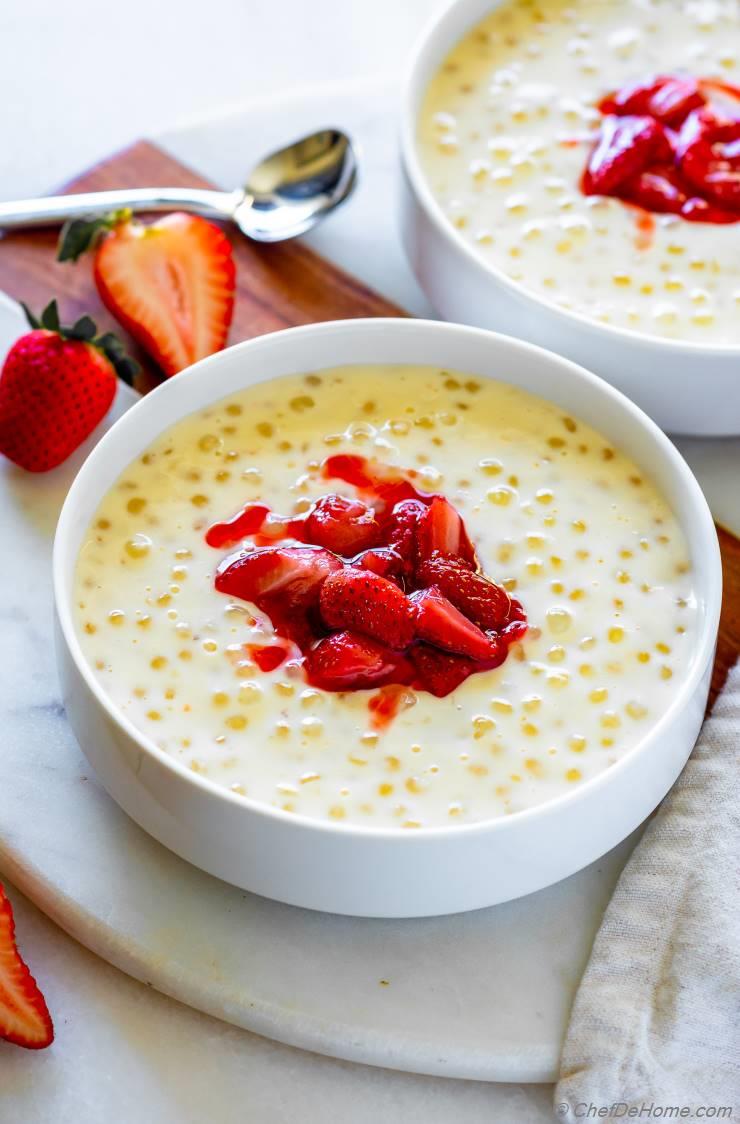
Tapioca pudding offers a smooth, creamy texture with very soft pearls that are gentle on sore gums.
It’s easy to swallow and provides comforting sweetness. Eat cautiously and ensure the tapioca is fully cooked. Avoid chilled temperatures if your teeth feel sensitive after surgery.
Milkshakes

Milkshakes are an easy way to boost calories and protein during recovery. Blend thoroughly to remove any texture, and drink without a straw to prevent dry socket.
Choose mild flavors without mix-ins. Sip slowly and avoid extreme cold, especially if your mouth feels tender.
Soft Sponge Cake
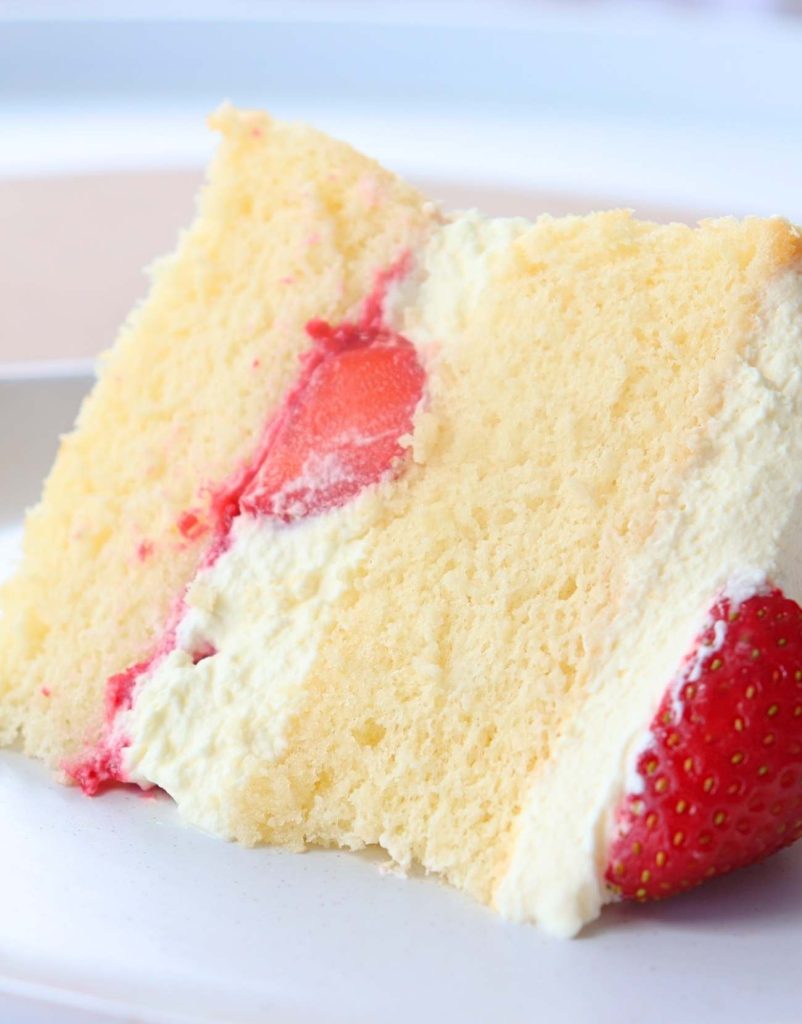
Soft sponge cake can be enjoyed later in recovery once chewing improves. Its airy texture breaks down easily when moistened with milk or syrup.
Avoid crusty edges or fillings. Eat small bites and stop if crumbs become uncomfortable around healing areas.
Cheesecake (No Crust Pieces)
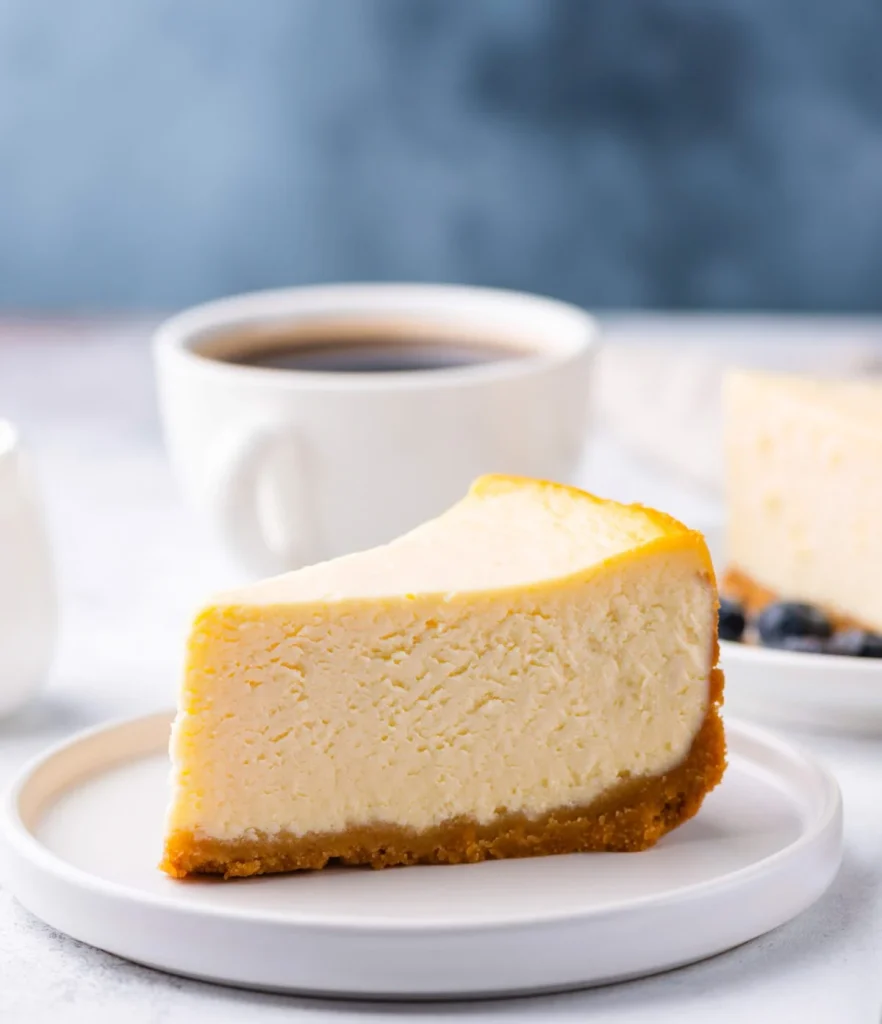
Cheesecake has a dense but creamy texture that’s manageable after dental surgery when eaten without crust pieces.
Choose plain varieties and eat slowly. Its high calorie content helps when appetite is low. Avoid toppings like nuts or fruit that add unwanted texture.
Sorbet (Smooth, Seedless)
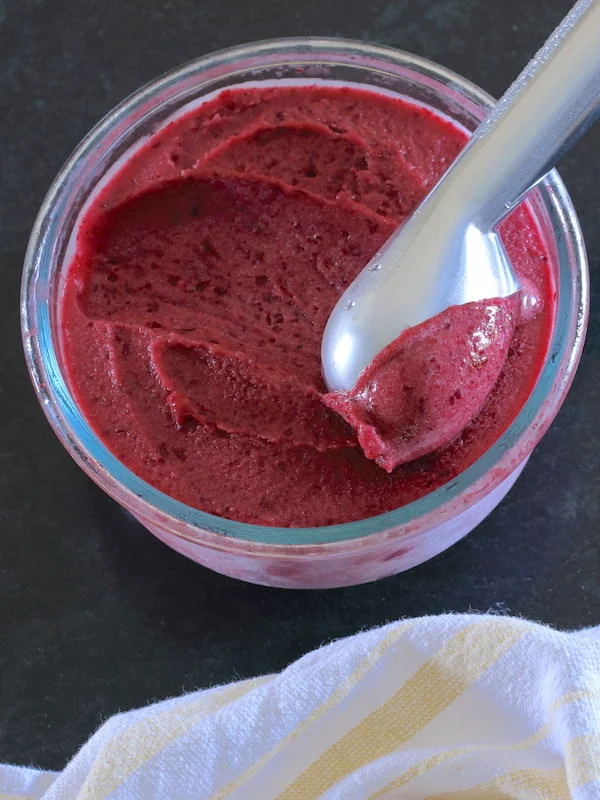
Smooth, seedless sorbet can feel refreshing and soothing on sore gums. Choose mild, non-acidic flavors to reduce irritation.
Eat slowly and avoid very cold temperatures if sensitivity occurs. Sorbet works best as a light treat rather than a main calorie source during recovery.
Final Thoughts
Recovering from dental surgery takes patience, and the foods you choose can make a big difference.
Soft, smooth meals reduce strain on healing gums, help manage pain, and lower the risk of complications.
Focus on nourishment, stay hydrated, and reintroduce texture slowly. When in doubt, choose comfort over crunch; your mouth will thank you as healing progresses.

What a wonderfully helpful article, so carefully thought out and well compiled. Thank you so much for facilitating my oral recovery!
You are most welcome Colin