
20 High-Selenium Superfoods That Help Fight Oxidative Stress and Strengthen Immunity
Selenium does not get nearly as much attention as vitamin C or calcium, but your body absolutely needs it. This essential trace mineral supports your thyroid, helps protect cells from oxidative stress, and plays a real role in immune function.

The good news is that selenium is found in a surprisingly wide range of everyday foods, from the seafood you already love to the eggs in your refrigerator and the bread on your counter. You do not need a special diet or exotic supplements to hit your daily needs.
Here are 20 of the best selenium rich foods worth adding to your plate. Most of them are probably already in your kitchen.
1. Brazil Nuts
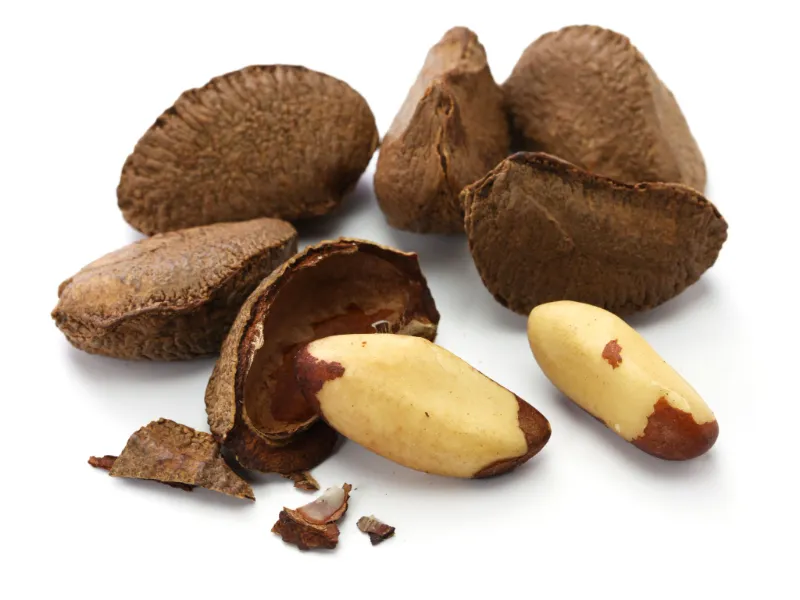
Brazil nuts are hands down the richest food source of selenium on the planet. Just one or two of these big, buttery nuts can give you more than your entire daily recommended intake. That is not a typo.
They grow in the Amazon rainforest and absorb selenium from the soil in amounts that no other nut comes close to matching. One ounce can deliver anywhere from 540 to 960 micrograms of selenium, depending on the soil where they were grown.
Go easy though. A small handful a few times a week is plenty. Too much selenium can actually cause issues, so stick to one or two nuts daily and you are golden.
They taste rich and slightly creamy, great for snacking or chopping into granola and oatmeal. Honestly one of the easiest selenium upgrades you can make.
Nutrition Info (Approximate)
| Serving Size | Selenium | Calories | Protein |
|---|---|---|---|
| 1 oz (6 nuts) | 544 mcg | 187 kcal | 4g |
2. Yellowfin Tuna
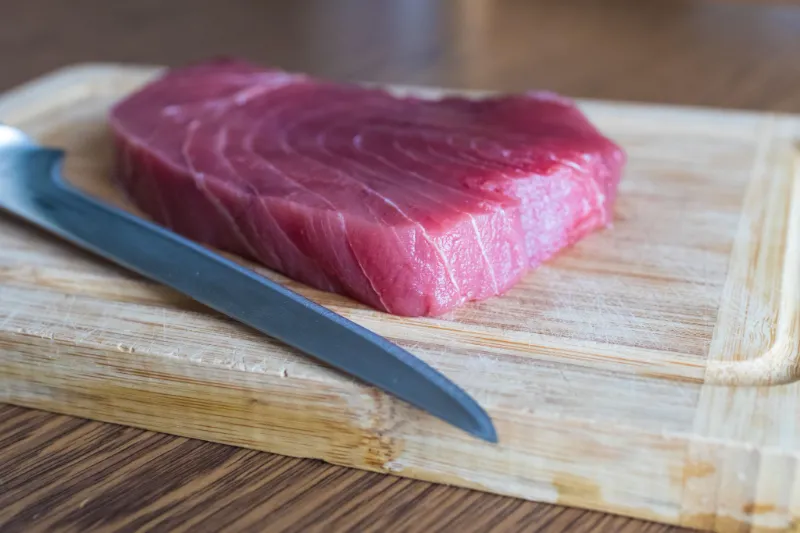
Yellowfin tuna is a selenium superstar and one of the most popular fish in American kitchens. Whether you are opening a can for a quick sandwich or grilling a fresh steak for dinner, you are doing your body a serious favor.
A three ounce serving of cooked yellowfin tuna gives you around 92 micrograms of selenium, which is well over 100 percent of the daily value. It also comes loaded with lean protein and omega 3 fatty acids, so you are really getting a lot done in one meal.
Canned tuna counts too. It is a budget friendly option that works in salads, pasta, stuffed peppers, and classic tuna melts. Look for light tuna in water for the leanest choice.
It is one of those foods that just makes healthy eating feel easy and completely normal.
Nutrition Info (Approximate)
| Serving Size | Selenium | Calories | Protein |
|---|---|---|---|
| 3 oz cooked | 92 mcg | 111 kcal | 25g |
3. Oysters

Oysters might feel fancy, but nutritionally they are one of the most nutrient dense foods you can eat. They are packed with selenium, zinc, iron, and vitamin B12 all at once. Six raw oysters can give you roughly 54 to 77 micrograms of selenium.
They are popular along the coasts, served raw on the half shell, grilled with butter and garlic, or in a classic oyster stew. Any way you serve them, you are getting a serious nutritional win.
If raw oysters are not your thing, canned oysters work just as well and are far more accessible at any grocery store. Toss them into pasta, chowder, or a simple rice dish for a major nutrient boost.
They have a mild, briny flavor that pairs beautifully with lemon and hot sauce. Give them a try if you have not yet.
Nutrition Info (Approximate)
| Serving Size | Selenium | Calories | Protein |
|---|---|---|---|
| 3 oz (6 medium) | 56 mcg | 69 kcal | 8g |
4. Halibut
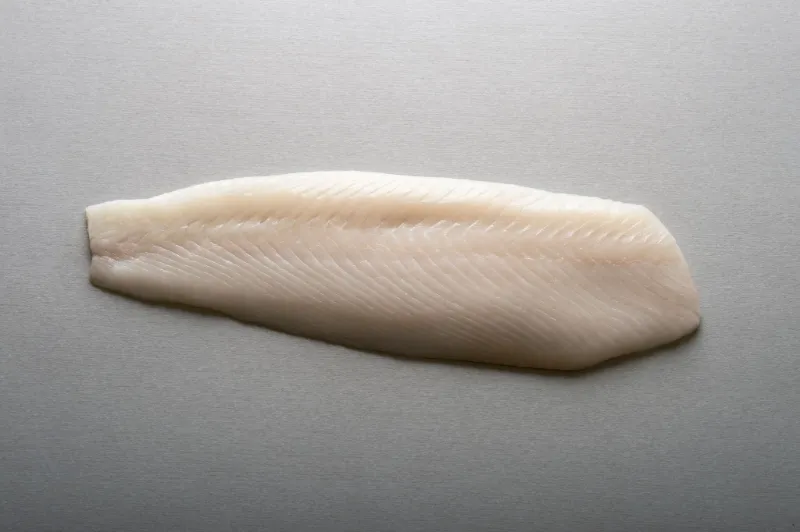
Halibut is one of the most popular white fish in the US, and for good reason. It is mild, flaky, and incredibly versatile in the kitchen. It delivers around 47 micrograms of selenium per three ounce cooked serving.
You can pan sear it, bake it, broil it, or throw it on the grill. It holds up really well to bold seasonings like garlic, herbs, and lemon butter, making it a go to for weeknight dinners when you want something special without a lot of effort.
Halibut is also a lean protein, low in saturated fat, and rich in magnesium and potassium. So every bite is genuinely working hard for you.
Pair it with roasted vegetables or a simple green salad and you have a complete, selenium rich meal in under 30 minutes.
Nutrition Info (Approximate)
| Serving Size | Selenium | Calories | Protein |
|---|---|---|---|
| 3 oz cooked | 47 mcg | 94 kcal | 19g |
5. Sardines

Sardines are one of those foods that people either love immediately or need a little convincing to try. Once you get past the initial hesitation, you realize they are absolutely packed with nutrition. A three ounce serving gives you about 45 micrograms of selenium.
They come canned in water, olive oil, or tomato sauce, making them one of the most convenient and affordable seafood options at any grocery store. Open the can and you are already halfway to a great meal.
Mash them on toast with lemon and cracked pepper, or toss them into pasta with garlic and capers for a quick Italian style dinner. They are also fantastic on crackers with a little hot sauce.
Sardines are loaded with calcium because you eat the bones, plus omega 3s to support heart health. Tiny fish, huge benefits.
Nutrition Info (Approximate)
| Serving Size | Selenium | Calories | Protein |
|---|---|---|---|
| 3 oz canned | 45 mcg | 177 kcal | 21g |
6. Shrimp
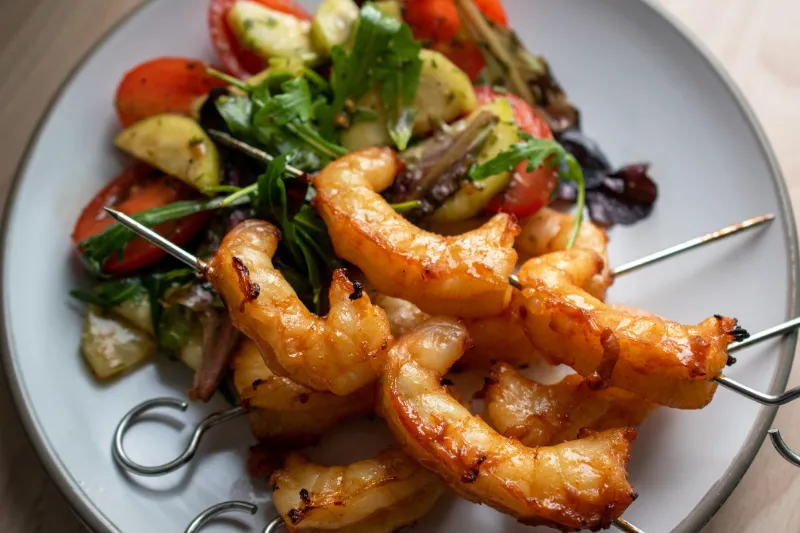
Shrimp is one of the most consumed seafoods in America, and it just so happens to be a really solid source of selenium. A three ounce serving of cooked shrimp gives you around 42 micrograms, which gets you well past the halfway point of your daily needs.
What makes shrimp so easy to love is how fast it cooks and how well it takes on flavor. Garlic butter shrimp, shrimp tacos, shrimp stir fry, shrimp pasta, the list basically never ends. It goes from raw to perfectly cooked in about three minutes.
Shrimp is also very low in calories and fat while being high in protein, which makes it a favorite for people who want satisfying meals without going overboard on calories.
Buy it fresh, frozen, or pre cooked. All three options still deliver a good selenium punch. Frozen peeled and deveined shrimp is honestly one of the most convenient proteins you can keep in your freezer.
Nutrition Info (Approximate)
| Serving Size | Selenium | Calories | Protein |
|---|---|---|---|
| 3 oz cooked | 42 mcg | 84 kcal | 18g |
7. Turkey
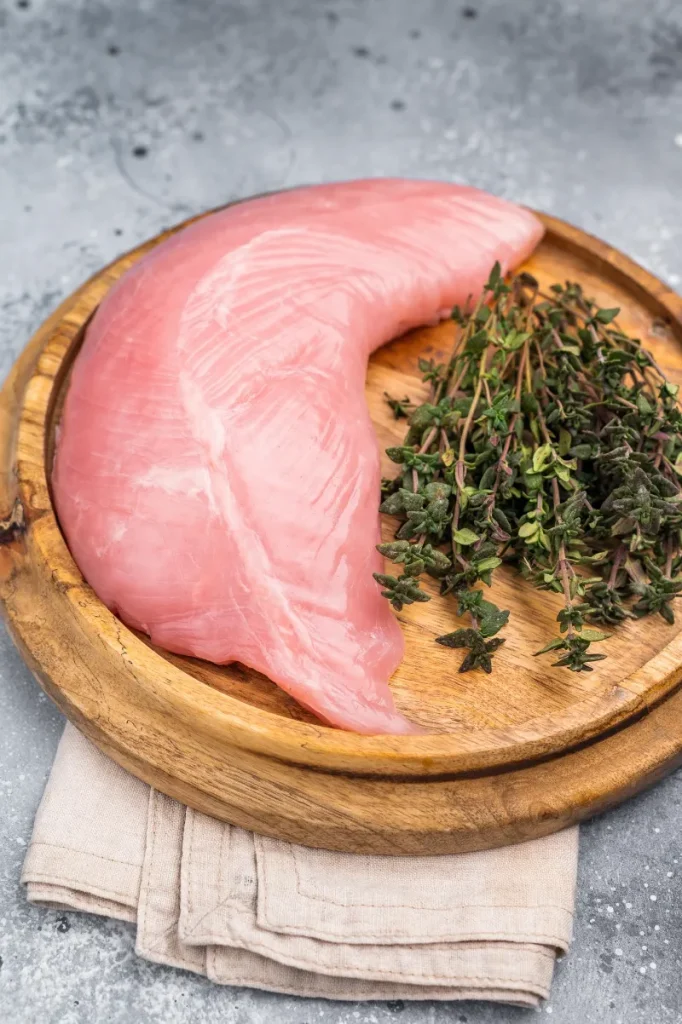
Turkey is not just for Thanksgiving anymore. This lean protein is one of the best everyday sources of selenium you can find at any grocery store. A three ounce serving of roasted turkey breast packs in about 31 to 36 micrograms of selenium.
Ground turkey is huge right now as a leaner alternative to ground beef in burgers, meatballs, tacos, and pasta sauces. Turkey breast slices are great for sandwiches, and a whole roasted turkey still holds up as one of the most satisfying dinners you can make.
Dark meat turkey has slightly more selenium than white meat, so if you have been a dark meat fan all along, turns out that was a nutritionally solid choice.
It is also packed with B vitamins, zinc, and phosphorus, making it one of the most nutritionally complete proteins you can put on your plate any night of the week.
Nutrition Info (Approximate)
| Serving Size | Selenium | Calories | Protein |
|---|---|---|---|
| 3 oz roasted | 31 mcg | 135 kcal | 25g |
8. Chicken Breast
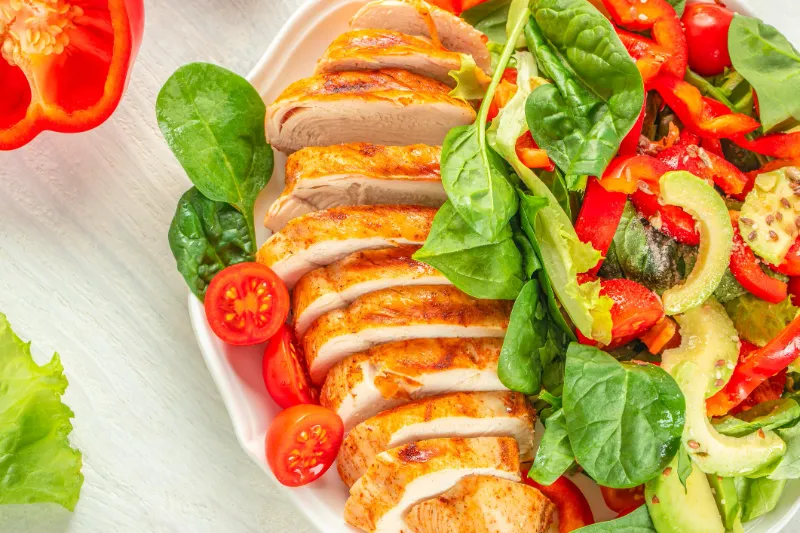
Chicken breast is arguably the most popular lean protein in American households, and it delivers a respectable 22 to 27 micrograms of selenium per three ounce cooked serving. Not as dramatic as some fish, but still very solid for a food most people already eat multiple times a week.
Because chicken is so versatile and widely eaten, it becomes an easy and consistent way to keep your selenium intake on track without having to think much about it. Grilled, baked, slow cooker, air fryer, you probably already have it on rotation.
Dark meat cuts like thighs and drumsticks tend to be slightly higher in selenium than breast meat, and they stay juicier and more flavorful during cooking. Worth keeping both in your weekly lineup.
Chicken is also rich in niacin and phosphorus, making it a genuinely well rounded protein choice beyond just the selenium factor.
Nutrition Info (Approximate)
| Serving Size | Selenium | Calories | Protein |
|---|---|---|---|
| 3 oz cooked | 27 mcg | 140 kcal | 26g |
9. Lean Ground Beef
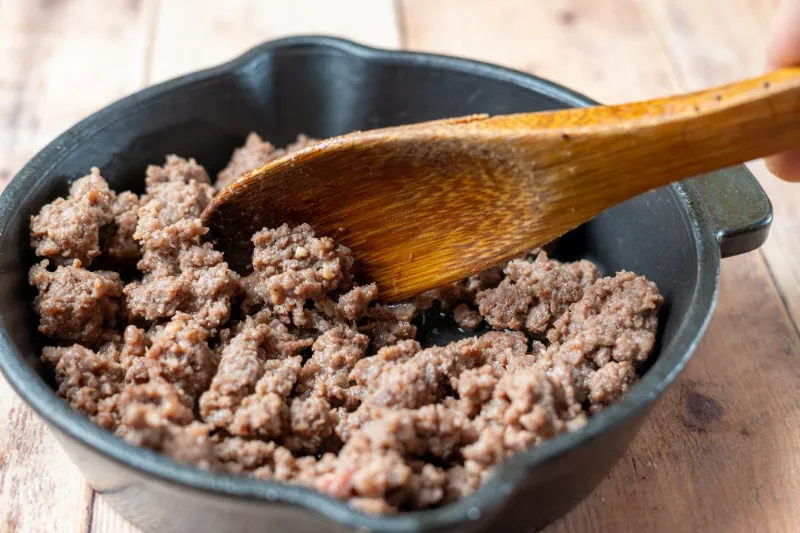
Beef is a staple in American cooking, and lean ground beef is one of the most practical ways to get a decent hit of selenium into your diet. A three ounce serving of cooked lean ground beef delivers about 18 to 22 micrograms of selenium.
Tacos, burgers, Bolognese, stuffed peppers, meatloaf, beef and rice bowls. Ground beef is in so many classic American dishes that it barely takes any extra effort to work it into your selenium goals.
Leaner cuts like sirloin and tenderloin also have good selenium content. Grass fed beef may have modestly different nutrient profiles, though selenium levels vary based on where the cattle grazed.
Beef is also an excellent source of zinc, iron, and B12, so it pulls its weight on the nutrition side in more ways than just selenium.
Nutrition Info (Approximate)
| Serving Size | Selenium | Calories | Protein |
|---|---|---|---|
| 3 oz cooked | 20 mcg | 218 kcal | 22g |
10. Sunflower Seeds
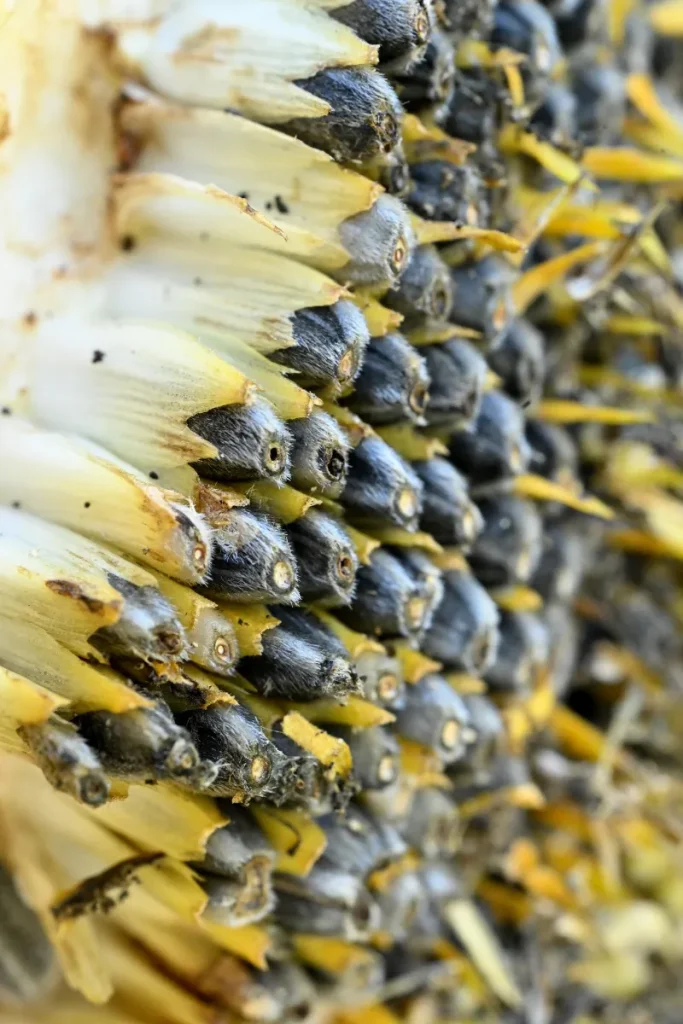
Sunflower seeds are a surprisingly underrated selenium source, especially for people who do not eat much meat or seafood. A one ounce serving gives you around 19 micrograms of selenium, making them a genuinely useful plant based option.
They are perfect for snacking straight out of the bag, adding crunch to salads, mixing into trail mix, or sprinkling over oatmeal and yogurt. Sunflower seed butter is also a nut free alternative to peanut butter that kids and adults both love.
Beyond selenium, sunflower seeds are loaded with vitamin E, a powerful antioxidant that works really well alongside selenium in the body. The two nutrients actually complement each other.
Look for dry roasted or raw unsalted versions to keep the sodium in check. A small handful goes a long way, both in flavor and in nutrition.
Nutrition Info (Approximate)
| Serving Size | Selenium | Calories | Protein |
|---|---|---|---|
| 1 oz | 19 mcg | 165 kcal | 5.5g |
11. Pork Tenderloin
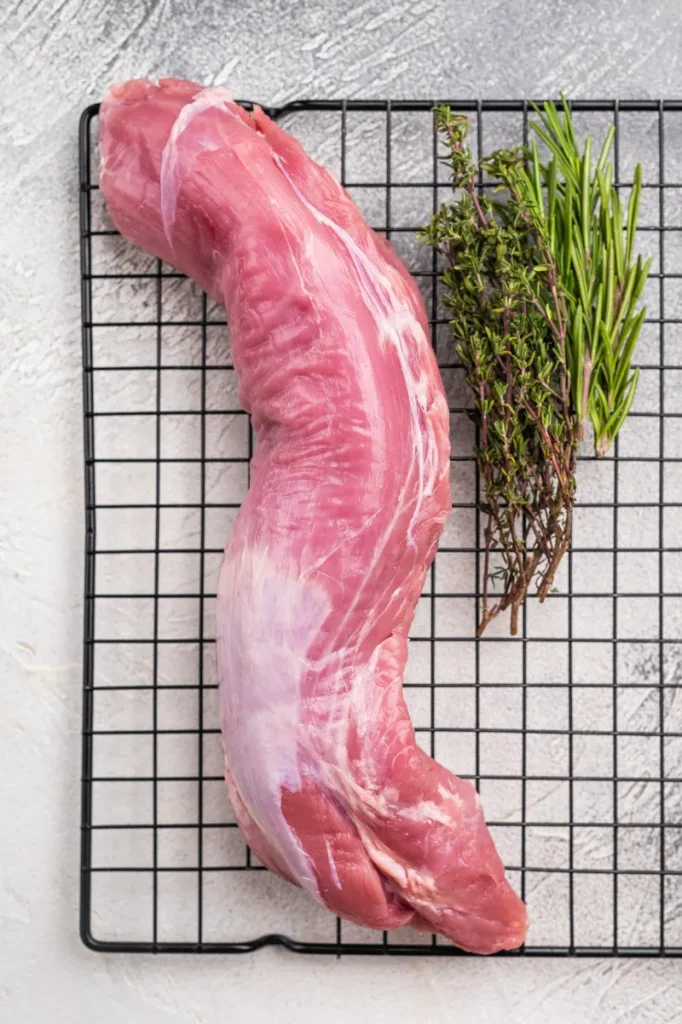
Pork tenderloin is one of the leanest cuts of pork you can buy, and it is a solid, often overlooked source of selenium. A three ounce serving delivers around 30 to 38 micrograms of selenium, which puts it right up there with chicken and turkey.
It cooks fast, absorbs marinades beautifully, and works with so many flavor profiles from garlic and herb to honey mustard to spicy chipotle. It is honestly one of the most underused proteins in everyday American cooking.
Pork in general, including chops, loin roast, and ham, is consistently a good source of selenium. If you are already cooking pork regularly, you are in good shape.
Pair it with roasted sweet potatoes and a green vegetable for a complete meal that covers a wide range of nutrients in one sitting.
Nutrition Info (Approximate)
| Serving Size | Selenium | Calories | Protein |
|---|---|---|---|
| 3 oz cooked | 33 mcg | 122 kcal | 22g |
12. Eggs

Eggs are one of the most nutrient dense foods in the entire grocery store, and they deliver a modest but meaningful amount of selenium. One large egg contains about 15 to 16 micrograms of selenium, with most of it concentrated in the yolk.
Since most Americans eat eggs multiple times a week, they become a really consistent and easy way to keep selenium levels topped up without any extra planning. Scrambled, poached, hard boiled, fried, baked into a frittata, eggs basically do everything.
The whole egg is important here. If you have been doing egg whites only, you are missing out on the selenium along with a bunch of other nutrients. The yolk is where a lot of the good stuff lives.
Eggs are also a complete protein, meaning they contain all nine essential amino acids. One of the most cost effective and nutritious foods you can stock in your kitchen.
Nutrition Info (Approximate)
| Serving Size | Selenium | Calories | Protein |
|---|---|---|---|
| 1 large egg | 15 mcg | 72 kcal | 6g |
13. Brown Rice
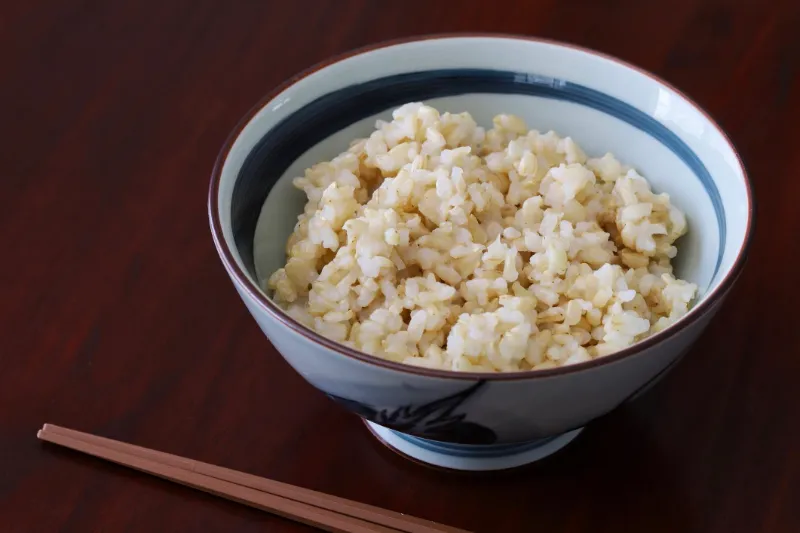
Brown rice is a whole grain staple that provides a quiet, consistent source of selenium in your diet. A cooked cup delivers around 19 micrograms of selenium, making it one of the better plant based grain options out there.
Because brown rice is such a universal base food, it becomes an effortless way to add selenium to your meals without any extra thought. Rice bowls, stir fry, burrito bowls, soup, it fits into every cuisine style.
It is also a good source of fiber, magnesium, and manganese, which all support gut health, blood sugar balance, and bone strength. Whole grains are underappreciated for their nutritional value beyond just carbohydrates.
White rice has less selenium because the outer bran layer, which contains the minerals, is removed during processing. Switching to brown rice is a simple swap with real benefits.
Nutrition Info (Approximate)
| Serving Size | Selenium | Calories | Protein |
|---|---|---|---|
| 1 cup cooked | 19 mcg | 216 kcal | 5g |
14. Cottage Cheese

Cottage cheese has had a massive comeback in American food culture, and it turns out it is a legitimately great source of selenium. A one cup serving of low fat cottage cheese contains about 20 micrograms of selenium along with a big hit of protein.
It works as a breakfast with fruit and honey, a savory snack with cucumber and everything bagel seasoning, a post workout meal, or blended into smoothies for a creamy protein boost.
Cottage cheese is also rich in casein protein, which digests slowly and keeps you full for longer. That combination of protein, calcium, and selenium makes it a nutritional overachiever in a plain looking package.
If you have not tried it recently, the texture and quality of cottage cheese has genuinely improved across most brands. Give it another shot.
Nutrition Info (Approximate)
| Serving Size | Selenium | Calories | Protein |
|---|---|---|---|
| 1 cup lowfat | 20 mcg | 163 kcal | 28g |
15. Whole Wheat Bread

Whole wheat bread is a daily staple for millions of American families, and it quietly contributes to selenium intake in a way most people never think about. Two slices deliver roughly 16 to 20 micrograms of selenium, depending on the brand and wheat flour used.
The selenium content of wheat flour varies based on where the wheat was grown, because soil selenium levels differ by region. Wheat grown in selenium rich soils in states like Nebraska and South Dakota tends to have higher selenium content.
Since most people eat bread every single day, whether as toast, sandwiches, or alongside soup, it becomes one of the most consistent contributors to daily selenium intake without any extra effort.
Choose 100 percent whole wheat over enriched white bread to get the fuller nutritional profile, including fiber, B vitamins, and more minerals overall.
Nutrition Info (Approximate)
| Serving Size | Selenium | Calories | Protein |
|---|---|---|---|
| 2 slices | 17 mcg | 138 kcal | 6g |
16. Cremini and Shiitake Mushrooms
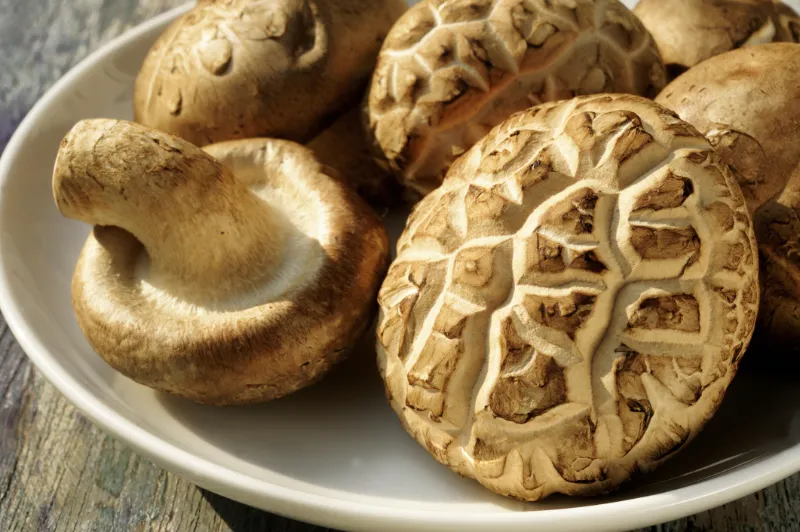
Mushrooms are one of the most exciting plant based sources of selenium, especially for vegetarians and vegans looking to diversify their intake. Cremini and shiitake mushrooms lead the pack, with a half cup cooked serving delivering around 16 to 18 micrograms of selenium.
What makes mushrooms unique is that they can absorb more selenium from the soil they grow in, making them a highly variable but consistently useful source. Some specialty mushrooms grown in selenium enriched mediums can have even higher levels.
They are also one of the few non animal foods that contain vitamin D when exposed to sunlight or UV light. That makes mushrooms genuinely exceptional in the plant kingdom.
Saute them in butter and garlic, toss them into pasta, layer them on pizza, or roast them with olive oil and thyme. They add depth and umami to any dish while boosting your selenium levels.
Nutrition Info (Approximate)
| Serving Size | Selenium | Calories | Protein |
|---|---|---|---|
| 0.5 cup cooked | 17 mcg | 22 kcal | 2g |
17. Oatmeal
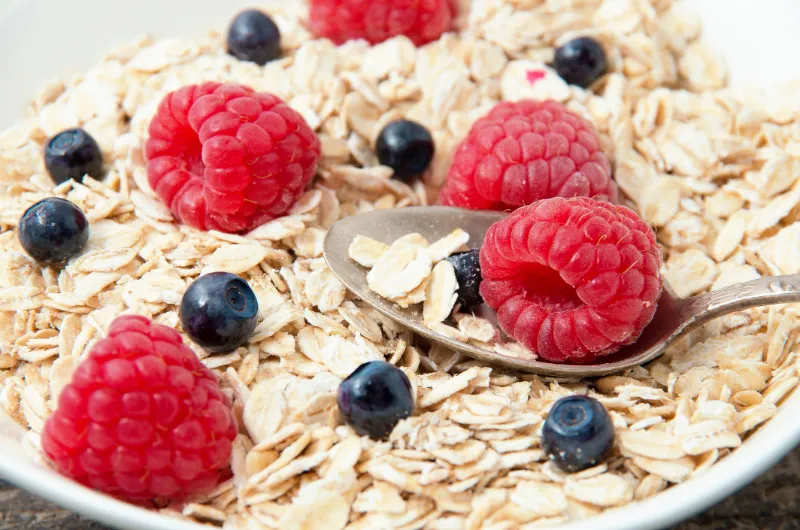
Oatmeal is the breakfast champion of American kitchens, and it gives you a decent selenium boost to start the day. One cup of cooked oatmeal contains around 13 micrograms of selenium, a meaningful contribution when combined with other selenium rich foods throughout the day.
Oats are also an incredible source of beta glucan fiber, which has been shown to lower cholesterol and support gut health. So your morning oatmeal is doing a lot more for you than just being a warm and filling start.
Top your oatmeal with sunflower seeds, a chopped Brazil nut, or some sliced banana for an even bigger selenium boost without any real extra effort. Overnight oats, baked oat cups, and oat based smoothies all count too.
Steel cut oats have a lower glycemic index than instant oats and a slightly nuttier flavor. Worth the extra cooking time if you have it.
Nutrition Info (Approximate)
| Serving Size | Selenium | Calories | Protein |
|---|---|---|---|
| 1 cup cooked | 13 mcg | 166 kcal | 6g |
18. Lentils
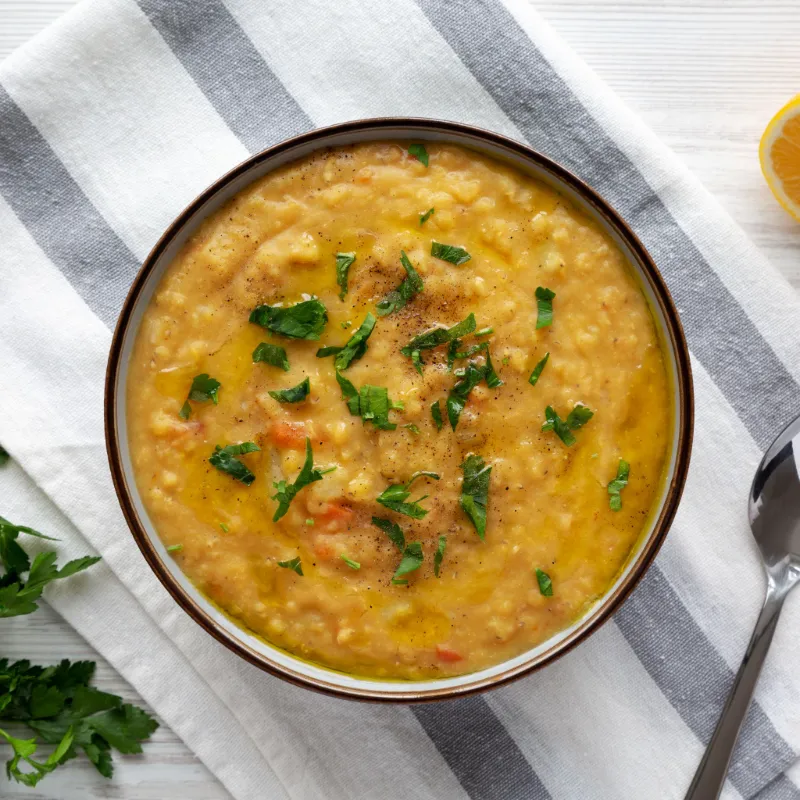
Lentils are a plant based protein powerhouse, and they come with a solid selenium contribution that makes them especially valuable in vegetarian and vegan diets. One cup of cooked lentils gives you around 6 to 7 micrograms of selenium along with a serious hit of fiber and plant protein.
They cook in about 20 minutes with no soaking required, which makes them one of the fastest and most convenient legumes to work with. Lentil soup, lentil tacos, lentil curry, red lentil pasta sauce, they absorb whatever flavors you cook them in.
While lentils are not as selenium dense as fish or meat, they are valuable because they are eaten frequently and in large portions, especially in plant forward diets. Consistency matters as much as concentration.
They are also loaded with folate, iron, and magnesium. Genuinely one of the most nutritious and affordable foods in the entire grocery store.
Nutrition Info (Approximate)
| Serving Size | Selenium | Calories | Protein |
|---|---|---|---|
| 1 cup cooked | 6 mcg | 230 kcal | 18g |
19. Spinach
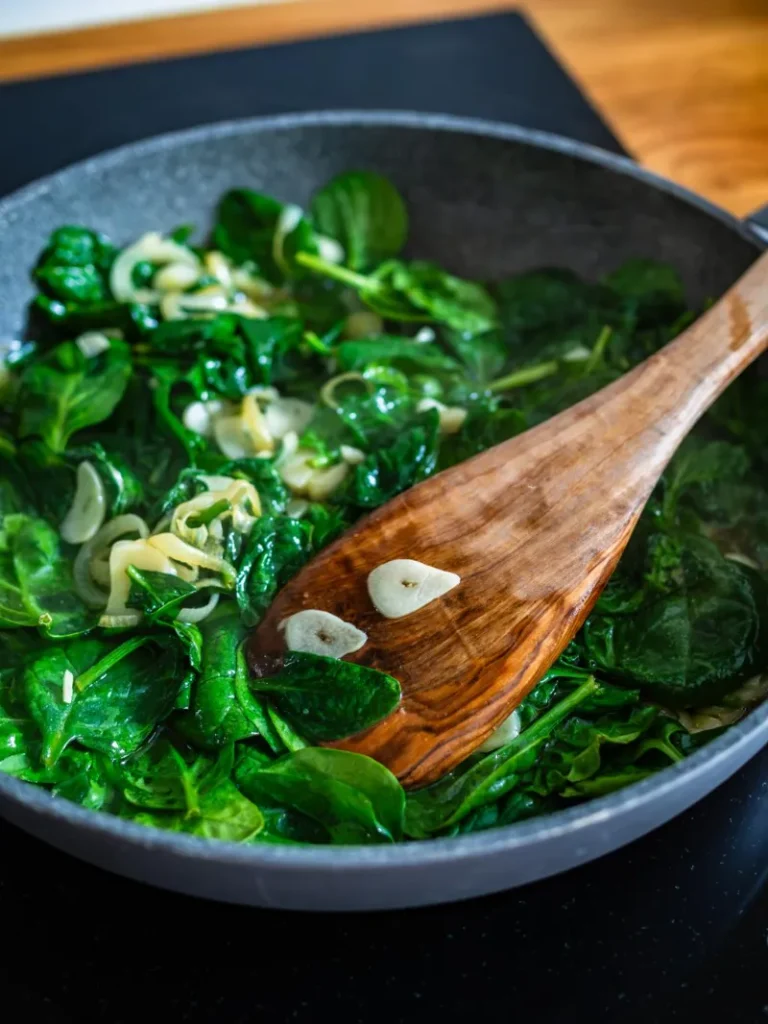
Spinach is a nutritional heavyweight in the vegetable world, and while it is not the highest selenium source on this list, it still contributes a useful amount. One cup of cooked spinach delivers around 3 to 5 micrograms of selenium while packing in iron, vitamin K, folate, and magnesium.
The key with spinach and selenium is that cooking it concentrates both the volume and the nutrient content. A cup of cooked spinach comes from several cups of raw leaves, so you are getting more selenium per eating portion when cooked.
Add spinach to omelets, smoothies, soups, pasta, and grain bowls. It wilts down so dramatically that you can sneak a large amount into almost any dish without changing the flavor much at all.
As part of a diet that includes other selenium rich foods, spinach fits in beautifully and adds its own broad nutritional value to the mix.
Nutrition Info (Approximate)
| Serving Size | Selenium | Calories | Protein |
|---|---|---|---|
| 1 cup cooked | 4 mcg | 41 kcal | 5g |
20. Baked Beans

Baked beans are a classic American comfort food, and they are a more nutritious option than most people realize. A one cup serving provides about 13 to 15 micrograms of selenium along with a great dose of fiber and plant based protein.
Canned baked beans are about as convenient as it gets. Heat them up straight from the can or dress them up with smoked paprika, mustard, and maple syrup for a homemade version that beats the store bought flavor.
Beans in general, including navy beans, black beans, and kidney beans, all contain decent amounts of selenium. Regular bean consumption is one of the simplest ways to nudge your selenium intake higher while supporting gut and heart health.
Serve them alongside eggs at breakfast, on toast for a quick lunch, or as a side at your next cookout. They always belong at the table.
Nutrition Info (Approximate)
| Serving Size | Selenium | Calories | Protein |
|---|---|---|---|
| 1 cup canned | 13 mcg | 239 kcal | 13g |
Final Thoughts
Getting enough selenium does not have to be complicated. A mix of seafood, lean meats, whole grains, and a few plant based options spread throughout your week is honestly all it takes. Start with whichever foods on this list already feel familiar, build from there, and your body will notice the difference.
