
Managing Gout Through Diet: 20 High-Purine Foods to Know
Purines are natural substances found in many everyday foods, especially meats and seafood. When your body breaks them down, they form uric acid. Most people process uric acid without problems. But if you are prone to gout or have high uric acid levels, eating too many high purine foods can trigger painful flare ups. That does not mean you have to avoid them completely. It just means understanding what you are eating and keeping portions in check.
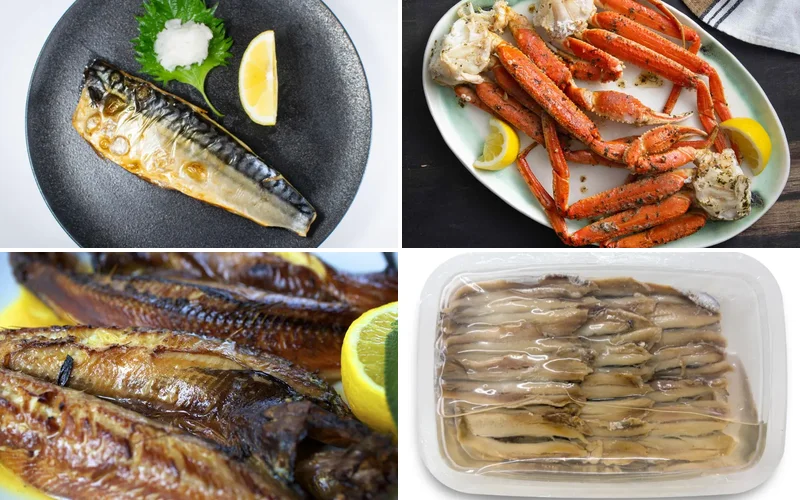
Below are 20 purine rich foods commonly eaten across the United States. Each includes basic nutrition information and a broader look at how they fit into a typical American diet.
1. Liver
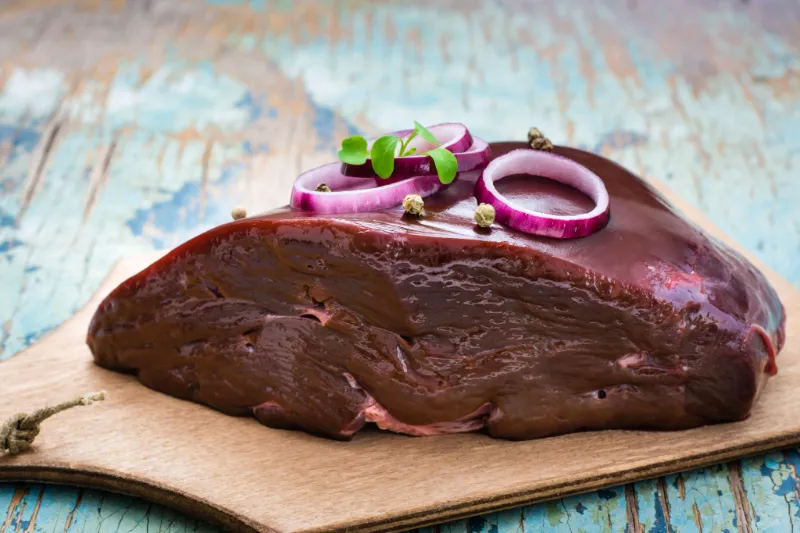
Beef liver is one of the most concentrated sources of purines. A 3 ounce cooked serving has about 185 calories, 23 grams of protein, 5 grams of fat, and high amounts of vitamin A, iron, and vitamin B12. It is extremely nutrient dense but also extremely high in purines.
In American cooking, liver is often pan fried with onions or blended into pâté style spreads. While it offers impressive nutrition, it is usually recommended only in small amounts for people concerned about gout because it can significantly raise uric acid levels.
2. Anchovies
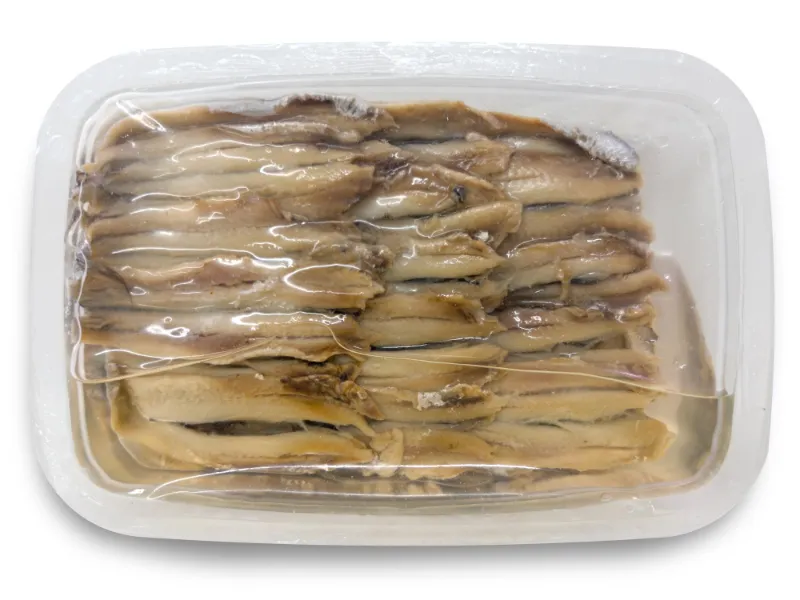
Anchovies are tiny saltwater fish that pack a nutritional punch. A 2 ounce serving contains roughly 90 calories, 13 grams of protein, 4 grams of fat, and beneficial omega 3 fatty acids. They are also very high in sodium.
They are commonly used on pizza, mixed into pasta sauces, or blended into Caesar dressing. Because they are small and concentrated, their purine content is high even in small portions. A little goes a long way both in flavor and purine load.
3. Sardines
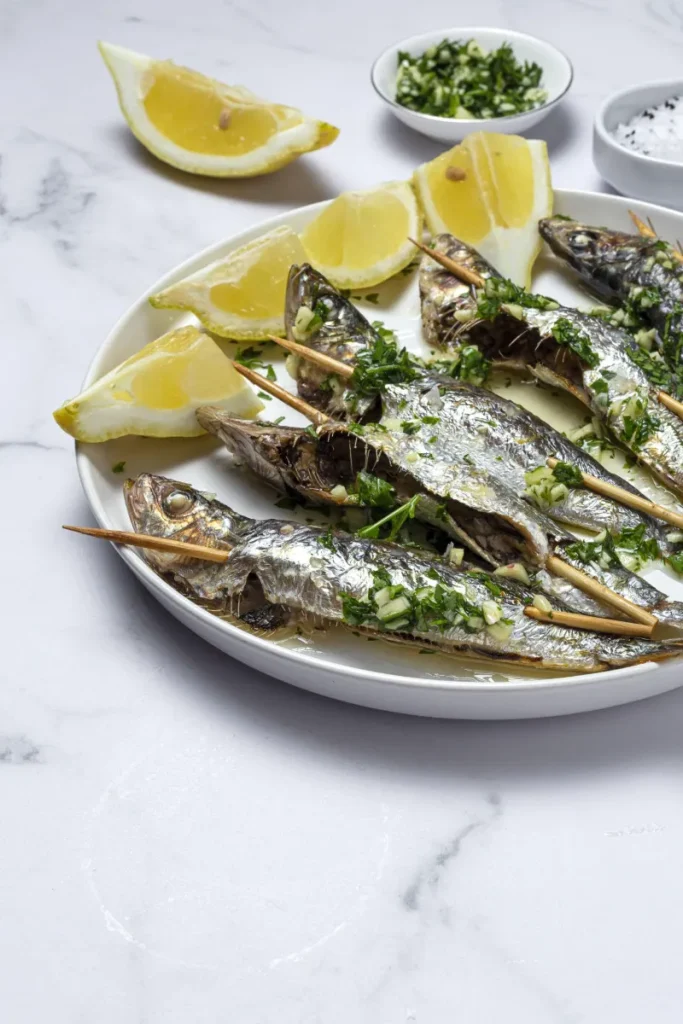
Sardines are oily fish that are also high in purines. A 3 ounce serving provides around 190 calories, 22 grams of protein, 10 grams of fat, along with calcium and vitamin D if the bones are included.
In the United States, sardines are usually sold canned in water, olive oil, or mustard sauce. They are affordable and heart healthy, but people managing uric acid may need to limit how frequently they eat them.
4. Mackerel
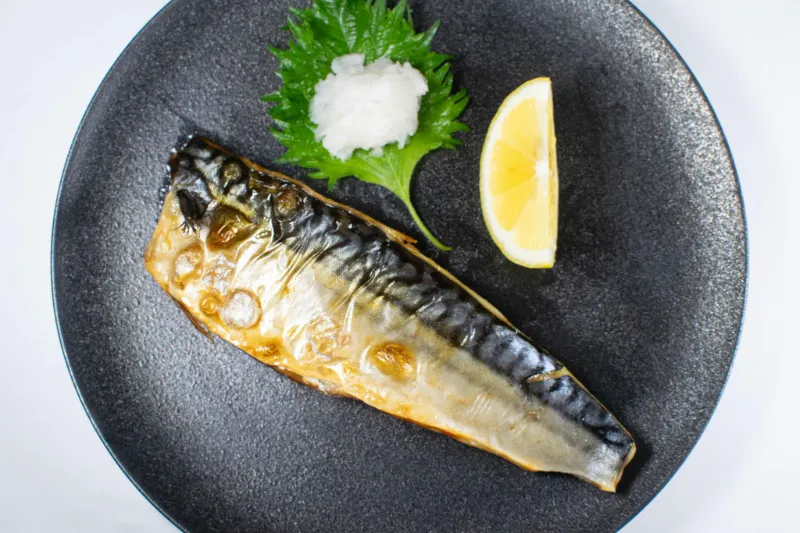
Mackerel is rich, flavorful, and dense in nutrients. A 3 ounce cooked portion contains about 220 calories, 20 grams of protein, and 15 grams of fat, much of it heart healthy omega 3 fat.
Often grilled or smoked, mackerel is praised for cardiovascular benefits. However, its moderate to high purine content means it may not be ideal in large or frequent servings for those with gout.
5. Herring
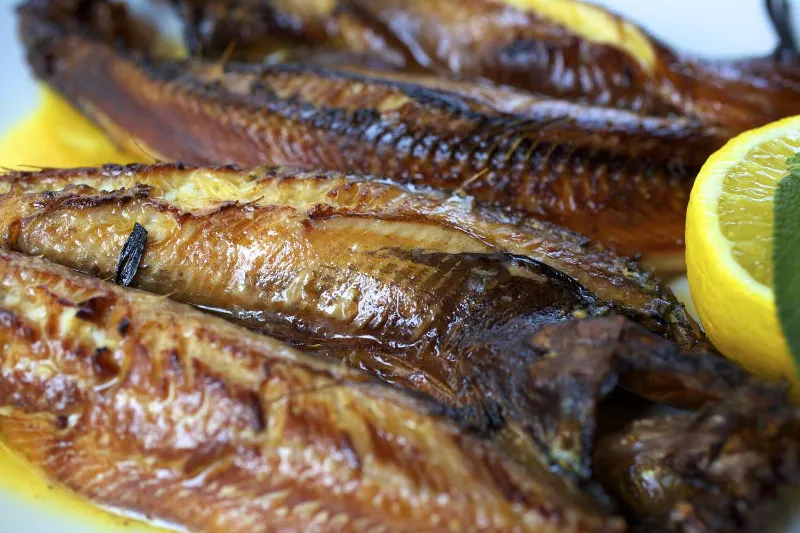
Herring provides about 170 calories, 20 grams of protein, and 9 grams of fat per 3 ounce serving. It is rich in selenium, vitamin D, and omega 3 fatty acids.
Pickled herring and smoked herring are traditional preparations that are still popular in some American households. Despite its benefits, it carries a high purine load that can contribute to elevated uric acid.
6. Mussels
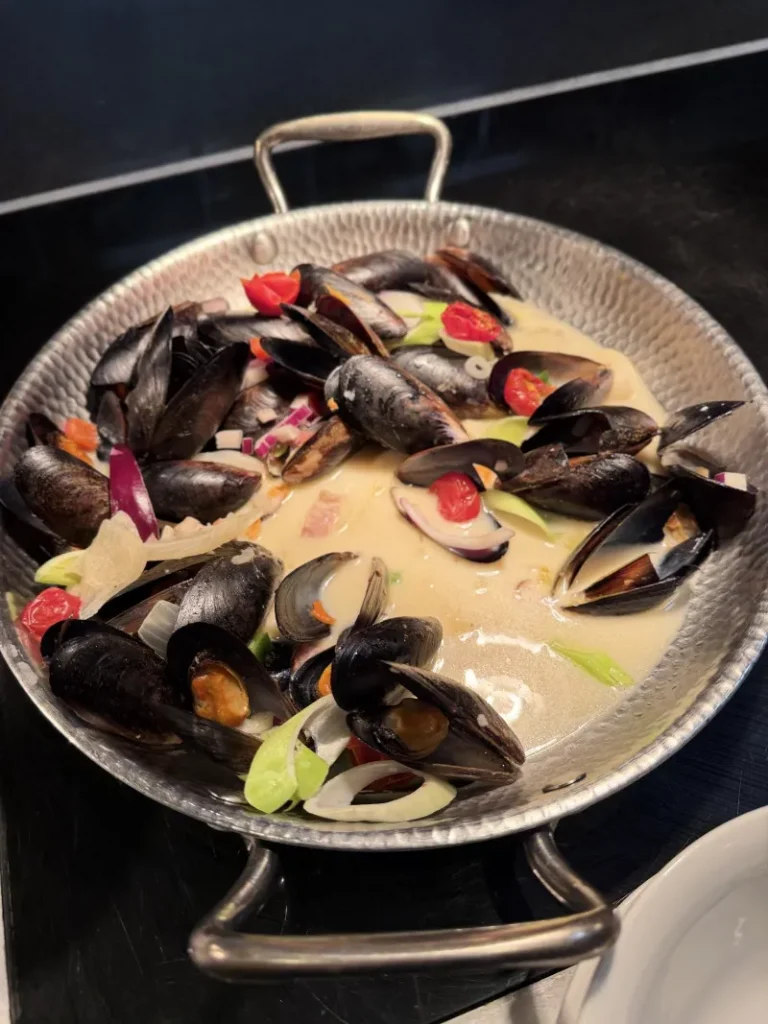
Mussels are shellfish with significant purine content. A 3 ounce cooked serving offers roughly 150 calories, 20 grams of protein, and 4 grams of fat, along with iron and vitamin B12.
They are often steamed with garlic, white wine, and herbs. Mussels are lean and packed with nutrients, but their purine density makes moderation important for those with gout concerns.
7. Scallops

Scallops are considered moderately high in purines. A 3 ounce portion contains about 95 calories, 18 grams of protein, and less than 1 gram of fat.
They are commonly seared in a hot skillet and served over pasta or vegetables. Even though scallops are light and low in fat, they still contribute to overall purine intake.
8. Shrimp
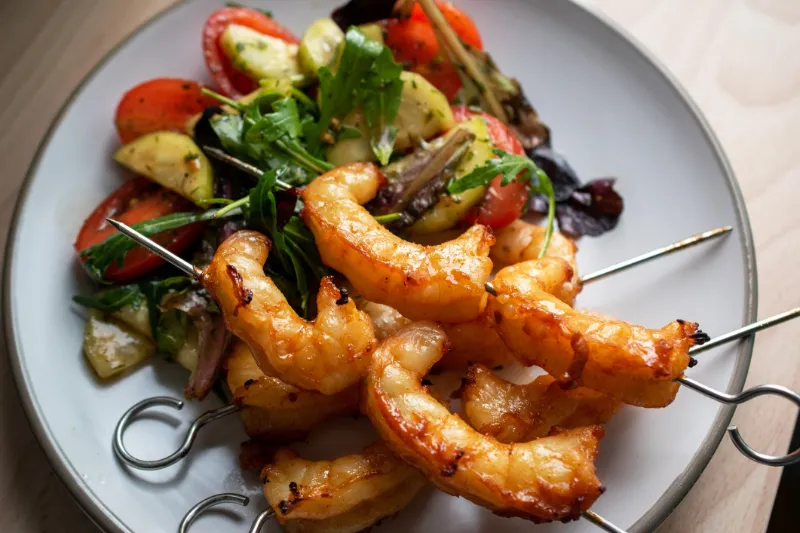
Shrimp delivers around 100 calories, 20 grams of protein, and 1 gram of fat per 3 ounce cooked serving. It is also a good source of selenium and iodine.
From shrimp cocktail to Southern seafood boils, shrimp is a staple in many American dishes. Its purine levels are moderate, so regular large servings could impact uric acid levels over time.
9. Beef Kidney
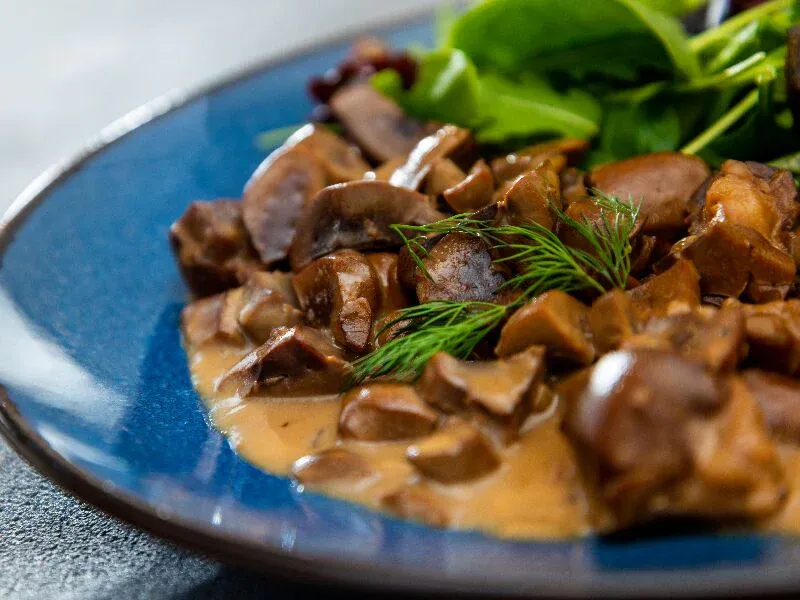
Beef kidney is another organ meat high in purines. A 3 ounce serving contains about 160 calories, 23 grams of protein, and 4 grams of fat, along with iron and B vitamins.
Though not as common today, kidney appears in traditional recipes like steak and kidney pie. Due to its high purine concentration, it should be eaten sparingly by those sensitive to uric acid spikes.
10. Venison
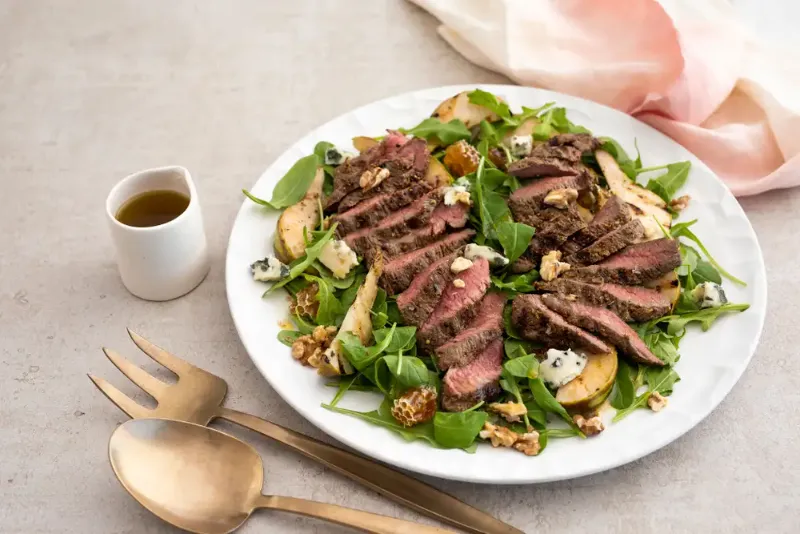
Venison is lean wild game meat with around 135 calories, 26 grams of protein, and 3 grams of fat per 3 ounce serving. It is high in iron and zinc.
In the U.S., venison is often grilled, roasted, or used in chili. Even though it is leaner than beef, it still carries a moderate purine content that can affect gout sufferers.
11. Turkey
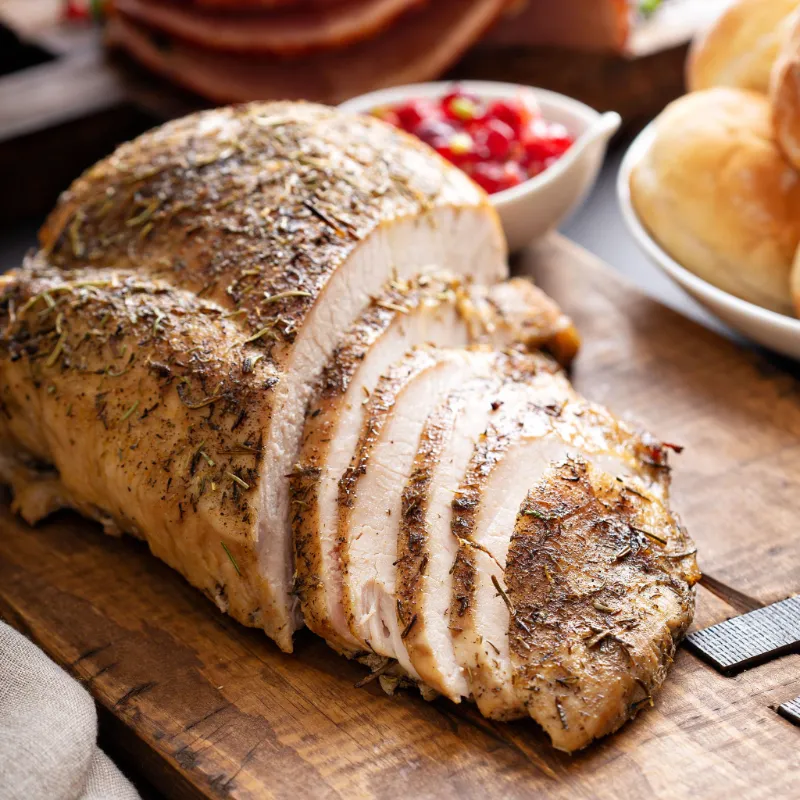
Turkey, especially dark meat, contains moderate purines. A 3 ounce serving has about 170 calories, 21 grams of protein, and around 9 grams of fat depending on the cut.
Common at Thanksgiving and in deli sandwiches, turkey is generally considered healthy. Still, portion control matters for individuals monitoring uric acid levels.
12. Bacon
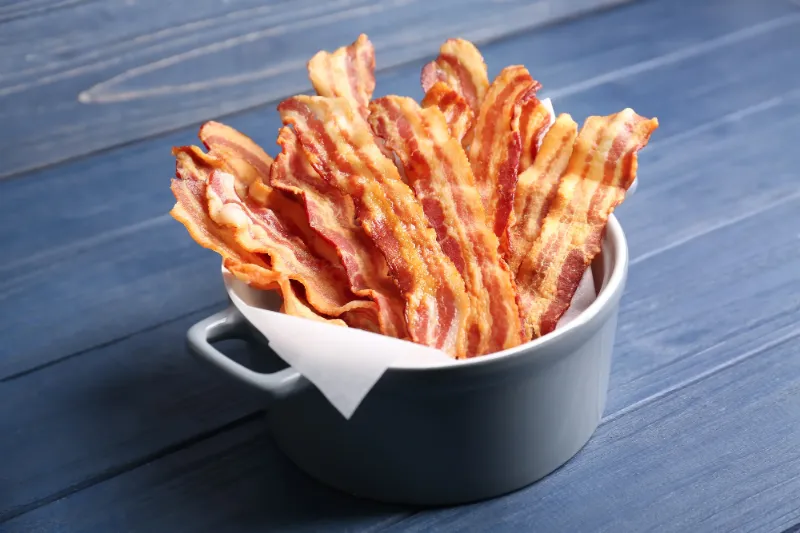
Two slices of cooked bacon provide roughly 90 calories, 6 grams of protein, and 7 grams of fat, much of it saturated. Bacon also contains moderate purines and high sodium.
It is a breakfast favorite across the country. While tasty, it combines purines with processed fats and salt, which may complicate health goals if eaten frequently.
13. Trout
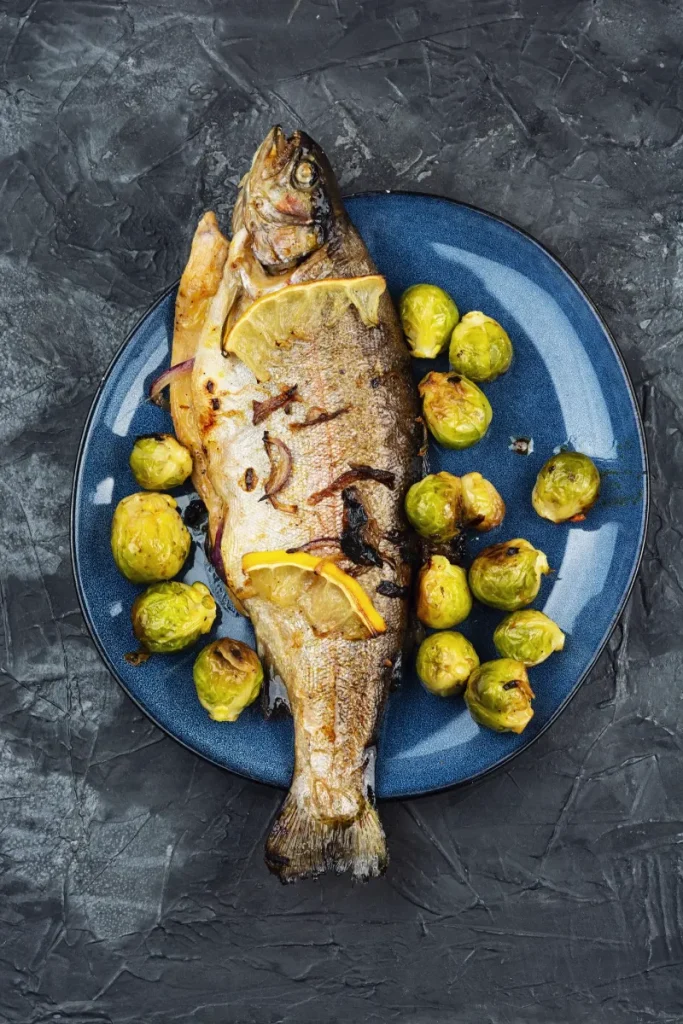
Trout offers about 140 calories, 20 grams of protein, and 6 grams of fat per 3 ounces. It supplies omega 3 fats and vitamin D.
Usually baked, grilled, or pan fried, trout is both flavorful and nutritious. However, it ranks moderately high in purines, so consistent large portions may not be ideal for gout management.
14. Tuna
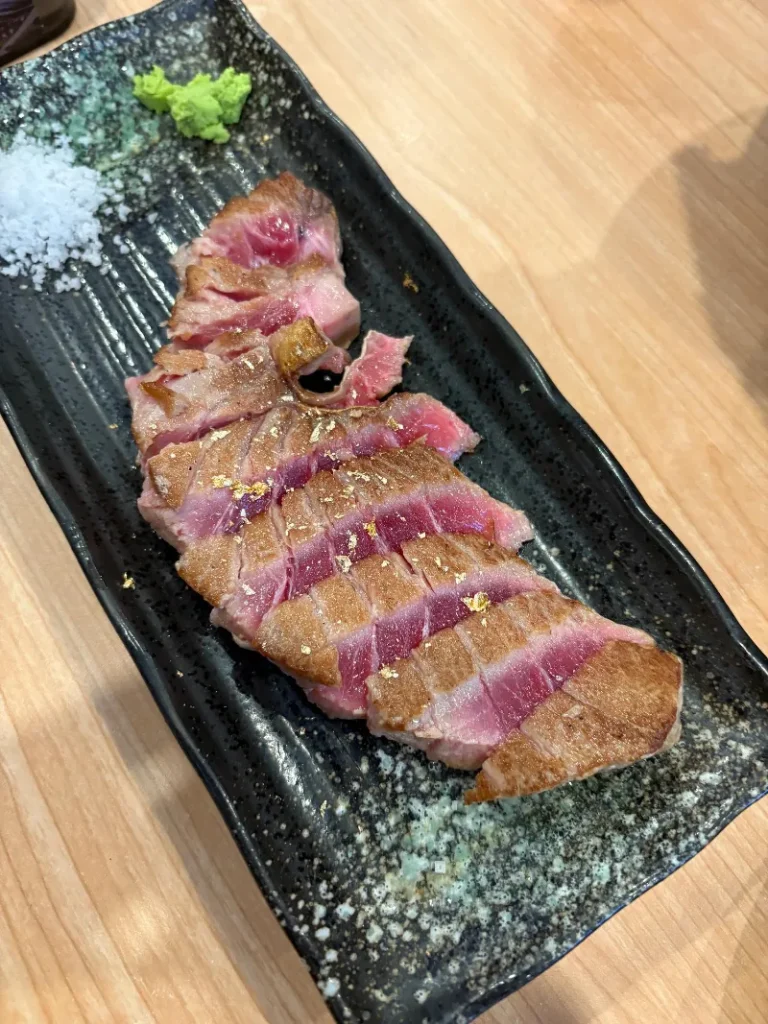
Tuna, especially canned light tuna, contains around 110 calories, 25 grams of protein, and 1 gram of fat per 3 ounce serving. It is lean and high in selenium.
Tuna salad sandwiches and protein bowls are everyday staples. Even though it is low in fat, its moderate purine level can add up if eaten daily in large amounts.
15. Crab
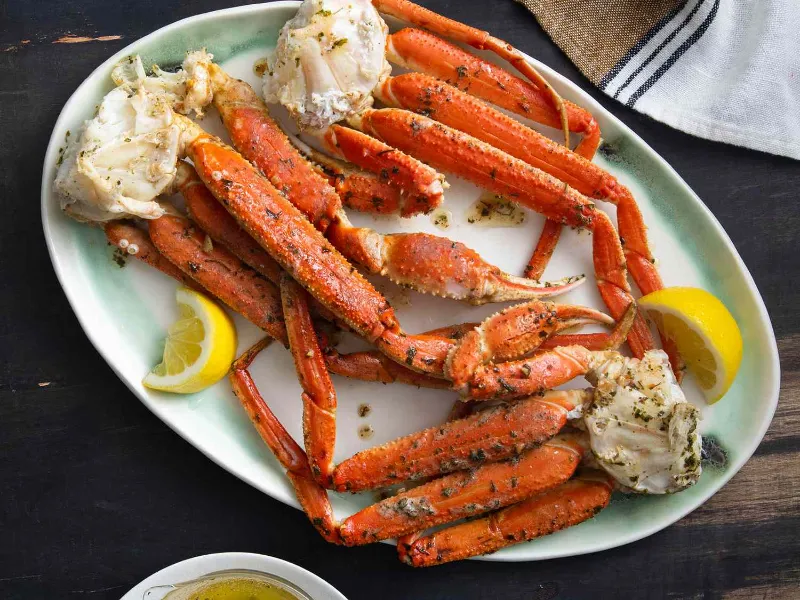
Crab meat provides about 95 calories, 19 grams of protein, and 1 gram of fat per 3 ounces. It is rich in vitamin B12 and zinc.
From crab cakes to seafood boils, crab is popular in coastal states. While relatively low in fat, it still contributes moderate purines to your diet.
16. Lobster

Lobster contains about 100 calories, 19 grams of protein, and 1 gram of fat in a 3 ounce serving. It also provides copper and selenium.
Often enjoyed steamed with melted butter, lobster feels indulgent. Its moderate purine content means that enjoying it occasionally is usually better than frequent servings for gout prone individuals.
17. Duck
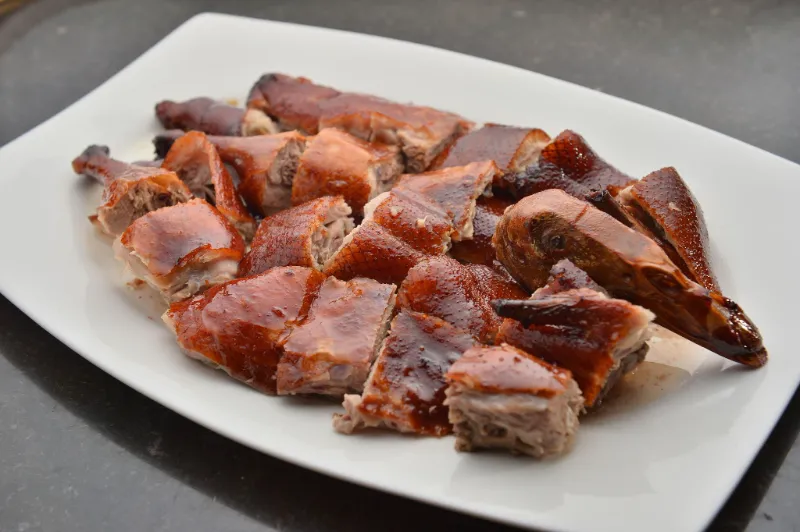
Duck meat offers roughly 200 calories, 19 grams of protein, and 15 grams of fat per 3 ounces, especially when eaten with skin.
It is often roasted to achieve crispy skin and rich flavor. Duck contains moderate purines, and because it is also higher in fat, it is generally best reserved for occasional meals.
18. Lamb
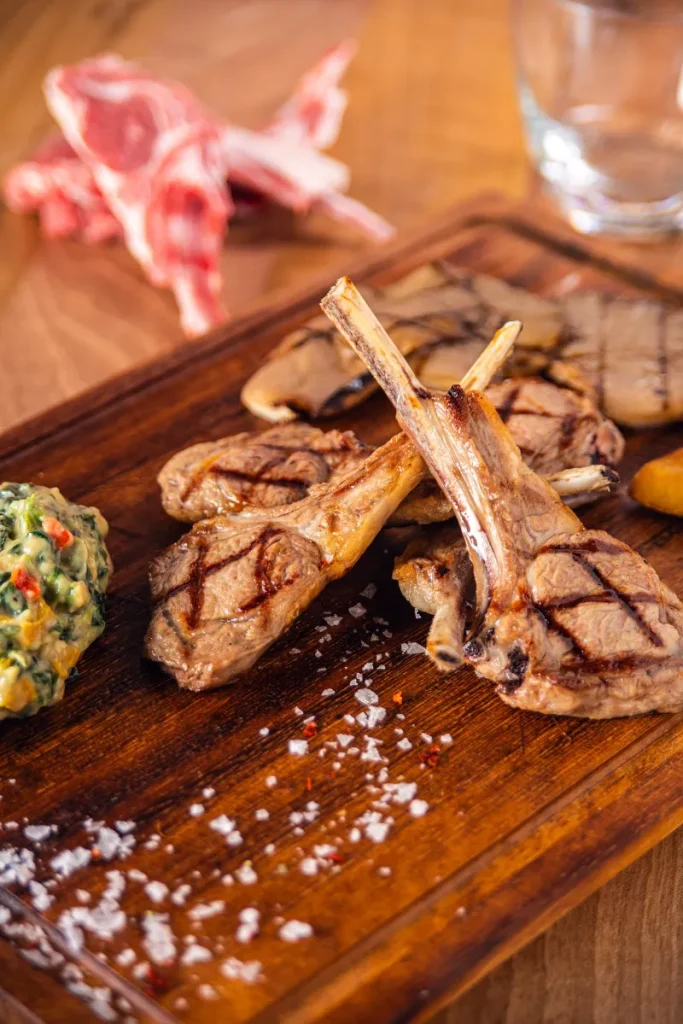
Lamb delivers about 175 calories, 23 grams of protein, and 9 grams of fat per 3 ounces. It is a strong source of iron and zinc.
Grilled lamb chops and roasted leg of lamb are popular in many American homes. Its moderate purine content means mindful portions are important.
19. Pork

A 3 ounce serving of pork contains around 180 calories, 22 grams of protein, and 10 grams of fat depending on the cut. Pork is also rich in thiamine.
From pork chops to pulled pork sandwiches, this meat is widely enjoyed. Certain cuts have moderate purine levels, so balancing intake with lower purine foods is helpful.
20. Game Meats
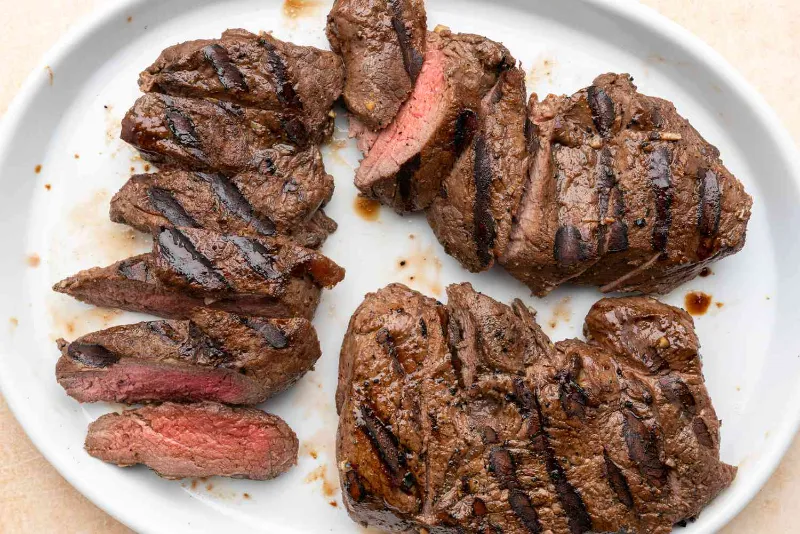
Game meats such as bison and elk generally contain between 130 and 180 calories and more than 22 grams of protein per 3 ounce serving. They are lean and nutrient dense.
Even though they are often marketed as healthier alternatives to beef, many game meats are moderate to high in purines. Grilled burgers or steaks made from these meats should be eaten thoughtfully if you are managing gout.
Final Thoughts
Purine rich foods are often packed with protein and essential nutrients, which makes them appealing choices in a typical American diet. The key is not elimination but balance. If you have gout or high uric acid, focus on portion control, hydration, and a diet that includes fruits, vegetables, low fat dairy, and whole grains. Small adjustments can make a big difference in long term comfort and health.
