
20 Top High-Fiber Superfoods for Optimal Health & Digestion
High fiber foods are one of the easiest upgrades you can make to your diet. Fiber supports digestion, helps manage cholesterol, balances blood sugar, and keeps you feeling full longer. Yet most people in the United States fall short of the daily recommendation of 25 grams for women and 38 grams for men. The good news is that fiber rich foods are widely available, affordable, and easy to cook with. Here are 20 high fiber foods, each with nutrition highlights and simple meal ideas you can use every day.

1. Lentils
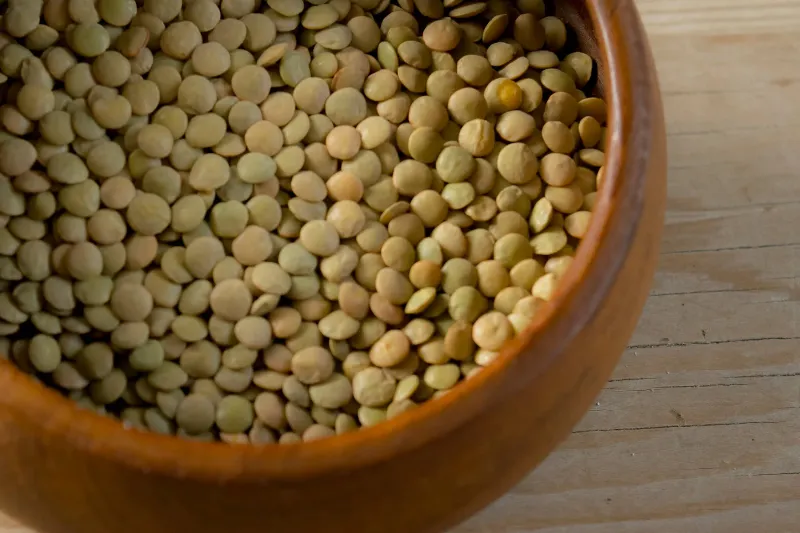
Lentils deliver about 15 to 16 grams of fiber per cooked cup, along with roughly 18 grams of protein and only about 230 calories. They are also rich in iron, folate, and potassium, making them a nutrient dense option for plant based meals.
They work beautifully in soups, stews, and chili. You can also season cooked lentils with taco spices for a hearty filling. Since they cook in about 20 minutes without soaking, they are ideal for busy weeknights.
2. Black Beans
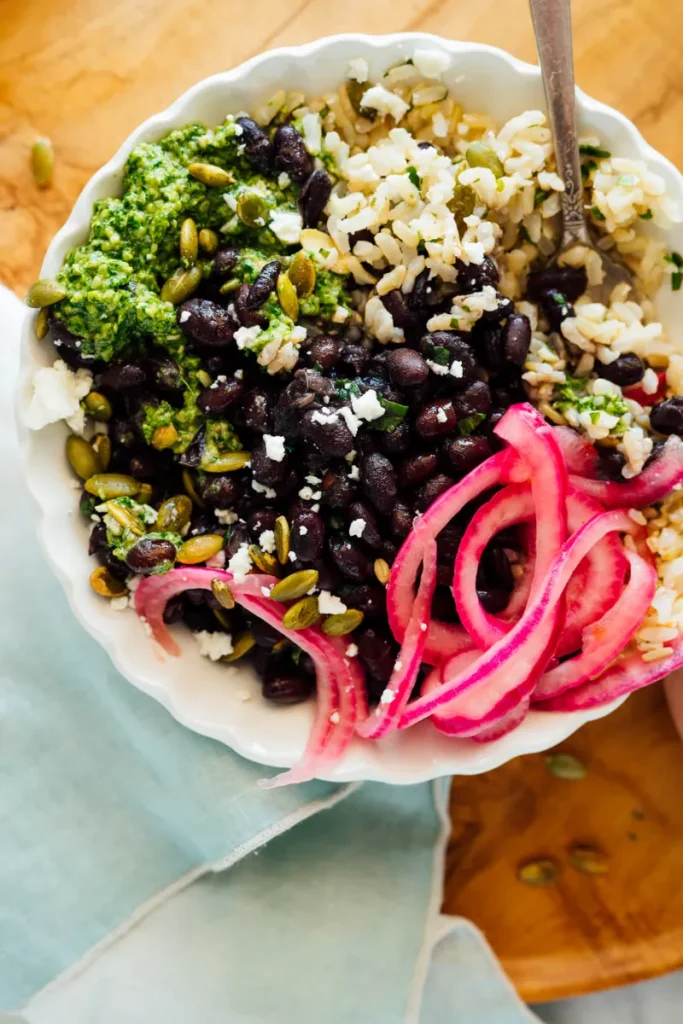
Black beans provide around 15 grams of fiber and 15 grams of protein per cooked cup, with about 225 calories. They also contain magnesium, folate, and antioxidants.
Add them to burritos, rice bowls, or salads for a filling boost. You can also blend them with garlic, cumin, and lime for a quick homemade dip that pairs well with veggies.
3. Chia Seeds

Just 2 tablespoons of chia seeds contain about 10 grams of fiber, 4 grams of protein, 140 calories, and plenty of omega 3 fatty acids.
Stir them into milk to create chia pudding, or sprinkle over yogurt and oatmeal. They thicken naturally when soaked, making them perfect for quick breakfasts you can prep ahead.
4. Oats
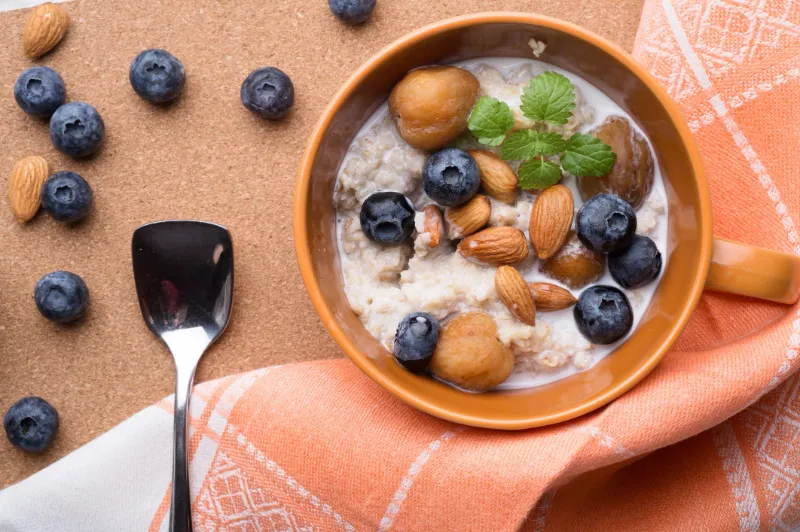
One cup of cooked oatmeal has about 4 grams of fiber and 150 calories. Oats are especially high in beta glucan, a type of soluble fiber that may help lower cholesterol.
Oats are perfect for breakfast bowls topped with berries and nuts. You can also use oats in smoothies or homemade energy bites for a fiber rich snack.
5. Raspberries
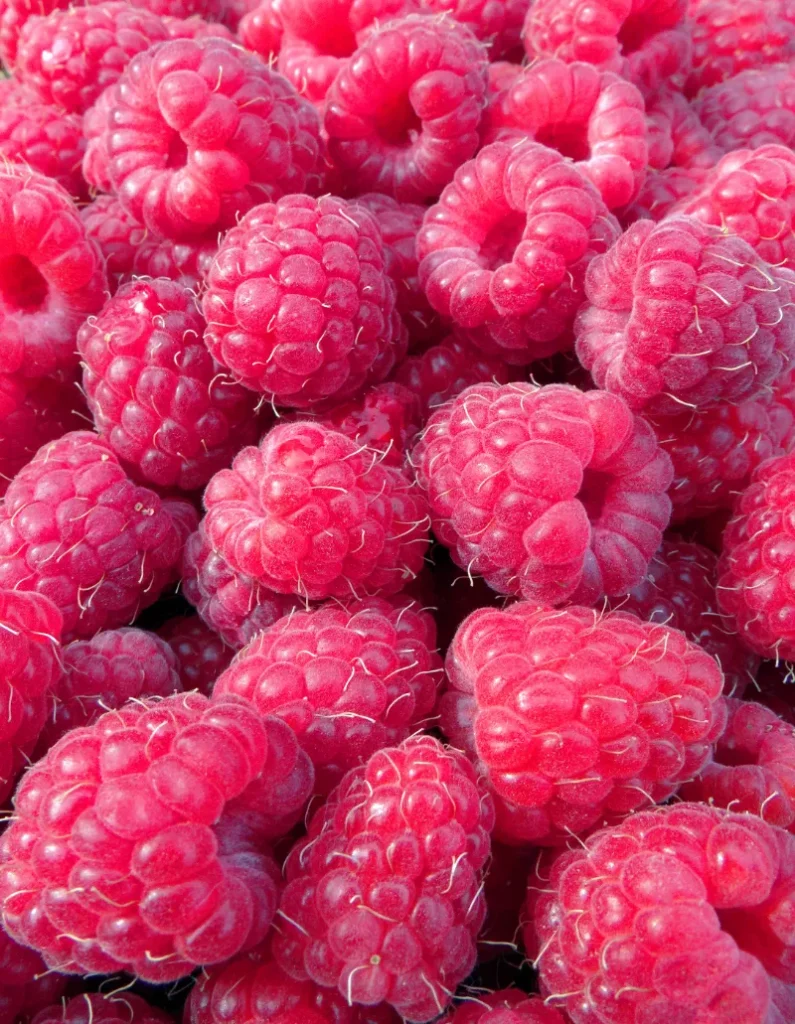
Raspberries stand out with about 8 grams of fiber per cup and just 65 calories. They are also high in vitamin C and manganese.
Enjoy them fresh, frozen, or blended into smoothies. They add natural sweetness and vibrant color to yogurt parfaits or whole grain cereal.
6. Pears
One medium pear with skin contains about 5 to 6 grams of fiber and roughly 100 calories. Pears also supply vitamin C and potassium.
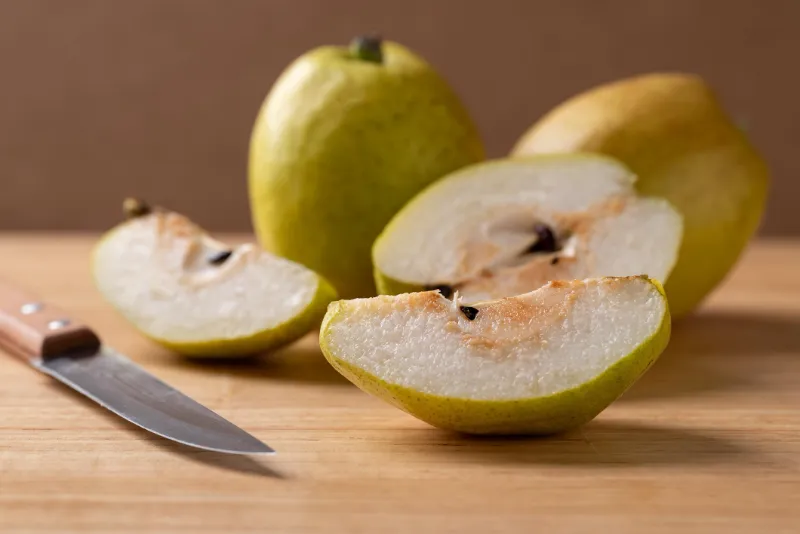
Slice pears into salads with walnuts and goat cheese or enjoy them as a portable snack. Keeping the skin on helps maximize fiber intake.
7. Apples
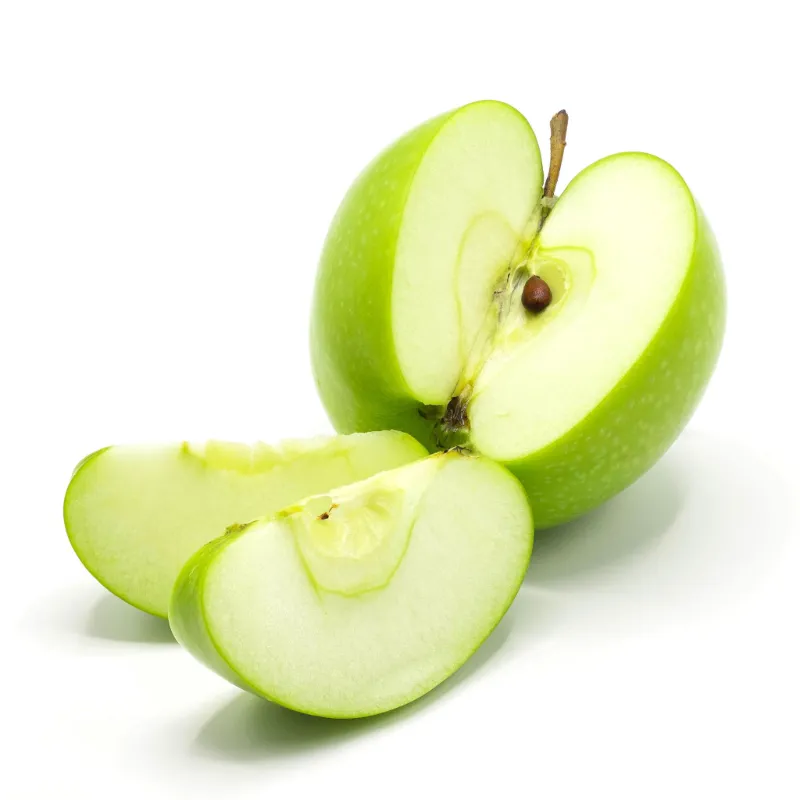
A medium apple with skin provides about 4 grams of fiber and 95 calories. Apples also contain vitamin C and beneficial plant compounds.
They are great on their own or paired with peanut butter for balance. Chopped apples also work well in oatmeal and baked dishes.
8. Broccoli
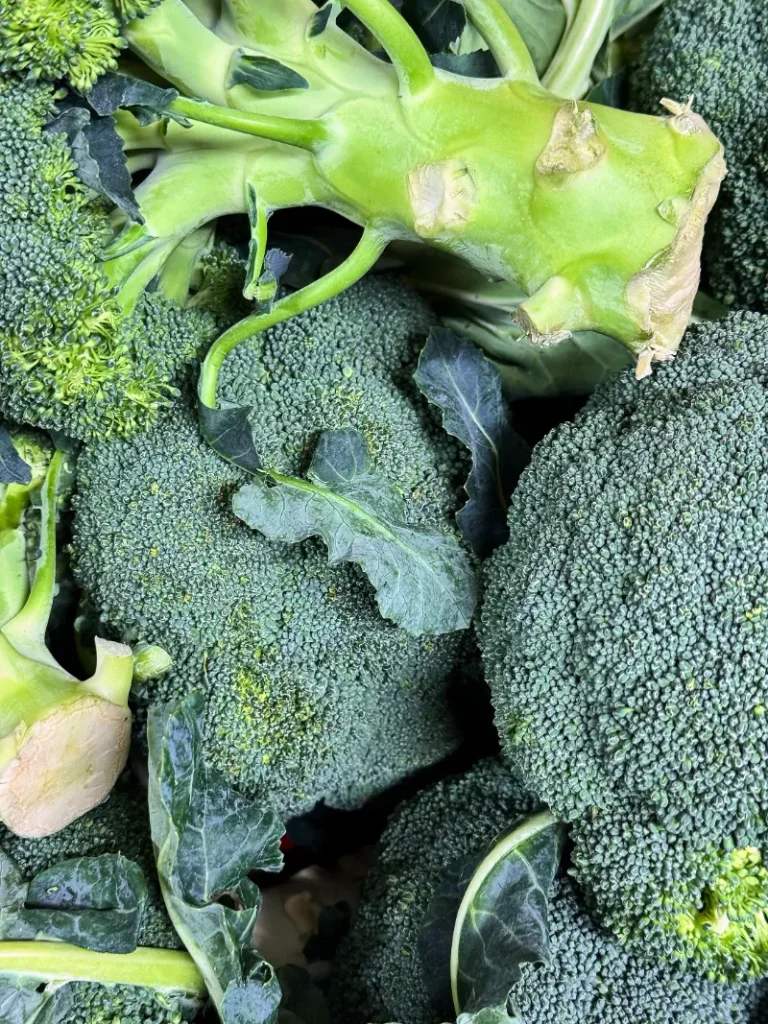
One cup of cooked broccoli offers about 5 grams of fiber and 55 calories. It is packed with vitamin C, vitamin K, and folate.
Roast broccoli with olive oil and garlic for a simple side dish. You can also mix it into pasta, casseroles, or stir fries for extra nutrients.
9. Brussels Sprouts
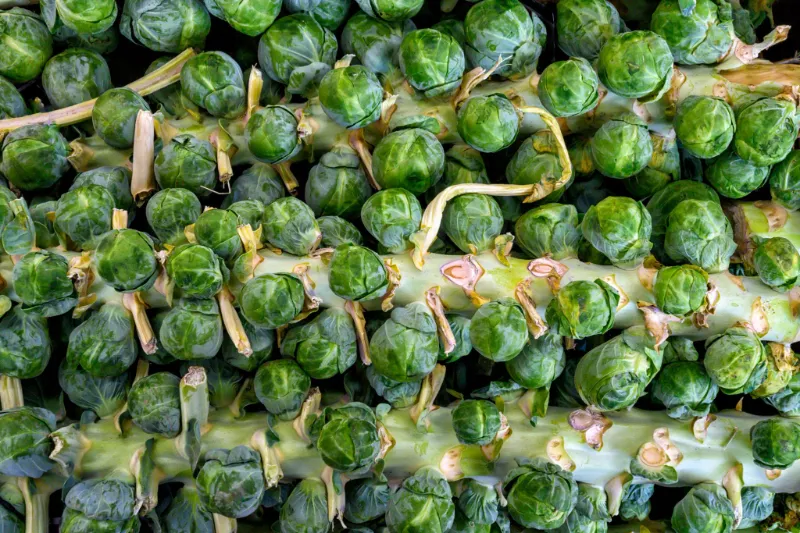
Brussels sprouts contain roughly 4 grams of fiber per cooked cup and about 40 calories. They are rich in vitamin C and antioxidants.
Roast them until golden and slightly crispy for the best flavor. They pair well with lean meats or can be tossed into grain bowls.
10. Sweet Potatoes

One medium sweet potato with skin provides about 4 grams of fiber and around 105 calories. It is also very high in vitamin A and potassium.
Bake and top with black beans and salsa for a fiber packed meal. You can also cube and roast them for salads or side dishes.
11. Avocado

Half an avocado contains around 5 grams of fiber and 120 calories, along with heart healthy monounsaturated fats and potassium.
Spread on whole grain toast or cube into salads and tacos. Avocado adds creaminess and makes meals more satisfying without heavy sauces.
12. Quinoa
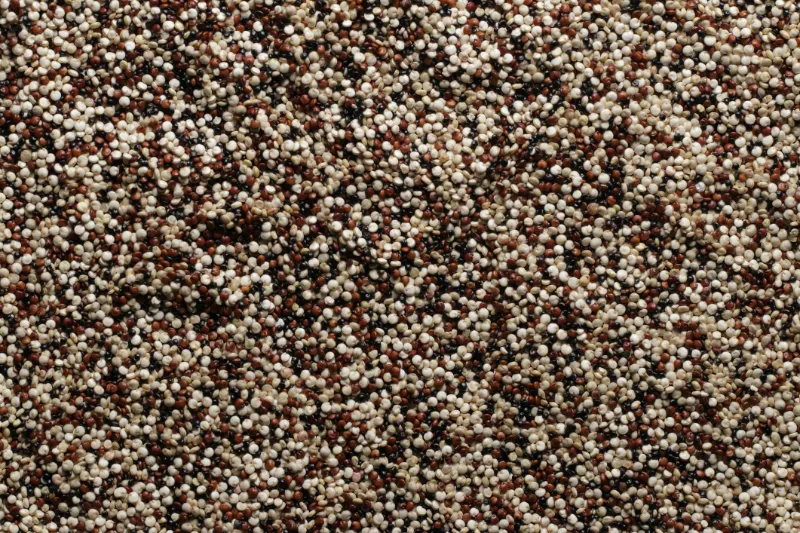
One cup of cooked quinoa has about 5 grams of fiber, 8 grams of protein, and around 220 calories. It also offers magnesium and iron.
Use quinoa as a base for grain bowls with roasted vegetables and beans. It cooks quickly and works as a substitute for white rice.
13. Barley
Cooked barley delivers roughly 6 grams of fiber per cup and about 190 calories. It contains beta glucan, which supports heart health.
Add barley to soups and stews for extra texture. It can also replace refined grains in side dishes.
14. Chickpeas
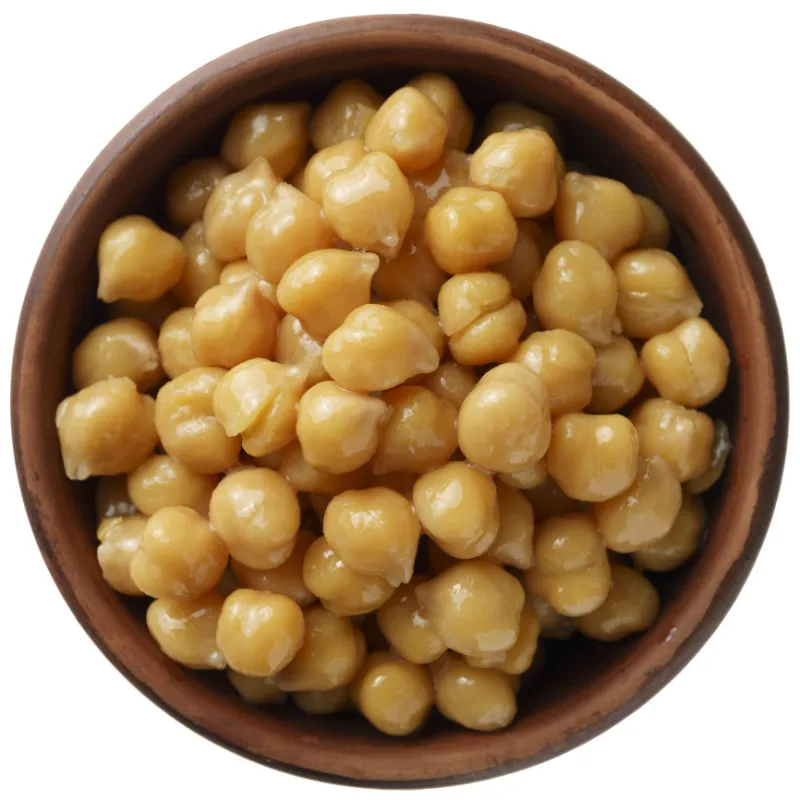
One cooked cup of chickpeas provides about 12 grams of fiber, 14 grams of protein, and roughly 270 calories.
Roast chickpeas with spices for a crunchy snack, or blend them into hummus. They are also great tossed into salads and curries.
15. Almonds
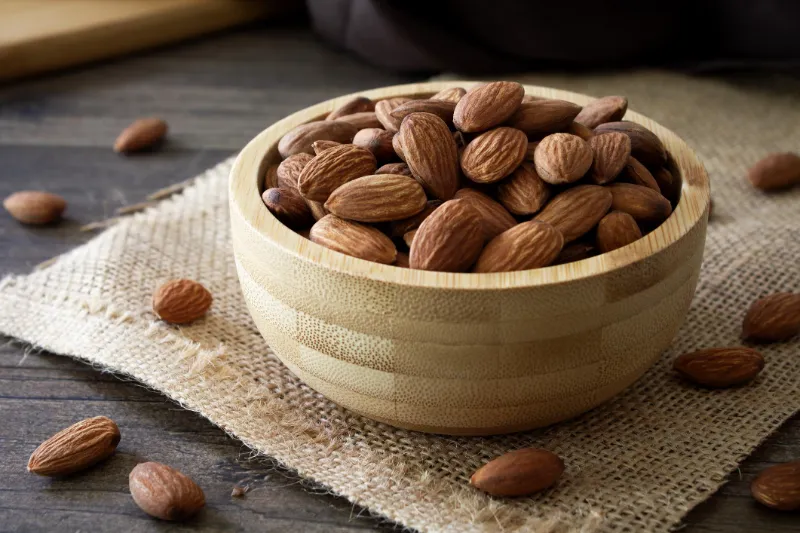
One ounce of almonds offers about 3.5 grams of fiber, 6 grams of protein, and around 165 calories. They are high in vitamin E and healthy fats.
Keep a small handful on hand for snacks. Chopped almonds add crunch to oatmeal, yogurt, or even roasted vegetables.
16. Flaxseeds
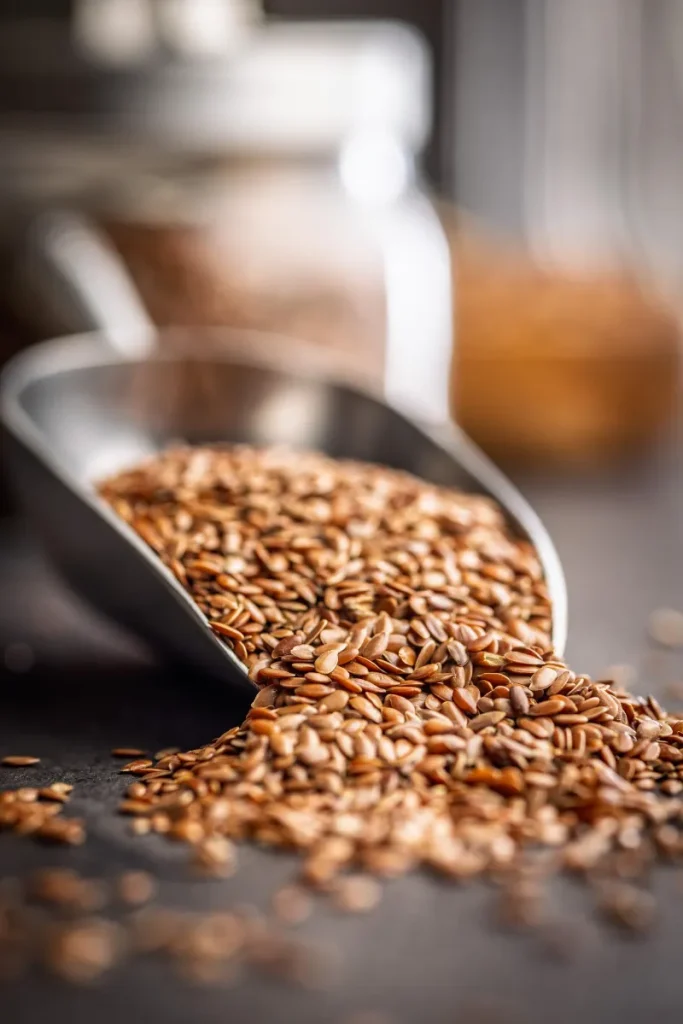
One tablespoon of ground flaxseeds contains around 2 to 3 grams of fiber and about 35 calories, plus omega 3 fats.
Mix ground flax into smoothies, oatmeal, or pancake batter. Grinding them helps your body absorb the nutrients more effectively.
17. Whole Wheat Pasta
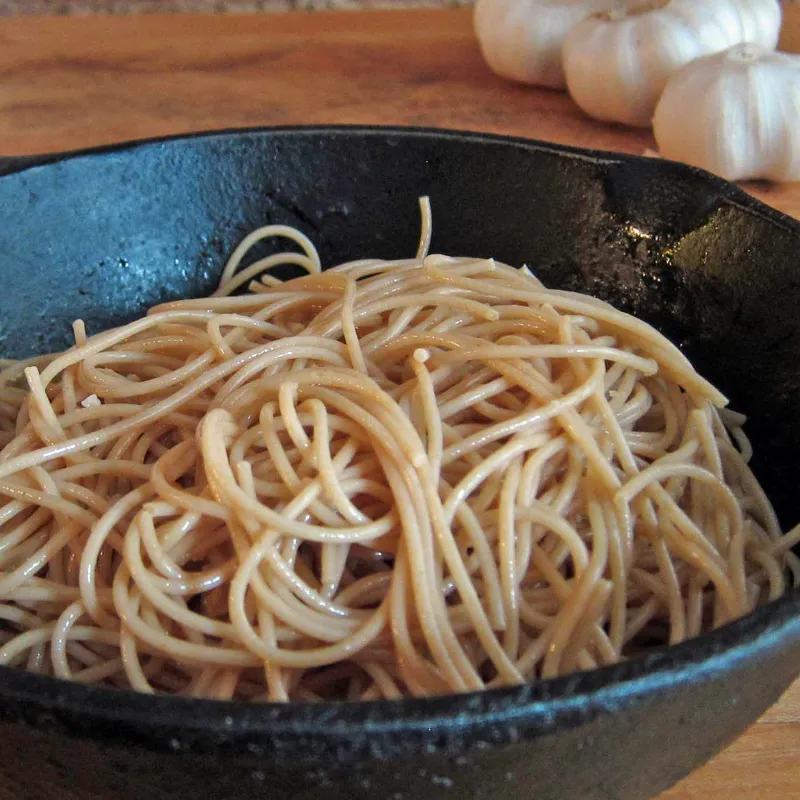
One cup of cooked whole wheat pasta provides around 6 grams of fiber and about 180 calories, compared to much less in white pasta.
Pair it with tomato sauce, sautéed spinach, mushrooms, and lean protein for a filling dinner. It is an easy swap that boosts fiber without changing your favorite recipes too much.
18. Brown Rice
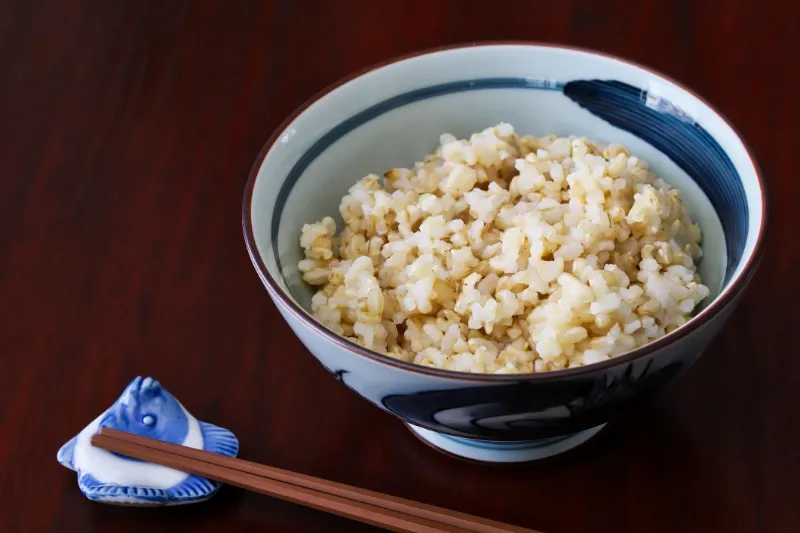
One cup of cooked brown rice contains about 3.5 grams of fiber and roughly 215 calories. It also supplies magnesium and selenium.
Use brown rice in stir fries or burrito bowls. The nutty taste and chewy texture make meals more satisfying.
19. Popcorn
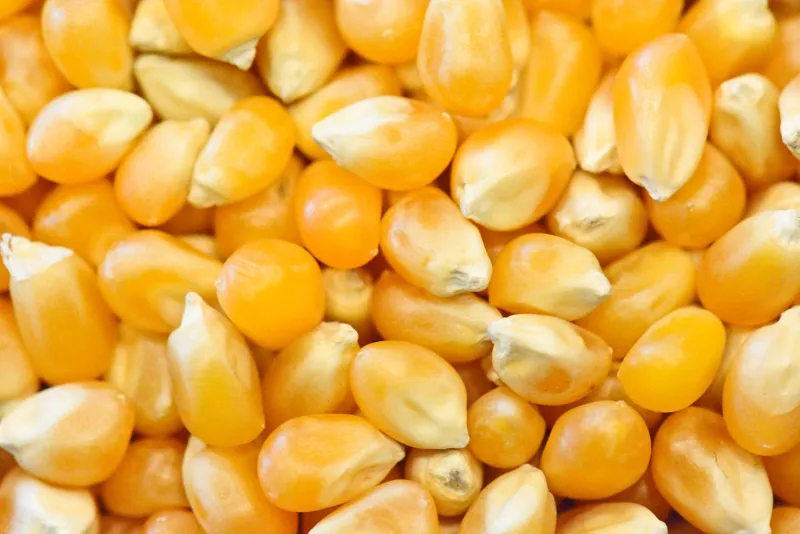
Three cups of air popped popcorn deliver about 3.5 grams of fiber for around 90 to 100 calories. It is a whole grain when prepared without excess butter.
Season lightly with spices instead of heavy toppings. It is an affordable and fiber friendly snack option for movie nights at home.
20. Edamame
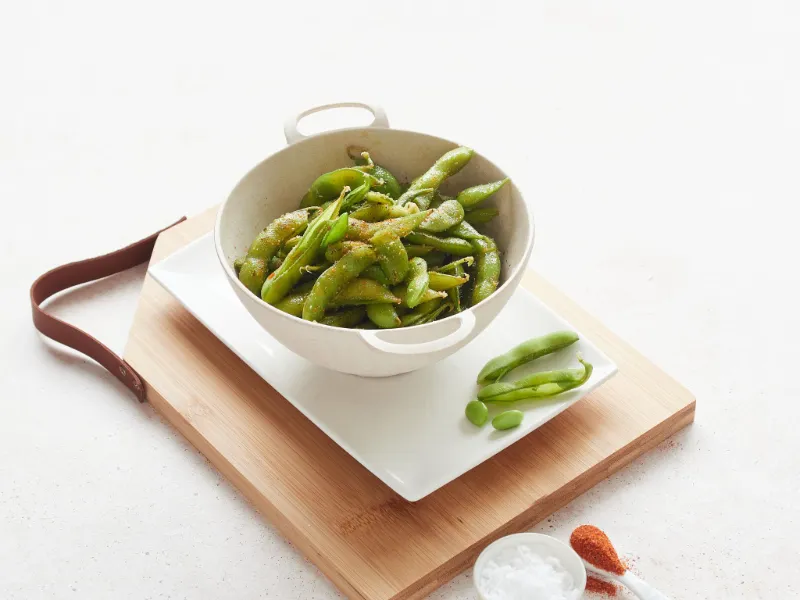
One cup of cooked edamame offers about 8 grams of fiber, 17 grams of protein, and roughly 190 calories. It is also rich in folate and iron.
Steam and sprinkle with sea salt for a quick snack. Shelled edamame also works well in salads, rice bowls, and stir fries for added texture and nutrition.
Final Thoughts
Boosting your fiber intake can be simple when you focus on whole foods like beans, fruits, vegetables, nuts, and whole grains. Start by adding one or two of these foods to your daily routine and increase gradually while drinking plenty of water. With consistency, you will likely notice better digestion, steadier energy, and improved overall health.
