
25 Collagen-Rich Foods to Boost Your Health Naturally
If you have been thinking about supporting your skin, joints, or gut health, collagen is probably already on your radar. And while collagen supplements are everywhere these days, the truth is that your diet can do a lot of the heavy lifting on its own.

The foods you eat every day directly affect how much collagen your body produces and how well it maintains what it already has. Some foods contain collagen directly. Others give your body the nutrients it needs to make more of its own. Either way, you win.
Here are 25 collagen rich foods that are easy to find, simple to include in your meals, and genuinely backed by research. Start adding a few of these to your routine and you will be giving your body exactly what it needs to stay strong, elastic, and resilient.
1. Bone Broth

Bone broth is basically liquid gold for your skin and joints. It is made by simmering animal bones for hours, and what you get is a rich, deeply savory broth packed with collagen, gelatin, and amino acids like glycine and proline. Those are the exact building blocks your body uses to make collagen.
You can sip it warm like a cup of tea, use it as a soup base, or add it to grains when cooking. It is one of the most bioavailable collagen sources out there, meaning your body actually absorbs and uses it efficiently. Homemade or store bought, both work great.
People who drink bone broth regularly often notice improvements in skin elasticity and joint comfort over time. It is gentle on digestion too, which makes it a great daily habit to build around.
| Nutrient | Per 1 Cup (240ml) |
| Calories | 35 kcal |
| Protein | 9g |
| Collagen Peptides | 10g (approx) |
| Glycine | 1.2g |
| Sodium | 300mg |
2. Chicken

Chicken is one of the most accessible collagen rich foods you can add to your diet. The connective tissue in chicken, especially around the joints, tendons, and skin, is loaded with type II collagen, which is particularly beneficial for cartilage health.
If you want to really maximize the collagen benefits, go for chicken thighs with the skin on, or make a slow cooked chicken stew where the connective tissue has time to break down into gelatin. Even a rotisserie chicken from the grocery store works if you use the carcass to make broth afterward.
Chicken is also a great source of the amino acids your liver needs to produce collagen naturally, so you are getting a double benefit here.
| Nutrient | Per 3.5 oz (100g) Thigh |
| Calories | 209 kcal |
| Protein | 26g |
| Collagen (from skin/connective) | ~3-5g |
| Fat | 11g |
| Vitamin B6 | 0.4mg |
3. Fish and Shellfish
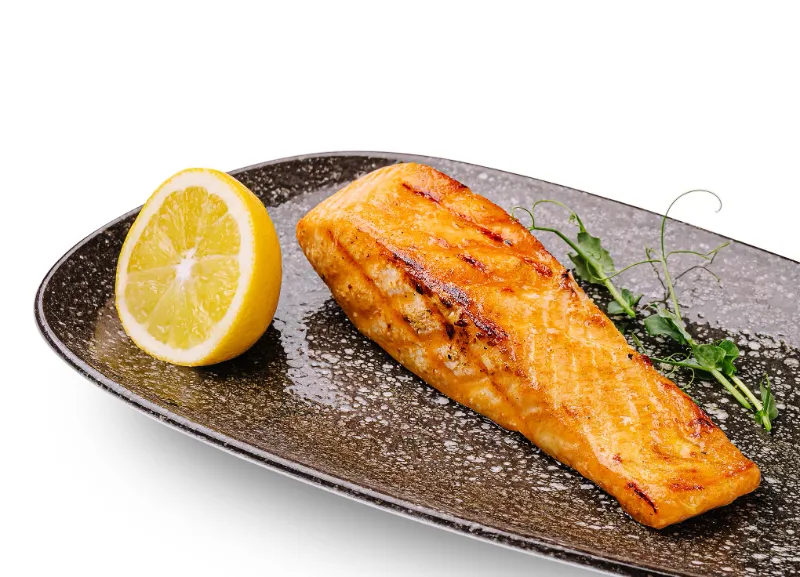
Fish is one of the best collagen sources, and here is the thing most people miss: the skin and scales are where most of the collagen lives. Marine collagen is type I collagen, which is the most abundant type in your skin, and research suggests it may be absorbed even more efficiently than other animal collagen sources.
Salmon, cod, mackerel, and snapper are all excellent choices. If you eat the skin, you are getting a direct collagen hit. Shellfish like shrimp and oysters also provide the zinc and copper your body needs to activate collagen synthesis, so they pull double duty.
Try to work fish into your meals at least two to three times a week. Grilled, baked, or in a simple soup, it all counts.
| Nutrient | Per 3.5 oz (100g) Salmon |
| Calories | 208 kcal |
| Protein | 20g |
| Marine Collagen (est.) | 3-7g (with skin) |
| Omega-3 Fatty Acids | 2.2g |
| Vitamin D | 526 IU |
4. Egg Whites

Egg whites do not actually contain collagen themselves, but they are rich in proline, one of the key amino acids required for collagen synthesis. Your body needs proline to build and repair collagen fibers, so eating foods high in this amino acid is a smart collagen supporting strategy.
Egg whites are also a clean, high quality protein source with very little fat. If you are eating eggs regularly, you are already giving your body a solid base for collagen production. Scrambled, poached, or in an omelet, it really does not matter.
Pair your eggs with vitamin C rich foods like bell peppers or tomatoes, and you create an even better environment for collagen formation in the body.
| Nutrient | Per 2 Large Egg Whites |
| Calories | 34 kcal |
| Protein | 7.2g |
| Proline | ~350mg |
| Fat | 0g |
| Riboflavin | 0.2mg |
5. Citrus Fruits
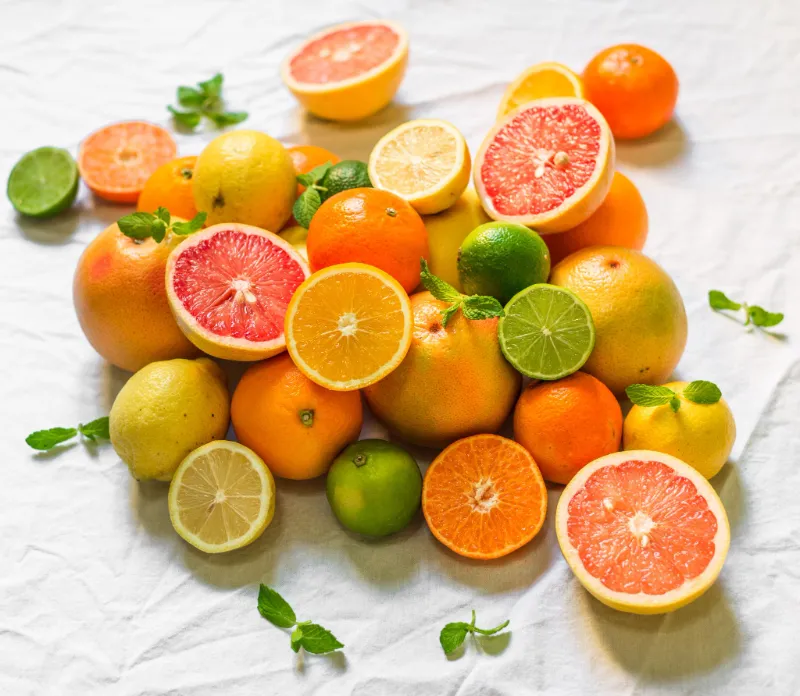
Oranges, lemons, limes, and grapefruit are not collagen themselves, but they are critical for collagen production. Vitamin C is a non negotiable nutrient for the enzymes that stabilize and cross link collagen fibers. Without enough vitamin C, your body literally cannot produce functional collagen.
One medium orange gives you about 70mg of vitamin C, which is more than the daily recommended amount for most adults. Add lemon juice to your water, snack on grapefruit, or toss orange slices into your salad. These are easy wins.
The antioxidants in citrus also help protect existing collagen from damage caused by UV exposure and environmental stress. So you are building and protecting at the same time.
| Nutrient | Per 1 Medium Orange |
| Calories | 62 kcal |
| Vitamin C | 70mg (78% DV) |
| Fiber | 3.1g |
| Folate | 40mcg |
| Potassium | 237mg |
6. Berries
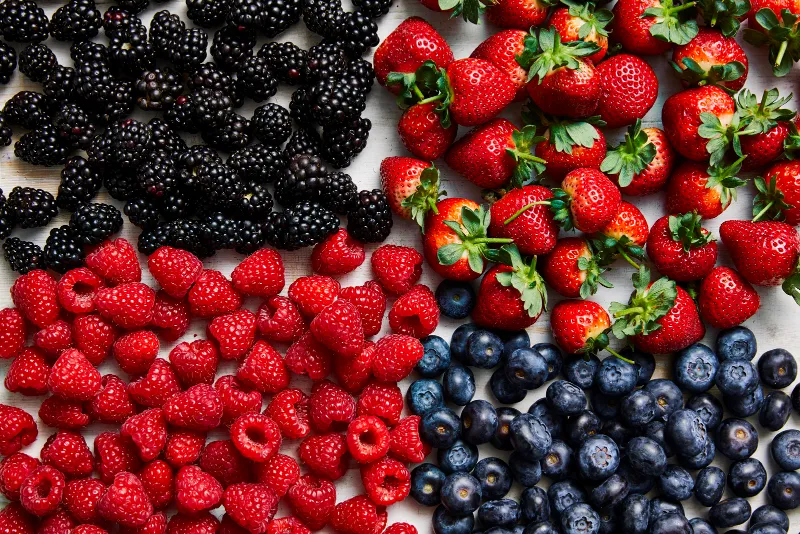
Strawberries, blueberries, raspberries, and blackberries are all vitamin C powerhouses with an added bonus: they are loaded with antioxidants that protect collagen from breaking down. One cup of strawberries actually contains more vitamin C than an orange.
The anthocyanins in blueberries and other dark berries have been shown in studies to help increase collagen levels and protect skin from oxidative stress. They are basically your skin’s bodyguards.
Throw some berries in your morning yogurt, blend them into a smoothie, or eat them fresh as a snack. They are one of the tastiest ways to support your collagen levels without even trying.
| Nutrient | Per 1 Cup Strawberries |
| Calories | 49 kcal |
| Vitamin C | 89mg (99% DV) |
| Antioxidants (ORAC) | ~3,580 |
| Fiber | 3g |
| Manganese | 0.4mg |
7. Garlic
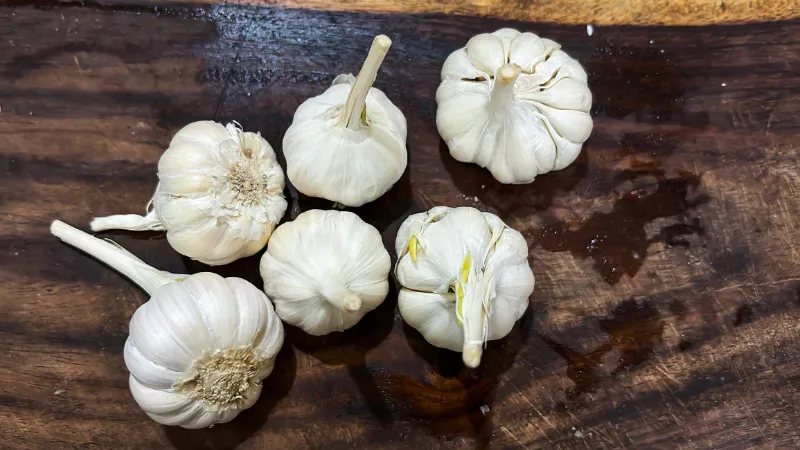
Garlic might surprise you on this list, but it contains sulfur, a mineral that plays a key role in collagen synthesis and helps prevent its breakdown. Sulfur is involved in the production of taurine and lipoic acid, which support collagen fibers in the skin and connective tissue.
You do not need a huge amount to get the benefit. Even a clove or two added to your cooking daily makes a difference over time. Plus garlic has anti inflammatory properties that help protect the skin from collagen degrading enzymes.
Fresh garlic provides the most benefit, but roasted or cooked garlic still delivers sulfur compounds. It is honestly one of the easiest upgrades you can make to your everyday cooking.
| Nutrient | Per 3 Cloves (9g) |
| Calories | 13 kcal |
| Sulfur Compounds | High (allicin etc.) |
| Manganese | 0.1mg |
| Vitamin C | 2.8mg |
| Vitamin B6 | 0.1mg |
8. Leafy Greens
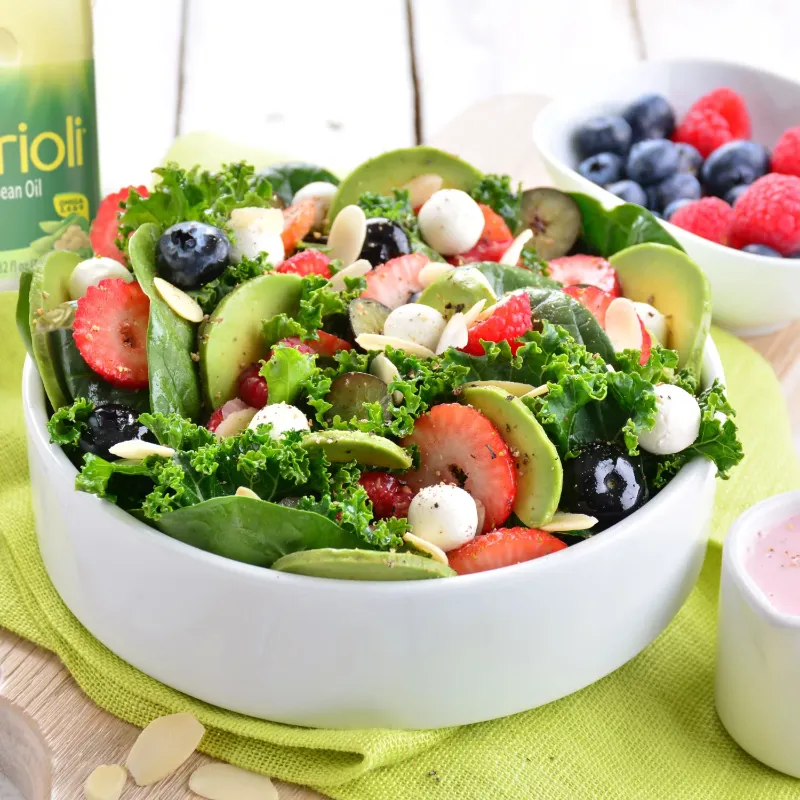
Spinach, kale, Swiss chard, and collard greens contain chlorophyll, and some research suggests that chlorophyll may increase the precursor to collagen in the skin. On top of that, dark leafy greens are rich in vitamin C and antioxidants that protect against collagen degradation.
Kale in particular is one of the most nutrient dense greens you can eat. It provides vitamin C, vitamin K, and lutein, all of which support skin structure and overall collagen health. A big salad or a quick saute with olive oil covers a lot of nutritional ground.
Try to get at least one serving of dark leafy greens every day. Your skin, joints, and gut lining will all benefit from the consistent intake over time.
| Nutrient | Per 1 Cup Raw Spinach |
| Calories | 7 kcal |
| Vitamin C | 8.4mg |
| Vitamin K | 145mcg |
| Folate | 58mcg |
| Iron | 0.8mg |
9. Bell Peppers
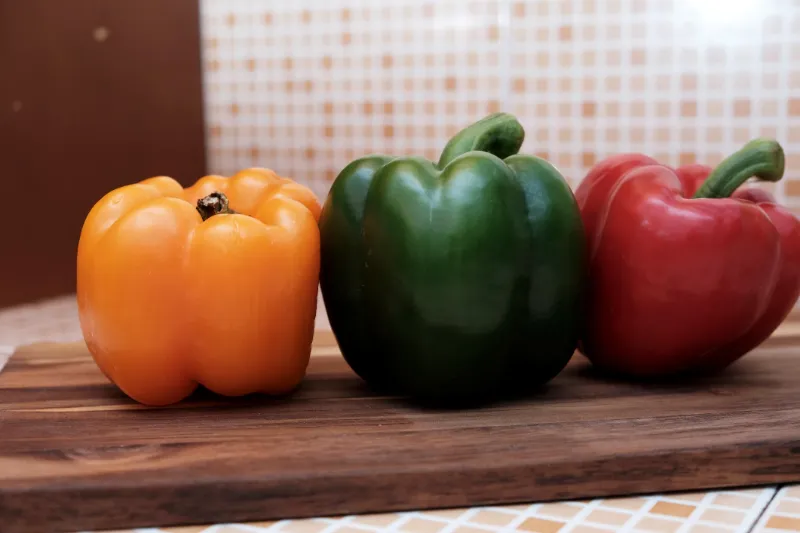
Red bell peppers are one of the highest vitamin C foods you can eat, containing nearly three times the vitamin C of an orange by weight. Vitamin C is essential for the hydroxylation of proline and lysine, two amino acids that form the structure of collagen. Without it, collagen production basically stalls.
Red peppers also contain capsanthin and quercetin, antioxidants that fight the free radical damage responsible for breaking down collagen in skin and connective tissues. They are crunchy, sweet, and incredibly versatile in the kitchen.
Slice them raw for dipping, roast them for a sweet side dish, or toss them into stir fries and fajitas. Any way you eat them, you are doing your collagen levels a real favor.
| Nutrient | Per 1 Medium Red Bell Pepper |
| Calories | 37 kcal |
| Vitamin C | 190mg (211% DV) |
| Vitamin A | 3131 IU |
| Fiber | 2.5g |
| Vitamin B6 | 0.4mg |
10. Tomatoes

Tomatoes contain lycopene, a powerful antioxidant that protects skin from collagen degrading UV damage and environmental pollutants. Studies have shown that lycopene can help reduce collagen breakdown by inhibiting the enzymes that break it down, called matrix metalloproteinases.
They also deliver a solid dose of vitamin C, which as you now know is critical for making collagen in the first place. Cooked tomatoes and tomato paste actually have higher lycopene concentrations than raw tomatoes, so do not skip the marinara sauce.
Add tomatoes to salads, sandwiches, soups, and pasta. Sun dried tomatoes are an especially concentrated source of lycopene and make a great snack or topping.
| Nutrient | Per 1 Medium Tomato |
| Calories | 22 kcal |
| Vitamin C | 17mg (19% DV) |
| Lycopene | 3.2mg |
| Potassium | 292mg |
| Vitamin K | 9.7mcg |
11. Avocado
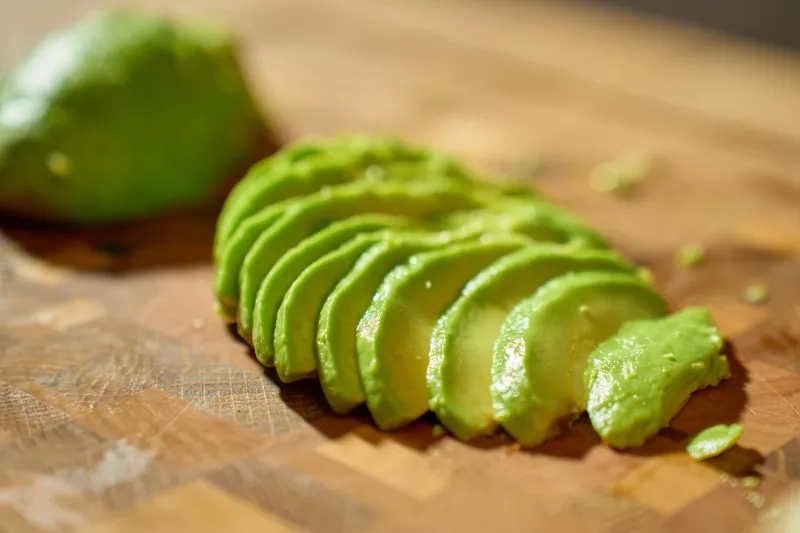
Avocado is rich in vitamin E, a fat soluble antioxidant that works alongside vitamin C to protect collagen from oxidative breakdown. It also contains healthy monounsaturated fats that support skin hydration and the structural integrity of cell membranes.
The healthy fats in avocado also help your body absorb fat soluble nutrients like vitamins A, D, E, and K, all of which play supporting roles in skin and connective tissue health. So when you add avocado to a salad loaded with leafy greens, you are actually boosting your absorption of everything else on the plate.
Half an avocado a day is a popular and totally reasonable habit to build. Toast, salads, smoothies, or straight from the shell with a little salt all work perfectly.
| Nutrient | Per Half Avocado (68g) |
| Calories | 114 kcal |
| Healthy Fats | 10.5g |
| Vitamin E | 1.3mg (9% DV) |
| Vitamin K | 14mcg |
| Potassium | 345mg |
12. Nuts and Seeds
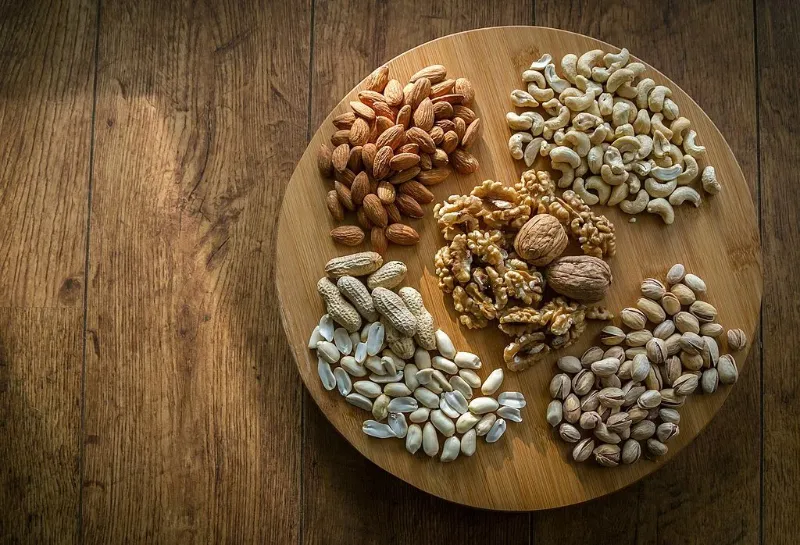
Almonds, walnuts, sunflower seeds, and chia seeds are all excellent sources of vitamin E, zinc, and omega 3 fatty acids, all of which support collagen production and skin health. Zinc in particular plays a key role in activating proteins needed for collagen synthesis and wound healing.
Walnuts are especially notable because they contain both zinc and omega 3s, which help reduce the inflammation that degrades collagen over time. Sunflower seeds are loaded with vitamin E. Chia seeds bring in omega 3s and trace minerals.
A small handful of mixed nuts or a couple tablespoons of seeds daily is all you need. Sprinkle them on oatmeal, yogurt, or salads to sneak them in without much effort.
| Nutrient | Per 1 oz Almonds (28g) |
| Calories | 164 kcal |
| Vitamin E | 7.3mg (49% DV) |
| Zinc | 0.9mg |
| Magnesium | 76mg |
| Healthy Fats | 14g |
13. Beans and Legumes
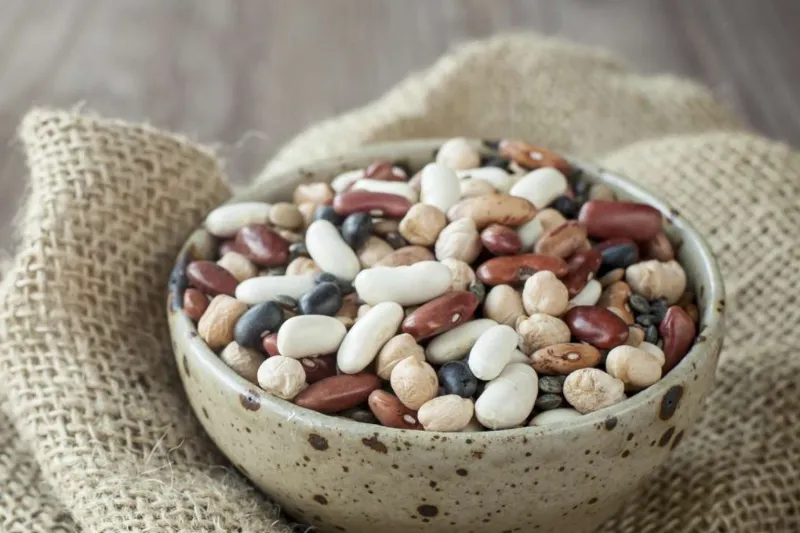
Beans are an underrated collagen supporting food. They are rich in lysine, an essential amino acid that your body uses directly in collagen formation. Without enough lysine, collagen synthesis slows down significantly, so getting it through food is essential.
Black beans, kidney beans, chickpeas, and lentils are all great options. They also contain zinc and copper, two trace minerals that act as cofactors for the enzymes involved in producing and stabilizing collagen fibers in connective tissue and skin.
Beans are also incredibly affordable and filling. Add them to soups, grain bowls, salads, or even blend chickpeas into hummus. Getting lysine from plant based sources like legumes is especially important if you are not eating much meat.
| Nutrient | Per 1 Cup Cooked Black Beans |
| Calories | 227 kcal |
| Protein | 15g |
| Lysine | ~1.1g |
| Zinc | 1.9mg |
| Iron | 3.6mg |
14. Pumpkin Seeds
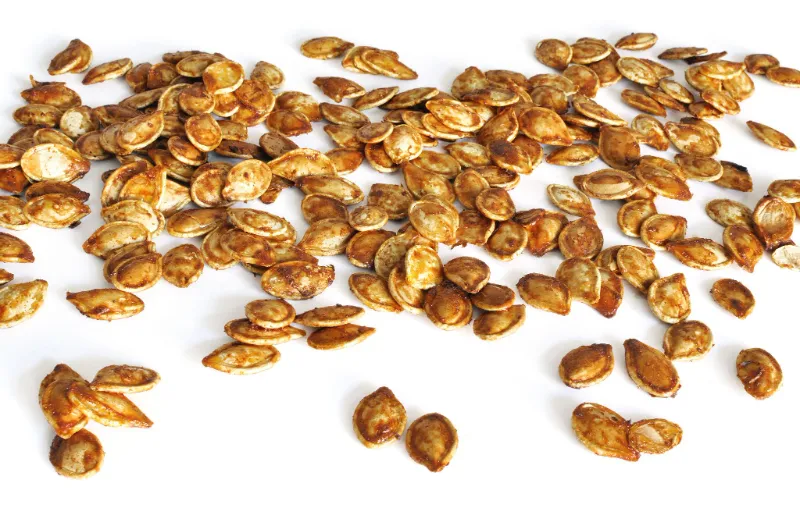
Pumpkin seeds are one of the richest plant based sources of zinc you can find. Just one ounce delivers about 20 percent of your daily zinc needs. Zinc is critical for collagen synthesis because it activates the enzymes that build and repair collagen in the skin, gut lining, and connective tissue.
They also contain magnesium and manganese, two minerals that play supporting roles in collagen production and help fight the inflammation that can degrade it. Pumpkin seeds are a real nutritional workhorse for a small snack.
Roast them with a little olive oil and sea salt, add them raw to salads or oatmeal, or blend them into pesto for a nutrient dense twist. They are easy to keep on hand and even easier to eat.
| Nutrient | Per 1 oz (28g) Roasted |
| Calories | 163 kcal |
| Zinc | 2.2mg (20% DV) |
| Magnesium | 150mg |
| Protein | 8.5g |
| Iron | 2.3mg |
15. Oysters
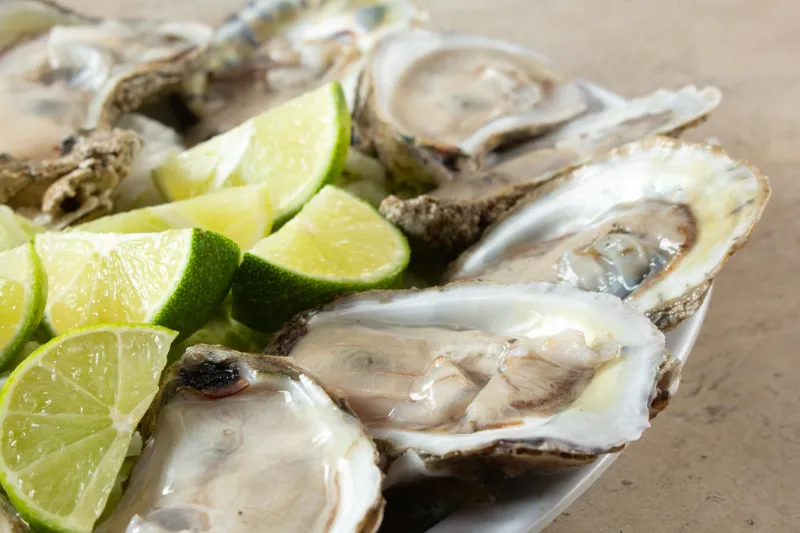
Oysters are one of the most zinc dense foods on the planet. A single serving can deliver more than 500 percent of your daily recommended zinc intake. That is significant because zinc directly activates the proteins responsible for synthesizing collagen throughout the body.
They also contain copper, which works with zinc to support the enzyme lysyl oxidase, the enzyme that cross links collagen and elastin fibers to give skin its firmness and connective tissue its strength. You really cannot find a better mineral combination for collagen support in a single food.
Fresh oysters are great, but canned oysters work just as well nutritionally and are much more accessible. Even just a few oysters a week can make a noticeable impact on your mineral intake for collagen health.
| Nutrient | Per 3 oz (85g) Cooked |
| Calories | 69 kcal |
| Zinc | 32mg (291% DV) |
| Copper | 4.5mg |
| Vitamin B12 | 16mcg |
| Iron | 7.8mg |
16. Beef and Red Meat
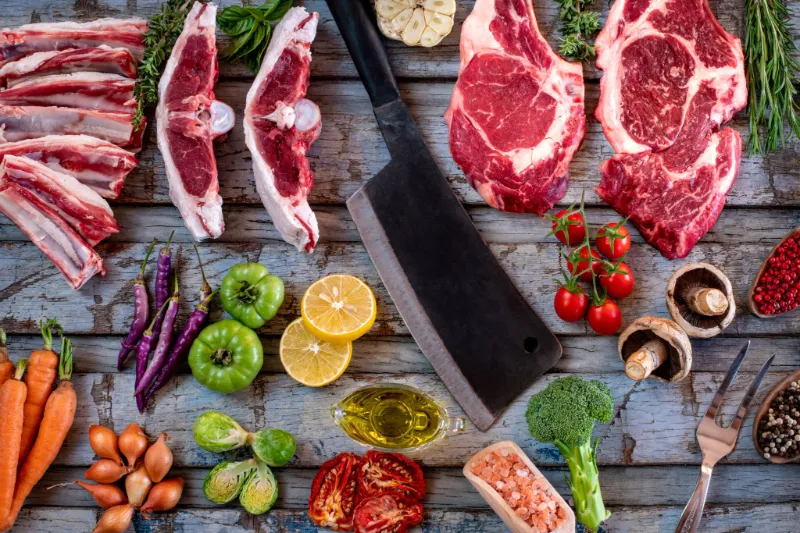
Beef contains high amounts of collagen, particularly in the tougher cuts that include a lot of connective tissue. Brisket, short ribs, oxtail, and shank are all cuts that become incredibly collagen rich when cooked low and slow. The collagen breaks down into gelatin during cooking, which your body can then use as collagen precursors.
Ground beef also contains collagen if it is not an overly lean blend. Beef is also one of the best sources of glycine, an amino acid that your body uses heavily in collagen production. Many people are not getting enough glycine, and beef helps close that gap.
Do not feel like you need to eat red meat every day, but including it a few times a week from quality sources supports collagen levels, especially for the type I and type III collagen found in skin and blood vessels.
| Nutrient | Per 3.5 oz (100g) Ground Beef 80/20 |
| Calories | 254 kcal |
| Protein | 26g |
| Glycine | ~1.5g |
| Iron | 2.2mg |
| Zinc | 5.9mg |
17. Organ Meats

Liver, heart, and kidney are among the most nutrient dense foods you can eat, and they are exceptional for collagen production. Liver is loaded with glycine, proline, copper, and vitamin A, all of which are essential for making and maintaining collagen throughout the body.
Beef heart is particularly rich in collagen itself, since the heart is a muscle that contains a lot of connective tissue. It is also one of the most affordable cuts of meat you can buy, which makes it a really accessible option.
If organ meats are not something you grew up eating, start with a small amount mixed into ground beef, or try beef liver pate on toast. The flavor is milder than you might expect when prepared with aromatics like onion and garlic.
| Nutrient | Per 3.5 oz (100g) Beef Liver |
| Calories | 175 kcal |
| Protein | 26g |
| Copper | 9.8mg (1089% DV) |
| Vitamin A | 6582mcg |
| Riboflavin | 2.8mg |
18. Pork

Pork skin and pork rinds are surprisingly one of the best direct sources of collagen you can eat. Pork gelatin has been used in food science for decades precisely because of its high collagen content. Cuts like pork belly, pork trotters, and pork shoulder with the skin on are especially rich in collagen.
Pork is also an excellent source of glycine and proline, the two amino acids most critical for collagen formation. A slow braised pork shoulder or a pork bone broth delivers all of this in a deeply satisfying meal.
Even regular pork chops contribute glycine and protein to support collagen synthesis. It is one of the most affordable animal proteins with a solid collagen support profile when you choose the right cuts.
| Nutrient | Per 3.5 oz (100g) Pork Shoulder |
| Calories | 242 kcal |
| Protein | 27g |
| Glycine | ~1.2g |
| Fat | 14g |
| Zinc | 4.2mg |
19. Sweet Potatoes

Sweet potatoes are packed with beta carotene, which your body converts into vitamin A. Vitamin A is essential for collagen synthesis and plays a major role in skin cell turnover and repair. Without enough vitamin A, your skin can look dull and your collagen production slows down.
One medium sweet potato delivers more than 100 percent of your daily vitamin A needs, plus a good dose of vitamin C to further support collagen building enzymes. They are also rich in antioxidants that protect collagen from free radical damage.
Bake them, mash them, cube and roast them, or throw them in a soup. Sweet potatoes are one of the most versatile and satisfying foods to add to your collagen supporting diet.
| Nutrient | Per 1 Medium Sweet Potato |
| Calories | 103 kcal |
| Vitamin A | 1096mcg (122% DV) |
| Vitamin C | 22.3mg (25% DV) |
| Fiber | 3.8g |
| Potassium | 541mg |
20. Dark Chocolate

Dark chocolate with at least 70 percent cacao contains antioxidants called flavanols that have been shown to protect skin collagen from UV damage and improve skin hydration and elasticity. The cocoa flavanols also support blood flow to the skin, which helps deliver nutrients needed for collagen repair and production.
Dark chocolate also provides copper, a trace mineral that acts as a cofactor for the enzyme lysyl oxidase, which is responsible for cross linking collagen and elastin fibers. Better cross linking means firmer, more resilient skin and connective tissue.
One to two squares of dark chocolate a day is genuinely a collagen supporting habit. Go for a high quality bar with minimal added sugar and you are getting real nutritional benefit along with the indulgence.
| Nutrient | Per 1 oz (28g) 70% Dark Chocolate |
| Calories | 170 kcal |
| Copper | 0.5mg (56% DV) |
| Iron | 3.4mg |
| Magnesium | 64mg |
| Flavanols | ~200mg |
21. Soy Foods
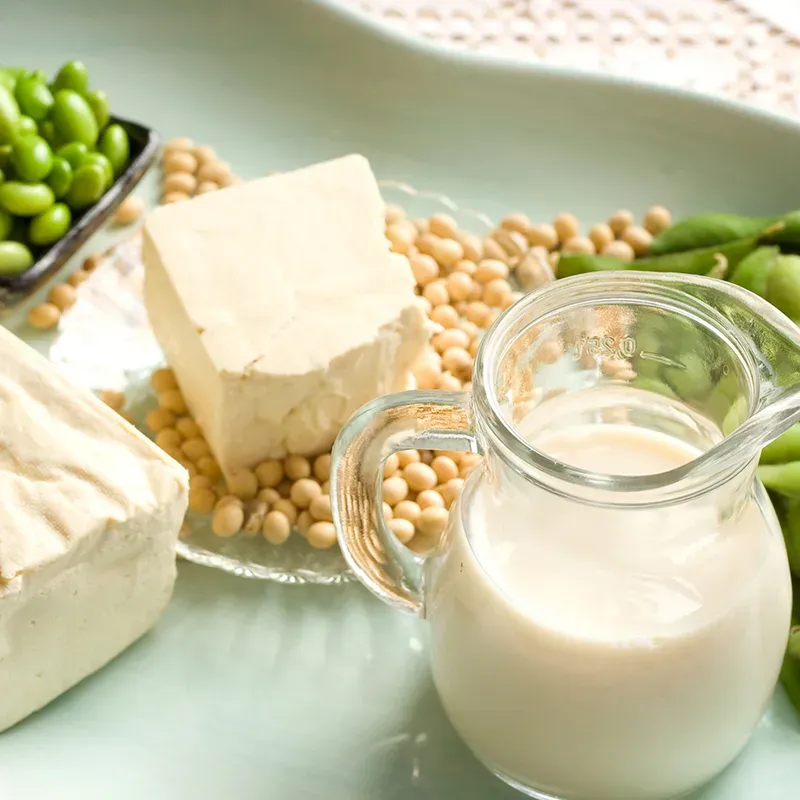
Tofu, tempeh, edamame, and soy milk contain genistein, an isoflavone that has been shown in research to stimulate collagen production and inhibit the enzymes that break it down. Studies suggest genistein may help improve skin elasticity and reduce signs of aging at the cellular level.
Soy is also a complete protein, meaning it contains all essential amino acids including lysine, which is directly used in collagen synthesis. For people who eat a plant based diet, soy foods are one of the most effective ways to support collagen levels.
Tofu in stir fries, edamame as a snack, tempeh on salads. Soy foods are easy to fit into almost any eating style and consistently show up in research supporting skin and connective tissue health.
| Nutrient | Per 3.5 oz (100g) Firm Tofu |
| Calories | 76 kcal |
| Protein | 8g |
| Calcium | 350mg |
| Genistein | ~17mg |
| Iron | 1.5mg |
22. Broccoli
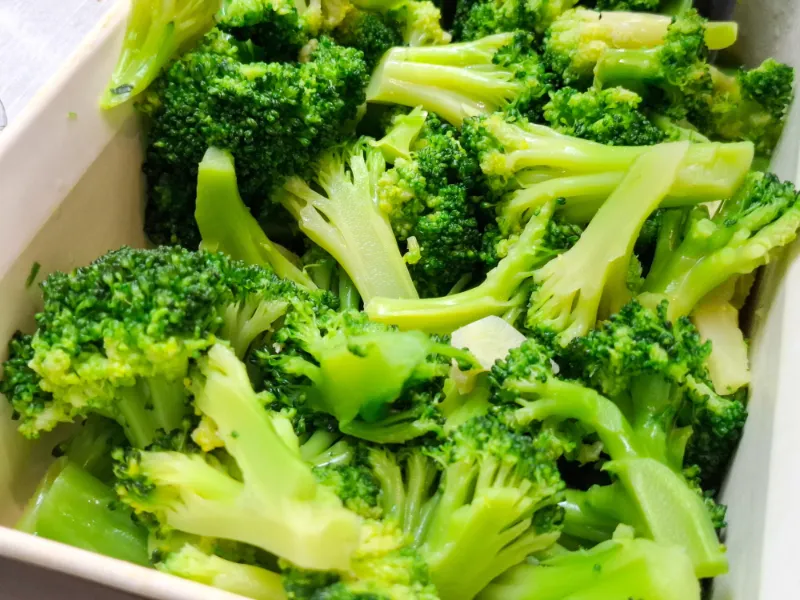
Broccoli is one of the best vegetable sources of vitamin C, and it also contains sulforaphane, a compound that may activate pathways involved in protecting existing collagen from damage. One cup of raw broccoli delivers about 135 percent of your daily vitamin C needs, which is genuinely impressive for a vegetable.
It also provides silicon, a trace mineral associated with collagen synthesis in bones and connective tissue. Broccoli is one of those foods that consistently shows up across research on longevity, skin health, and inflammation, making it a reliable everyday choice.
Steam it, roast it, eat it raw with hummus, or throw it in pasta. Broccoli is incredibly flexible and when you eat it a few times a week, you are stacking multiple collagen supporting nutrients together.
| Nutrient | Per 1 Cup Raw (91g) |
| Calories | 31 kcal |
| Vitamin C | 81.2mg (90% DV) |
| Vitamin K | 92.5mcg |
| Folate | 57mcg |
| Fiber | 2.4g |
23. Mushrooms

Certain mushrooms, particularly shiitake and maitake, contain copper in meaningful amounts. Copper is essential for activating lysyl oxidase, the enzyme responsible for cross linking collagen and elastin fibers into strong, stable structures in the skin and connective tissue.
Shiitake mushrooms also contain eritadenine and beta glucans, compounds associated with reducing inflammation that can otherwise accelerate collagen breakdown over time. They are genuinely one of the most underappreciated functional foods in the grocery store.
Saute them in butter or olive oil, add them to soups and grain dishes, or use them as a meaty addition to pasta. Shiitake mushrooms in particular have a rich umami flavor that makes any dish feel more satisfying.
| Nutrient | Per 1 Cup Cooked Shiitake |
| Calories | 81 kcal |
| Copper | 0.6mg (67% DV) |
| Selenium | 1.2mcg |
| Vitamin D | ~40 IU |
| Fiber | 3g |
24. Green Tea

Green tea is rich in epigallocatechin gallate, or EGCG, a powerful antioxidant that has been shown to protect collagen from breakdown by inhibiting the enzymes that degrade it. EGCG also has anti inflammatory properties that help reduce the chronic low grade inflammation responsible for accelerating skin aging.
Regular green tea drinkers show measurably better skin elasticity and hydration in several studies, likely due to the cumulative antioxidant protection over time. It is one of the simplest habits you can build for long term collagen health.
One to three cups a day is a reasonable and well studied amount. Matcha powder is an even more concentrated source of EGCG if you want to level up the benefit. Just watch the caffeine if you are sensitive to it.
| Nutrient | Per 8 oz (240ml) Brewed |
| Calories | 2 kcal |
| EGCG | ~100mg |
| Caffeine | 20-45mg |
| L-Theanine | ~20mg |
| Fluoride | ~0.2mg |
25. Manuka Honey

Manuka honey is not just a sweetener. It contains methylglyoxal (MGO), a compound unique to manuka that has been shown to support the regeneration of collagen in skin tissue and promote wound healing. Research suggests it can stimulate collagen synthesis in skin fibroblasts, the cells responsible for producing collagen.
It also has strong antibacterial and anti inflammatory properties, which help protect the skin environment where collagen production happens. Applied topically or consumed regularly, manuka honey consistently shows up in dermatology research as a skin supportive food.
A teaspoon in warm water or tea, drizzled over yogurt, or spread on whole grain toast are all easy ways to work it in daily. Look for a UMF rating of 10 or higher for a product with meaningful therapeutic activity.
| Nutrient | Per 1 tsp (7g) |
| Calories | 22 kcal |
| MGO Content | ~100-400mg/kg (varies by grade) |
| Antioxidants | High (phenolic compounds) |
| Natural Sugars | 5.5g |
| Hydrogen Peroxide Activity | Present |
Final Thoughts
Your body makes collagen every single day, and what you eat determines how well that process goes. You do not need to overhaul your entire diet overnight. Start by adding two or three of these foods to your weekly meals and build from there.
Small, consistent changes add up faster than you think. Eat the bone broth. Eat the salmon with the skin. Grab the berries. Your skin, joints, and connective tissue will reflect the effort over time and honestly, most of these foods are delicious anyway.
