
Brown Butter: The 4-Minute Transformation
MKM Signature Series: Cooking Chemistry | Episode 04
Regular butter tastes good. Brown butter tastes like you spent three hours building a sauce.
This is not an exaggeration. Browned butter has a deep, nutty, almost caramel-like richness that regular melted butter simply does not have. It tastes like toasted hazelnuts, warm toffee, and browned bread crust all at once. Pastry chefs use it to elevate everything from chocolate chip cookies to financiers. Savory cooks drizzle it over pasta, fish, vegetables, and risotto.
And it takes four minutes.
The transformation from regular butter to browned butter is one of the most dramatic flavor developments in cooking, and it is driven entirely by chemistry. Understanding what actually happens during those four minutes will make you confident with the technique, help you know exactly what to look for, and stop you from burning it.
What Butter Actually Is
Before we get into what happens when you brown it, you need to know what butter is made of.
Butter is approximately 80 to 83 percent fat (mostly triglycerides), 16 to 17 percent water, and 1 to 2 percent milk solids. Those milk solids are the critical component for browning. They contain proteins and a small amount of natural sugars, specifically lactose.
When you melt butter, the water and milk solids are suspended in the fat. The water is what you hear bubbling and sputtering during the first phase of browning. The milk solids are the tiny white particles you can see floating in clarified butter or clinging to the bottom of the pan.
These milk solids, with their combination of proteins and sugars, are the fuel for the Maillard reaction.
The Chemistry of Browning Butter
You learned about the Maillard reaction in Episode 01. Brown butter is a textbook example of that same reaction happening in liquid fat.
When you heat butter past the point where all the water has evaporated (around 212 degrees Fahrenheit), the temperature of the milk solids begins to climb rapidly. Without the water present to absorb heat energy and hold the temperature down, the pan gets significantly hotter very quickly.
At around 250 to 300 degrees Fahrenheit, the milk solid proteins and sugars begin to react with each other through the Maillard reaction. They form hundreds of new flavor compounds including diacetyl (buttery, caramel notes), furanones (sweet, toasty), and pyrazines (nutty, roasted).
Simultaneously, a second reaction happens. The milk sugar lactose begins to caramelize. Caramelization is a separate reaction from the Maillard reaction (it involves sugars breaking down and recombining without protein involvement), and it contributes its own set of flavor molecules with warm, sweet, slightly bitter complexity.
Both reactions are happening at the same time in that pan, which is why browned butter has such layered complexity. It is not just nutty. It is nutty and caramel and toasty and warm and slightly sweet and just barely bitter all at once.
The French name for it is beurre noisette, which means hazelnut butter. The name does not come from adding hazelnuts. It comes from the fact that properly browned butter smells and tastes like hazelnuts. That specific aroma comes from compounds called pyrazines that form during the Maillard reaction on the milk solids.
The Four Stages of Brown Butter
Brown butter moves through predictable stages. Learning to recognize each one gives you complete control.
Stage One: Melting (0 to 90 seconds)
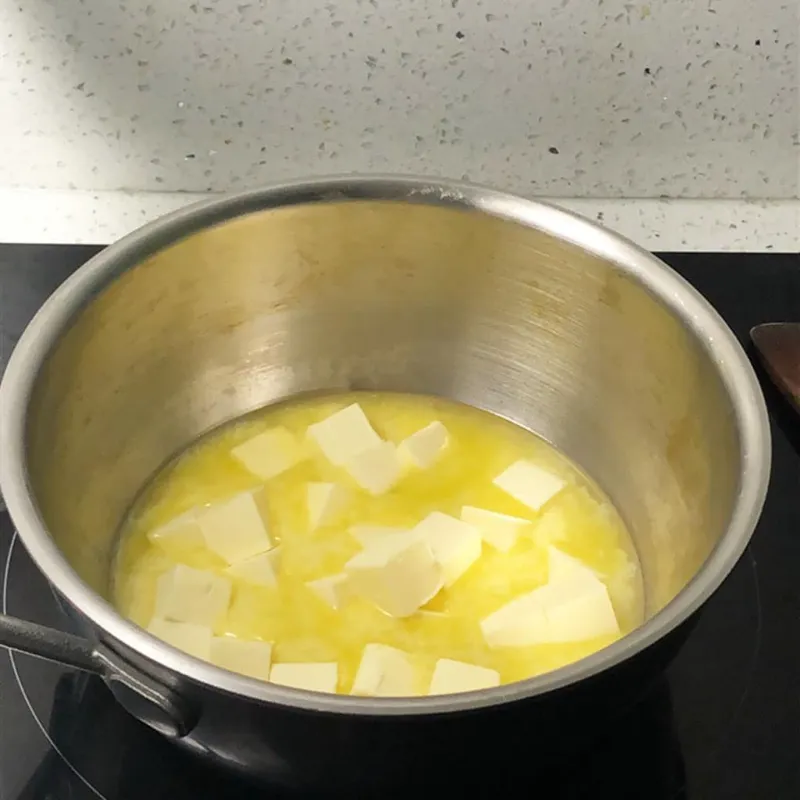
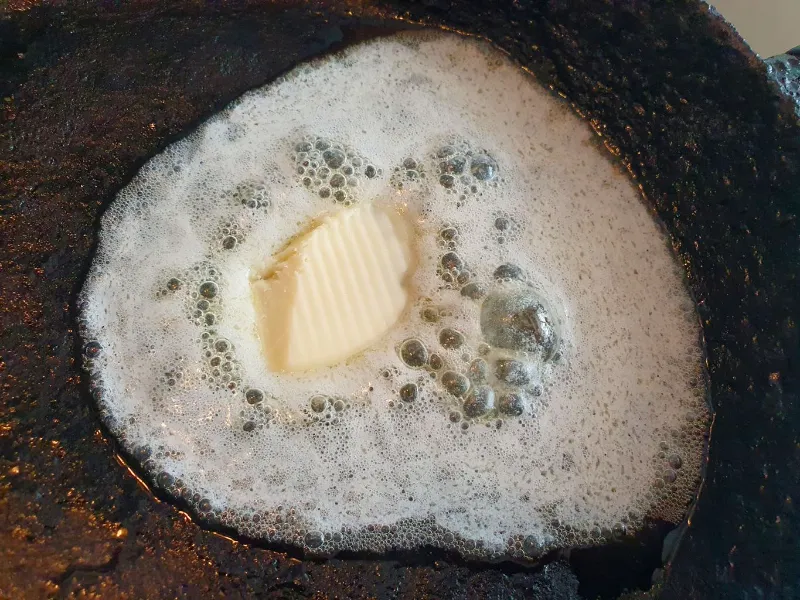
The butter goes into the pan over medium to medium-high heat and starts to melt. As the solid fat melts, you will hear a quiet hiss as trace surface moisture evaporates. The butter looks yellow and slightly foamy. Nothing is browning yet. At this stage, you can stir or swirl the pan without any concern.
Stage Two: Foaming (90 seconds to 2.5 minutes)
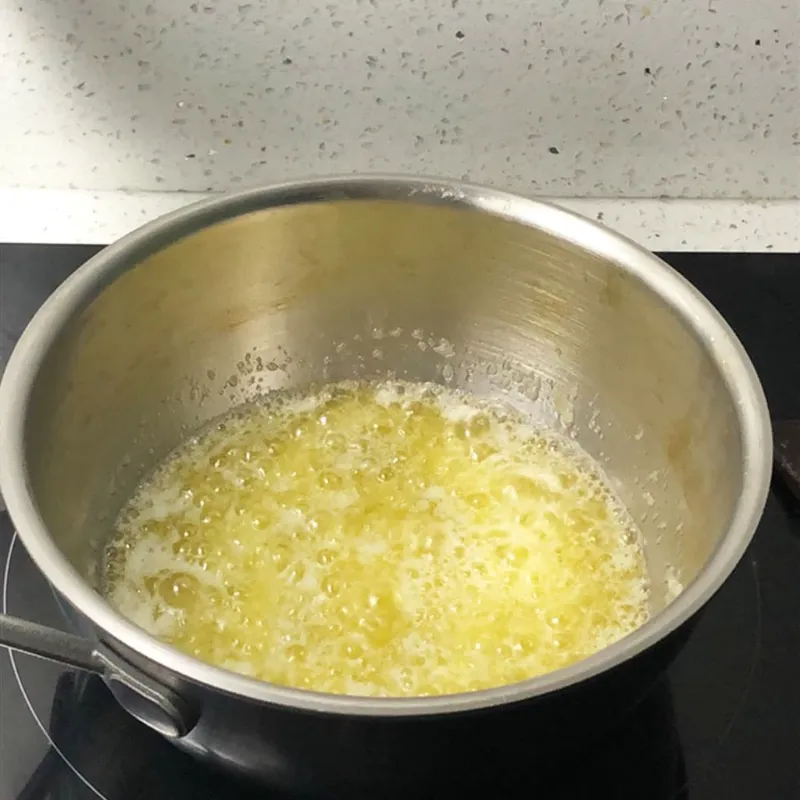
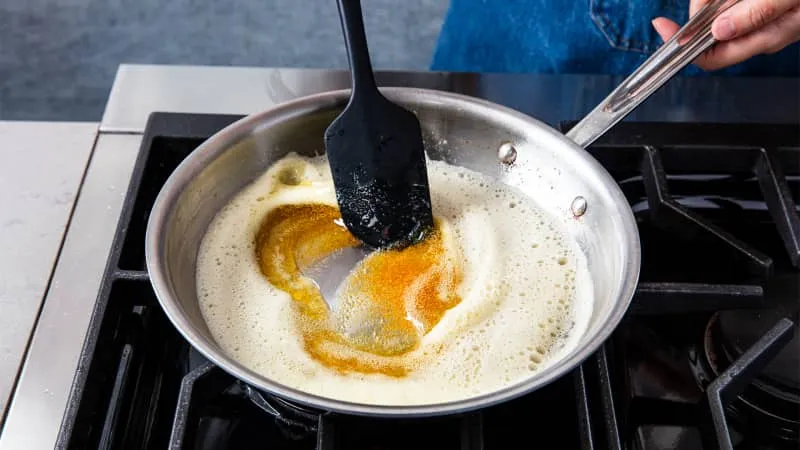
This is the most visually dramatic stage, but it is a red herring for beginners. A thick, vigorous foam rises up and fills the pan. This foam is created by the water in the butter converting to steam and being trapped by the milk proteins as it tries to escape. The bubbling and foam are the water boiling out.
This stage is where beginners get nervous and either turn down the heat (wrong) or take the pan off and call it done (also wrong). You are not done. You have not even started browning yet. Hold your heat and keep going.
Stage Three: Browning (2.5 to 4 minutes)
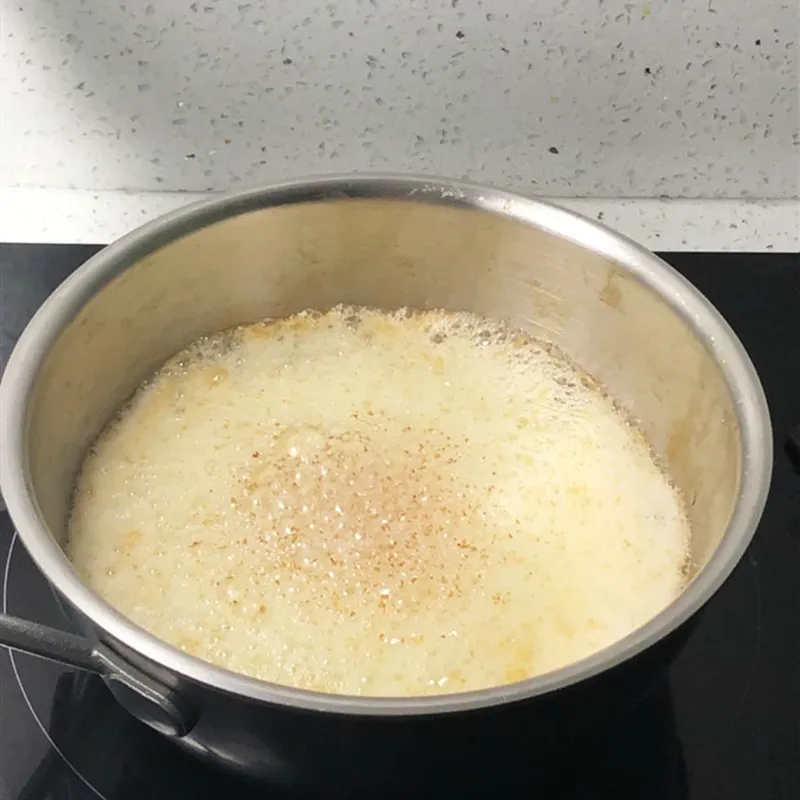
The foam starts to subside. As the water finishes evaporating, there is no longer enough steam to maintain the foam. It settles, and now you can see clearly into the pan. This is your signal to pay close attention.
At the bottom of the pan, the milk solids will begin to turn golden, then amber, then light brown. You will hear the sizzling change in character from the wet, bubbly sound of evaporating water to a quieter, drier, more intense sizzle.
The color will develop fast during this stage. This is not a gradual process. It goes from light amber to deep brown in under a minute. Watch it constantly.
The aroma will change dramatically. When browning begins, the kitchen will suddenly fill with that warm, nutty, hazelnut scent. Your nose is a perfect thermometer here. The moment you smell it, you are 30 to 45 seconds from perfect.
Stage Four: Perfect or Burned (30 to 45 seconds after smell)
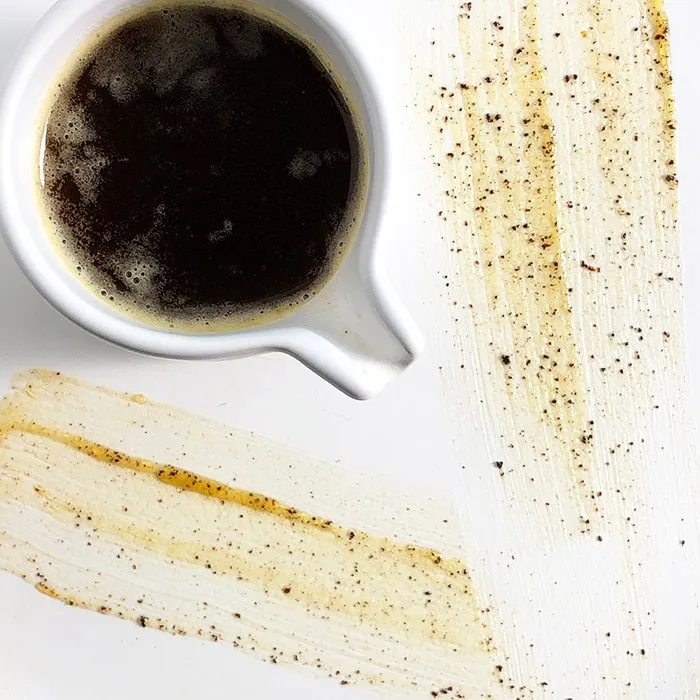
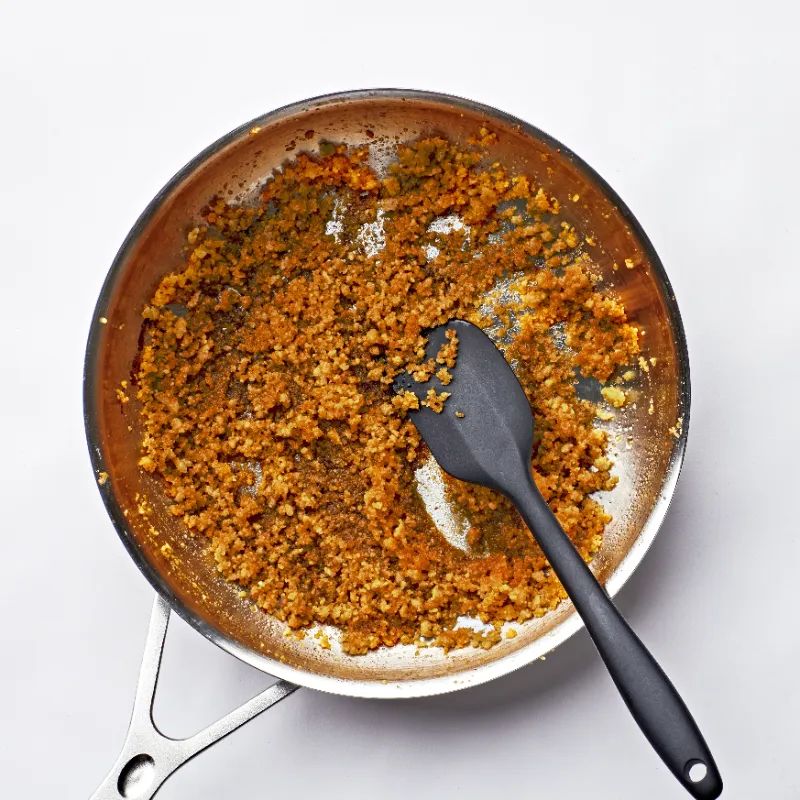
Brown butter has a very narrow window between perfect and burned. Perfect brown butter has small, evenly brown milk solid particles sitting in deep amber, fragrant fat. Burned brown butter has black particles and a harsh, bitter, acrid smell.
The difference in time between perfect and burned is often less than a minute.
How To Stop It At Exactly the Right Moment
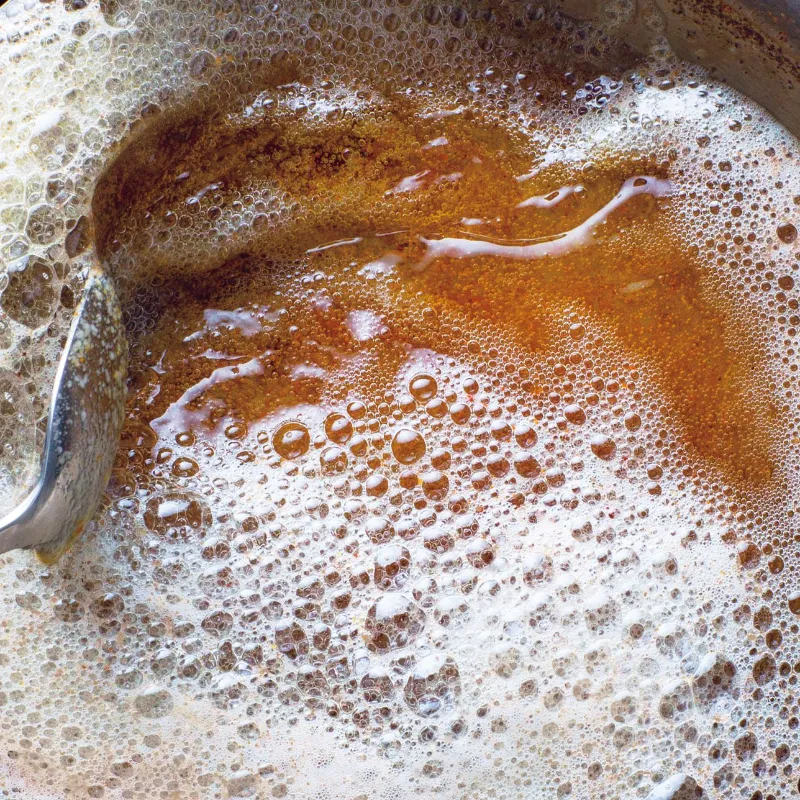
There are two methods for stopping the browning at the right time.
Method one: Pour immediately. As soon as the butter reaches your target color (deep amber milk solids, fragrant and nutty), pour it immediately into a heat-safe bowl. The bowl should be at room temperature or cold. The fat transfers quickly and the browning stops because the temperature drops. If you leave it in the hot pan, the residual heat continues cooking the milk solids.
Method two: Add an ingredient. For savory applications, pouring the butter directly over another ingredient or adding lemon juice or another liquid to the pan immediately stops the cooking. This is the standard technique for brown butter sauces: you take the pan off heat and add lemon juice, which drops the temperature and creates a sauce at the same time.
Method three: Ice bath the pan. For baking applications where you need to measure the butter after browning, you can set the bottom of the pan briefly in a shallow pan of cold water. The metal cools within seconds and browning stops.
The most important rule is this: make your decision before the butter looks done. If you wait until it looks perfect to make your move, you will have burned it by the time you act. Pull the trigger 10 seconds early and let residual heat carry you to perfect.
Choosing the Right Pan
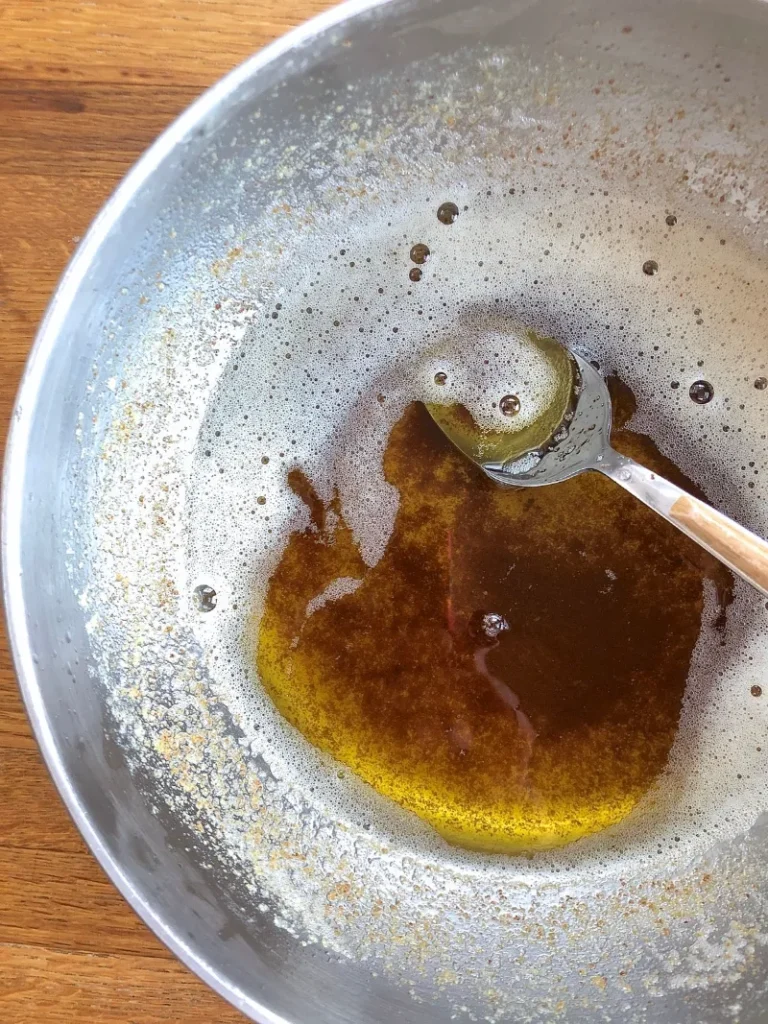
Pan choice affects how well you can monitor browning, which is more important than most people realize.
Light-colored pans are better for browning butter. Stainless steel, ceramic, or light-colored enamel pans let you see the milk solids clearly as they change color. You can watch the progression from white to golden to brown with precision.
Dark pans make it harder. In a cast iron or dark nonstick pan, the milk solids blend visually into the dark surface. You are essentially browning blind, relying entirely on aroma to judge doneness. This is doable but harder, especially when you are learning.
Size matters too. Use a pan with enough surface area to heat the butter evenly. A 10-inch stainless skillet works well for up to 4 tablespoons of butter. For larger quantities, go larger. A thin layer of butter in a wide pan browns faster and more evenly than a deep pool of butter in a small pan.
Salted Versus Unsalted Butter
For savory applications, either works. The salt in salted butter is a non-issue and can actually be desirable.
For baking, most pastry professionals prefer unsalted butter because it gives you control over the salt content of the recipe. The salt in salted butter can vary by brand and can push certain baked goods past the ideal salt level when you also have salt in the recipe.
For the browning process itself, there is almost no difference. Both types brown at the same rate and produce the same flavor compounds. Use what you have on hand for practice.
Savory Applications: Where to Use It
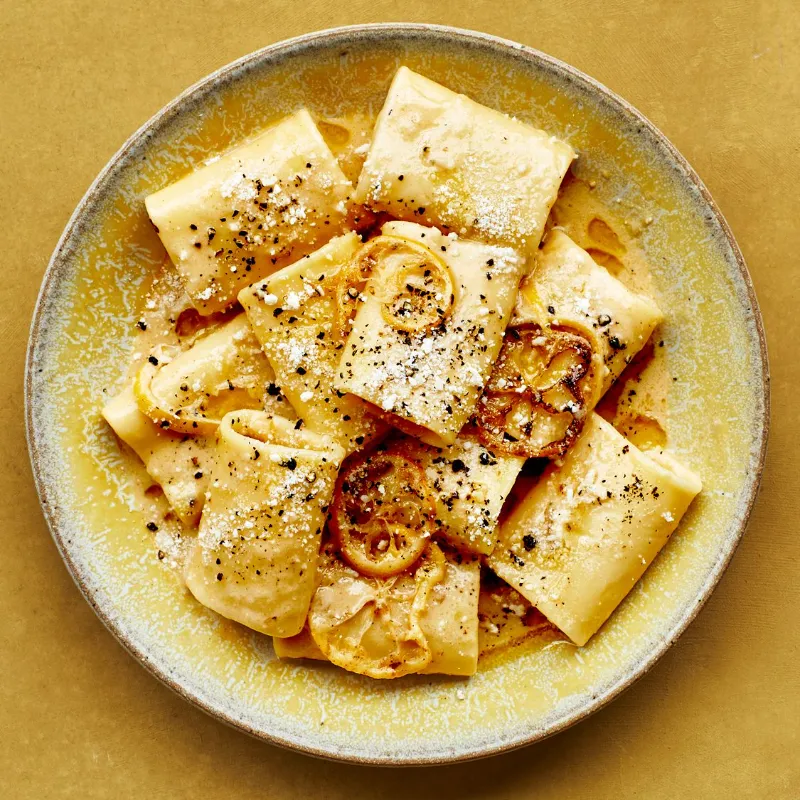
Brown butter is probably most commonly used in sweet applications, but its savory uses are just as compelling.
Pasta. Toss cooked pasta directly in brown butter with a squeeze of lemon and grated Parmesan. This is one of the best pasta dishes in existence and it takes under 10 minutes total. The nutty richness of the butter coats every strand and the lemon cuts through to keep it bright.
Fish. Meuniere is the classic French preparation: flour-dusted fish pan-fried in butter that browns during cooking, then served with lemon and capers. The fish absorbs the nutty brown butter flavor directly, and the lemon creates an instant pan sauce.
Vegetables. Brown butter over roasted cauliflower, squash, green beans, or asparagus transforms them. The fat carries the nutty flavor across every surface of the vegetable and adds richness to what might otherwise be a plain side dish.
Gnocchi. Pan-frying gnocchi in brown butter (crispy on the outside, pillowy inside) with fresh sage leaves crisped in the same butter is a combination that wins over everyone who tries it. The sage and brown butter are one of the great flavor pairings in Italian cooking.
Eggs. Brown butter scrambled eggs are a weekend morning revelation. Make your brown butter, then immediately add beaten eggs and scramble gently. The egg proteins absorb the nutty flavor and the dish tastes complex and deeply savory.
Risotto finish. Instead of stirring in cold butter at the end of your risotto (the classic mantecatura), use brown butter. The nutty richness elevates the whole dish from good to extraordinary.
Pan sauce foundation. After searing a piece of meat, make a quick pan sauce by browning a tablespoon of butter in the same pan (with the fond already there), adding shallots, deglazing with wine or stock, and finishing with herbs. The brown butter adds another layer of depth to the pan drippings.
Sweet Applications: The Baking Revolution
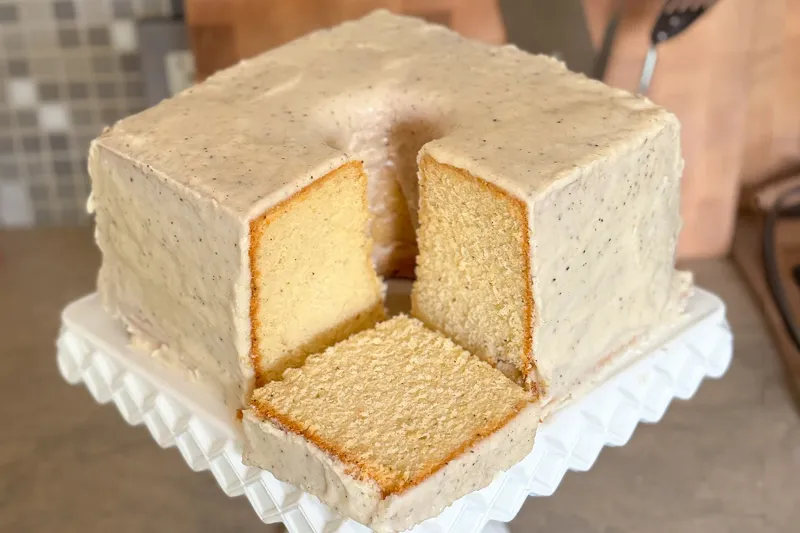
Brown butter’s single biggest impact on home cooking might be in baking.
Swap regular melted butter for brown butter in almost any baked good and the result improves dramatically. The Maillard reaction products that developed during browning carry through into the finished baked good and add complexity that plain butter cannot.
Chocolate chip cookies. Browned butter chocolate chip cookies have become the standard for serious home bakers because the brown butter adds a toffee-like depth that makes them taste bakery-quality. Let the brown butter solidify back to room temperature or chill it until it is roughly the consistency of softened butter before creaming it with sugar.
Blondies and brownies. These bar cookies already lean heavily into caramelized sugar flavors, and brown butter pushes those flavors further. The result is a more complex, less sweet-forward bar that tastes like it has caramel baked into it.
Pound cake and simple loaf cakes. The richness of brown butter elevates simple cakes dramatically. The nutty flavor comes through clearly in the finished crumb.
Pie crust. Working cold brown butter (solidified) into pie dough instead of regular cold butter produces a more flavorful crust with none of the structural compromise you might expect. The technique requires chilling the brown butter until it is firm before using it.
Butter-based frostings and glazes. A browned butter glaze over a simple pound cake is genuinely impressive for how little effort it requires. Melt butter, brown it, let it cool slightly, then whisk in powdered sugar and a splash of vanilla. The glaze has warmth and complexity that regular butter-sugar glazes lack.
Making It Ahead and Storing It
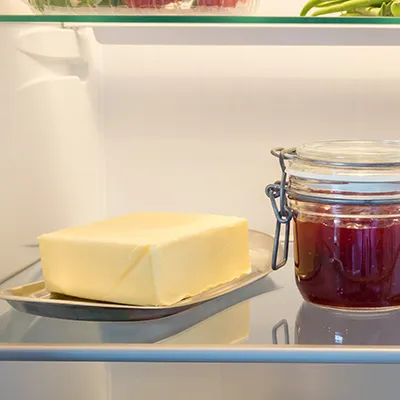
One of the best things about brown butter is that you can make it in large batches and store it.
Brown a full pound of butter at once (use a medium saucepan rather than a skillet for large quantities, as the higher walls contain splatter during the foaming stage). Pour it through a fine-mesh strainer to remove the browned milk solids if you want a cleaner fat, or leave them in if you want all that flavor (which most cooks prefer for most applications).
Let it cool to room temperature, then pour it into a jar and refrigerate it. Brown butter keeps in the refrigerator for 2 to 3 weeks or in the freezer for several months.
Having brown butter in the fridge means you can reach for it exactly like regular butter and upgrade any dish instantly. Spread it on toast. Use it to cook eggs. Drizzle it over grilled fish. Toss pasta in it. The payoff for spending eight minutes browning a pound of butter is weeks of upgraded cooking.
The Four-Minute Mindset
Brown butter represents something important about cooking chemistry.
The most dramatic transformations in cooking are often the fastest. Four minutes, a pan, some heat, and one ingredient. No special equipment. No unusual skills. No expensive components. Just attention to what is happening in the pan, knowledge of what to look for, and the confidence to let the process run its course.
That is the whole premise of this series. You do not need to cook more. You need to understand more about what is already happening. When you see butter turning amber and catch the hazelnut smell rising from the pan, you are watching chemistry produce flavor in real time.
That four-minute transformation does not happen because you are lucky. It happens because you understood the process, gave it the right conditions, and got out of its way.
That is good cooking.
