
Acid Is the Seasoning You’re Not Using
MKM Signature Series: Cooking Chemistry | Episode 03

You taste your dish. Something is off. You add more salt. Still not right. You add black pepper. Getting closer, but the dish still tastes flat, heavy, or somehow muddy. You stare at the pot wondering what it needs.
Nine times out of ten, it needs acid.
Acid is the most underused tool in the American home kitchen. Not because people do not own acidic ingredients. You almost certainly have lemons, vinegar, hot sauce, and canned tomatoes in your kitchen right now. The problem is not access. The problem is understanding.
Once you understand what acid does chemically and sensorially to food, you will use it like a professional. You will stop oversalting. You will stop wondering why your dishes taste like they are missing something even when you followed the recipe exactly. And you will start finishing dishes with a squeeze of lemon almost automatically.
The Basics: What Makes Something Acidic
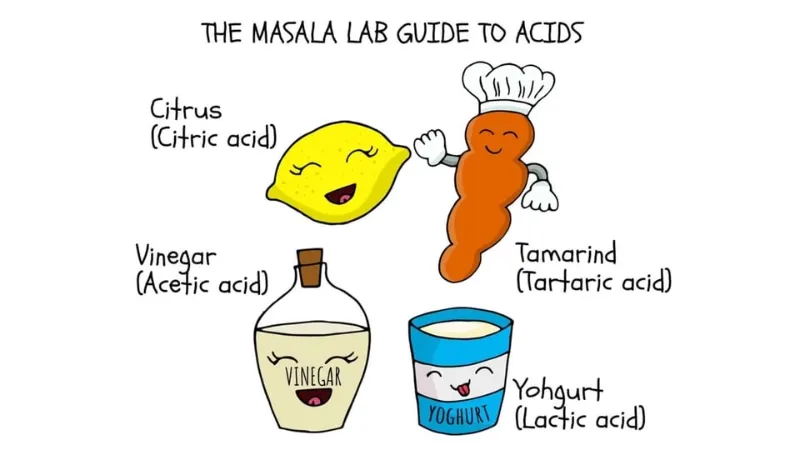
Acidity is measured on the pH scale, which runs from 0 to 14. Pure water sits at 7, which is neutral. Anything below 7 is acidic. Anything above 7 is alkaline, or basic.
Here is a quick reference for common kitchen acids:
Lemon juice sits around pH 2 to 2.6. White wine vinegar is about 2.5 to 3. Apple cider vinegar is 3 to 3.5. Red wine is 3 to 4. Tomatoes clock in around 4 to 4.5. Yogurt and buttermilk land around 4 to 4.6. White wine is about 3 to 3.5. Even coffee is mildly acidic at around 5.
These are all significantly more acidic than your baseline neutral foods. And that difference in pH is what triggers real changes in flavor, texture, and the chemistry of everything these acids touch.
Why Acid Makes Food Taste Better

Here is the core concept that changes how you season.
Salt suppresses bitterness and enhances savory and sweet notes. It amplifies the flavors that are already present. But salt does not cut through heaviness. It does not brighten. It does not lift a dish that tastes muddy or one-dimensional.
Acid does something different. It stimulates different taste receptors on your tongue, specifically the sour receptors. But sour is not the sensation you are going for when you use acid well. What you are actually doing is creating contrast.
When a dish is all savory and rich with no brightness, your palate fatigues. Everything starts to taste the same. Adding a small amount of acid right at the end of cooking creates a contrast that wakes your palate up. It makes the other flavors in the dish more distinct and noticeable. It adds a dimension that salt cannot provide.
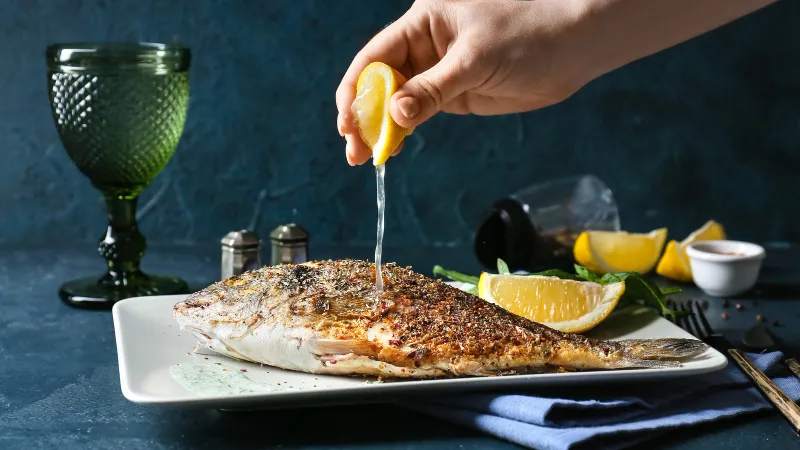
This is why a squeeze of lemon on roasted chicken or grilled fish tastes transformative. The acid is not making the dish taste sour. It is making the chicken taste more like chicken. The brightness cuts through the fat and makes each flavor pop clearly instead of blending into a heavy blur.
Think of it this way. Salt turns up the volume on a dish. Acid improves the clarity. Both are essential. Neither replaces the other.
The Volatile Compound Factor: Why Acid Makes Food Smell Better
Here is a detail that most cooking articles skip over, and it is genuinely fascinating.
A significant portion of what we perceive as flavor is actually aroma. The flavor compounds in food are released as volatile molecules that travel to your olfactory receptors. If those molecules do not reach your nose effectively, the food tastes muted even if it is perfectly seasoned.
Acid helps release volatile aroma compounds from food.
When you add a hit of lemon juice or vinegar to a finished dish, the acid interacts with the food and helps free up aromatic molecules that were bound or suppressed. This is why a squeeze of lemon on a braised lamb dish does not just add brightness. It literally makes the lamb smell more fragrant and complex. The lemon is not the dominant aroma. It is the mechanism that releases everything else.
This also explains why finishing a bean dish, a braised green, or a roasted vegetable with vinegar right before serving smells dramatically better than the same dish without it. The acid is doing chemistry, not just adding flavor.
Acid Versus Salt: Learning to Tell the Difference
One of the most useful skills in cooking is learning to distinguish between a dish that needs salt and a dish that needs acid. They feel similar because both make food taste incomplete, but the solution is different.
Here is a practical test.
Taste your dish. If it tastes bland, flat, and the ingredients do not seem to be expressing themselves fully, add salt a little at a time and taste after each addition. If the flavors get louder and more present, it needed salt.
If you salt the dish and it still tastes heavy, muddy, dull, or like it is missing a spark even though the individual flavors are clear, it needs acid. Add a small squeeze of lemon or a splash of vinegar, taste, and notice what happens. The dish will often seem to lift and brighten within seconds.
You can also test your instincts this way. Make a simple vinaigrette and taste it without salt. Then add a pinch of salt and taste. Then taste a version with extra acid and less salt. Noticing how each variable changes the perception of flavor trains your palate faster than reading about it ever could.
The Right Acid for the Right Dish
Not all acids work in all situations. Each acid brings its own flavor alongside the pure acid effect. Understanding which acid to reach for is as important as knowing to reach for acid at all.
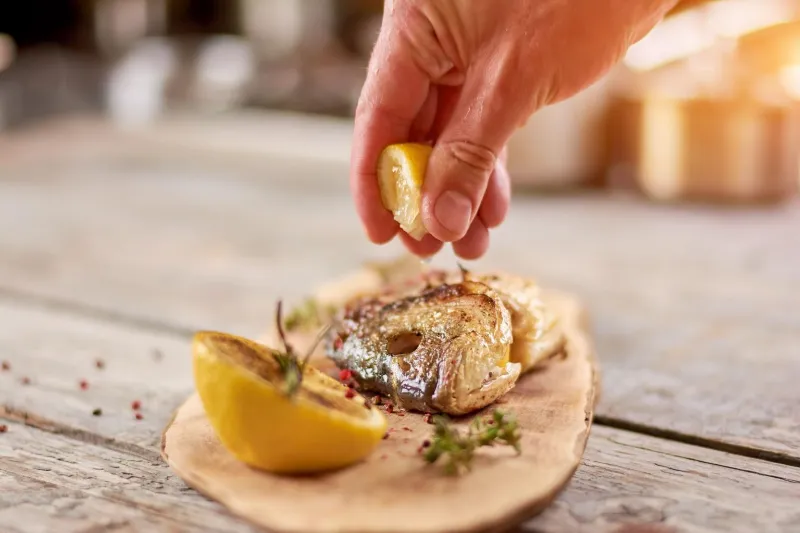
Lemon juice is the most versatile kitchen acid. It adds brightness without strong flavor baggage. Use it to finish fish, poultry, salads, vegetable dishes, soups, and most sauces. The volatile citrus aromatics in fresh lemon juice also add complexity beyond pure acidity. Bottled lemon juice works but lacks many of these aromatics.
Lime juice is sharper and more assertive than lemon, with a distinct tropical note. It belongs in Mexican, Southeast Asian, and Latin dishes. Use it on tacos, in ceviche, in Thai curries, and in dishes where you want the acid to be part of the flavor profile rather than just a background brightener.
White wine vinegar is clean and sharp. It is excellent in vinaigrettes, pickles, pan sauces, and anywhere you want straightforward acidity without strong flavor. It is less assertive than red wine vinegar and more neutral than apple cider vinegar.
Red wine vinegar has a more complex, slightly fruity flavor. It works well in Mediterranean dishes, hearty braises, and anywhere you want the vinegar to contribute flavor alongside acidity.
Apple cider vinegar has a fruity, slightly sweet quality. It pairs well with pork, in American-style barbecue sauces, in grain salads, and anywhere a gentle, rounded acidity suits the other flavors.
Sherry vinegar is nutty, complex, and less aggressively acidic than most other vinegars. It works beautifully in Spanish dishes, on roasted vegetables, in soups, and anywhere you want acid with serious depth.
Rice vinegar is mild and slightly sweet. It belongs in Asian preparations, sushi rice, dipping sauces, and quick pickles for dishes where a delicate hand is appropriate.
Buttermilk and yogurt provide gentler, slower-acting acidity. They work as marinades, dressings, and sauces where you want creaminess and tang simultaneously.
Timing: When To Add Acid
When you add acid in the cooking process matters enormously.
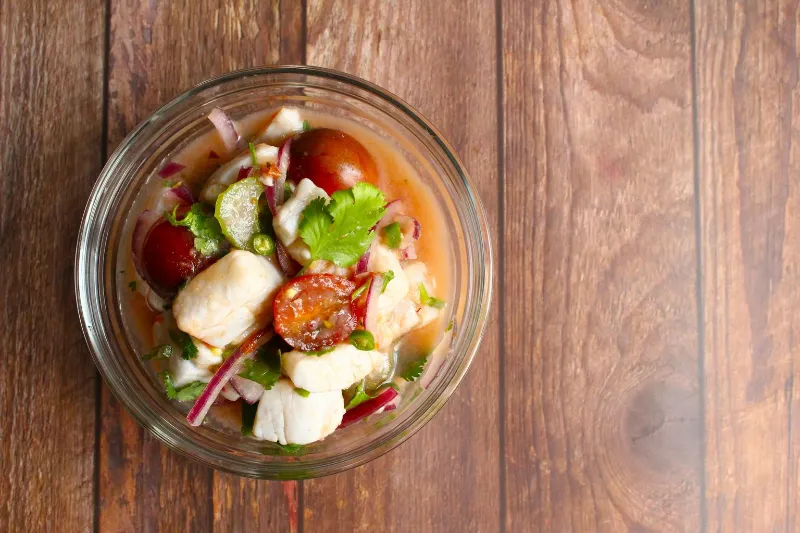
Early acid affects texture. Marinating proteins in acid starts to denature the surface proteins, which changes texture. A short marinade of 30 minutes tenderizes slightly and adds flavor. A long marinade of many hours in something highly acidic, like straight lemon juice, can start to make the exterior mushy because the acid breaks down proteins aggressively. This is why ceviche works: the lime juice chemically denatures the fish proteins, effectively “cooking” it without heat.
For legumes, adding acid early in cooking (like a tomato to your beans) slows softening because acid strengthens the cell walls of the beans. Add acid after your beans are fully tender, not before, if you want them to cook in a reasonable amount of time.
Mid-cook acid integrates into the dish. A splash of white wine or tomatoes added to a braising liquid early gives the acid time to mellow and integrate with the other flavors. The sharpness cooks off and what remains is a rounded, subtle background acidity.
Finishing acid is where most of the magic happens for home cooks. Adding a squeeze of lemon or a splash of vinegar in the last minute of cooking or right before serving is the most common professional move. The acid stays bright and present because it has not had time to cook off. It adds the clarity and lift that makes a dish feel finished rather than flat.
Make finishing with acid a reflex. Before you plate anything, taste it and ask whether a small squeeze of lemon or a splash of vinegar would improve it. The answer is usually yes.
How Acid Interacts With Other Ingredients
Acid does not just add flavor. It changes the food around it chemically.
Acid and green vegetables. When you cook green vegetables, the vibrant green color comes from chlorophyll. Acid destroys chlorophyll, which is why vegetables cooked in acidic environments (like a tomato stew) turn brown and dull. If you want to keep vegetables bright green, cook them in neutral or slightly alkaline water (a tiny pinch of baking soda helps) and add any acidic components after plating.
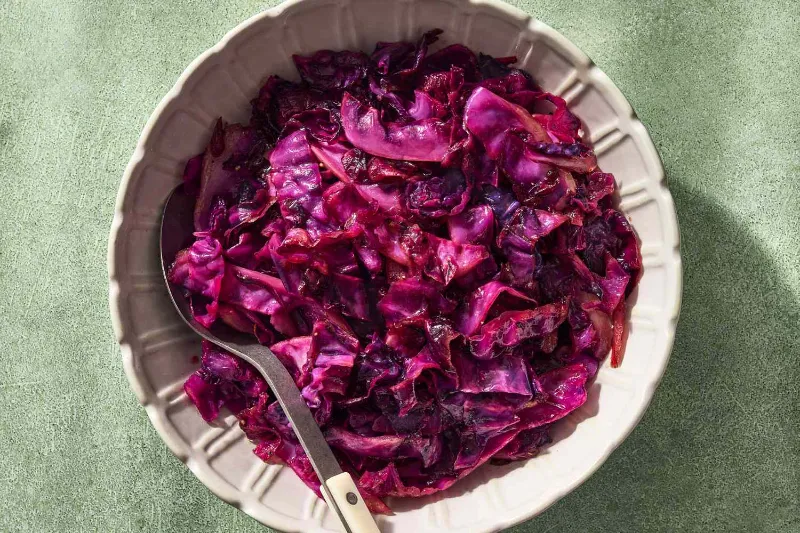
Acid and red/purple vegetables. Anthocyanins, the pigments in red cabbage, red onion, and beets, behave opposite to chlorophyll. Acid makes these pigments more vivid. Red cabbage cooked without acid turns blue-gray. Add vinegar and it stays a bright, jewel-like purple. This is pure chemistry working in your favor.
Acid and proteins. Acid denatures proteins, changing their texture. This is the mechanism behind marinades, ceviche, and the tenderizing effect of buttermilk on chicken. It is also why adding a small amount of acid to eggs before scrambling or poaching can help set them more quickly.
Acid and fat. Acid cuts through the perception of richness. A fatty dish, like a pork belly, a cream sauce, or a rich braise, can feel heavy and cloyingly rich without a balancing acid component. Adding acid does not reduce the amount of fat. It changes how the fat is perceived, making the dish feel lighter and more balanced than it actually is.
The Dishes That Need Acid Most
Some categories of food are crying out for acid almost universally.
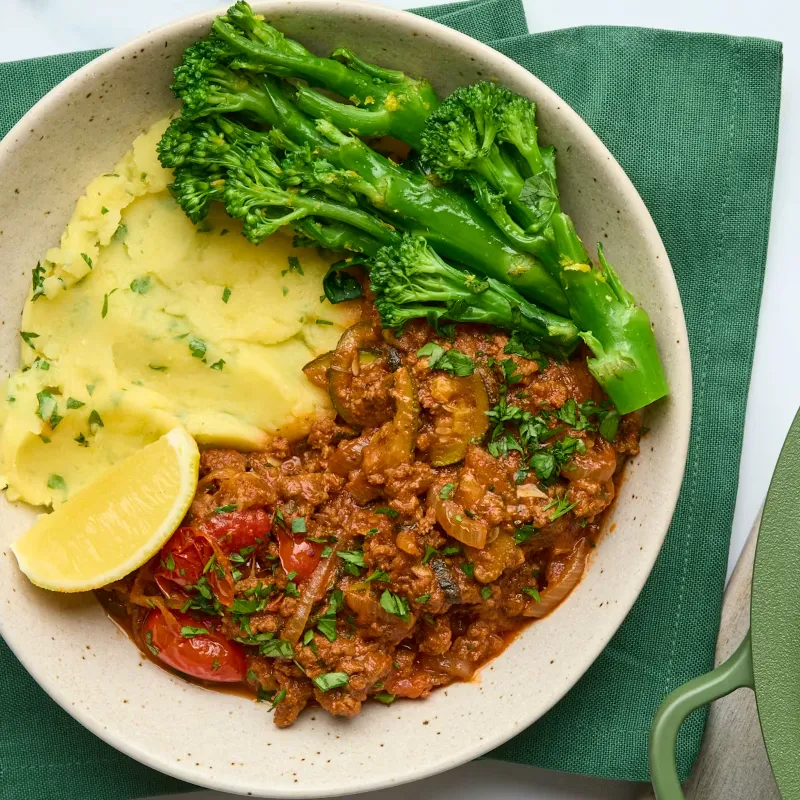
Braised meats and stews. Long-cooked dishes accumulate depth but can become monotone. A tablespoon of red wine vinegar or a squeeze of lemon stirred in at the end brightens everything and makes the dish taste more complex.
Bean and lentil dishes. Legumes are earthy and can lean heavy. A splash of sherry vinegar or a squeeze of lemon right before serving makes them taste significantly more interesting.
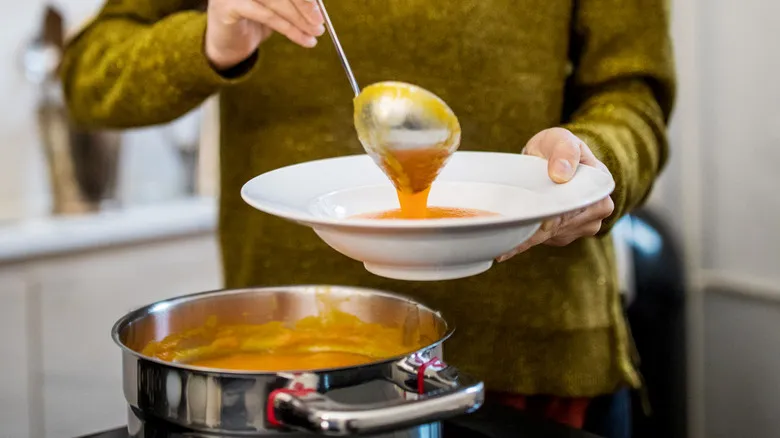
Soups. Most soups benefit from acid. A vegetable soup, a chicken noodle, a pureed cauliflower: all of them taste better with a finish of lemon juice or a small amount of vinegar.
Egg dishes. Eggs and acid love each other. A hollandaise is basically just lemon juice and butter emulsified with egg yolks. Scrambled eggs get brighter with a tiny squeeze of lemon. Egg salad is improved by vinegar in the dressing.
Roasted or grilled proteins. After a piece of meat or fish comes off heat, a squeeze of fresh citrus over the top makes a real difference. The acid interacts with the resting juices and the brown crust to create a more complex flavor than either alone.
A Simple Exercise To Train Your Acid Palate
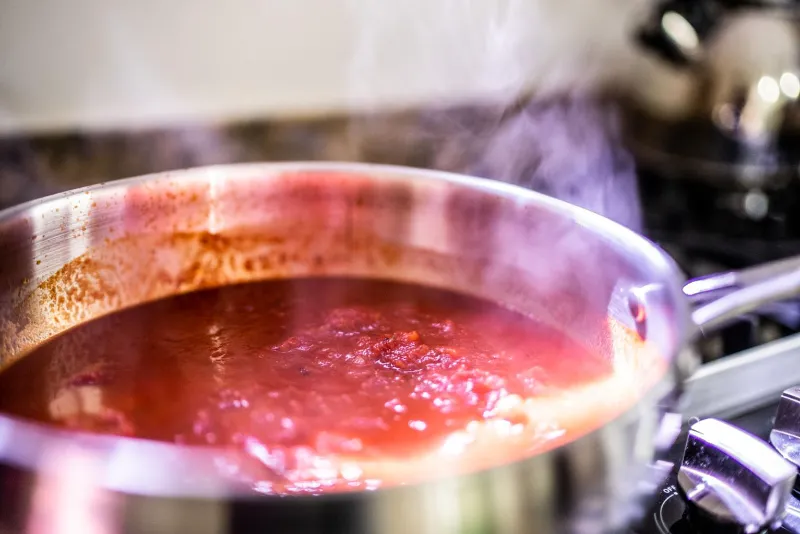
Make a pot of basic tomato sauce. Keep it simple: olive oil, garlic, canned tomatoes, salt, a little sugar. Before you add the sugar, taste the sauce. Notice its acidity and balance.
Now add the sugar. Taste again. The sharpness of the tomato backs off slightly and the sauce tastes more rounded.
Now instead of sugar, try adding a small amount of butter at the end. The fat rounds the acidity differently. The sauce tastes richer and the acidity is present but softened.
Now taste a version where you add a small amount of red wine vinegar at the end rather than reducing the acid. Notice how this deepens the flavor without making the sauce taste sour.
Each of these is a different tool for managing acid in a dish. Learning to use all of them, and knowing when each is appropriate, is the difference between cooking that is technically correct and cooking that is genuinely good.
The Simple Shift That Makes You a Better Cook

You do not need to become a chemist. You need one new habit.
Before you plate any savory dish, reach for your lemon or your vinegar. Add a very small amount, less than you think you need, and taste. Almost every time, the dish will improve. Do this consistently for a month and it becomes automatic.
Salt, fat, acid, heat. You probably already manage salt and fat well. You probably already manage heat well enough. Acid is the variable most home cooks leave on the table.
Stop leaving it there.
MKM Signature Series: Cooking Chemistry — Episode 03 of 11 Next: Brown Butter: The 4-Minute Transformation
